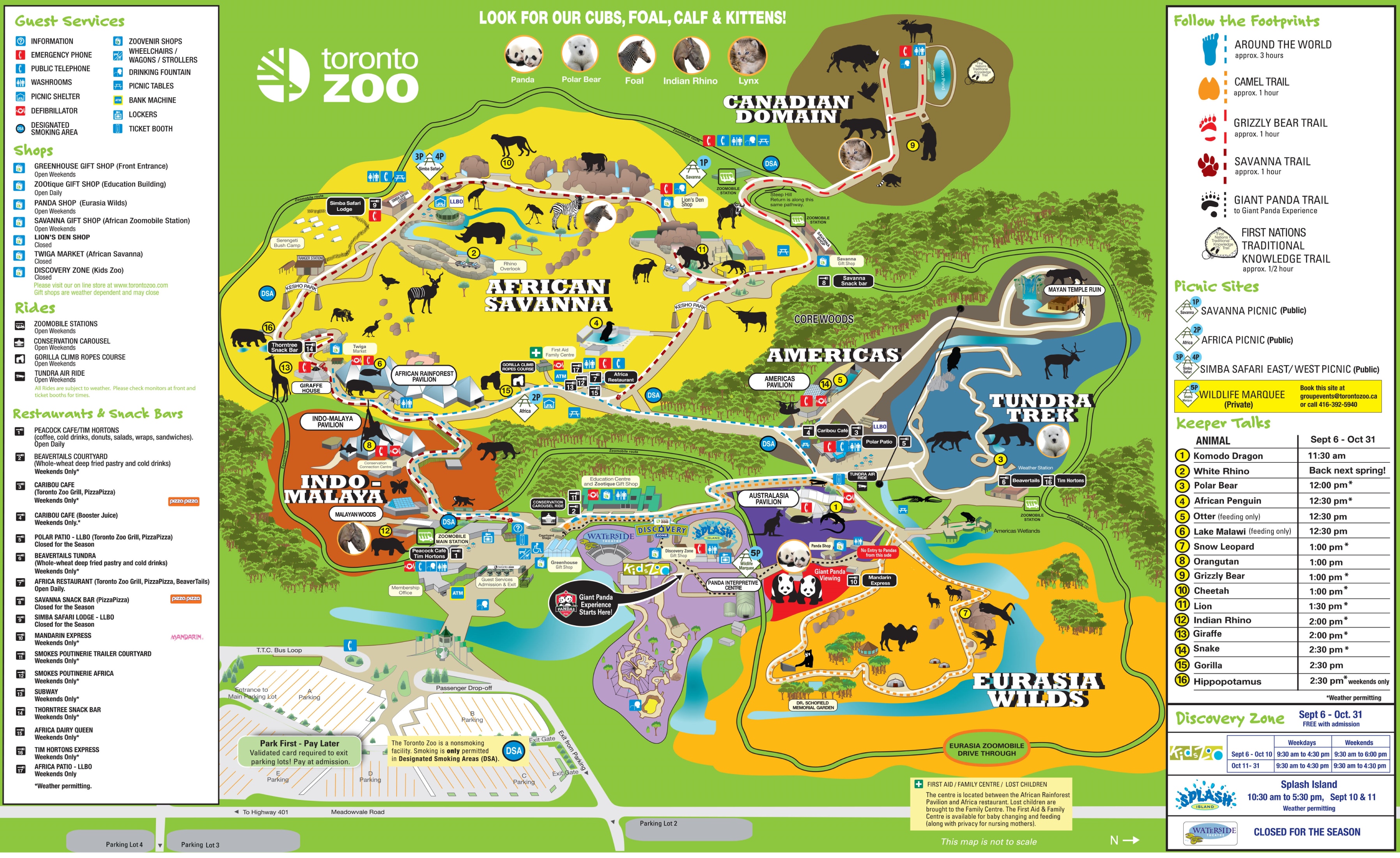
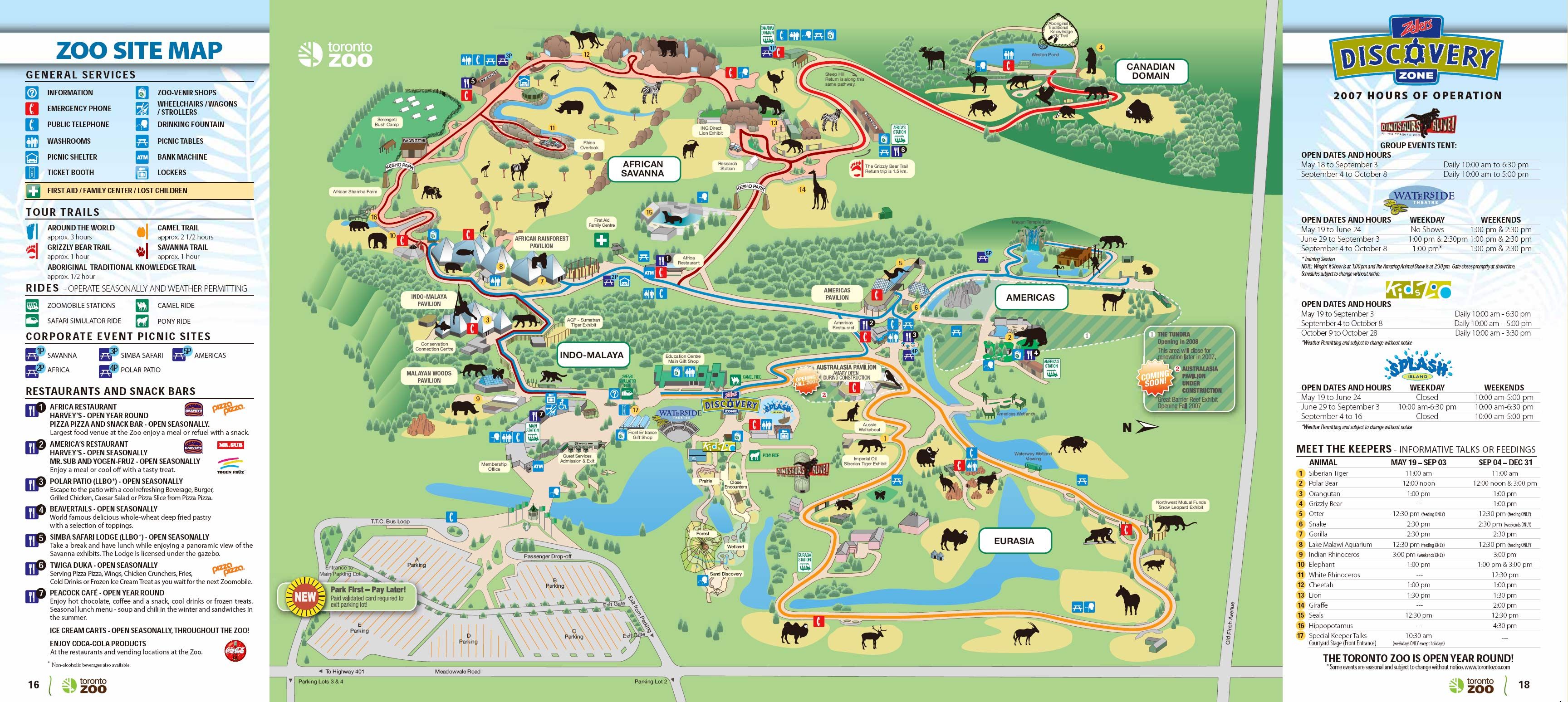
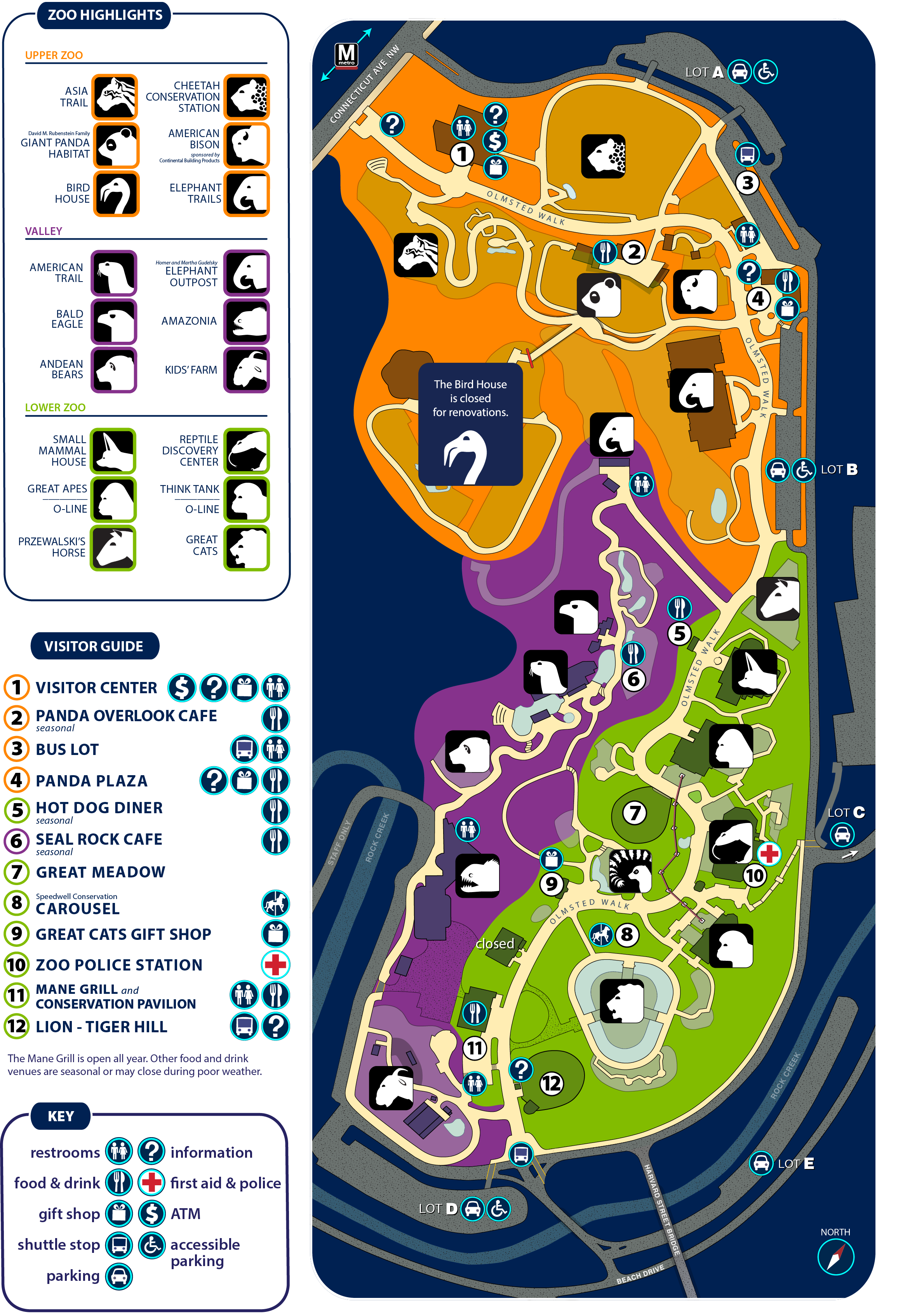
Here are a couple maps that I hate:

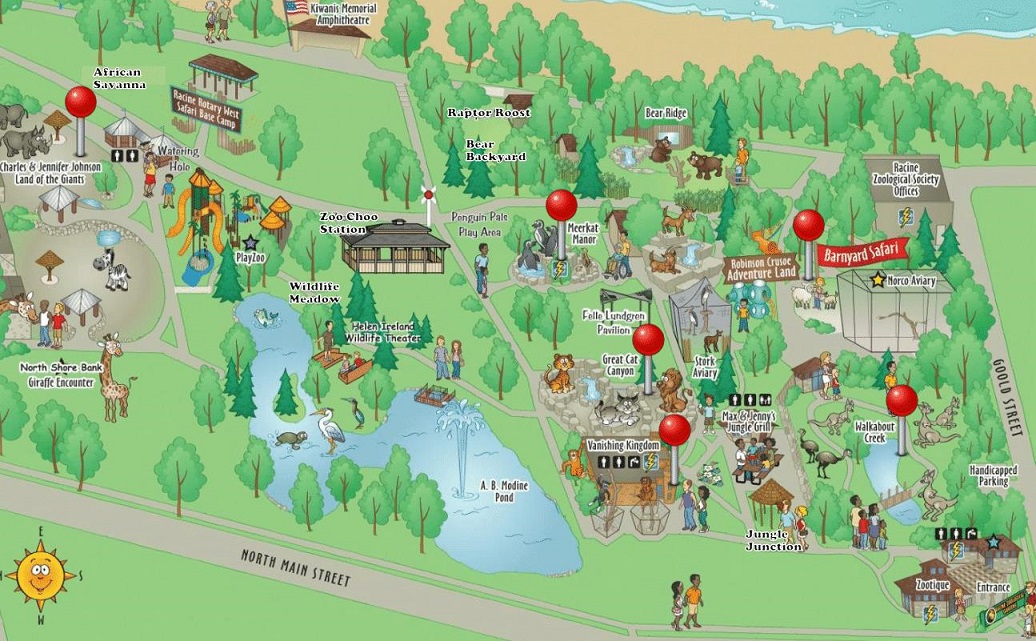
These maps do not at all help when navigating these zoos.
These maps do not at all help when navigating these zoos.
Quite a lot of discussion in little time... more than I was expecting! I'll try to catch up some.
First, I was without decent Internet access during the time when you posted a similar thread @Echobeast, so I did miss that convo. Thanks for linking it, I've read some of it and will do more tomorrow when I have time. Hopefully you don't mind a second exchange on the topic here!
I would agree that SDZ and Bronx's maps are polar opposites of each other. I think Bronx's is easier to digest and read, but @Echobeast's point about ambiguous silhouettes is valid and something I had considered while preparing this thread. I'm still not of one mind on what the best way to identify animals on a map is, but these are certainly two methods of doing so.
@CGSwans' point about the scaling issues with Bronx is valid as well; I've found this to be common of large, spread-out zoos in general. Maybe it has to do with being able to fit everything on the map and maximize space?
I'm not a fan of Atlanta or Jacksonville's maps, but my feelings are not quite as strong about them. They are aesthetically unpleasing, but in terms of functionality they're decent.
Something that I like and which is not present in any of these maps are exhibit boundaries. Part of me just likes being able to compare exhibit sizes easily, but I also find it useful to know exactly where each enclosure is located, as then you know how many things there actually is to see there and where all of the viewing areas are located. I think it also looks more professional. The Saint Louis Zoo does a pretty good job of that:

Source: https://www.stlzoo.org/files/3215/2001/7960/Spring_2018_Map.jpg
I really like this map personally. The color coding is helpful, the silhouettes are easy to distinguish, individual enclosures are shown really well, paths and amenities are very easy to identify, and from experience I know that it is accurately scaled. It's utilitarian like the Bronx map, but much more colorful and detail-oriented.
I was actually just thinking how much I hate the St. Louis Zoo map.And as a fun comparison, this is the Saint Louis Zoo map in 1968, exactly 50 years ago!
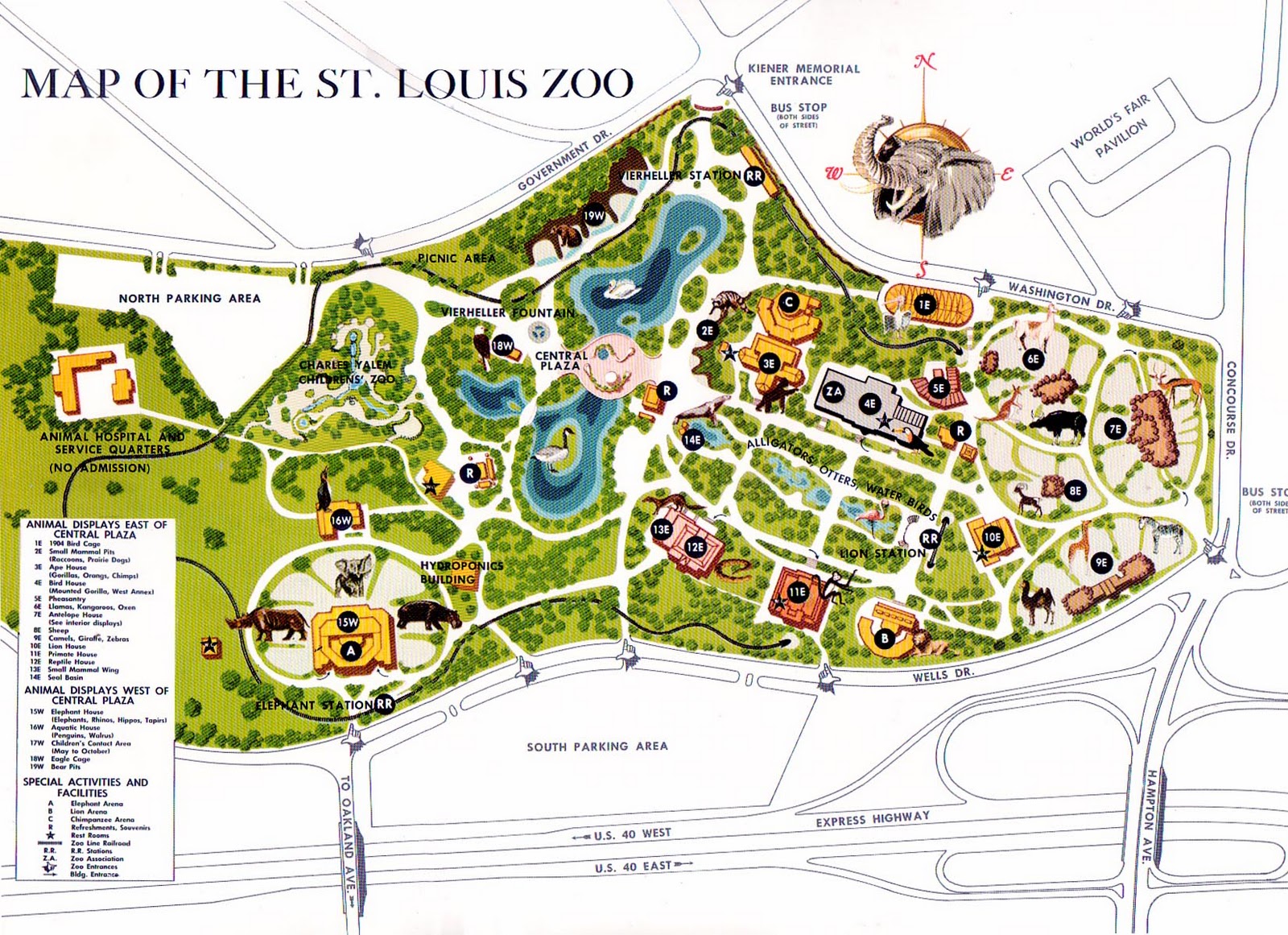
Source: http://3.bp.blogspot.com/_ja0u9vcxkW0/TNYHnu5kS3I/AAAAAAAAVKE/LwJegWTDZVg/s1600/STL+ZOOmap.jpg
The graininess makes it hard to look at for a long time, but otherwise I think this was a pretty good map too.


Here are a couple maps that I hate:


What is the second collection?
I think that for the purposes of clarity it is essential that - at the very least - the name of the collection is provided for each map
I was actually just thinking how much I hate the St. Louis Zoo map.
The problem I have with it is that, looking at the silhouettes, it can be difficult to tell what animals are where.
It is the Brookfield Zoo, and agreed (although in this particular case the name of the collection is on the map).
I was asking about this one:

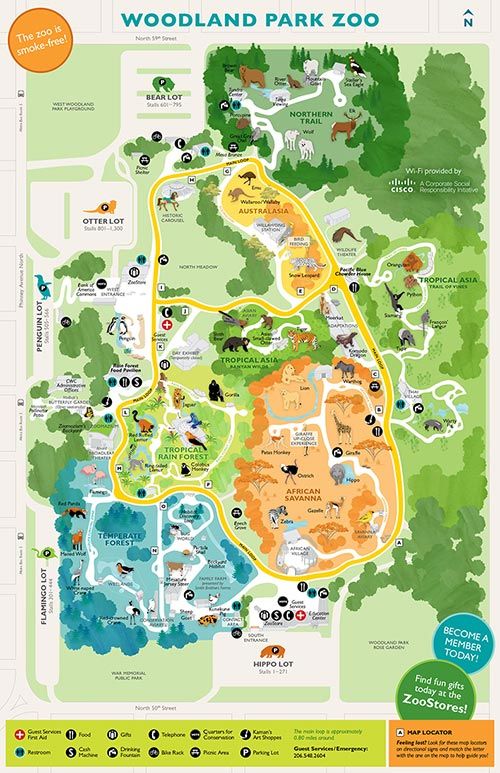
You're looking at the wrong post


Any tips on a route when visiting Colchester? When I visit for the first time in the summer, I don't want to end up walking around and around and exhausting myself.
Not enough silhouettes. Especially in Red Rocks. You can see a lot of enclosures with no silhouettes to mark them.How? The silhouettes are placed directly over the enclosures that those animals are in. Is it that the silhouettes are hard to distinguish, or that not every species and enclosure has one?
I'm not really a fan of Brookfield's map, as to me it is lacking in exact detail. The scaling is also off (not surprising, as Brookfield is 200+ acres as well) and I don't think it's aesthetically pleasing either.
The Milwaukee map is hard to view on my phone, so I'll have to wait till my laptop is booted up to comment.
Not enough silhouettes. Especially in Red Rocks. You can see a lot of enclosures with no silhouettes to mark them.