DAY 5. 18-04-2024.
ZOO AUGSBURG
PART 1
Zoo Augsburg was not necessarily a zoo that was high on my wishlist, but since it is a very convienient day trip from München, where I was staying a few days, it would have been a missed opportunity not to include this zoo in my itenerary.
The day didn’t start out great; there were problems with the usually very reliable U-Bahn, which ment having to wait 20 minutes for the next metro and missing my connecting train to Augsburg. And of course, the next train to Augsburg had a big delay because the Deutsche Bahn is terrible.
It was almost 11 am when I arrived at the zoo, which was more than an hour later than planned.
But during the rest of the day, luck was once more on my side as the heavy rains that were predicted didn’t come until 5 pm, just when I left the zoo.
Zoo Augsburg is not as famous or popular as some other German zoos, but that doesn’t mean it’s not worth a visit. I deliberately didn’t look up too much about this zoo, although I did study the map beforehand and did look up the species list at Zootierliste. There was one species in particular I really wanted to see; the pink-headed fruit dove. I’d never seen species before due to fascinating streak of near-misses; In the last few years, different European zoos (Stuttgart, Walsrode and Plzen) added this species to collection áfter I visited them.
Zoo Augsburg only has a single entrance, so I made my way to the modest main entrance.
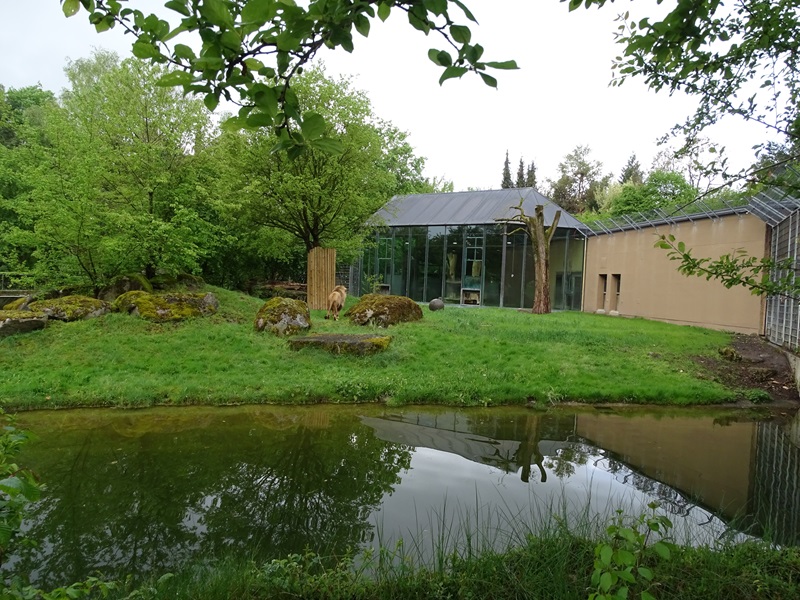
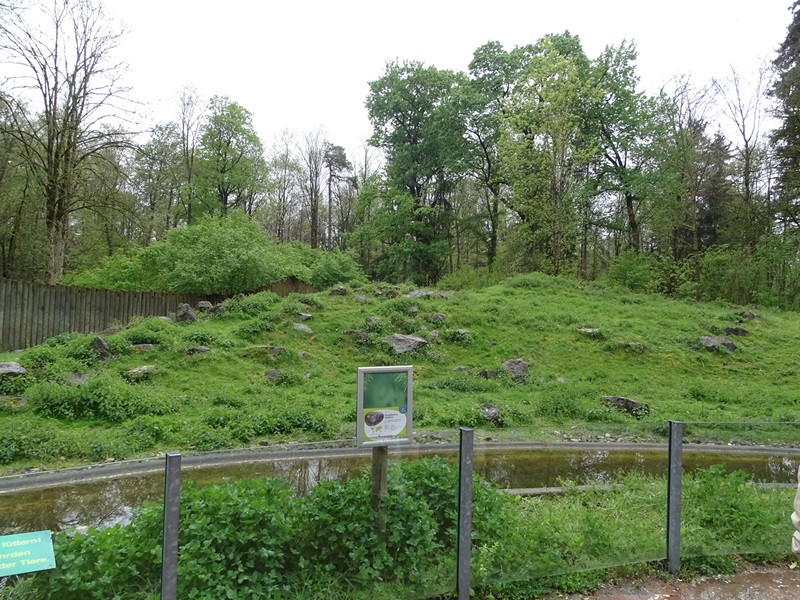
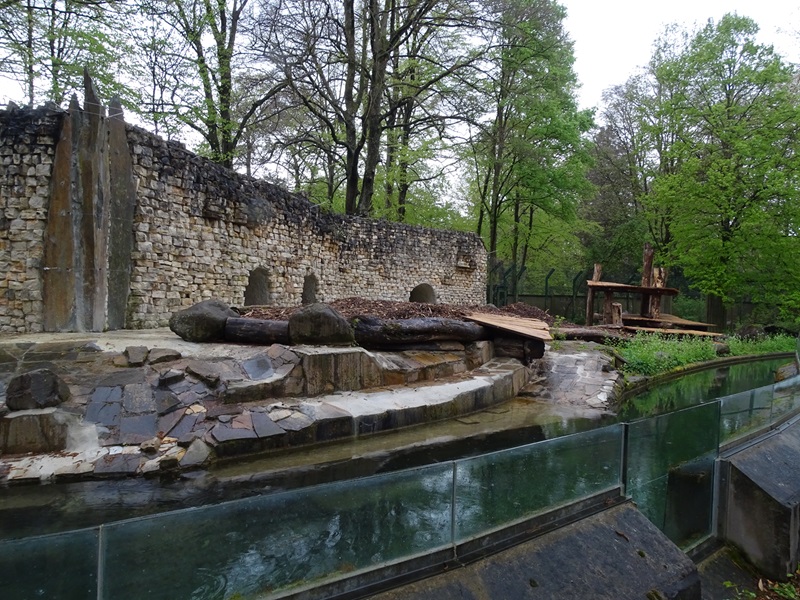
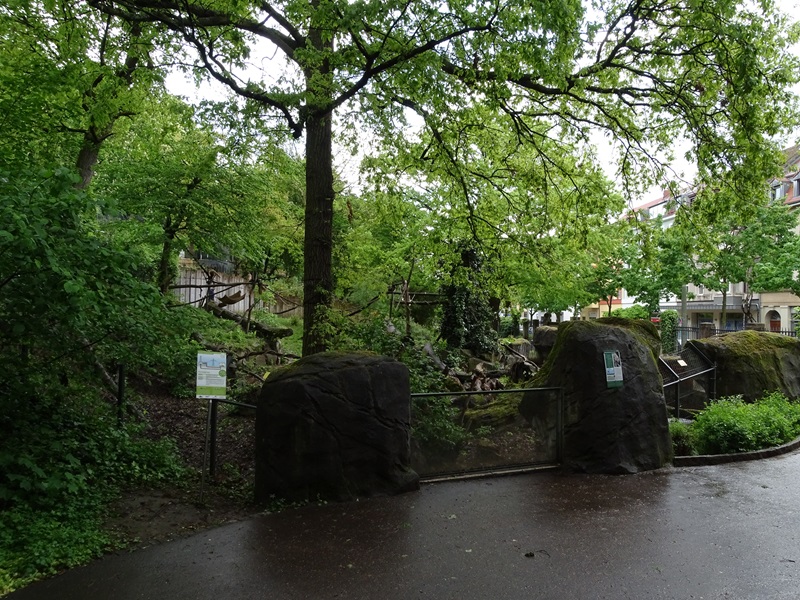
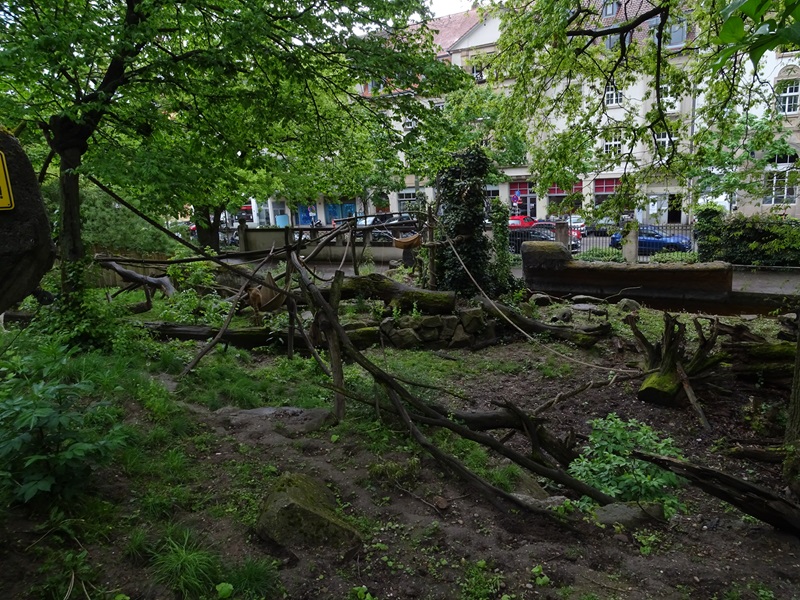
Immediately after going through, you’ll find the enclosure for lions, which is an open enclosure surrounded by a moat. This was my 5th lion enclosure of the trip, and this must have been the smallest of them all so far. It’s green with some low trees and mossy rocks, but not just lacks in space but in climbing and enrichment as well. Not the worst lion enclosure, but defenitely not great. The zoo might also be aware this enclosure isn’t suited to house a pride of lions, and that might be why it is now home to two males, which were both new arrivals to the zoo.
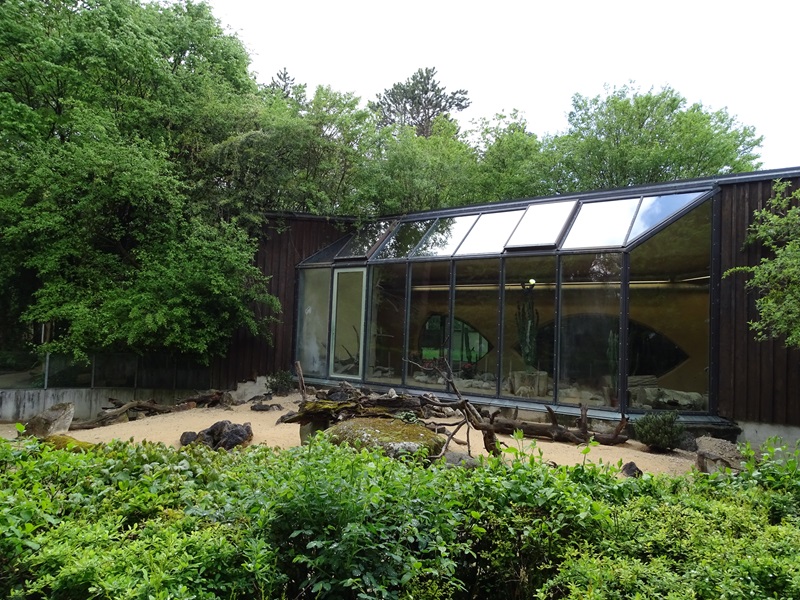
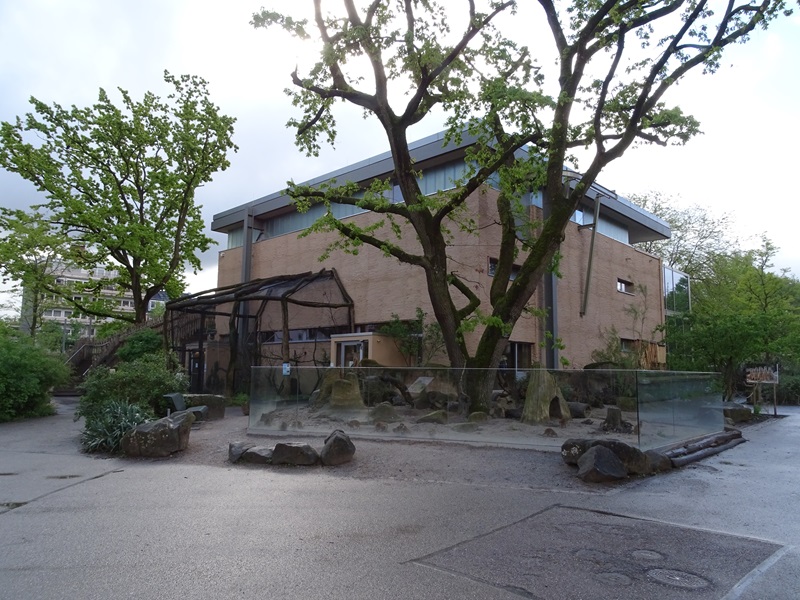
The lion enclosure is part of the Lion House, the first of this zoos’ animal houses. You can walk around this building and its outdoor enclosures, and I decided to do so clockwise. The next enclosure I came across is the outdoor enclosure for fennec foxes. For such a small creature, it’s a spacious enclosure, with lots of sand as well as some rocks and logs.
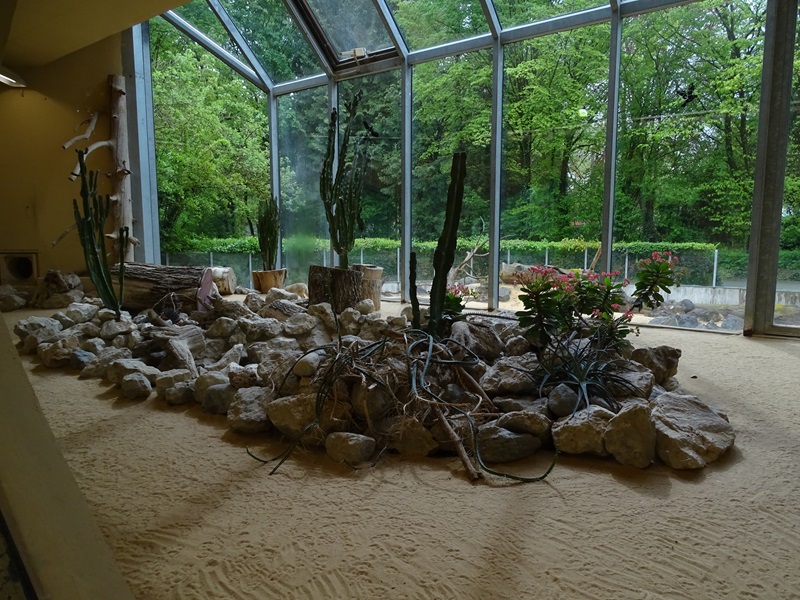
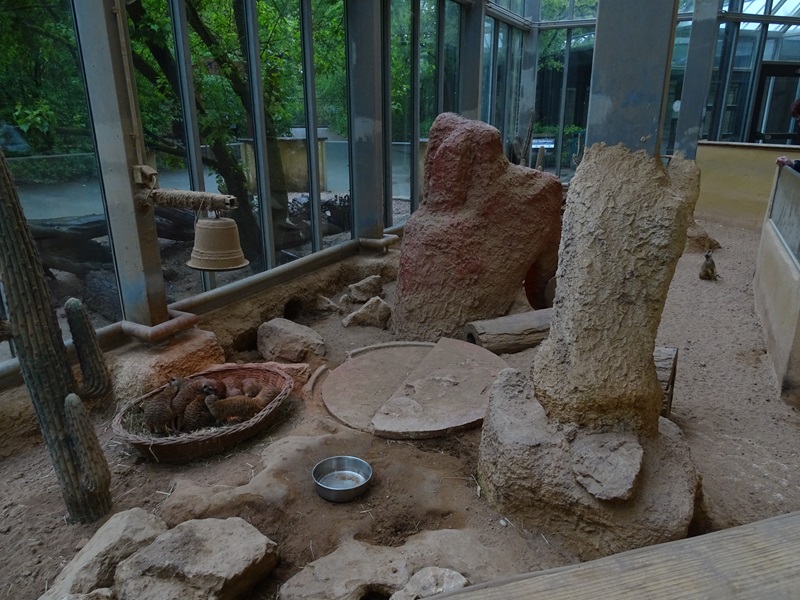
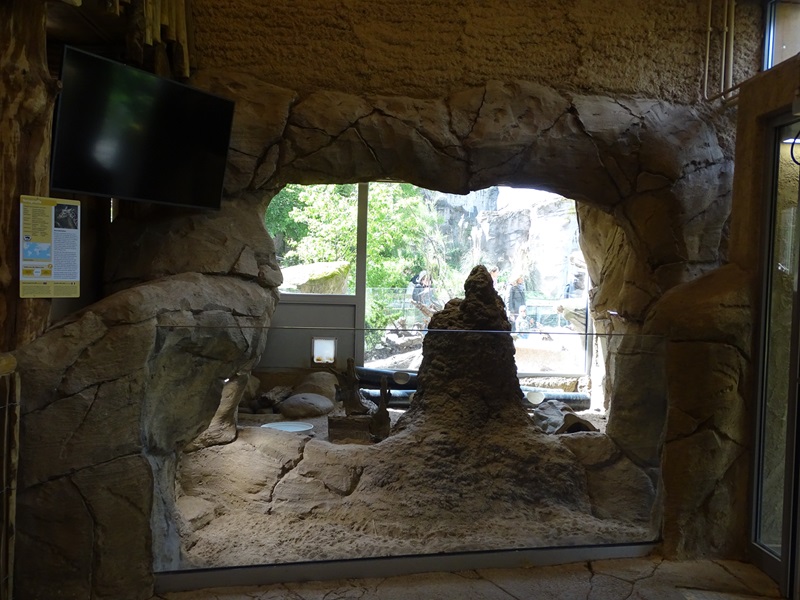
The indoor enclosure for the fennec foxes can be also be seen from outside, through large windows behind the outdoor enclosure, and since I could see a fennec walking here, I entered the Lion House to get a better look. The indoor enclosure for the fennec fox is spacious as well, withs piles of rocks and a few cacti to make sure people know this is a desert species! I only saw a single fennec throughout the day, but it did have access to an off-show part of the enclosure so it’s possible there are more than 1.
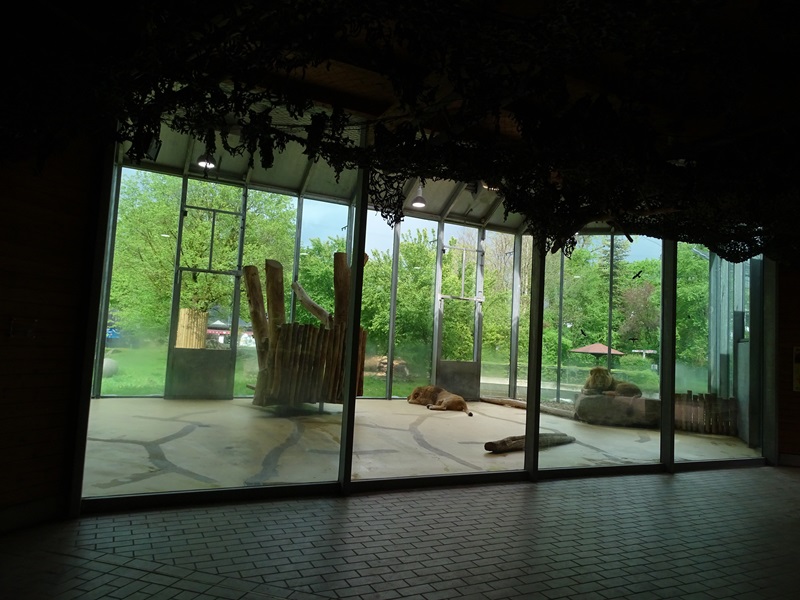
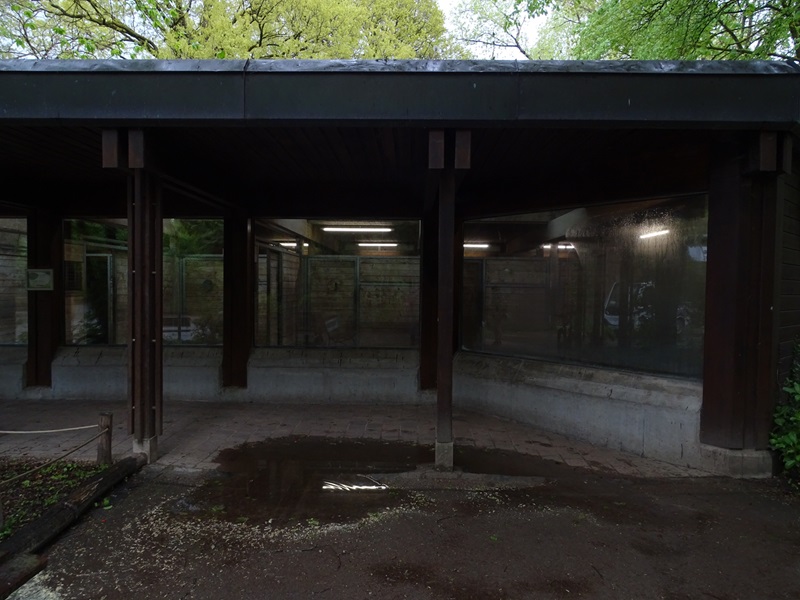
Also inside this building is the lion indoor enclosure; however restrictive tape prevented people from getting to close to it as the lions were new and still getting used to their surroundings. This indoor enclosure is surrounded by glass on almost all sides (must get hot during sunny summer days) and there’s no secondary barrier between them and the visitors, which will means lots of glass-knocking once the tape is removed. The indoor enclosure only has hard surface and doesn’t offer the lion much beside one rock to lay on and some poles for scratching.
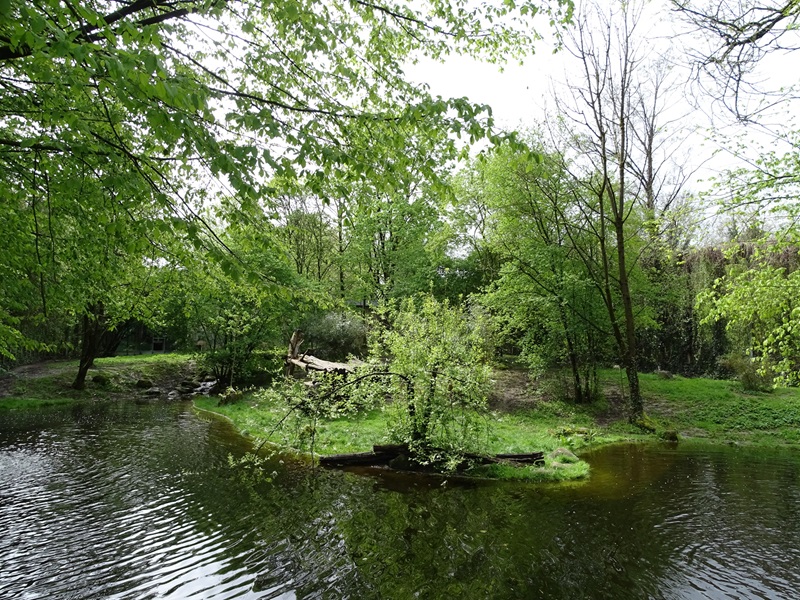
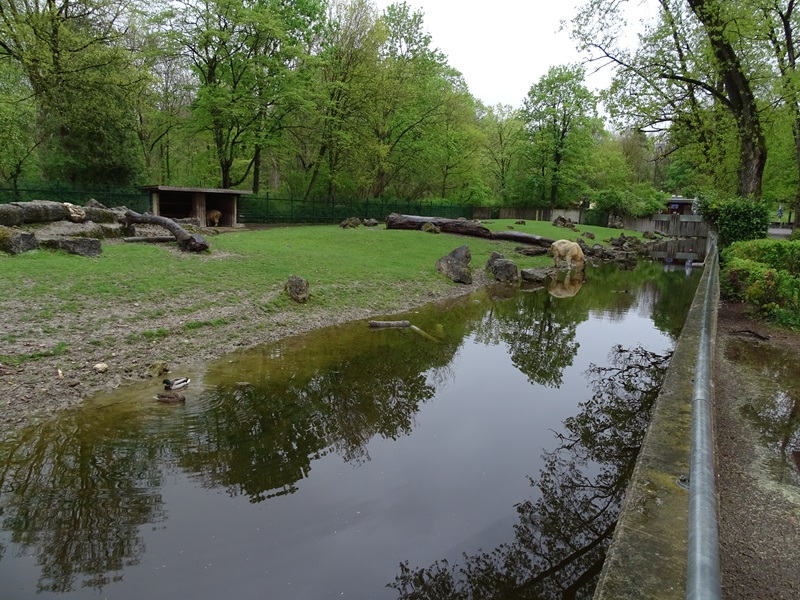
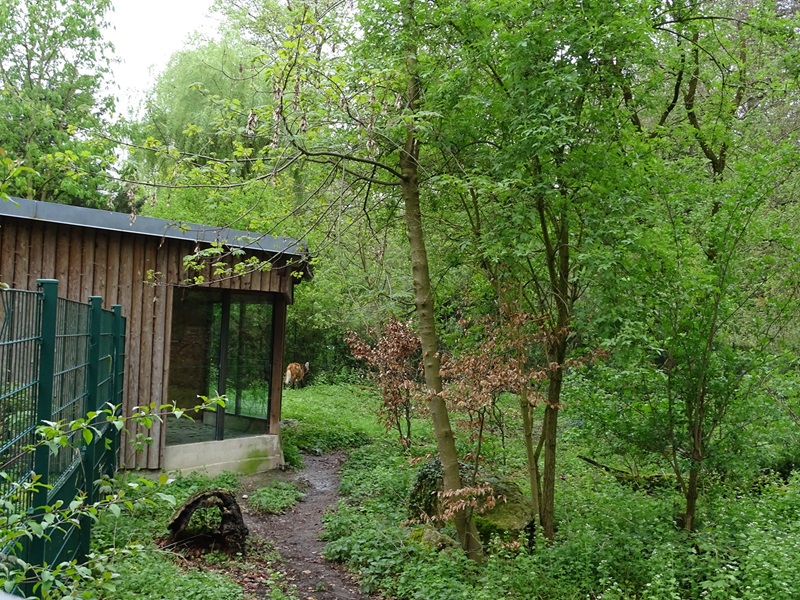
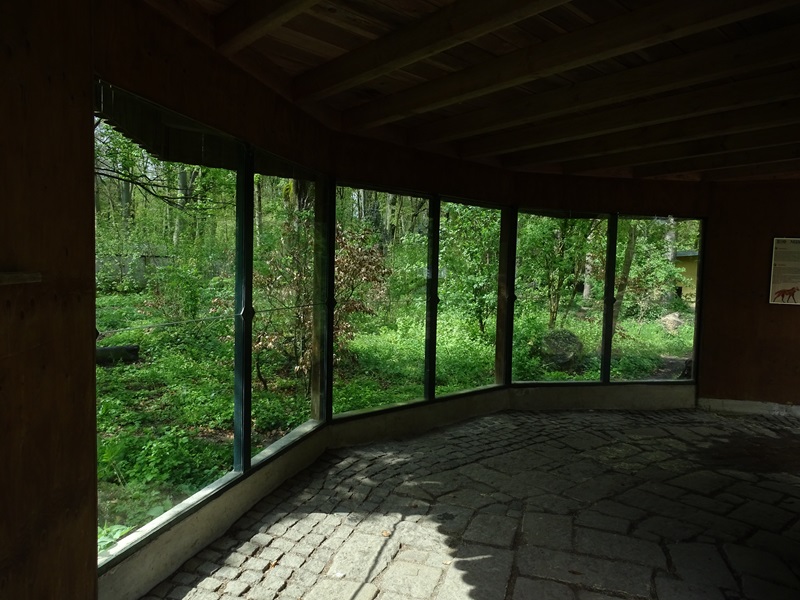
The third and final indoor enclosure in the Lion House is for a species that I will never get bored of seeing: the striped hyena. Like with the foxes and the lions, the hyena indoor and outdoor enclosures are seperated by large glass windows as well, meaning you can view the outdoor enclosure from inside the building, and vice versa. I appreciate Zoo Augsburg has an opportunity to see their hyena indoors as viewable indoor enclosures for hyenas are quite rare. The indoor enclosure is a bit barren, but defenitely large enough and it has sand as a natural substrate. I saw the single hyena indoors when I entered the building, but she immediately went outside. The outdoor enclosure it quite large, bigger than the lion enclosure even. It’s very green as well, with multiple trees, some small bushes and a small pond. Not bad.
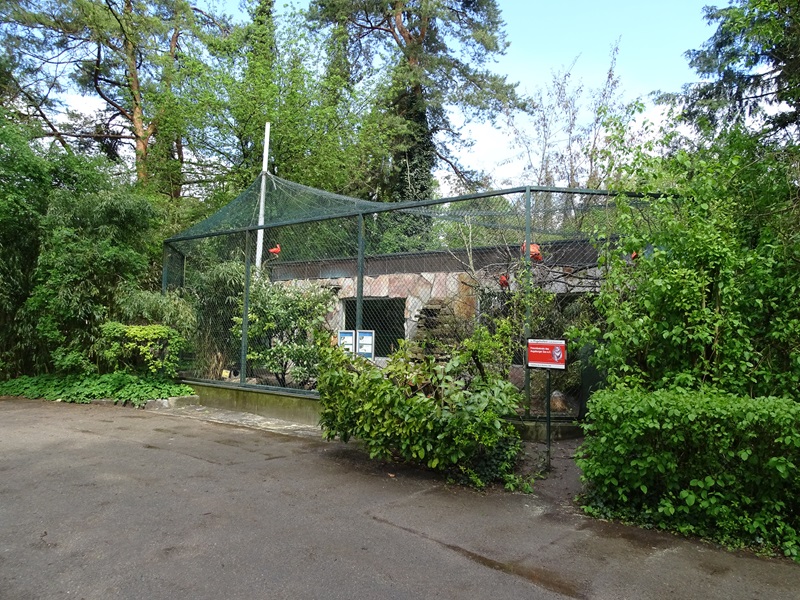
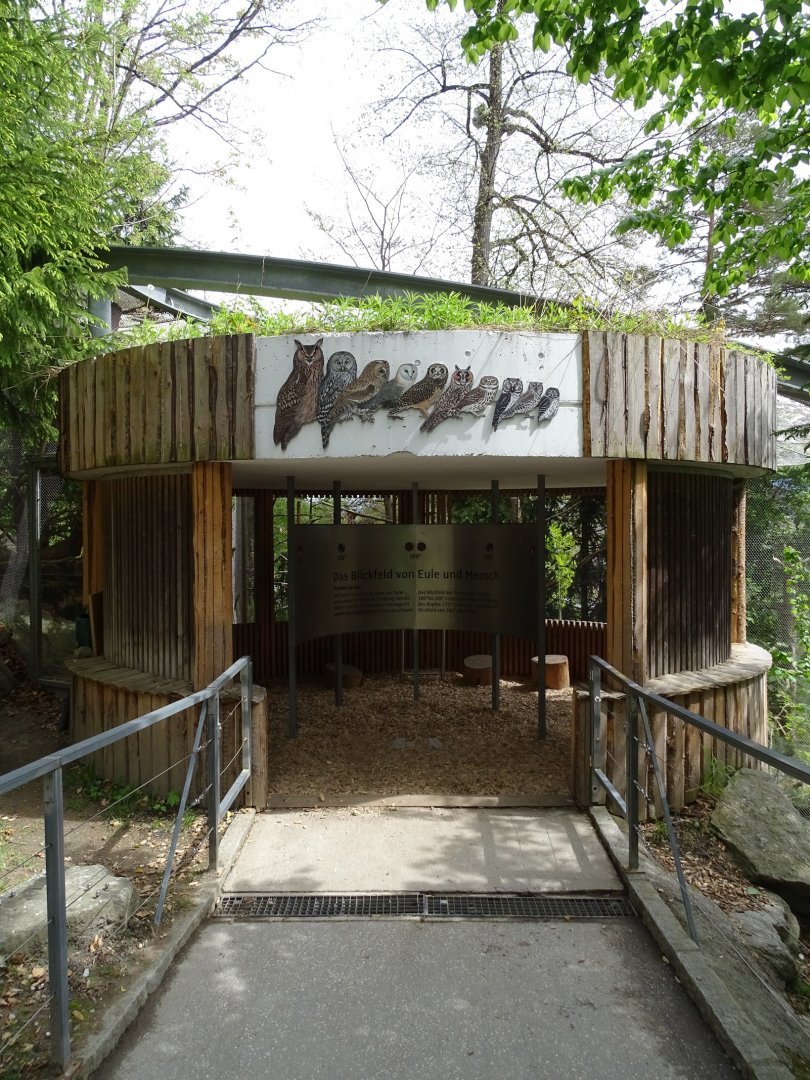
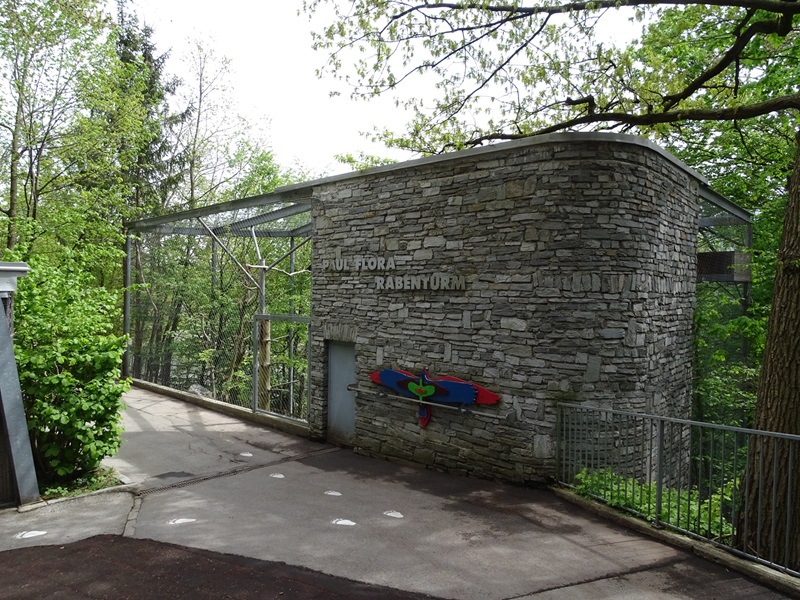
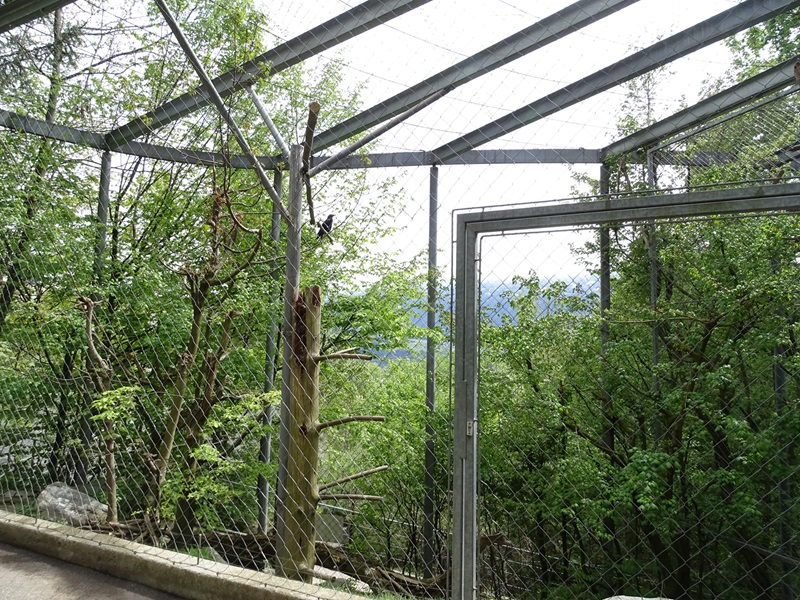
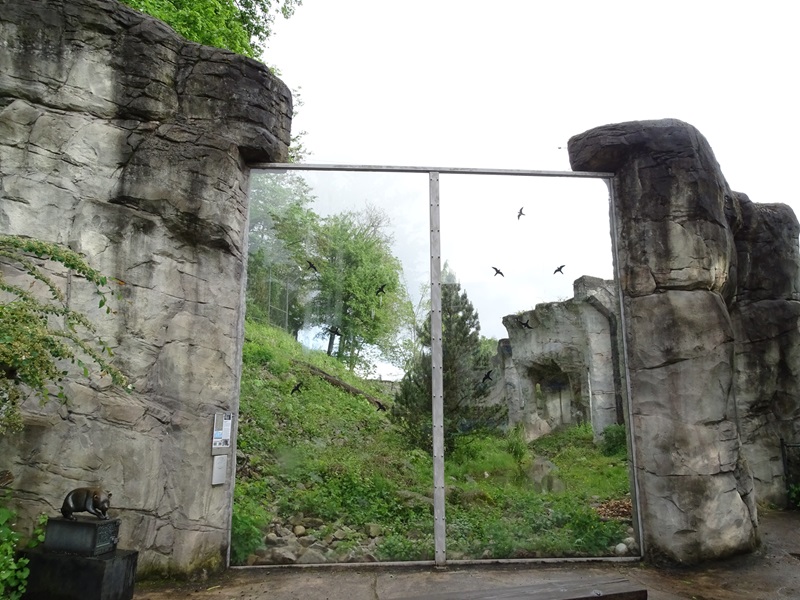
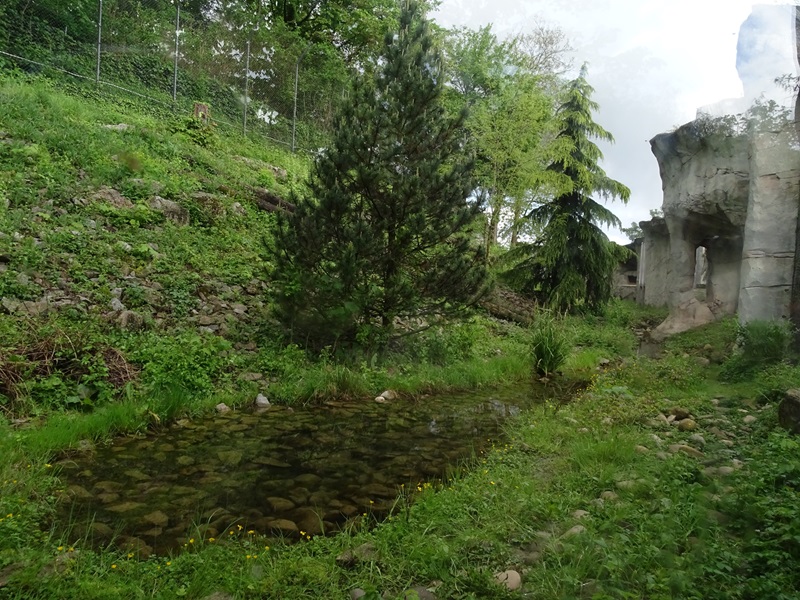
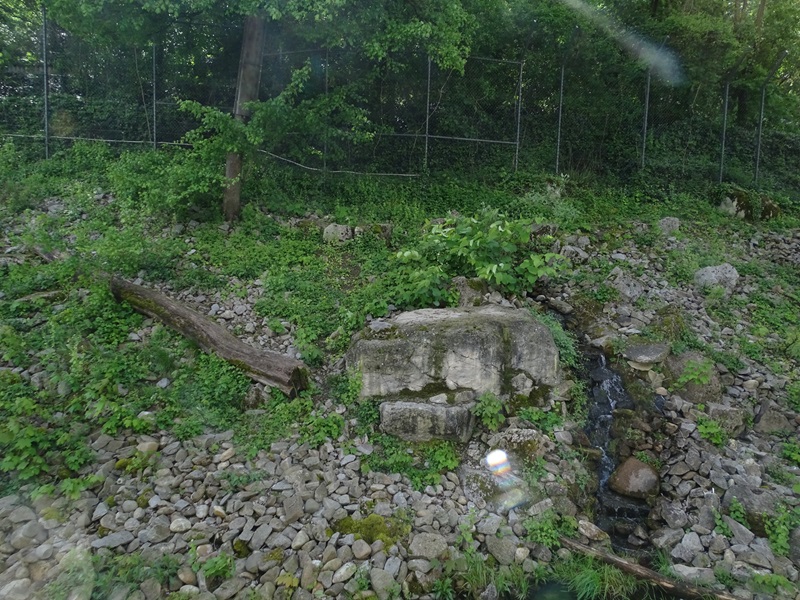
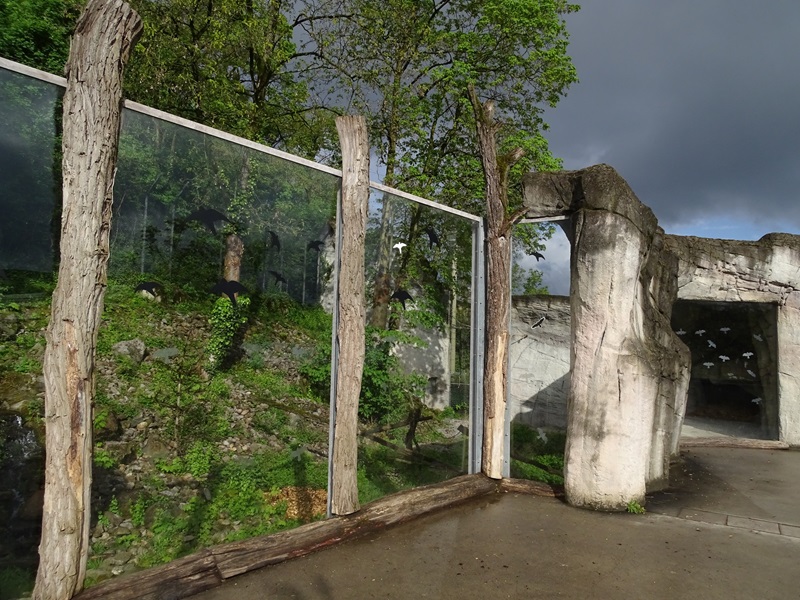
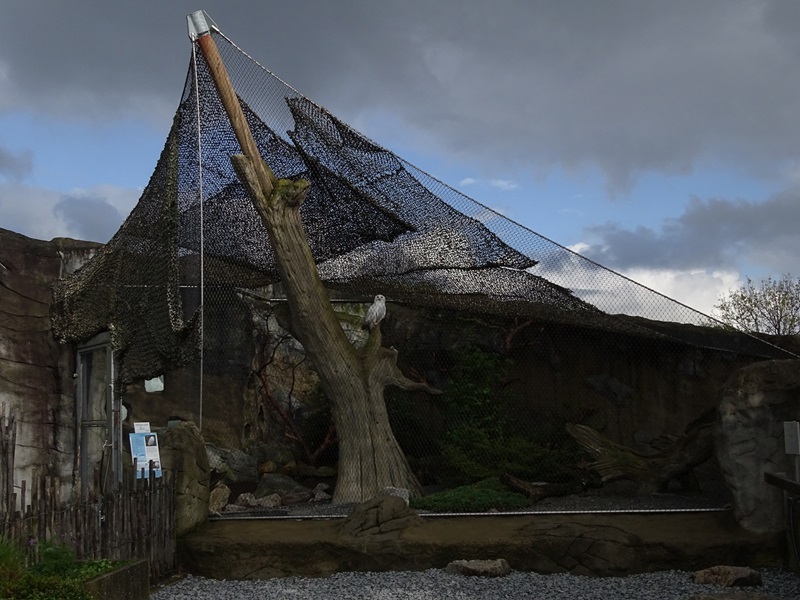
I walked around the hyena enclosure and took a look at the tiger enclosure on the other side of the paths. There were no tigers out, so I continued the loop around the Lion House. On the other side of the building was an enclosure for another catlike creature according the map. However when I came to the enclosure, it was inhabited by brown wood owls. This must have been a recent change, as the enclosure looked like it was designed for a small mammalian carnivore. (I checked out old maps, and the feline kept here was the manul)
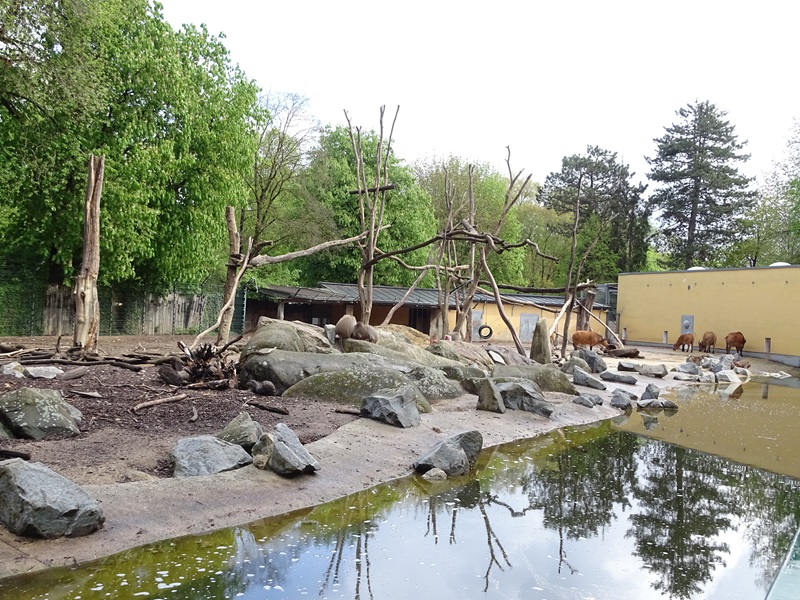
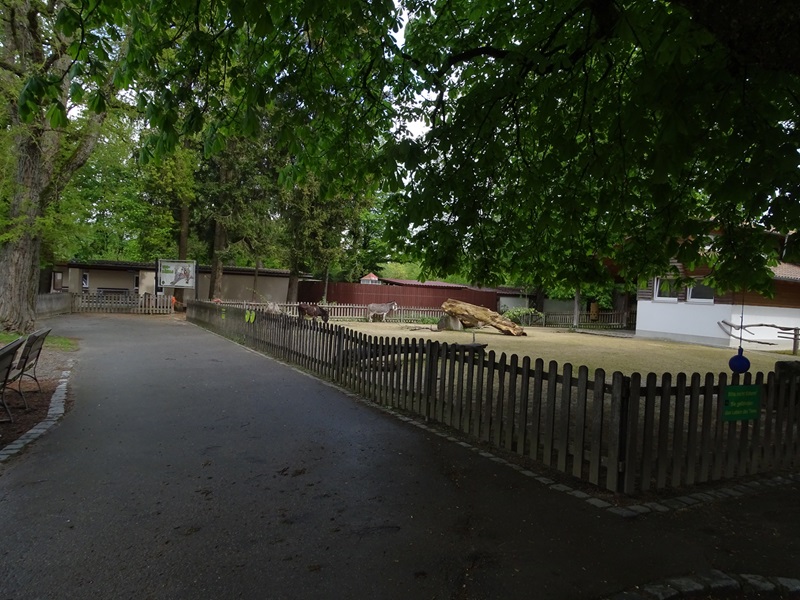
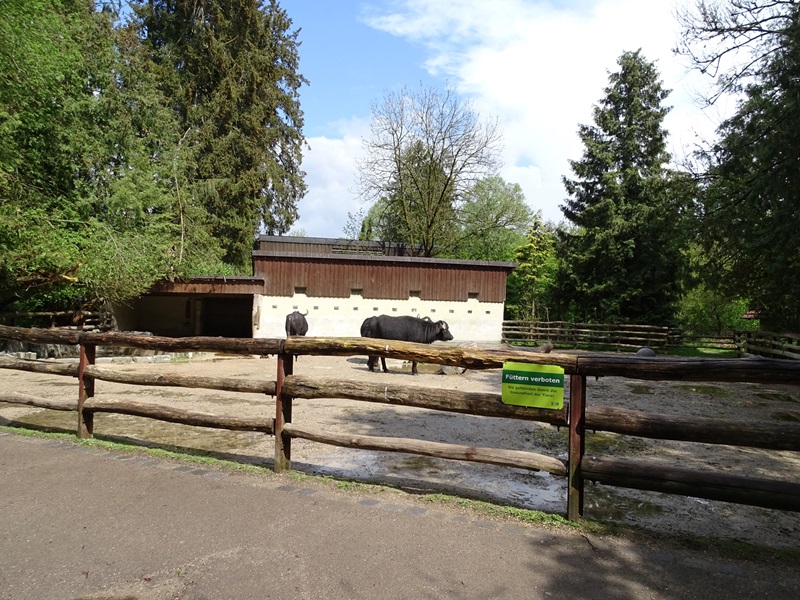
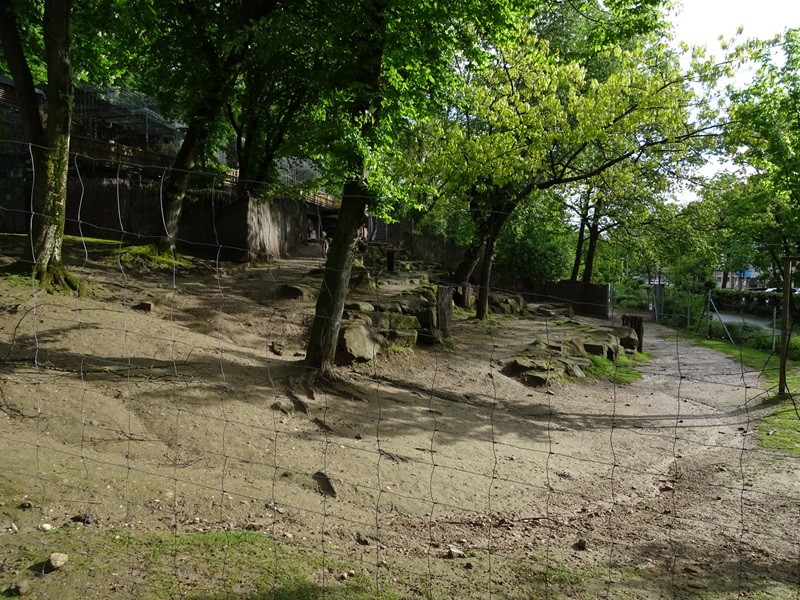
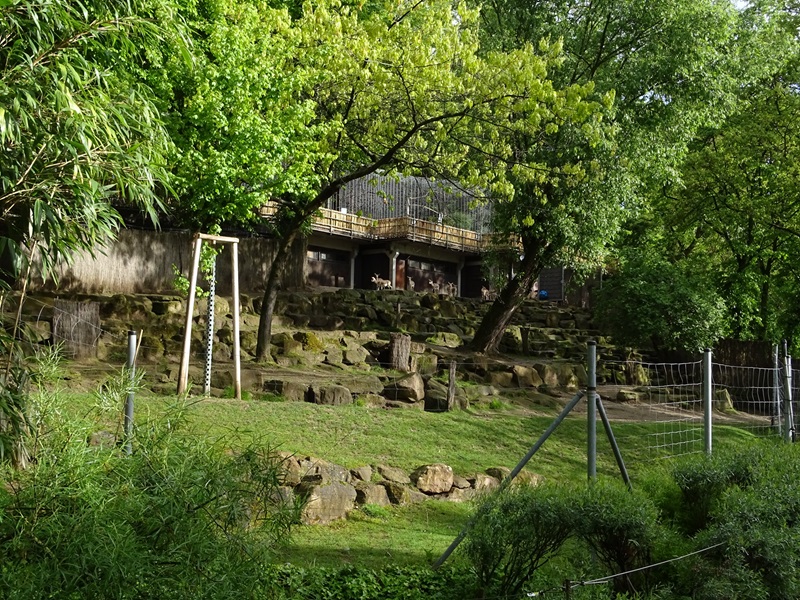
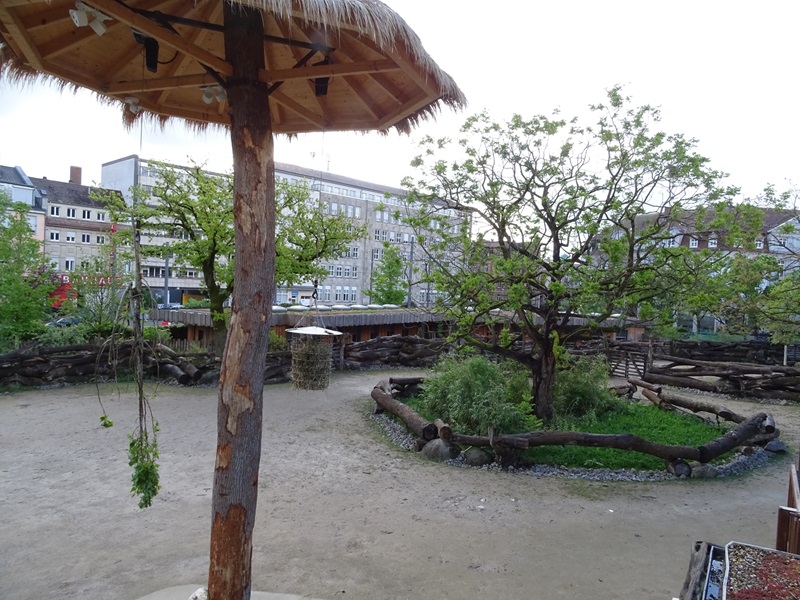
Across from the hyena and owls is a simple hoofstock paddock like I’ve seen dozens times before. In it inhabited by onagers. Another hoofstock enclosure is designed in a different way, with lots more rockwork and logs, because it is not just home to red forest buffalos, but hamadryas baboons as well. The stables for buffalos are in the back of the enclosure, but the baboon enclosure is on the right side and is viewable by the public. It’s actually located right next to the entrance to the zoo, as I had now walked the entire loop around the lion house.
I made my way back to the tiger enclosure, where there were still no tigers out (but they would finally be out at the end of the day). The tiger enclosure is similar to the lion enclosure in a lot of ways, but has a lot more greenery.
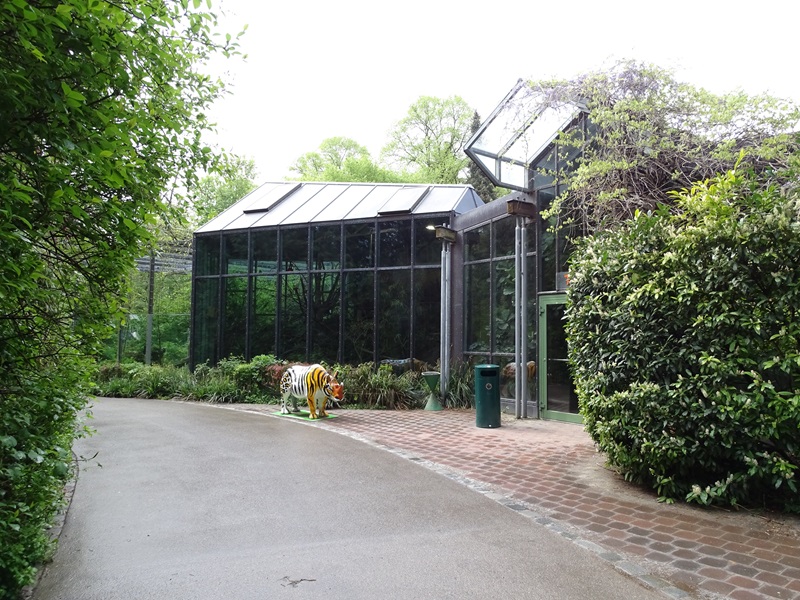
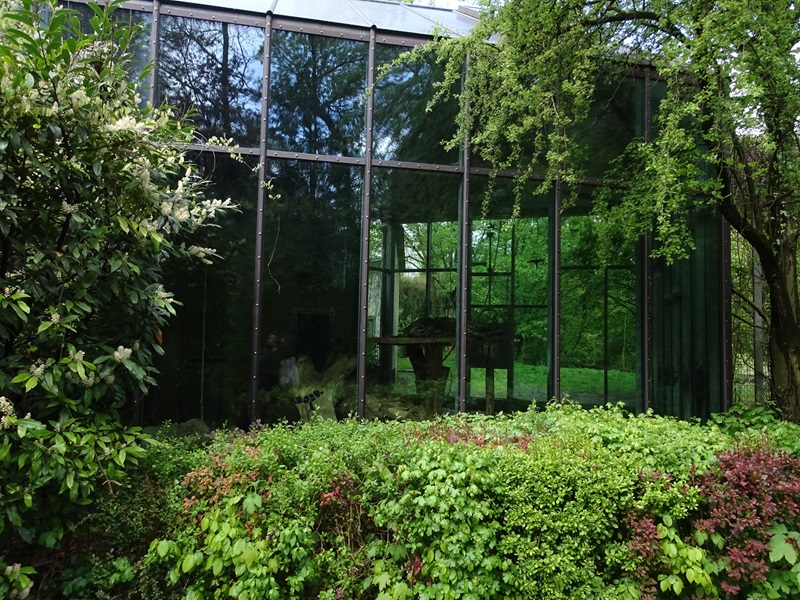
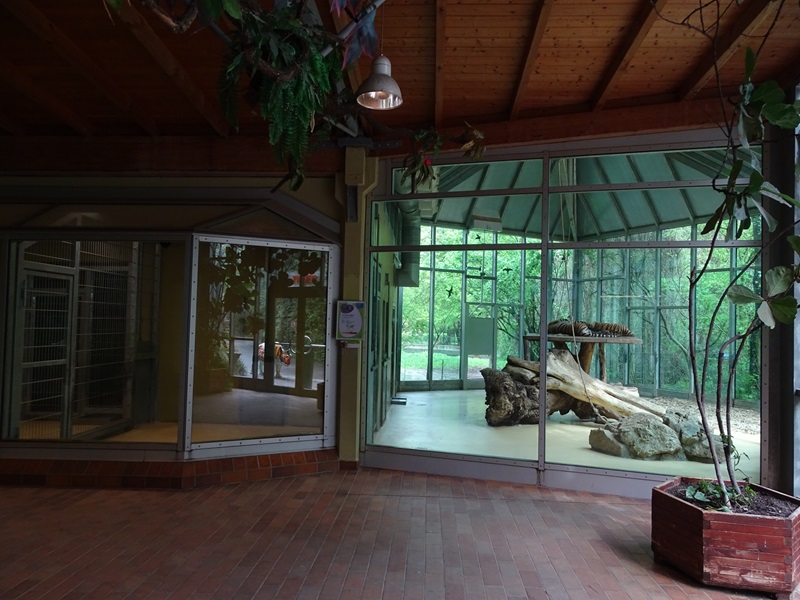
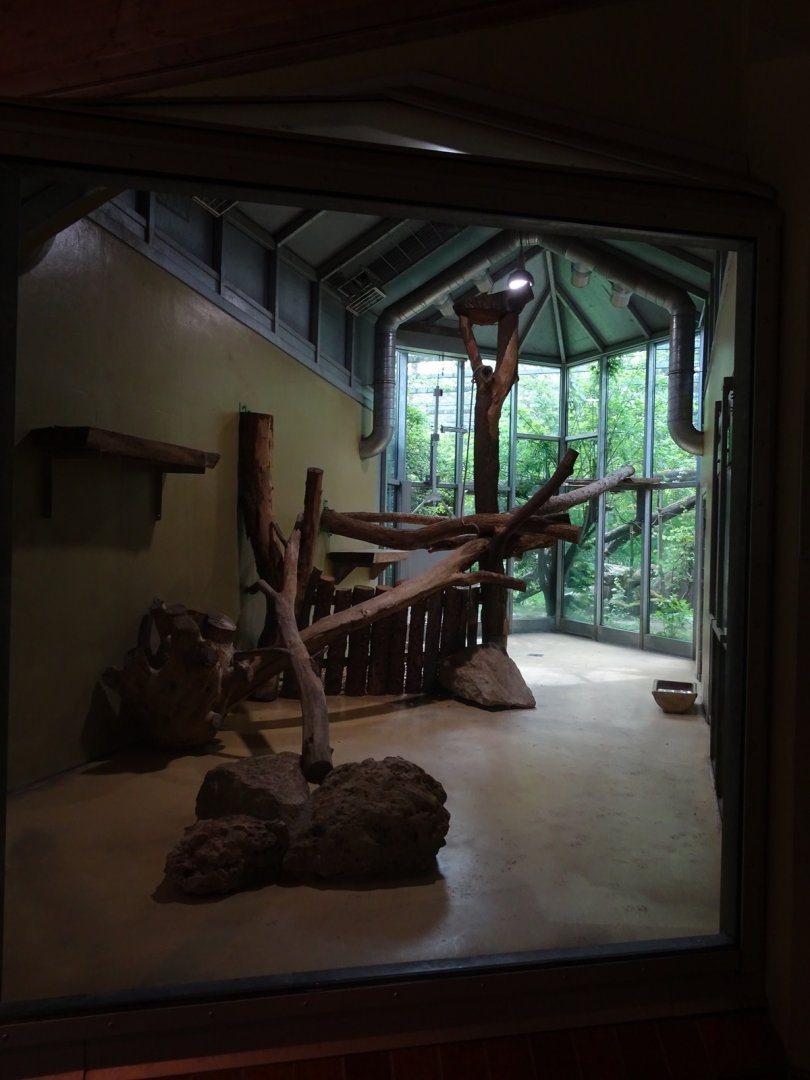
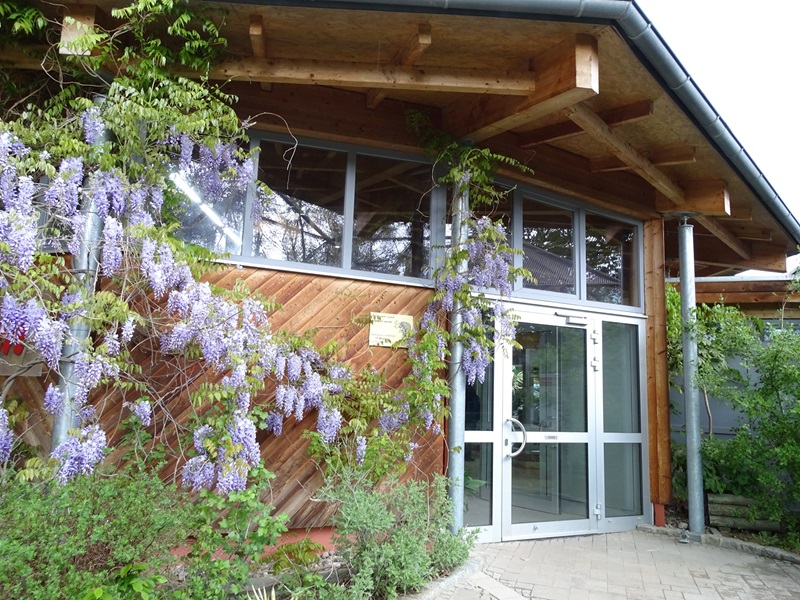
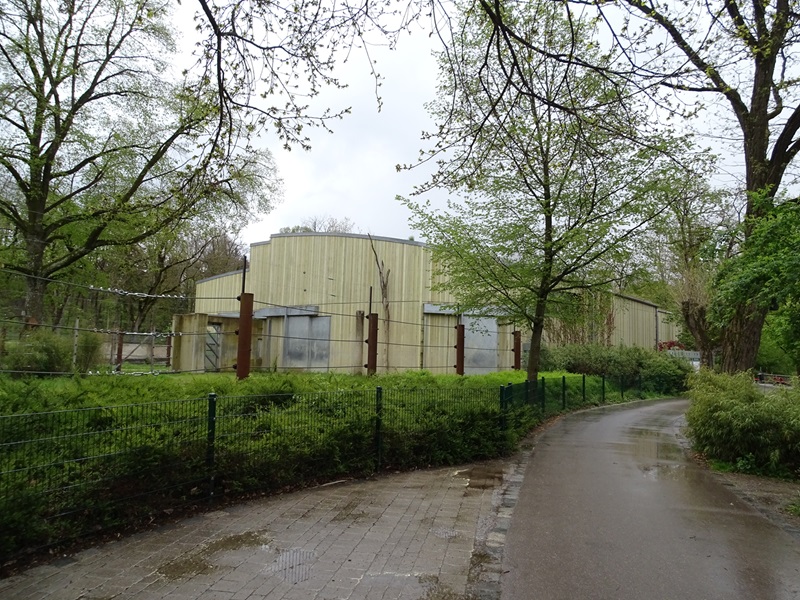
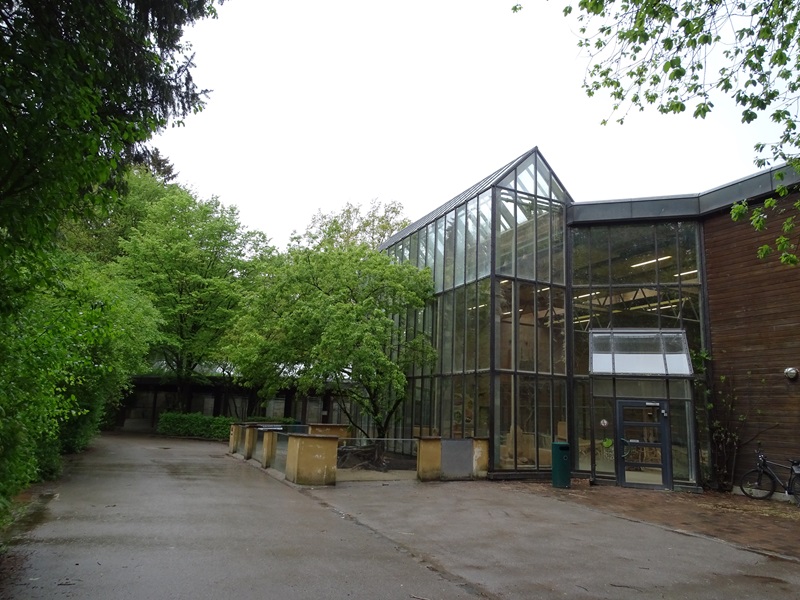
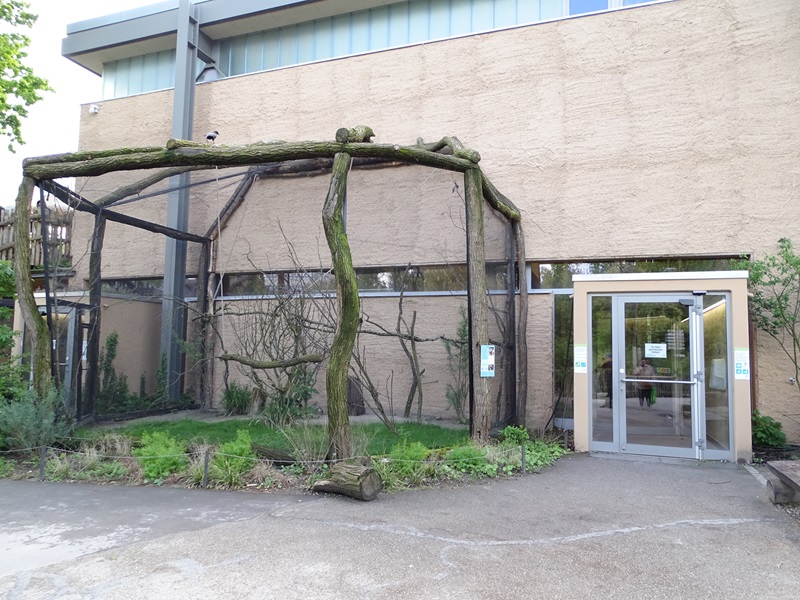
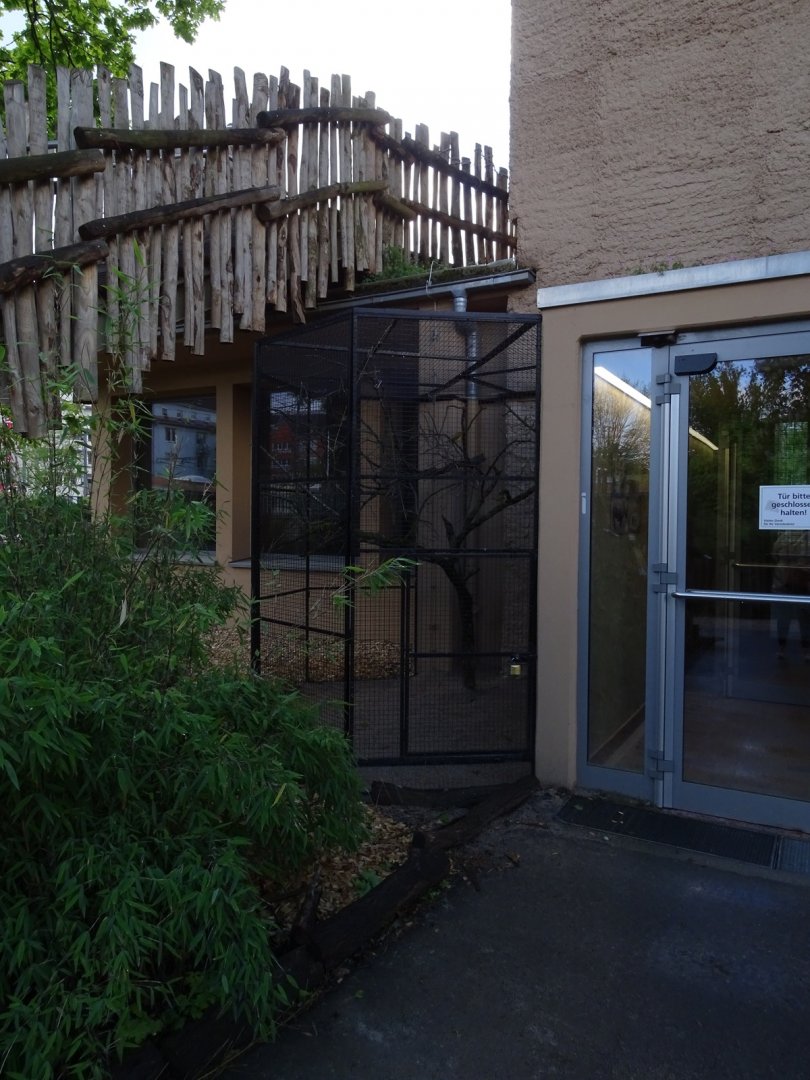
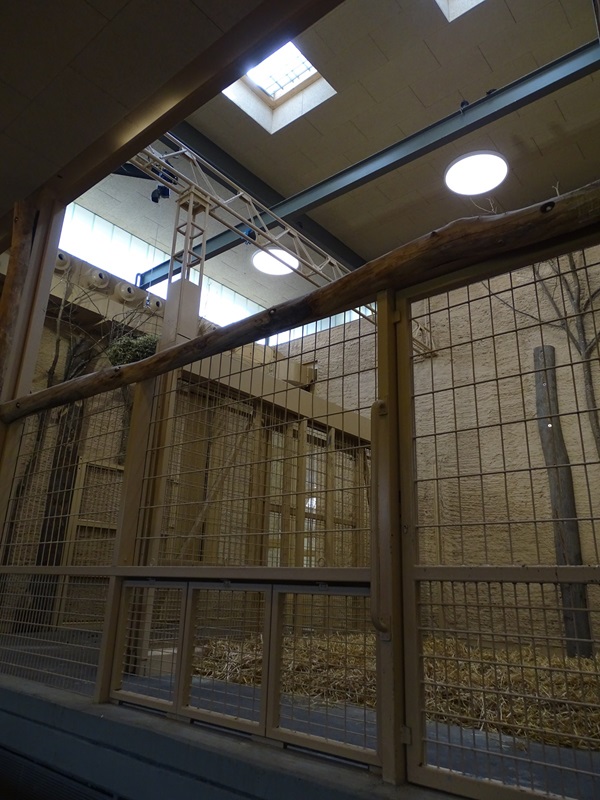
Just like the lion enclosure was part of the Lion House, here the tiger enclosure is part of the Tiger and Nocturnal House, which I was going to visit next. It is not a pretty building; the outside is mostly made up of glass windows, while the visitor area is quite barren with its brick floor. There is also no theme, concept or cohesity to be expected from the building; the enclosures and species it are complety random. First there is obviously the indoor enclosure for tigers, which is small and has a concrete floor with only a small bit of natural substate. There is a rock, a log and a platform for sleeping on, but absolutely zero privacy and no enrichment. And again, here and in the rest of the building there’s nothing stopping people for knocking on windows.
Another big cat has its indoor enclosure in this building; the Sri Lanka leopard. This one has a bit more privacy and offers a some climbing, so it is somewhat better.
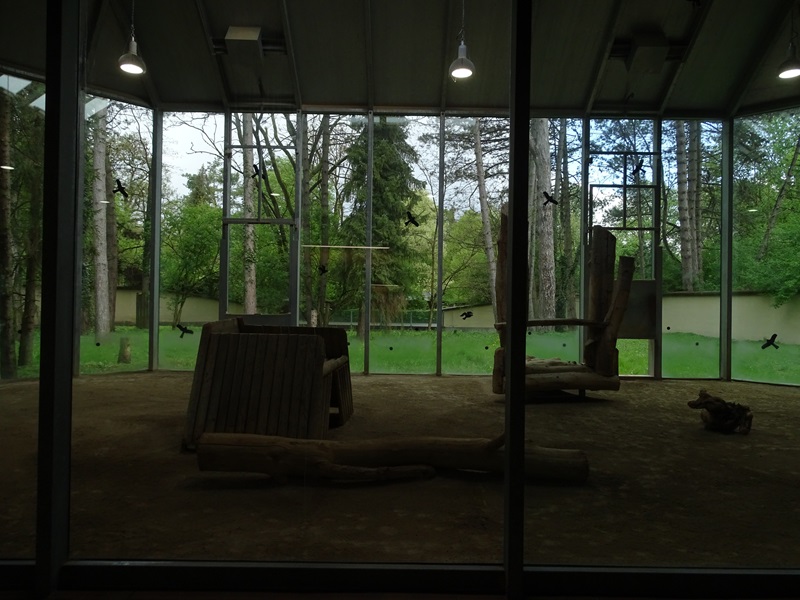
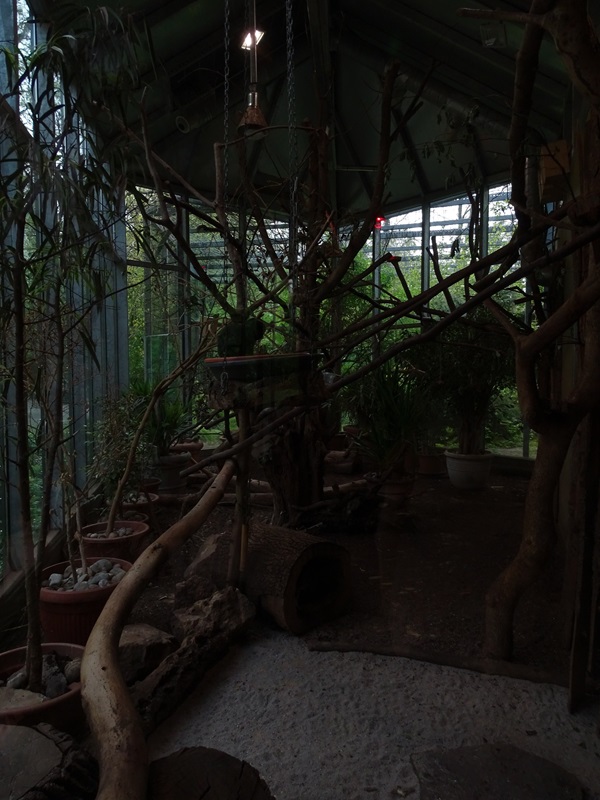
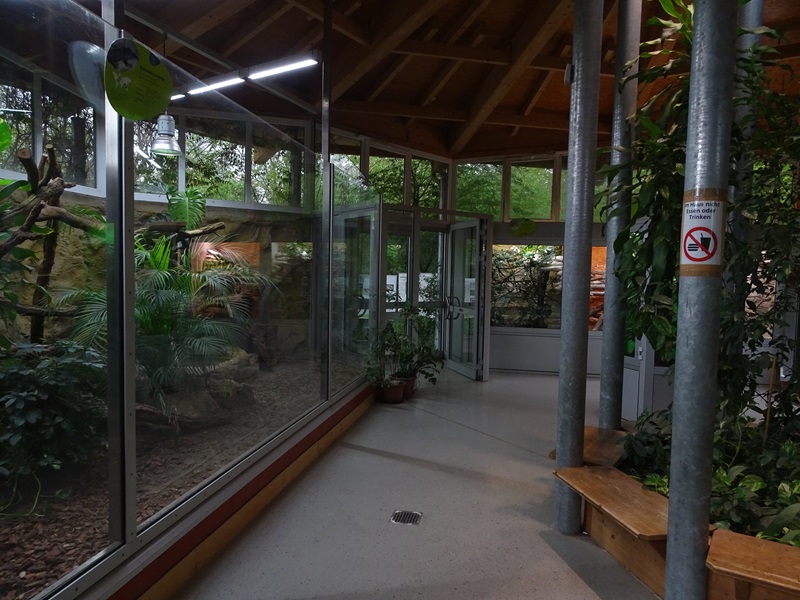
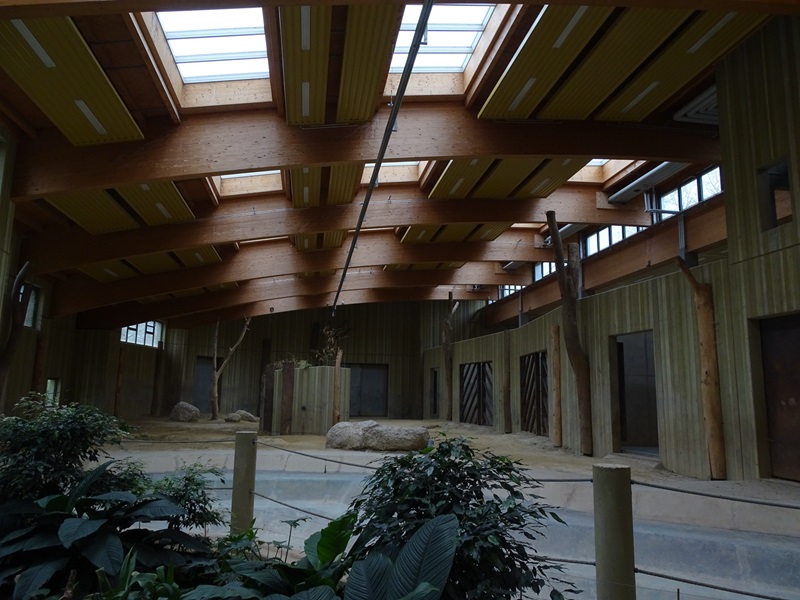
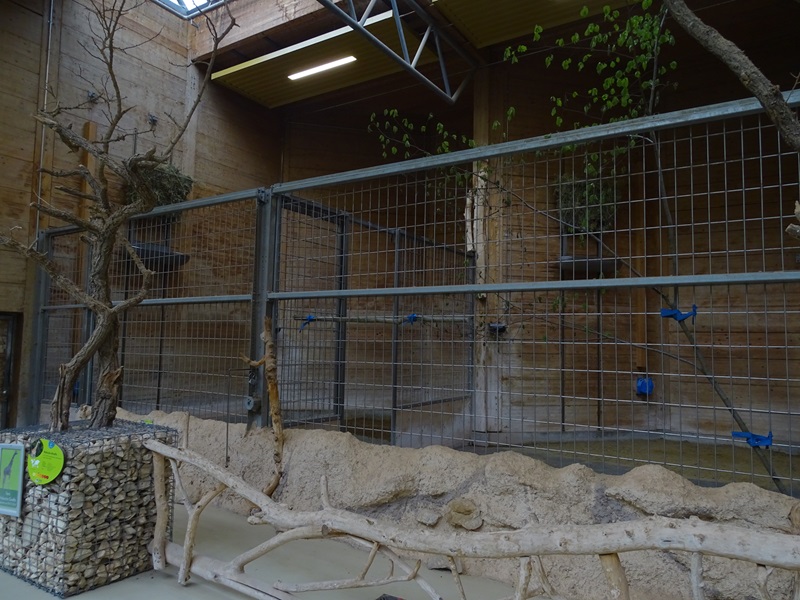
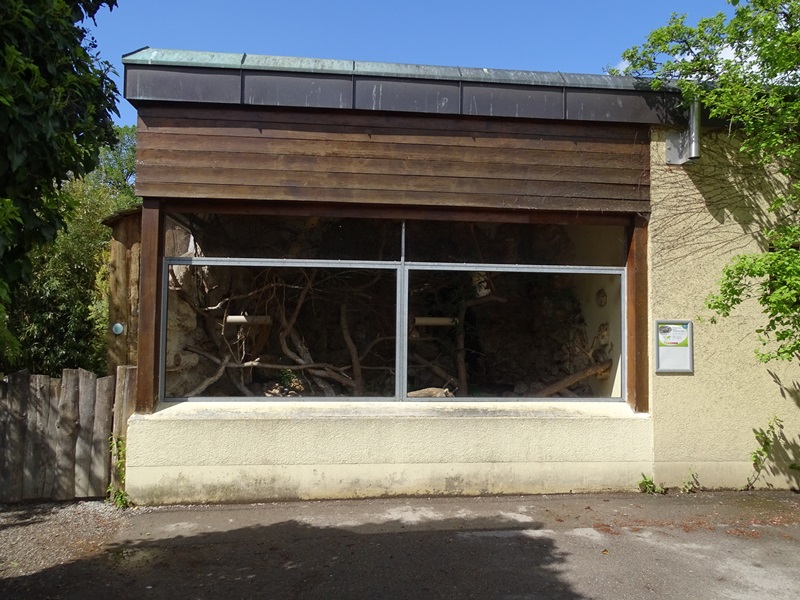
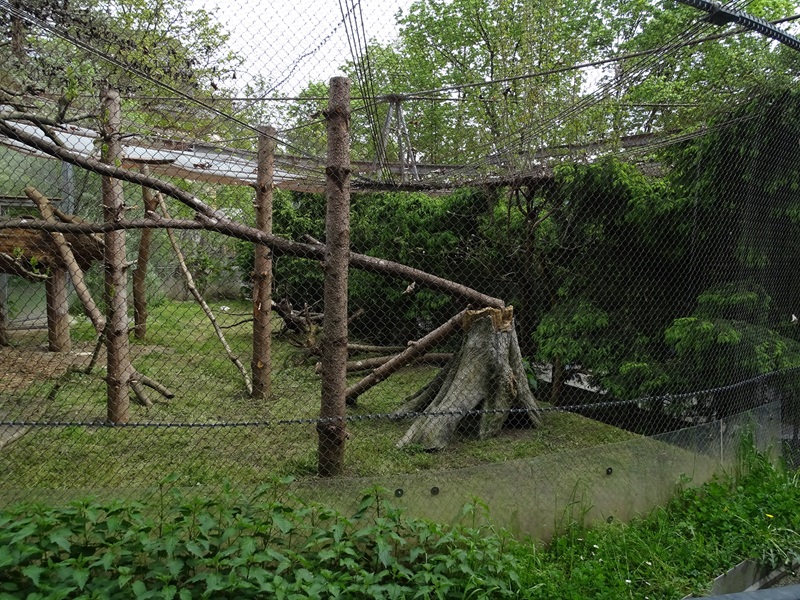
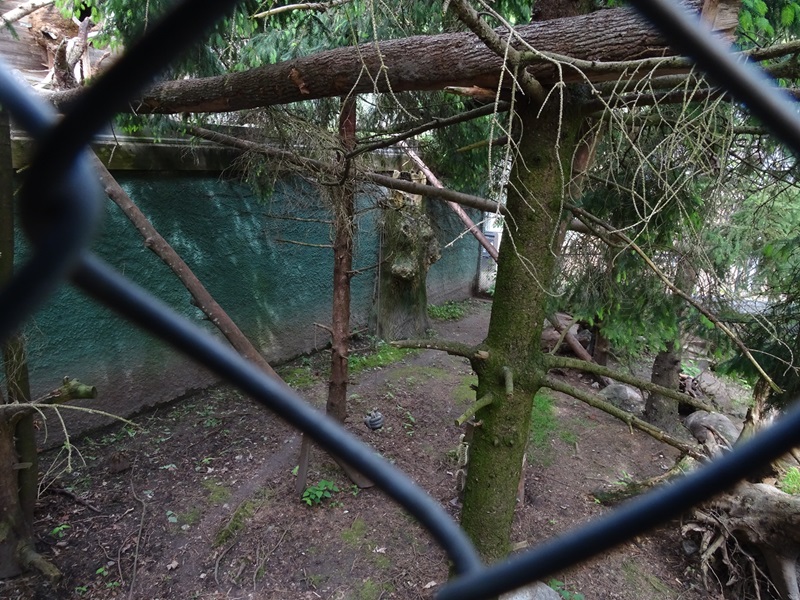
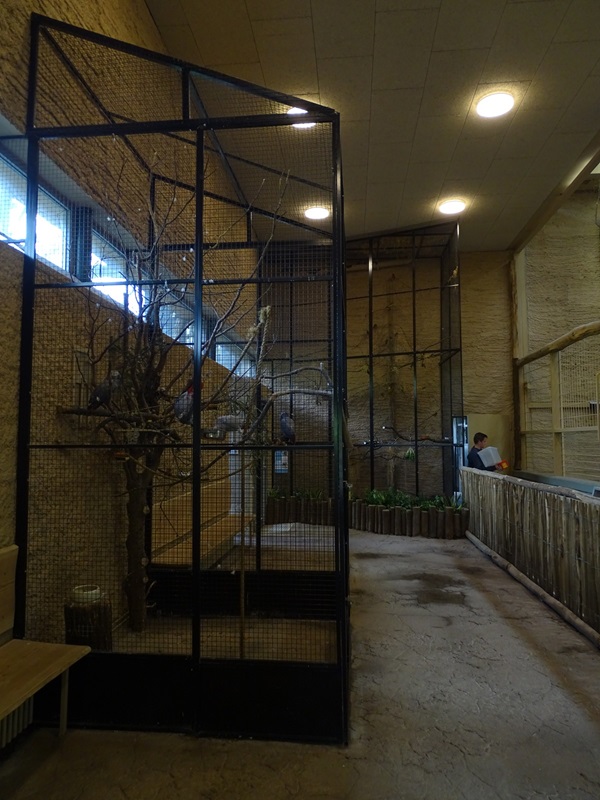
The third enclosure is an all-indoor enclosure that still gets lots of sunlight due to the glass walls. Four species call this enclosure home, and since they are all small species, this enclosure is defenitely more than adequate. It has decent ground space with natural substrate for the Azaris agouti roam around, the green-cheeked conures can spread their wings due the height of the enclosure, and the Goeldis marmosets and pygmy marmosets can use almost the entire space due to all the many opportunities for climbing. The latter 3 species can also access a smaller enclosure, and I saw the pygmy marmosets do so; due to its size this enclosure gives much better viewing when the animals are in there. There are lots of plants in pots in the enclosure, which gives it somewhat of an amateuristic feel, but from an animal perspective, this enclosure is pretty good!
The building is called ‘Tiger and Noctural House’ for a reason; in the back of the building is another room that is accessible by going through some curtains that keep most of the light out. Once inside, you’ll find yourself in a dark room where three nocturnal enclosures can be found. On the left, the largest enclosure is home to a breeding pair of grey-handed night monkeys (currently with a young). The middle enclosure is home to sugar gliders. One the right, you can find Senegal bushbabies in an enclosure that seemed a bit small to me. I saw a group of squirrel gliders, but the bushbaby seemed to be alone. The owl monkeys were initially a no-show, but came out at the end of the day. (No photo's of this part because obvious reasons)
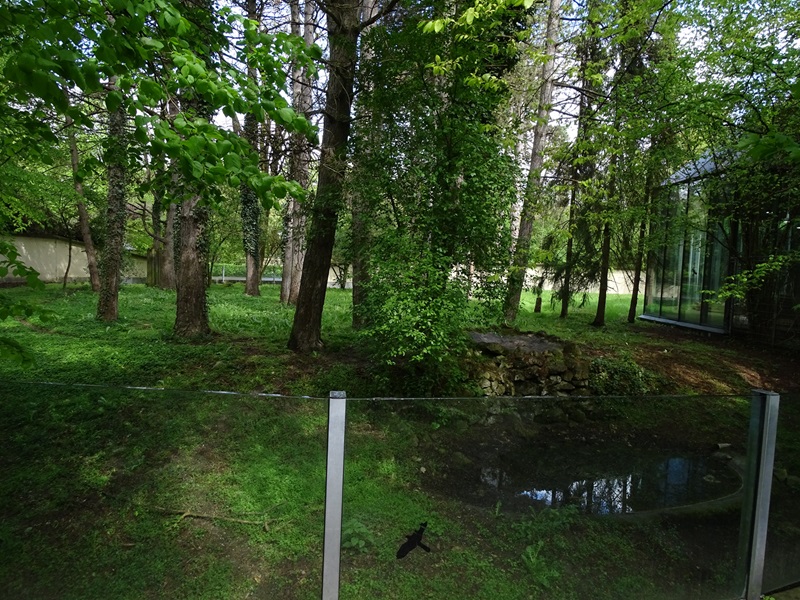
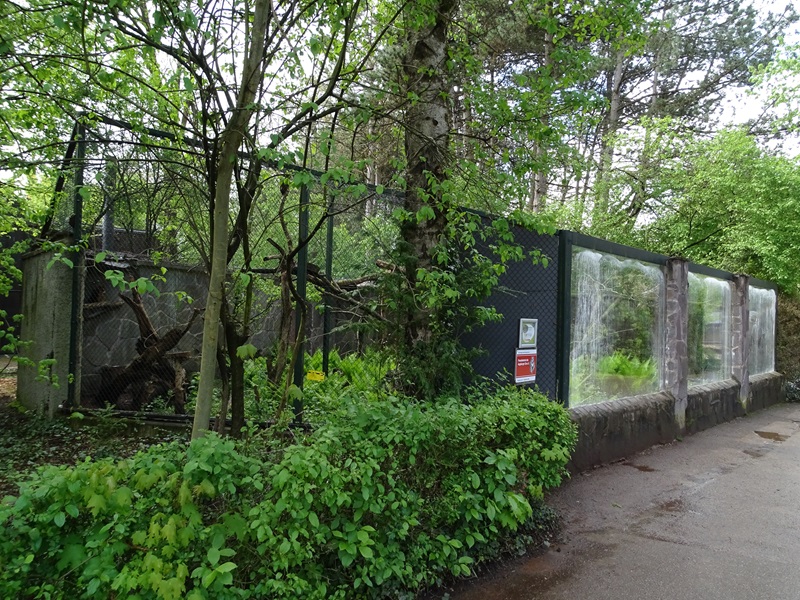
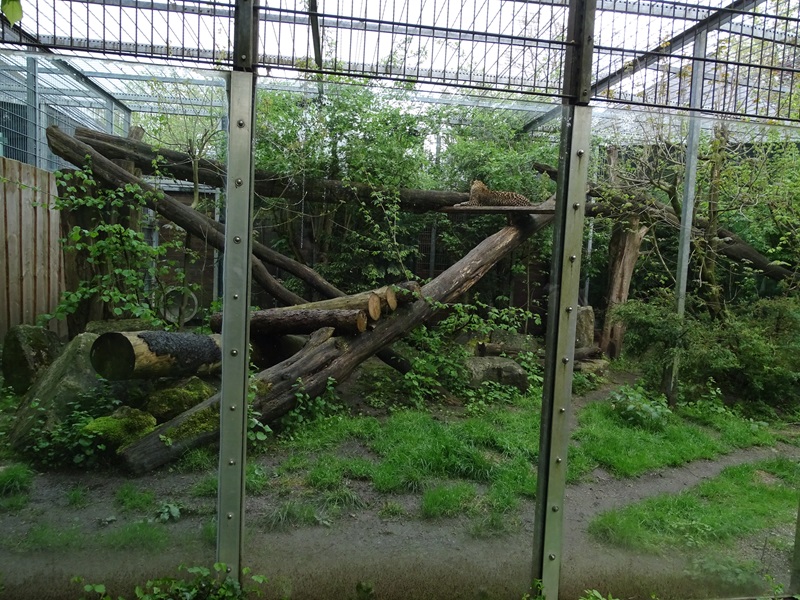
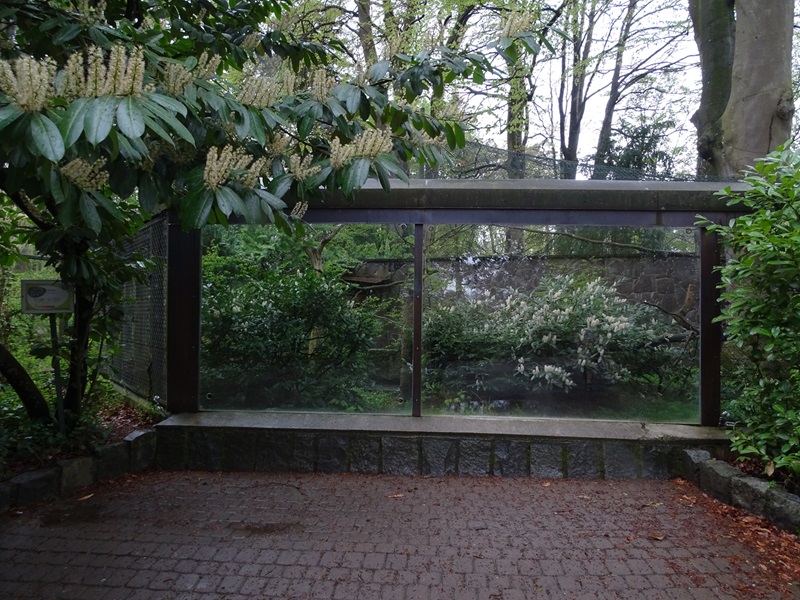
I exited the building and found myself at the outdoor enclosure for the leopard. It is a cage with the lower half consisting of glass viewing panels. The enclosure isn’t tiny, but it’s not big either. Foliage provides shade and there are some logs and a platform to climb on, but otherwise there is not much for the leopard (I think they have only one) to do. There is also a second, smaller outdoor enclosures that I don’t think was being used at the moment (at least this offers outdoor access for two leopards if/when the zoo has a couple).
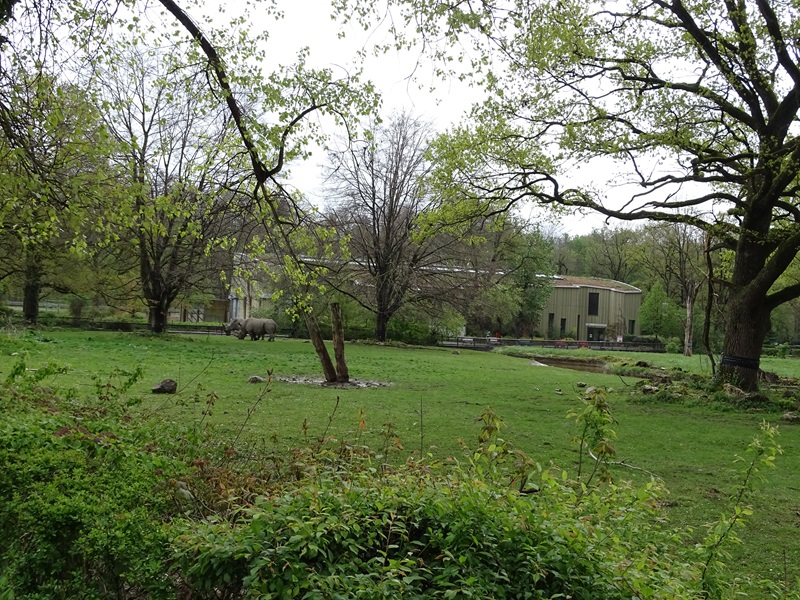
I left the Tiger + Noctural House behind me and immediately came across a very simple enclosure blackbucks. These animals are kept behind a chainlink fence that they surely could jump over if they tried. Other than a wooden barn, their paddock is just a piece of grassland.
From here, I decided to walk the small loop that has a playground in the middle (which was actually really nicely done) and the Childrens Zoos enclosures around it. Pygmy goats, Dahomey dwarf cattle, miniature donkeys and rabbits can be found here.
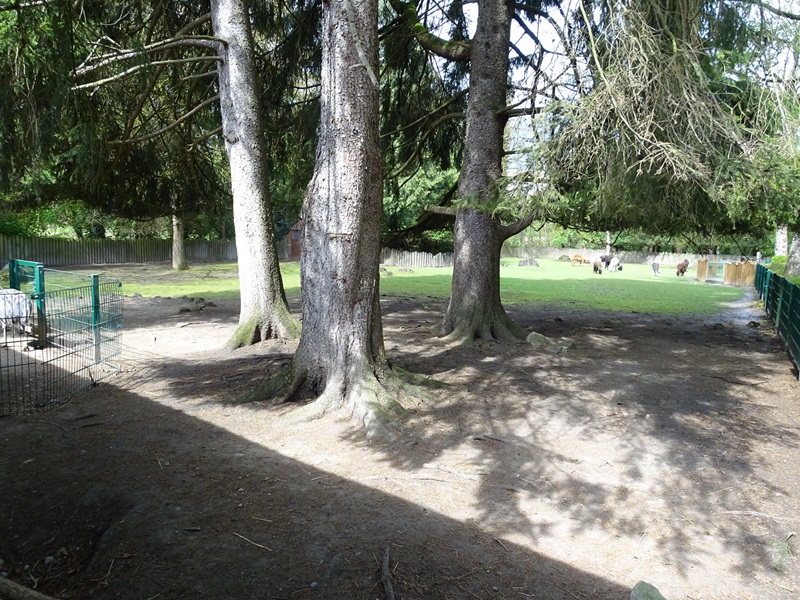
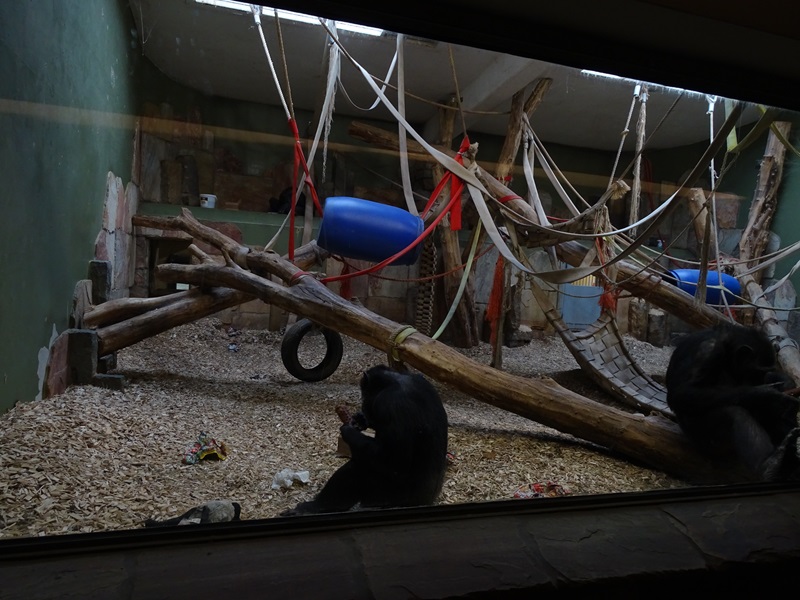
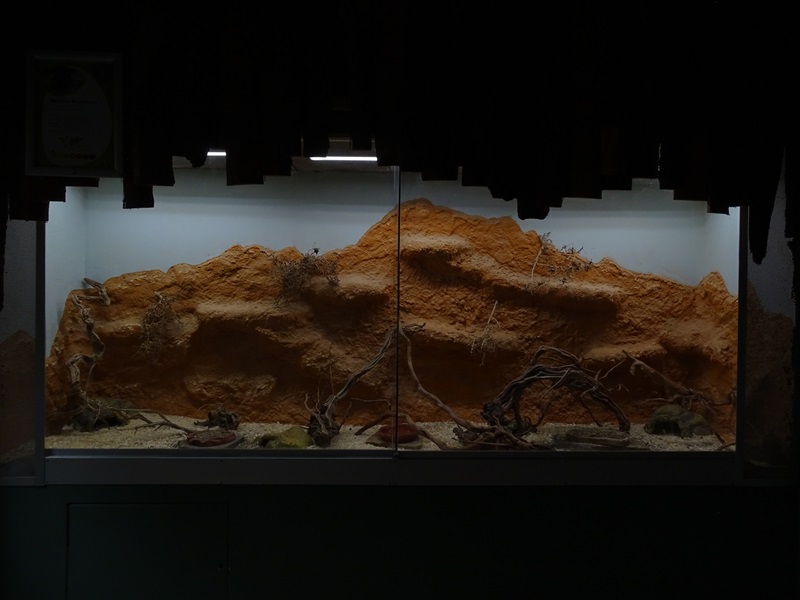
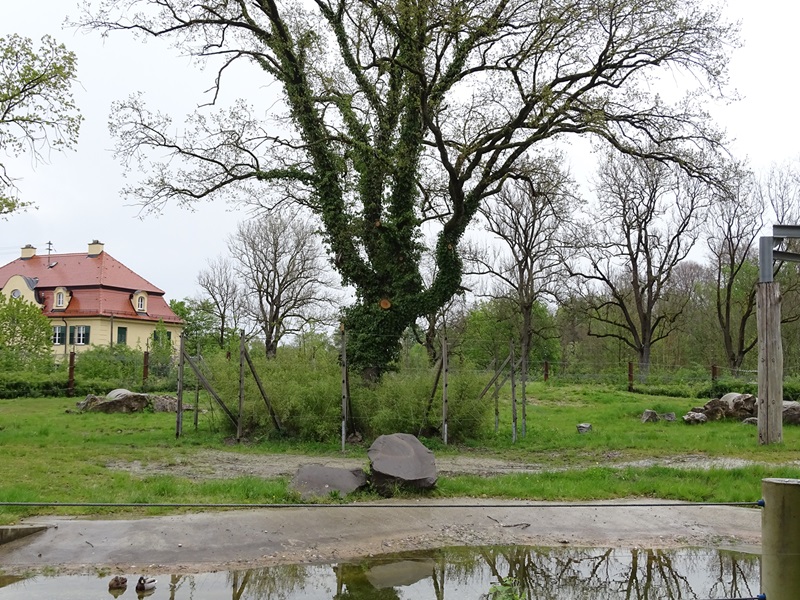
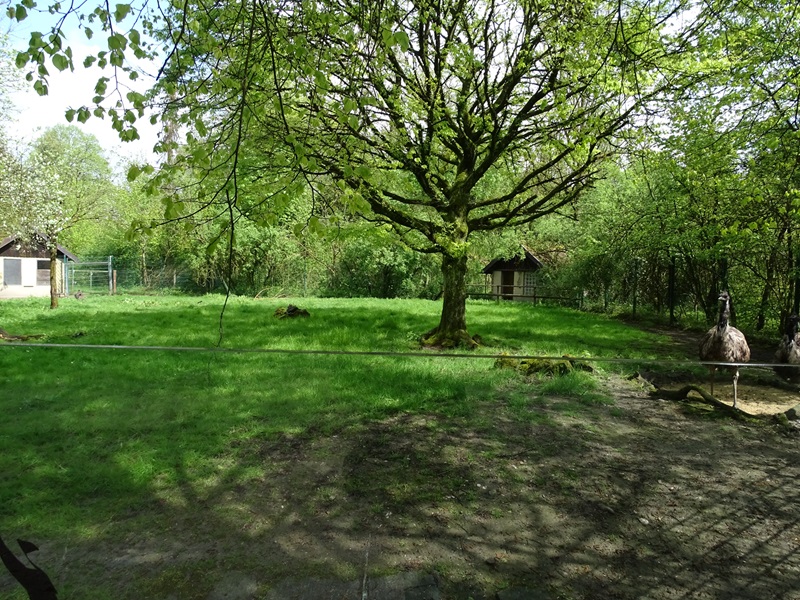
Back at the blackbucks, I continued the path to the enclosure for alpacas and rheas. This is another simple enclosure, but it’s large enough and has shade due to some trees inside. For some reason, only alpaca’s were out while the rheas were confined to a small seperation part. An simple grassy field functions as they outdoor enclosure for spurred tortoises. They weren’t out due to the low temperatures, but could be seen indoors.