Hipporex's Guide to Interesting and Unique Prehistoric Fauna

NUMBER TWELVE: It looks like a dolphin without a dorsal fin and also a walrus head, but said walrus head has some funky tusks

odobenocetops_field_day_by_mortalwawmbaht_d8qh6qz-fullview.jpg

  • Animal: Odobenocetops
  • Species: Two; O. peruvianus (type species) and O. leptodon
  • Pronunciation: oh-doh-ben-oh-set-ops
  • Name Meaning: "Cetacean that seems to walk on its teeth;" from Greek odon ("tooth") and baino ("walk"), and Latin cetus ("whale" or "cetacean") and ops ("like")
  • Species Authority: Muizon, 1993
  • Classification: Life, Eukaryota, Animalia, hordata, Vertebrata, Gnathostomata, Osteichthyes, Sarcopterygii, Tetrapodomorpha, Tetrapoda, Reptiliomorpha, Amniota, Synapsida, Therapsida, Mammalia, Placentilia, Boreoeutheria, Ungulata, Artiodactyla, Whippomorpha, Cetacea, Delphinoidea, Odobenocetopsidae
  • When: 7,200,000 B.C.E. to 3,600,000 B.C.E. (the Tortonian stage of the Miocene epoch to the Zanclean stage of the Pliocene epoch)
  • Where: South America (Chile and Peru)
  • Size: 6.9 feet (2.10 meters) long
  • Diet: Carnivore
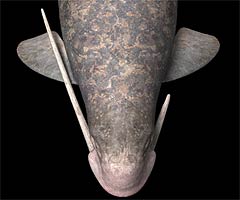
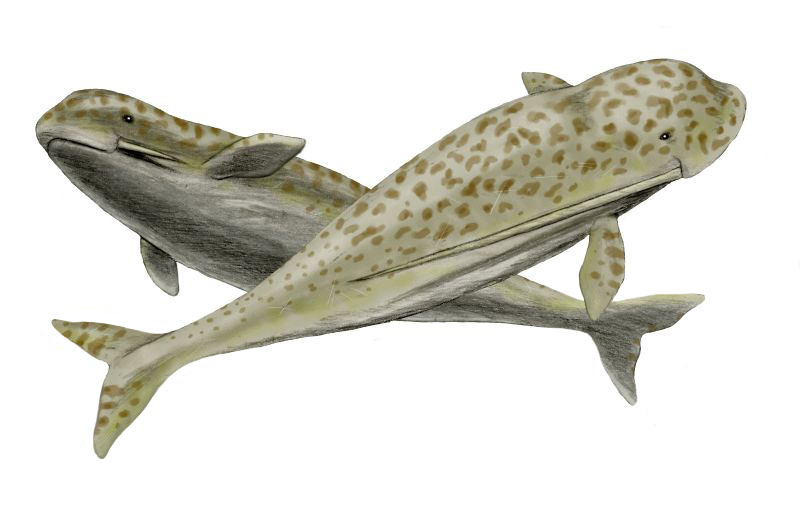
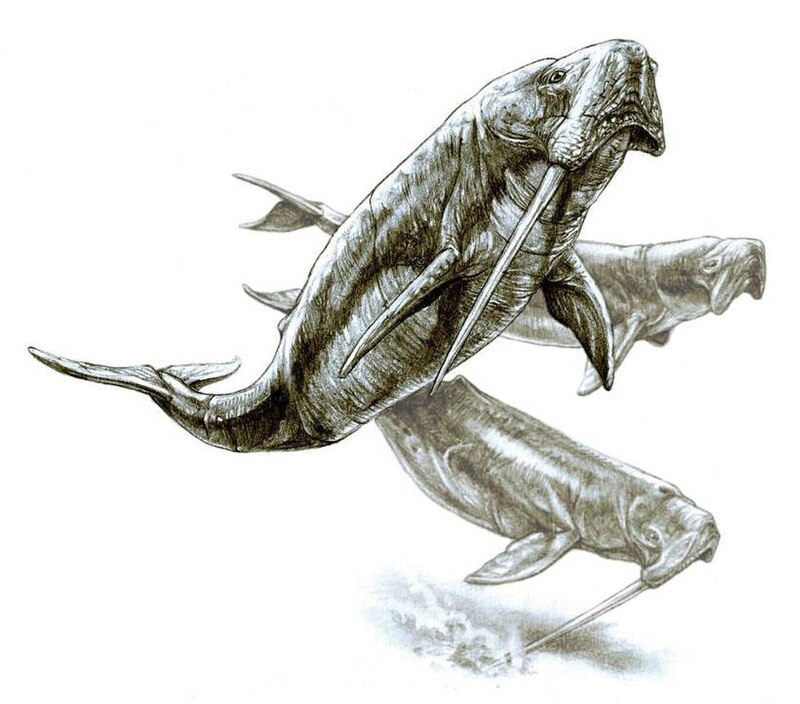
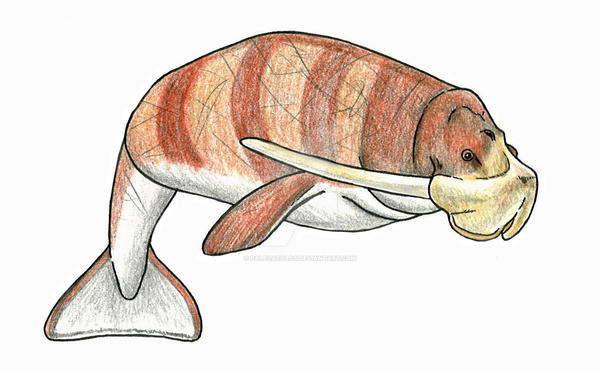
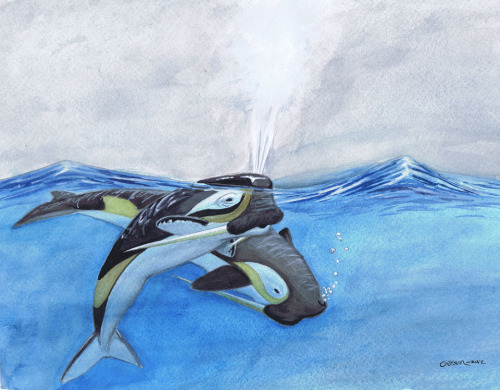
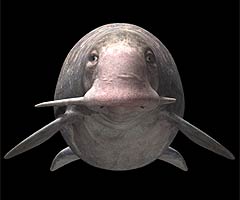
Odobenocetops's closest living relatives are the monodontids (beluga whale and narwhal) and phocoenids (porpoises). Its neck articulations show that it was very flexible, being able to turn its head over ninety degrees. This, coupled with its broad snout, similar to that of the modern walrus, suggests that it was a bottom feeder, searching for mollusks and sucking them out of their shells with a powerful tongue. Perhaps the most striking discovery was that of a male O. leptodon skull with a tusk significantly longer than the other. On the right side of the body, the tusk was 3.9 feet (1.19 meters) long, however on the left it only grew up to 9.8 inches (24.89 centimeters). Being this is the only male O. leptodon skull known, it is not safe to say if this was true for all male individuals or that this is just a developmental fluke. If this was a common trait however, it is unknown what would of been the evolutionary advantage of having a tiny tusk and a big tusk, and not just two big tusks. Being too brittle, the tusk was probably held parallel to the body. It might have been used to search out food, or as a sensory organ like narwhal tusks. Some have also suggested that the tusks could be used during the mating season in jousts over females. It is unknown if females had tusks. Odobenocetops likely had the ability to echolocate like modern cetaceans. This animal had to be wary, as when it was alive, the world's oceans were home to massive predators: like predatory whales and huge sharks (such as megalodon (Carcharocles megalodon)).

8ea053c6b8f21391d5343aebb41a4fee6ebd8444.jpg

1b7c8e0d2979cd4a71483b6514c286a2c50b6b58.jpg

El-Odobenocetops.png

Odobenocetops_BW.jpg

800px-Odobenocetops.jpg

440px-Odobenocetops_leptodon_4_maf.JPG

kisspng-walrus-sea-lion-odobenocetops-dolphin-cetaceans-5b0f4aacd20b34.2553404515277288128604.jpg

serenewalruswhale.jpg

odobenocetops_by_paleoaeolos-d6ghuyr.jpg

tuji007j9h921.jpg

tumblr_nr1la8EnO21usbxf7o1_500.jpg


Picture and Information Sources:
 
Last edited:
This animal had to be weary, as when it was alive, the world's oceans were home to massive predators: like predatory whales and huge sharks (such as megalodon (Carcharocles megalodon)).

One would have thought that fact would make them much more awake and alert, not more tired :P
 
NUMBER THIRTEEN: This thread (What if your zoo had Giant Pandas?) by @ZPA has got me thinking about pandas. So now here we are...

Ailuropoda-microta1-738x591.jpg

  • Species: Pygmy giant panda (Ailuropoda microta)
  • Species Authority: Pei Wenzhong - 1962
  • Classification: Life, Eukaryota, Animalia, Chordata, Vertebrata, Gnathostomata, Osteichthyes, Sarcopterygii, Tetrapodomorpha, Tetrapoda, Reptiliomorpha, Amniota, Synapsida, Therapsida, Mammalia, Placentilia, Boreoeutheria, Carnivora, Caniformia, Ursidae, Ailuropodinae
  • When: ~ 3,000,000 B.C.E. to 2,000,000 B.C.E. (Late Pliocene to Early Pleistocene)
  • Where: Asia (China)
  • Size: *see below*
  • Diet: Herbivore
There have been four members of Ailuropoda: the pygmy giant panda, the giant panda (A. melanoleuca), Ailuropoda baconi, and A. wulingshanensis. Only the giant panda remains. The pygmy giant panda is the oldest known member of the genus. It's called "pygmy" because it was about half the size of the giant panda: it measured 3 feet (0.91 meters) long. Despite its small size, this species was anatomically very similar to the living species. Dental remains indicate that the pygmy giant panda was already adapted to a herbivorous diet of bamboo. Like the giant panda however, this species would likely occasionally dinned on other vegetation and perhaps even meat.This animal lived in lowland tropical bamboo forests of southern China, unlike the modern giant panda which is restricted to more remote mountainous bamboo forests due to human encroachment.

Ailuropoda-microta-size-738x591.jpg

070618174710_1_540x360.jpg


Picture and Information Sources:
 
NUMBER FOURTEEN: During the Carboniferous period, Earth was kind of like that pit full of massive creepy-crawlies in King Kong (2005).

dub49b-9c162983-0c5c-4093-9b01-7b549c195c48.jpg

  • Genus: Arthropleura
  • Species: Seven; A. armata (type species), A. britannica, A. cristata, A. enodis, A. maillieuxi, A. mammata, and A. punctata
  • Pronunciation: Ar-throw-plur-ah
  • Name Meaning: "‬Jointed ribs‭"
  • Named By: Jordan‭ & ‬Meyer‭ ‬-‭ ‬1854
  • Classification: Life, Eukaryota, Animalia, Arthropoda,‭ ‬Myriapoda,‭ Diplopoda, ‬Arthropleurida,‭ ‬Arthropleuridae
  • When: ~ 315,000,000 B.C.E. to 298,000,000 B.C.E. (Late Carboniferous to Early Permian)
  • Where: Eastern North American and Scotland
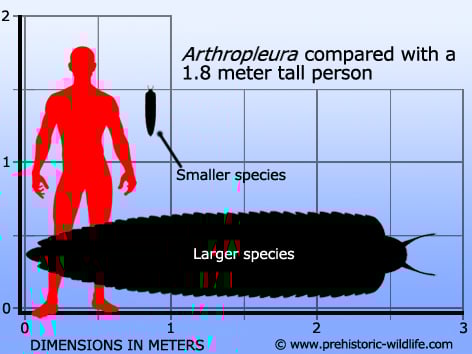
  • Size: Depending on the species, 1 foot to 8.2 feet (0.30 to 2.5 meters) long
  • Diet: Herbivore
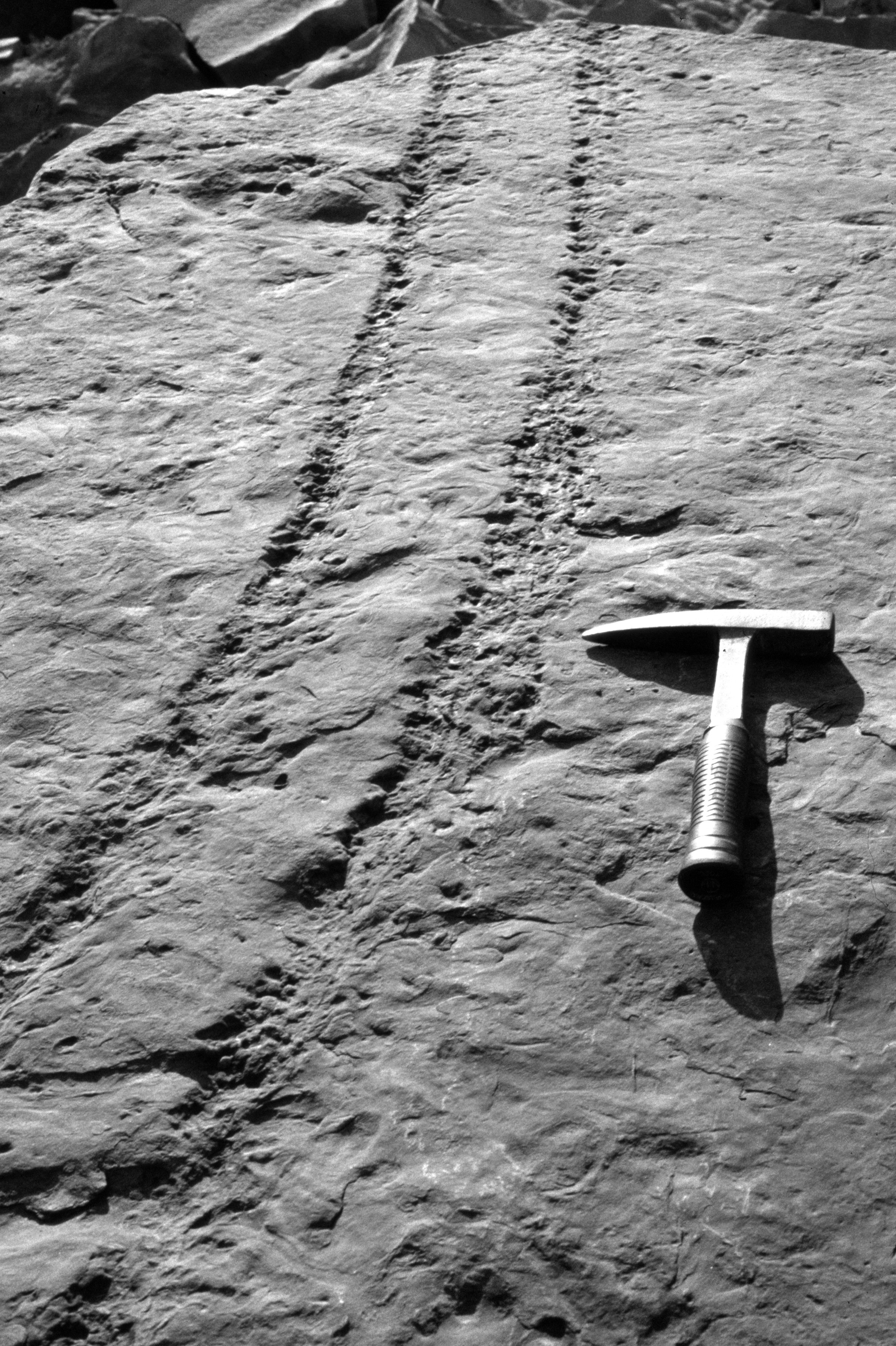
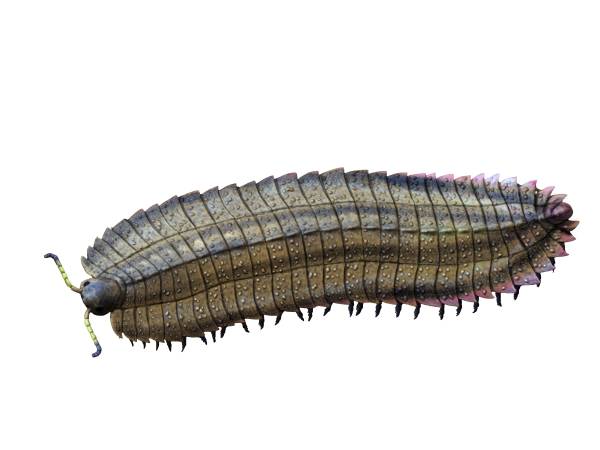
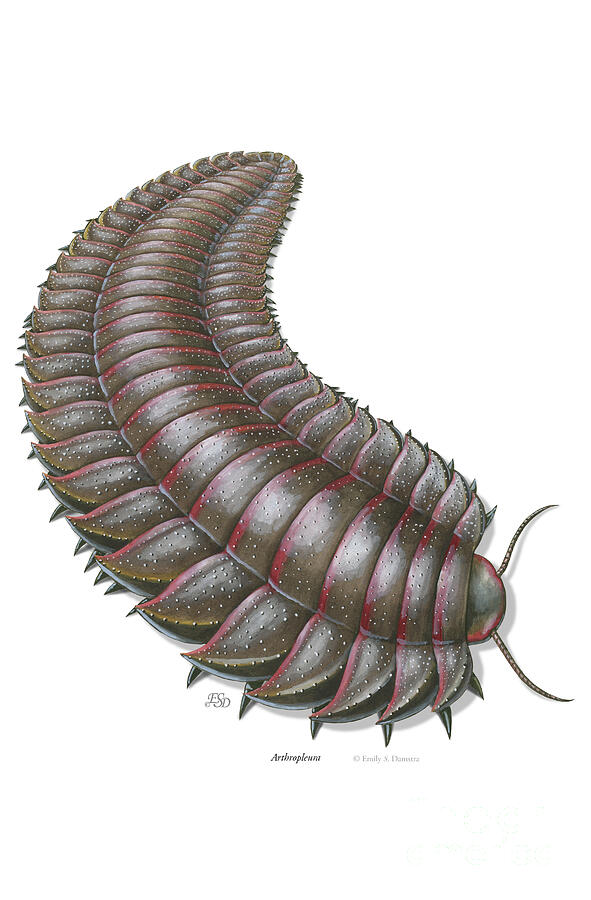
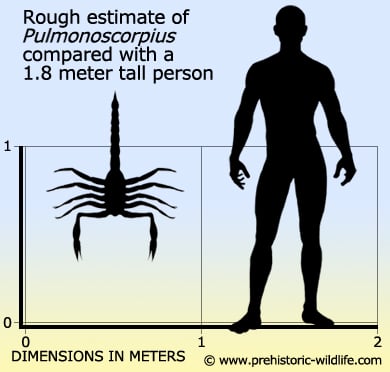
Arthropleura was the largest land invertebrate of all time. It was able to achieve such a size because a) Earth atmosphere had a lot more oxygen during the Carboniferous and b) there was a lack of large terrestrial vertebrate predators. Arthropleura was the only bug to go big during the Carboniferous: you also had hawk-sized dragonflies (Meganeura), scorpions the size of small dogs (Pulmonoscorpius), and much more.The flattened body of Arthropleura was composed of roughly thirty jointed segments, each of which was covered by two side plates and one center plate. The ratio of pairs of legs to body segments was approximately 8:6, similar to some extant millipedes. Contrary to popular belief, Arthropleura wasn't a predator but a herbivorous arthropod. However no known fossil have preserved mouth parts. So then how do we know what it ate? Some fossils have come complete with plant fragments and plant spores in the gut and in associated coprolites (aka fossilized poop). In popular media, this arthropod is commonly depicted as being able to rear the front of its body up in the air, whether or not an actual animal could do this is unknown. Arthropleura and all of the other supersized arthropods disappeared from the fossil record during the early Permian when the climate dried and the lush forests were replaced with arid and desert like environments.‭ ‬Not only did the oxygen content become reduced from the lack of oxygen producing vegetation,‭ but ‬the dry conditions would not have suited Arthropleura. In addition to fossilized body plates, scientists have discovered fossilized Arthropleura trackways.

(Below: Size comparison)
arthropleura-size.jpg

(Below: Arthropleura fossil)
1280px-Arthropleura_armata.jpg

(Below: Arthropleura fossilized trackway)
fig-14-arthropleura-a.jpg

Arthropleura_NT_small.jpg

arthropleura-emily-damstra.jpg

latest

4-5.jpg

latest

prehistoric-millipede-stefan-schiesslscience-photo-library.jpg

meganeura-size.jpg

pulmonoscorpius-size.jpg


Picture and Information Sources:
 
NUMBER FIFTHTEEN: Penguins are cool, no literally, because they live in Antarctica. Get it? Hahaha ... yeah I'll go stick my head in a toilet after this.

A-16-m-long-Palaeeudyptes-klekowskii-hunting-a-fish-the-Late-Eocene-of-Antarctic-Penin.png

  • Species: Colossus penguin (Palaeeudyptes klekowskii)
  • Named By: Myrcha, Tatur, and del Valle - 1990
  • Classification: Life, Eukaryota, Animalia, Chordata, Vertebrata, Gnathostomata, Osteichthyes, Sarcopterygii, Tetrapodomorpha, Tetrapoda, Reptiliomorpha, Amniota, Sauropsida, Eureptilia, Sauria, Archosauromorpha, Archosauriformes, Archosauria, Dinosauria,‭ ‬Saurischia,‭ ‬Theropoda,‭ Paraves, Avialae, Aves, Neognathae, Sphenisciformes, Spheniscidae
  • When: ~ 40,000,000 B.C.E. to 37,000,000 B.C.E. (Bartonian stage - Eocene epoch - Paleogene period - Cenozoic Era)
  • Where: Antarctica
  • Size: *see below*
  • Diet: Carnivore
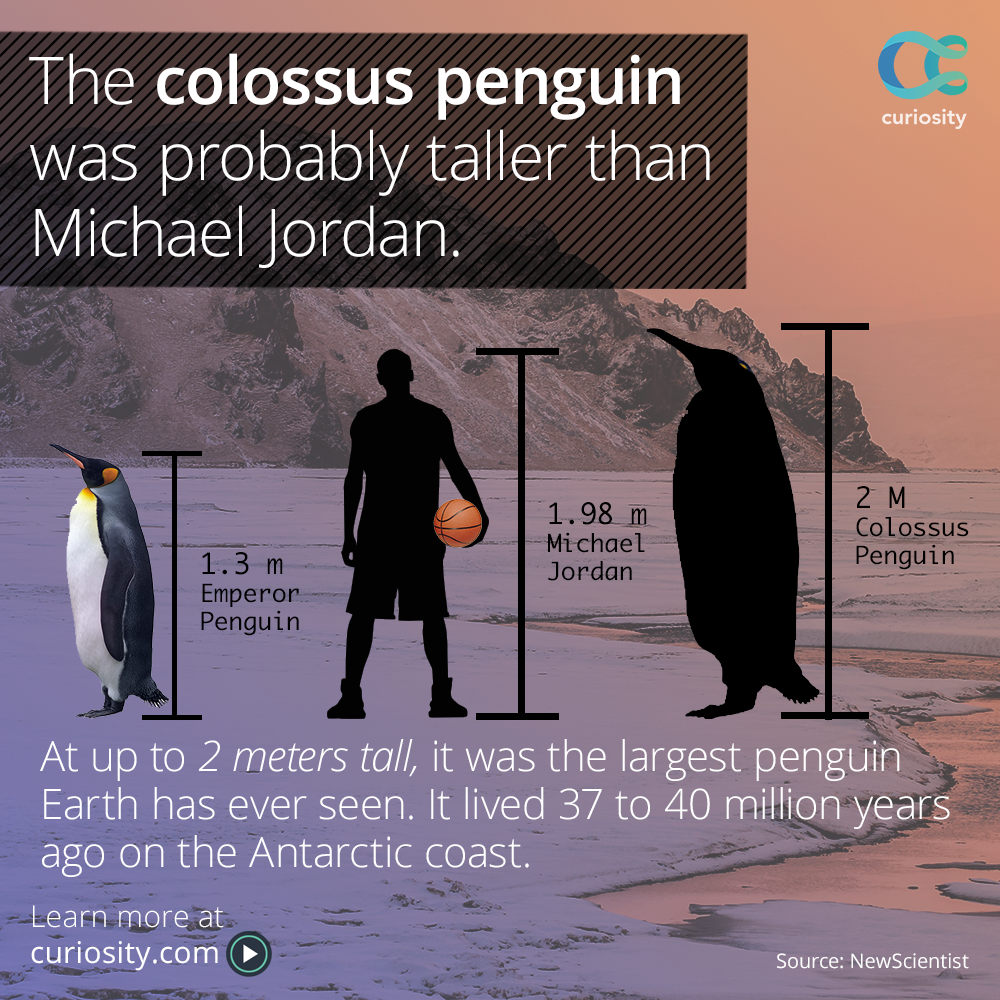
I can't possibly imagine why they'd name this species the "colossus" penguin. What do you think? Do you think it may have something to do with the fact that at 6.6 feet (2.01 meters) tall and 253.5 pounds (114.99 kilograms) heavy this was the largest penguin ever? Yeah I think that might be it. But why a penguin evolve to be so big? Well being of a larger build has its advantages, as bigger penguins can dive underwater to hunt fish for significantly longer periods of time compared to smaller species. Scientists estimate a penguin the size of this size could stay underwater for up to 40 minutes. (To put that in perspective, the largest living penguin, the emperor (Aptenodytes forsteri), must come up for air at least every 27 minutes.) Other than its size, the colossus penguin likely lived very similar to modern Antarctic penguins: it likely lived in large colonies, it likely only laid egg per breeding season, and it likely had to watch out for predatory pinnipeds and cetaceans.It is worth noting that 40 million years ago Antarctica was warmer then it was today, with a climate like that of present-day Tierra del Fuego, the islands at the southern tip of South America. This species was uncovered from the La Meseta formation on Seymour Island. An additional 14 to 16 species of prehistoric penguin have been uncovered from here and would of lived alongside this goliath.


illustration-of-extinct-mega-penguin-palaeeudyptes-klekowskii-with-F13EKC.jpg

tumblr_npuq191ifj1two3l0o1_1280.png


Picture and Information Sources:
 
Question to those who read this thread: Are you learning new things? Or have I just been repeating stuff you already know?
 
NUMBER SIXTEEN: In honor of Spider-Man: Into the Spider-Verse winning the Oscar for Best Animated Picture.

mongolarachne_jurassica_by_paleosir_db25t08-250t.jpg

  • Species: Mongolarachne jurassica
  • Pronunciation: Mon-go-lah-rak-ne jur-ass-ik-uh
  • Name Meaning: "Mongolia spider from the Jurassic"
  • Species Authority: Selden, Shih & Ren, 2011
  • Classification: Life, Eukaryota, Animalia, Arthropoda,‭ Chelicerata, ‬Arachnida,‭ ‬Araneae,‭ ‬Araneomorphae,‭ ‬Mongolarachnidae
  • When: ~ 164,000,000 B.C.E. (Callovian stage of the Middle Jurassic epoch)
  • Where: Asia (China)
  • Size: "About the same size of extant Nephila spiders"
  • Diet: Carnivore
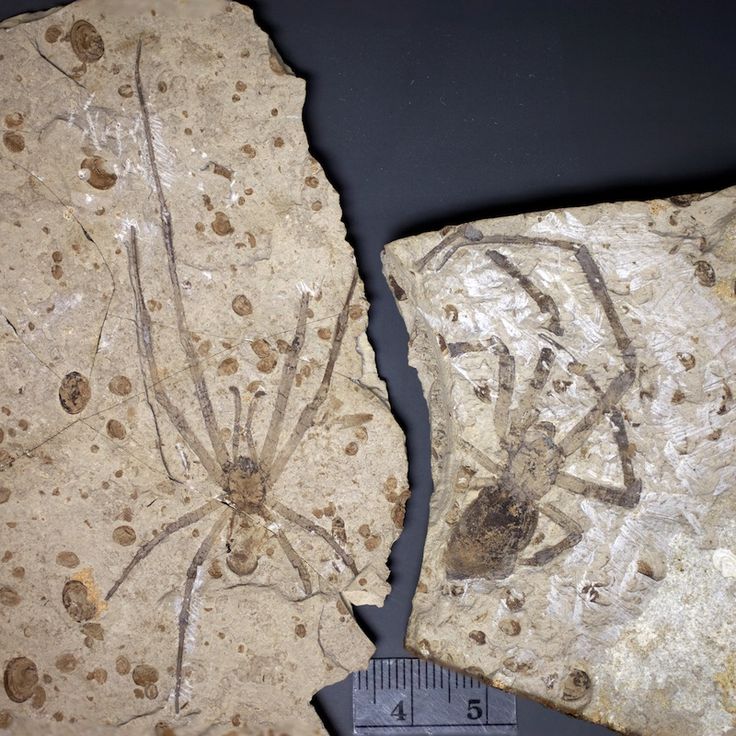
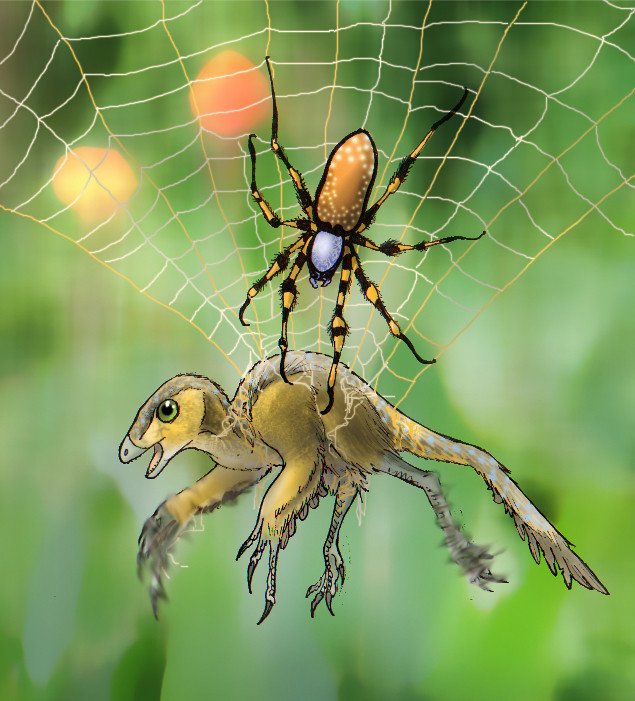
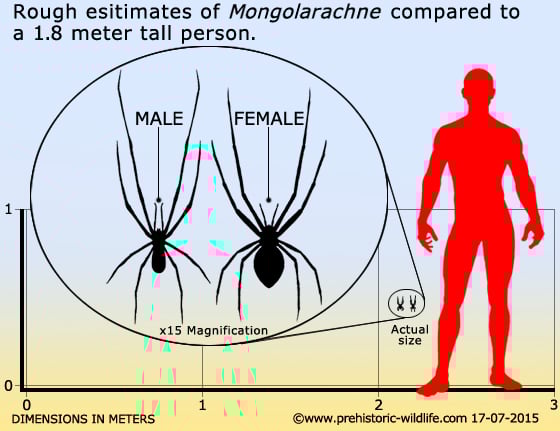
Although there was once likely some giant-aft spiders the size of cats, we have yet to discover such a species and Mongolarachne jurassica is currently the largest known prehistoric spider. This species was so similar to modern Nephila spiders in appearane that is was originally described as Nephila jurassica (it wasn't placed in Mongolarachne until 2013). I just want you to think about something for a minute: if modern-day spiders occasionally eat small birds and reptiles, then who is to say this species didn't ever eat small or baby dinosaurs? Just imagine that: a dinosaur-eating spider. You're probably wondering why this genus was named the "Mongolia spider" if it was found in China. That's because it was found in the Jiulongshan Formation, which is found in the Chinese providence of Inner Mongolia.

(Below: male on the left and female on the right)
Mongolarachne.jpg

mongolarachne-size.jpg

(Below: Mongolarachne eating a Anchiornis)
thesis_1__mongolarachne__by_smcho1014_dcw2ds5-pre.jpg

(Below: Mongolarachne eating a generic baby theropod)
DmfyBdWWsAAh4Pm.jpg

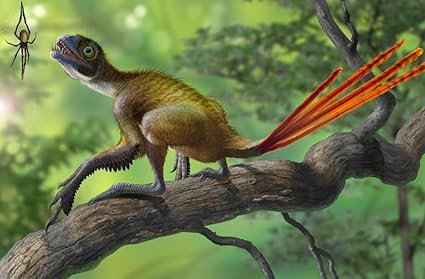
(Below: Mongolarachne and a scientifically-inaccurate Epidexipteryx)
61zhfRoWmaL._SX425_.jpg


Picture and Information Sources:
 
Last edited:
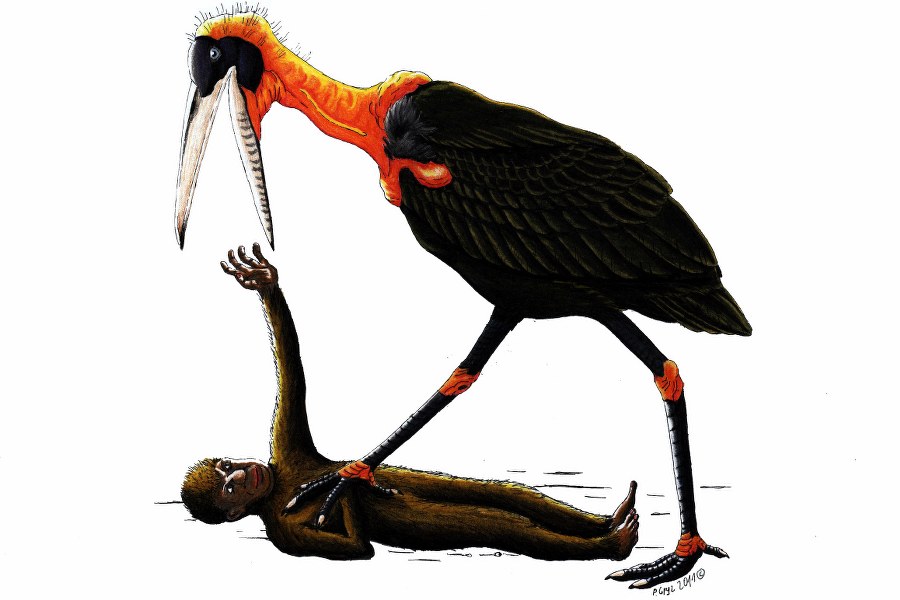
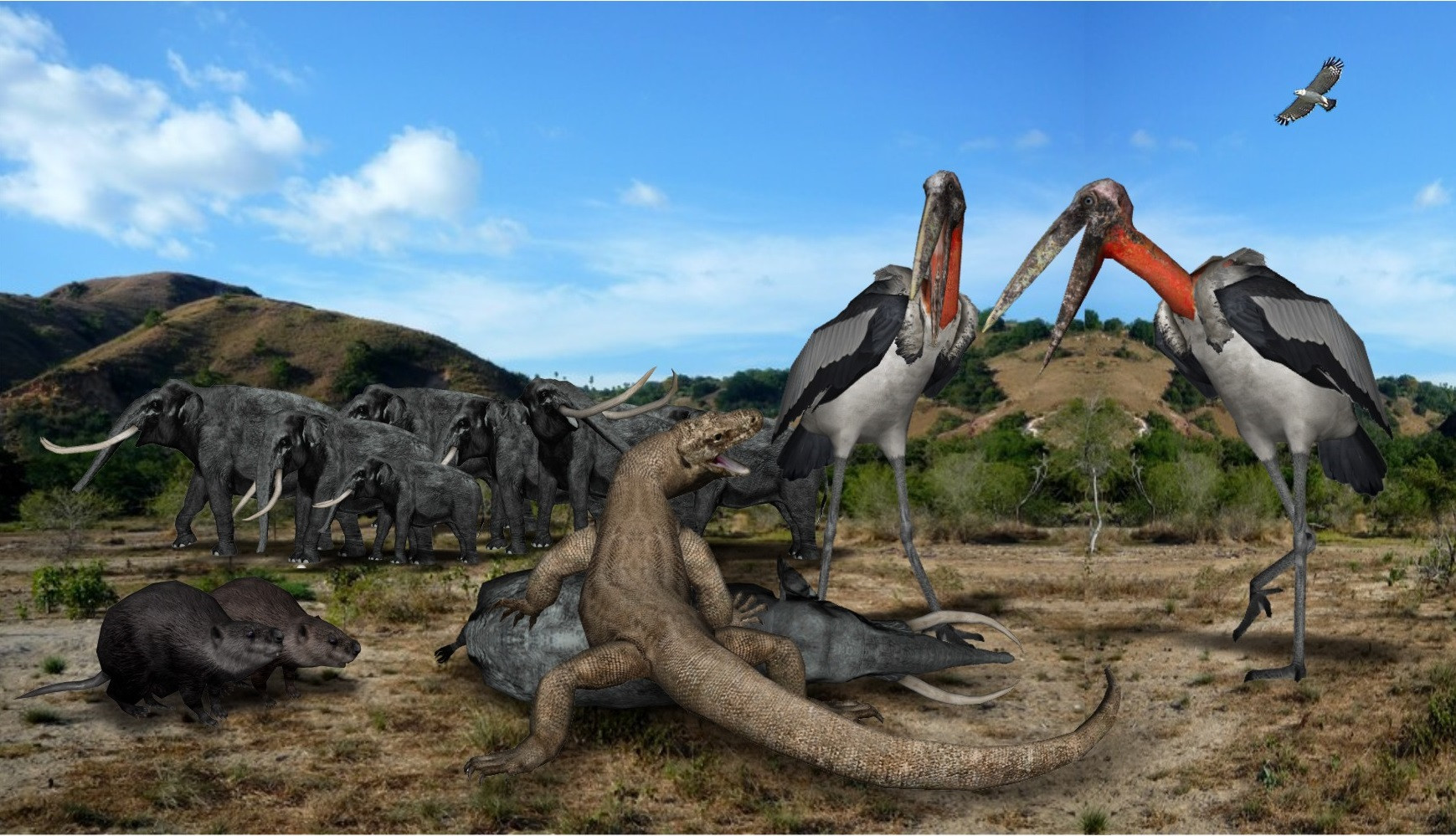
NUMBER SEVENTEEN: This massive, flightless marabou stork ate pygmy people and fought giant lizard

leptoptilos_robustus_by_stolpergeist_dbtgl0k-pre.jpg

  • Species: Flores giant stork (Leptoptilos robustus)
  • Name Meaning: Lepto (Greek: thin/slender) + ptilo (Greek: soft feather) and robustus (Latin: strong)
  • Species Authority: Meijer & Awe Due, 2010
  • Classification: Life, Eukaryota, Animalia, Chordata, Vertebrata, Gnathostomata, Osteichthyes, Sarcopterygii, Tetrapodomorpha, Tetrapoda, Reptiliomorpha, Amniota, Sauropsida, Eureptilia, Sauria, Archosauromorpha, Archosauriformes, Archosauria, Dinosauria,‭ ‬Saurischia,‭ ‬Theropoda,‭ Paraves, Avialae, Aves, Neognathae, Ciconiiformes, Ciconiidae
  • When: ~ 2,560,000 B.C.E. to 130,000 B.C.E. (Pleistocene epoch of the Quaternary period)
  • Where: Endemic to the Indonesian island of Flores)
  • Size: *see below*
  • Diet: Carnivore
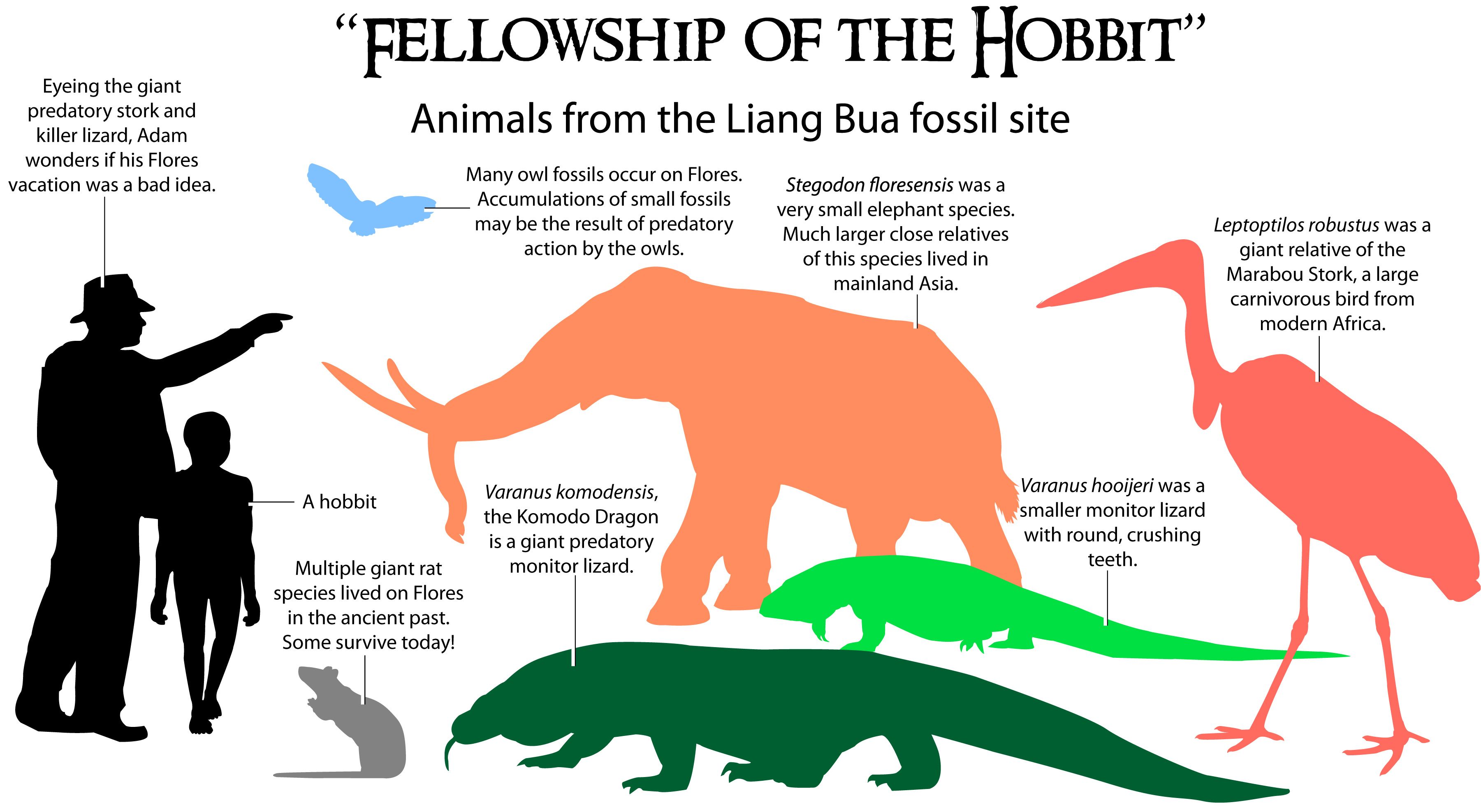
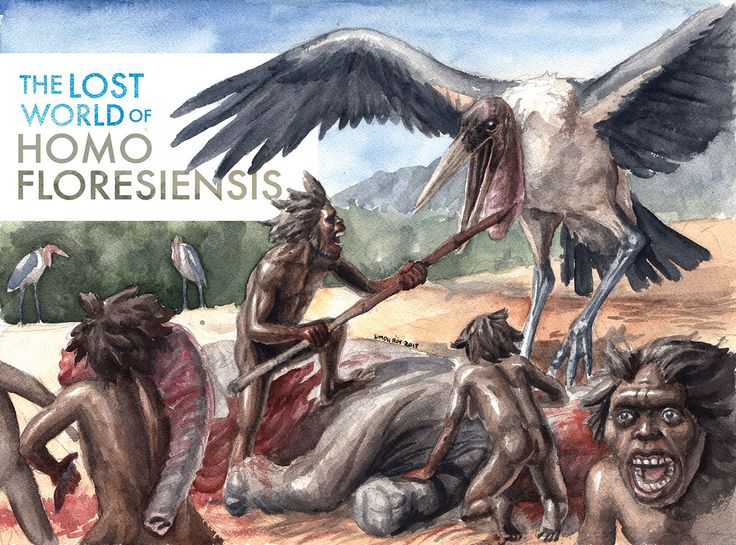
At 6 feet (1.83 meters) tall and 36 pounds (16.33 kilograms) heavy, the Flores giant stork was possibly the largest stork ever. Its bones were denser than most birds and its wings were shorter than other storks' relative to its body size, thus scientists believe it was incapable of flight. This carnivore likely competed for food with Komodo dragon (Varanus komodoensis), which is, as you know, still alive today. But what did these species fight over? Well they had a plethora of prey to chose from. Of course there was the giant rats, like the Flores giant rat (Papagomys armandvillei) (which also still exists today). But there was also the 3 foot (9.1 meter) tall Flores "hobbit" (Homo floresiensis) and the Flores pygmy elephant (Stegodon florensis insularis) that would of made nice snacks. Basically my point is back then, Flores was a weird place.

Leptoptilos+robustus+and+Flores+Man%252C+Justin+Case+aka+Hodarinundu.jpg

742a1cf673ea8addab3cfaca27ee7b99.jpg

DkV7yt3UUAIQuuI.jpg

leptoptilos-robustus2_900x600.jpg

dfRtcJd.jpg


Picture and Information Sources:
 
LOST-WORLD-002.jpg


NUMBER EIGHTEEN: To make his 1960 film The Lost World, Irwin Allen literally took live reptiles and glued fake horns to them. One of which was the iguana seen above. Unbeknownst to him, he wasn't to far off from the truth.

73a1dbd8d0870a46138b2628bc139e92.jpg

  • Species: Shringasaurus indicus
  • Pronunciation: Shh-ring-ah-sore-us in-de-kus
  • Name Meaning: "Horn lizard from India"
  • Species Authority: Sengupta et al. - 2017
  • Classification: Life, Eukaryota, Animalia, Chordata, Vertebrata, Gnathostomata, Osteichthyes, Sarcopterygii, Tetrapodomorpha, Tetrapoda, Reptiliomorpha, Amniota, Sauropsida, Eureptilia, Sauria, Archosauromorpha, Allokotosauria, Azendohsauridae
  • When: ~ 247,000,000 B.C.E. to 242,000,000 B.C.E. (Anisian stage of the Middle Triassic epoch)
  • Where: Asia (Madhya Pradesh, India)
  • Size: 9.84 to 13.12 feet (3 to 4 meters) long
  • Diet: Herbivore
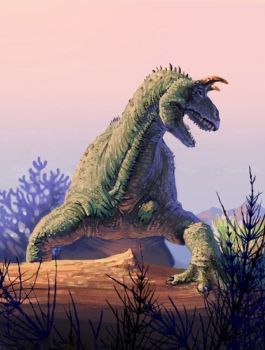
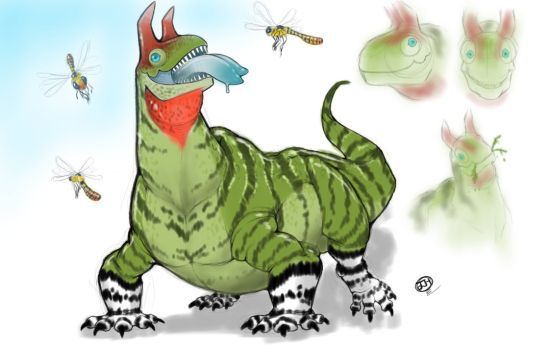
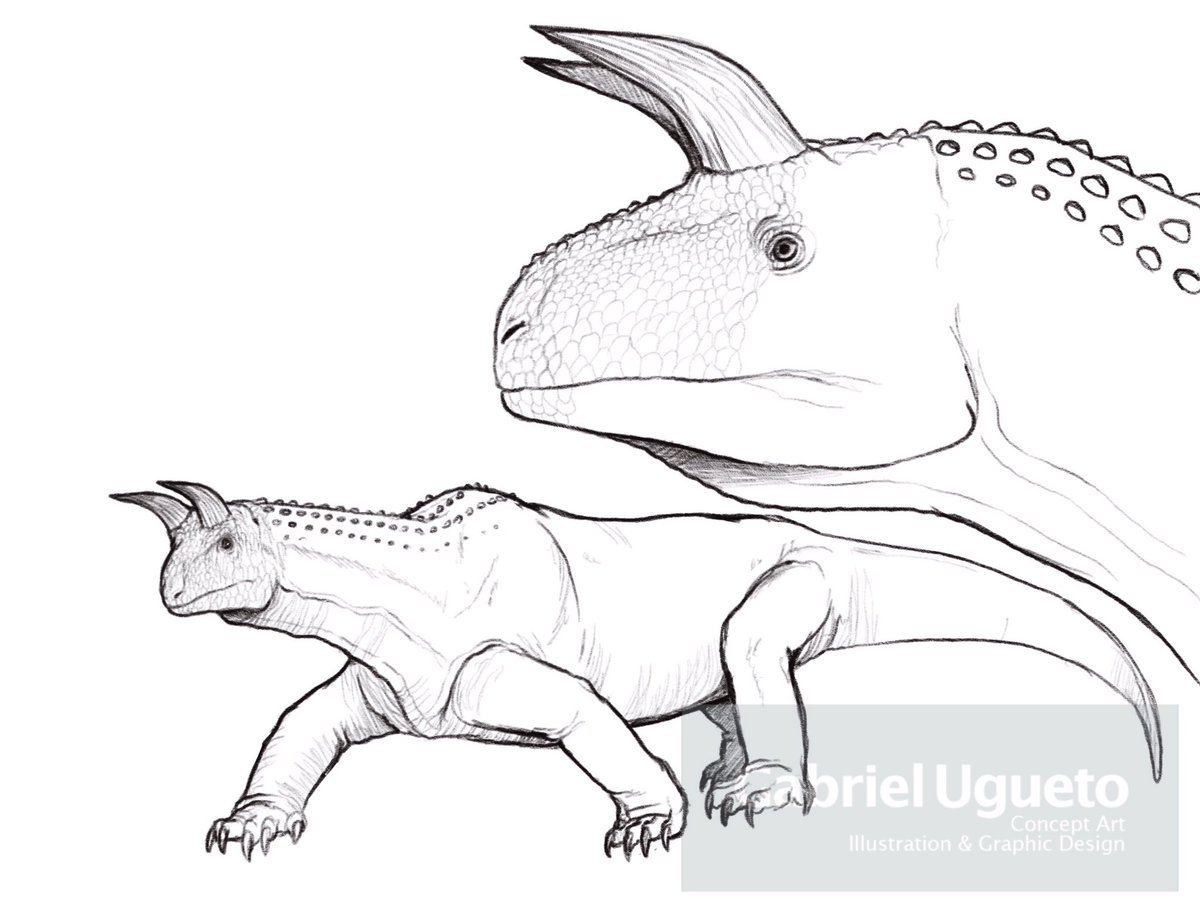
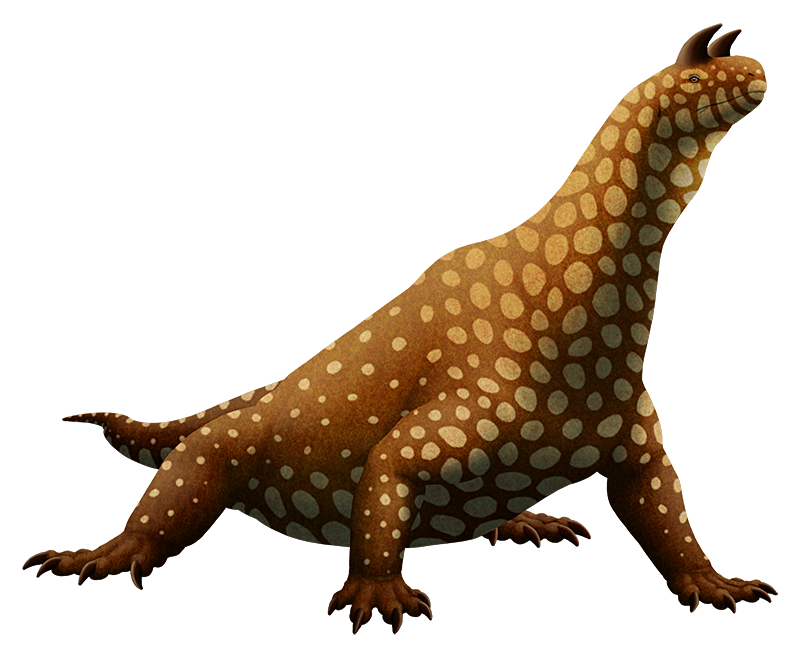
Shringasaurus belonged to an interesting and little known group of prehistoric reptiles, called Allokotosauria (Allokotosauria literally means "strange reptiles"). These early archosauromorphs were characterized by having proportionally small skulls, semi-sprawling quadrupedal posture, and teeth and jaws that suggest they were herbivorous. Shringasaurus had several of unique characteristics that set it apart from the crowd. Most notably the horns. Lots of reptiles have/had horns, but few groups of reptiles have forward-curved horns growing over the eyes. Ceratopsians, a group of dinosaurs that included the famous Triceratops, are the most notable. Many species of modern chameleons also have horns like this. Shringasaurus convergntly evolved similar horns, as it is only distantly related to both of these groups. Shringasaurus is known in the fossil record from several individuals. Among these are smaller, younger individuals, that show smaller horns. This means that the baby Shringasaurus started off with small, or perhaps no horns, and did not develop them until later in life, probably when they were sexually mature. This supports the idea that the horns were some kind of an intraspecies display. Further, there is one individual Shringasaurus skull that had no horns, but was otherwise the same size as other Shringasaurus skulls that had horns. This strongly points to Shringasaurus having been sexually dimorphic. It is possible that Shringasaurus males used their horns to visually intimidate each other or perhaps to physically compete with each other, like many modern ungulate species.

shringasaurus_joschua-knueppe_2.jpg

shringasaurus_indicus_by_kana_hebi-dbnad0s.jpg

11aca0445a2a5c4e9447b52895665700.jpg

0135A53B-799C-4637-81D42E12841EE9B8_source.jpg

6937bb38b7b762e6029a0551f8468c80.jpg

41532573_551214438646526_5118843985364113806_n.jpg

Full125134_df8c2f87f766e3f10809ac7de2453aa7.jpg

DH1LqiqW0AAj3-g.jpg

6b56eadc55c455ee1e4dc96d379beb5e.png

Shringasaurus.jpg


Picture and Information Sources:
 
I'm really enjoying your series, but as an American I must say
1.8 m humans weighing 83 kg barely compute. haha :)
 
Back
Top