Spare time has been somewhat elusive lately, so building work has been a bit slow (but currently building one of the big icons of London Zoo, so that's exciting), and I've not had time to put together another building tour video (what will it be? Carnivore terrace and bear pit? Monkey House? Some other thing I've not considered? Let me know!) - with that in mind, you've all been stood by the clock tower for a couple of months, so I think it's time to get the tour on the way again.
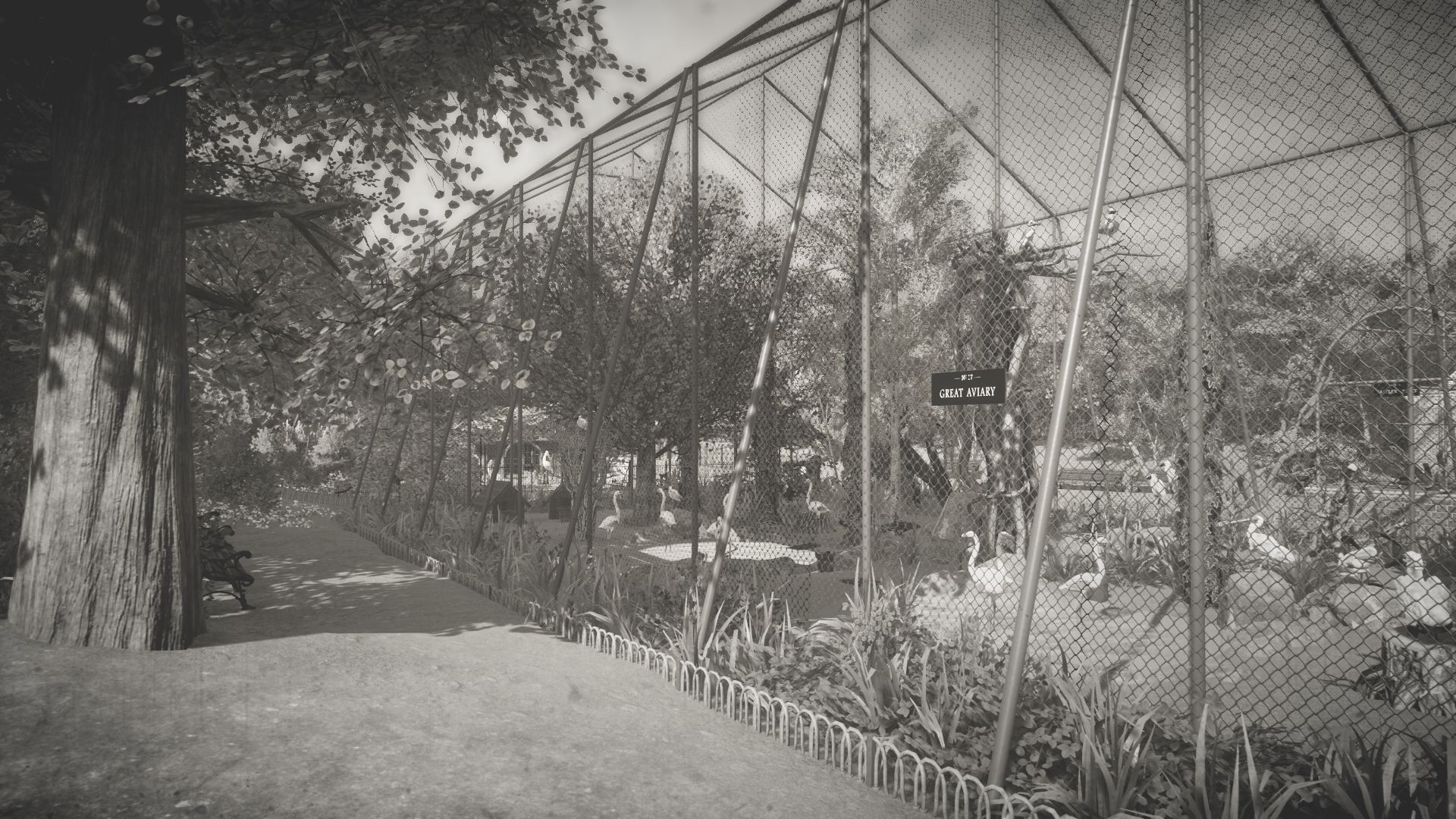
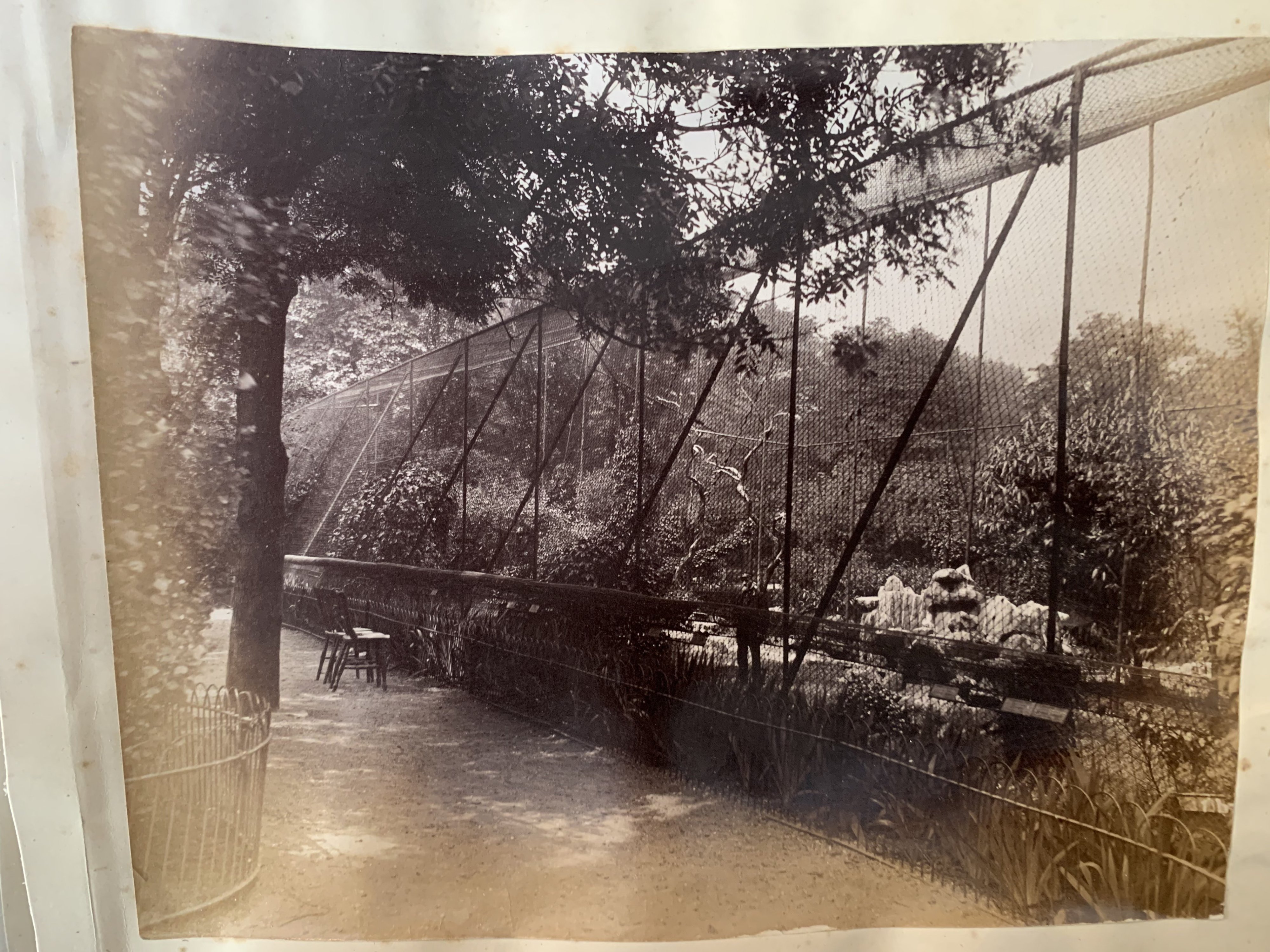
Heading from the Camel House back towards the main entrance, we come to the Great Aviary. This held various species of waders, such as ibis, herons, and flamingos, hence its alternative name 'the night herons' pond'. It was built in 1888, and was a pretty revolutionary way of displaying birds in a relatively naturalistic environment, and with sufficient vertical space to properly exercise their power of flight. F.G. Aflalo, author of A Walk Through the Zoological Gardens was inspired by the idea, and mused whether it would be possible to construct several such cages to rotate other animals through, giving lions run of the cage one day of the week, antelopes the next, and so on - very nearly coming up with the idea of a modern zoo, but just missing the mark... Presumably, The Great Aviary was cleared in 1970 to make way for the Sobell Pavilions.
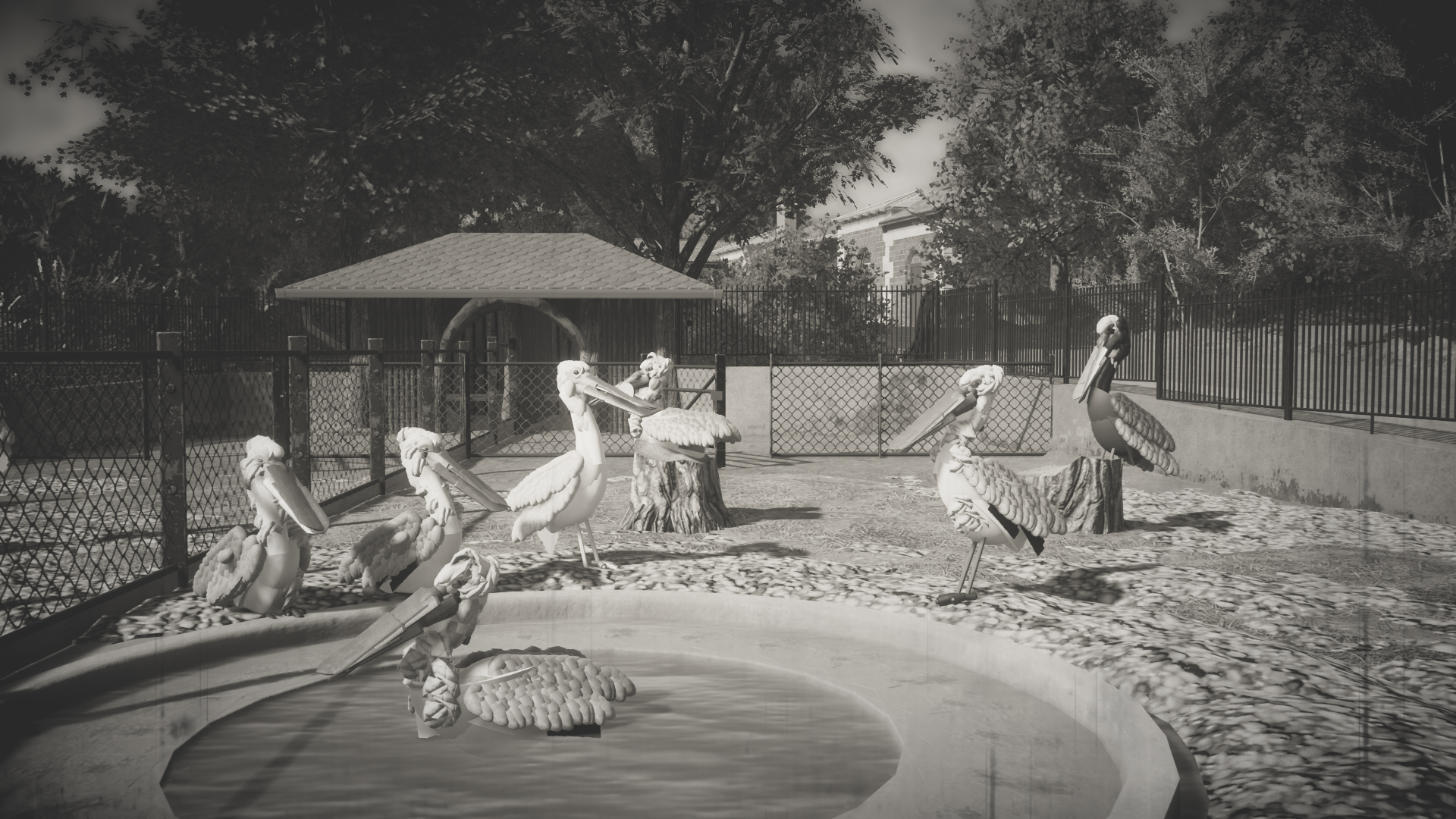
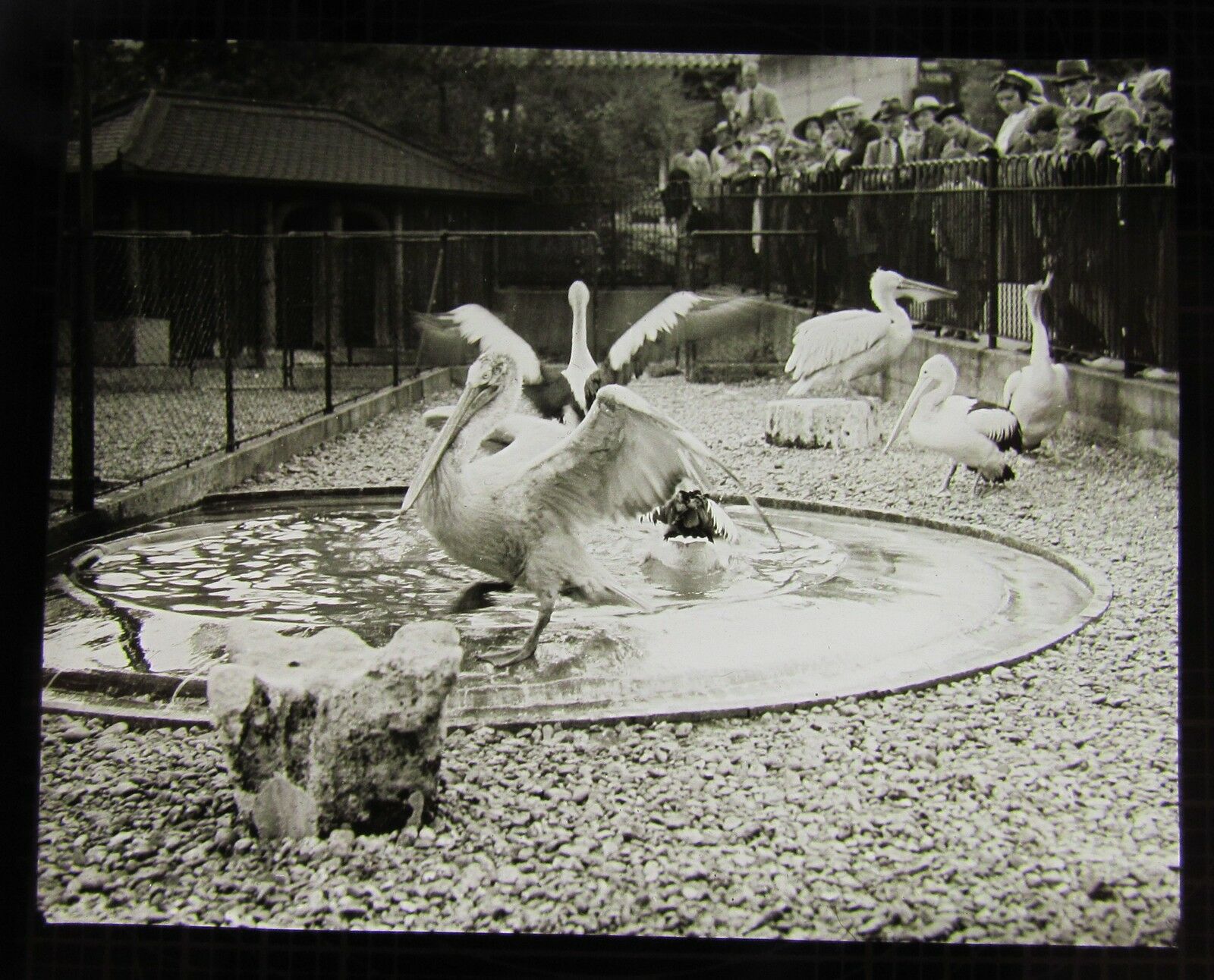
Following the path up, we get to the Pelicans' Enclosure. As far as I can tell, this enclosure existed since the 1850s, though it might have originally been used for different waterfowl. I'm not sure of the reasoning behind giving them such small ponds for the overall space, but I suppose it worked for them, as it was in use for over a century. Pelicans really do feel like a big gap in the roster, as they feel like such an iconic 'ABC' zoo animal. Once again, thanks to Drac and Jaguar_Rx for the birds that feature so heavily in this particular portion of the tour. The enclosure remained in use until it was also cleared in 1970, and was basically unchanged right up to that point.
Retracing our steps back down (don't blame me, blame the secretary), but looking to the other side of the path, we see the Eastern Aviary. This structure was built in 1864, and was used to keep tropical birds such as hornbills, seriemas, curassows and, on at least one occasion, a king vulture. As it could be heated, it also served as winter accommodation for the birds that otherwise lived in the Great Aviary just opposite. Apparently, there was public access inside, where there was another row of cages, though it must have been a real squeeze to get in there. The aviary was remodelled in 1990 with larger outdoor cages, and still stands today, holding ibis and storks.
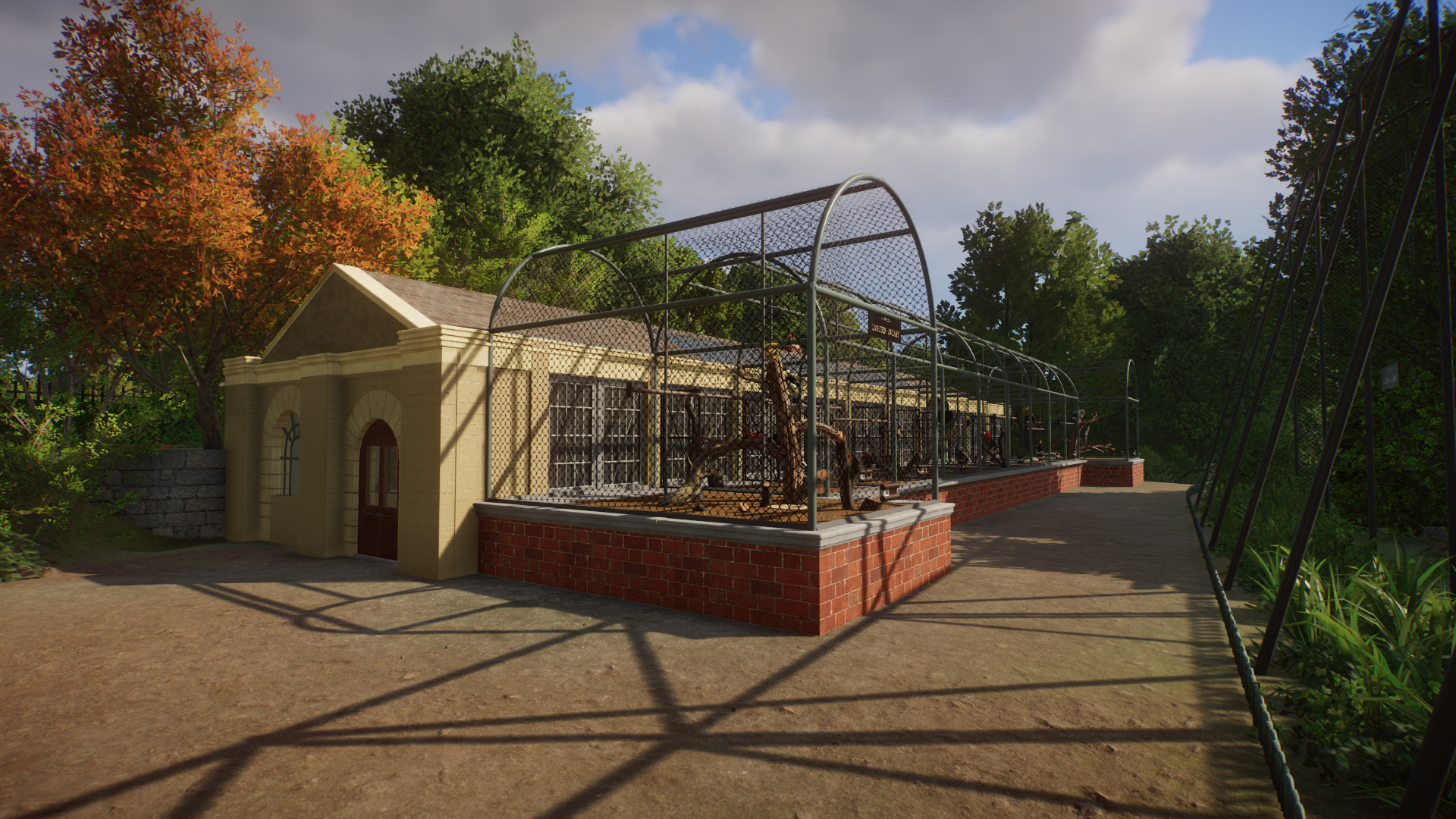
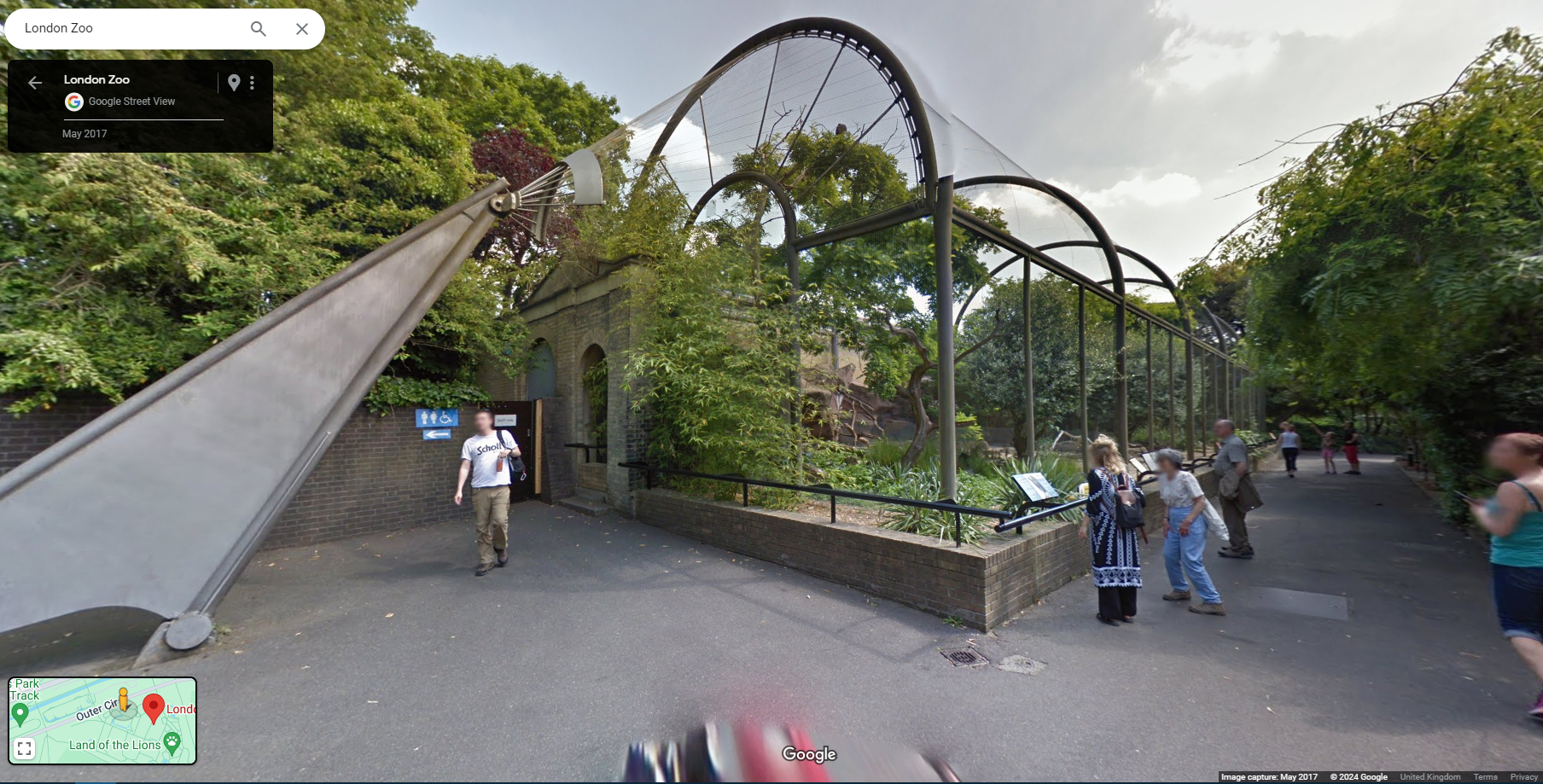
Just next to the Camel House is the Fellows' Tea Pavilion. This structure, exclusively for the use of fellows of the zoological society and accompanying friends, was built in 1898. It looks like it would be a lovely place to sit down and have a cup of tea and a piece of cake, though I do wonder about its extreme proximity to the smells of the Camel House. I'm not sure when this was removed, but I assume around 1928 to make way for Regent Building (the zoo's current restaurant). Apparently, it was rebuilt in Whipsnade to be used as a parrot house, but I've not been able to find any pictures of it there.
Behind the Tea Pavilion are the Pavilion Pond, which was originally constructed for an elephant seal, though in 1904 held waterfowl, and the Resident Keepers' Lodge, built in 1904 with several apartments for staff (another building which still stands).
Continuing on, we get to the Barbary Sheep's Yard. Built in 1891, this appears, as far as I can tell, to be very similar to the Sheep Yard to the south near the Sea Lion Pond.
Just past that, next to the East Tunnel (or, at this point in time, simply
the tunnel), is the Llamas' House. This slightly unusual rounded structure was built in 1898 on the site of a very similar bison house which had been there pretty much since the gardens opened. The Barbary Sheep's Yard and Llamas' House were, presumably, also cleared to make way for the Regent Building.
Swoop time!


