Reptilandia Reptile Lagoon - Full Review, Species List, and Walk-Through!

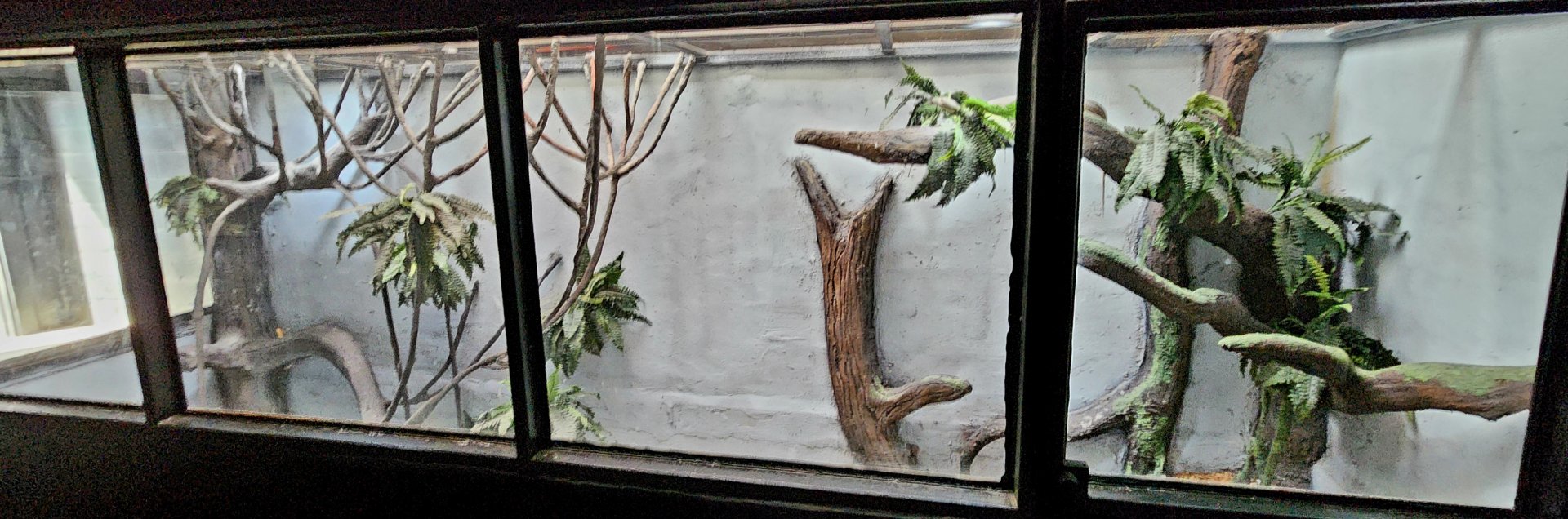
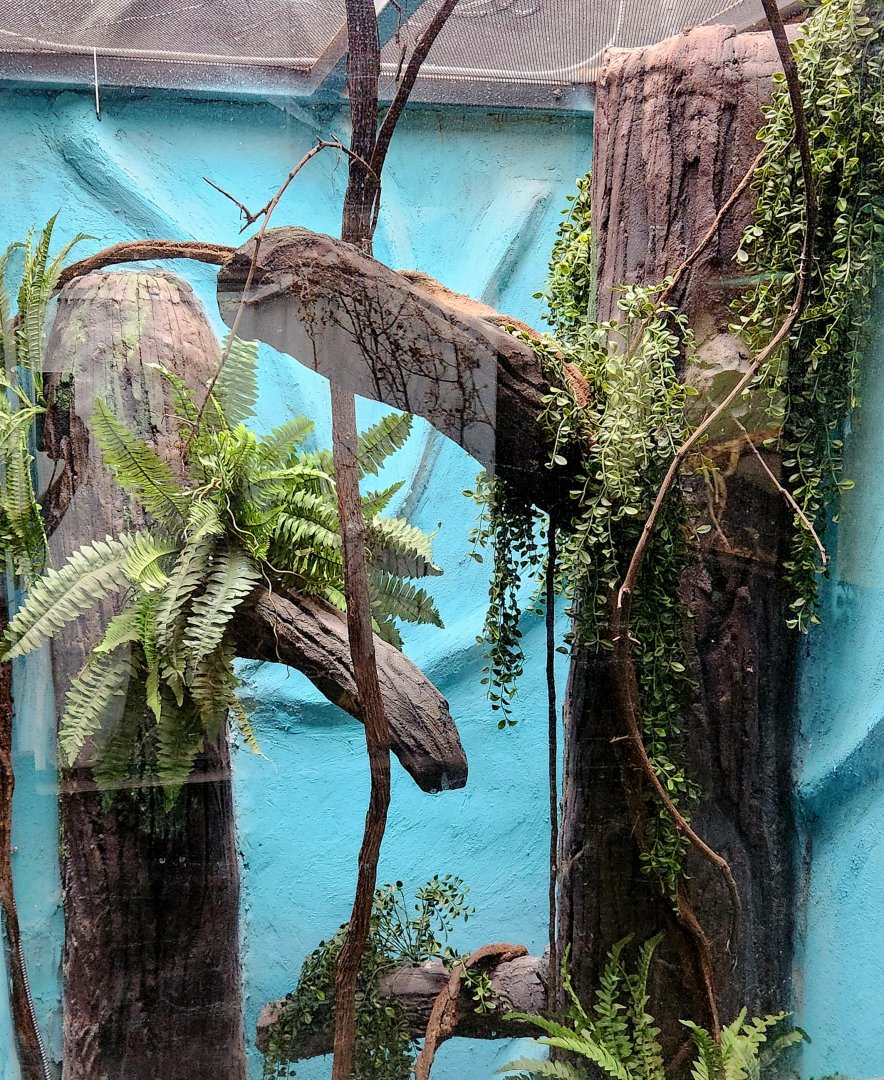
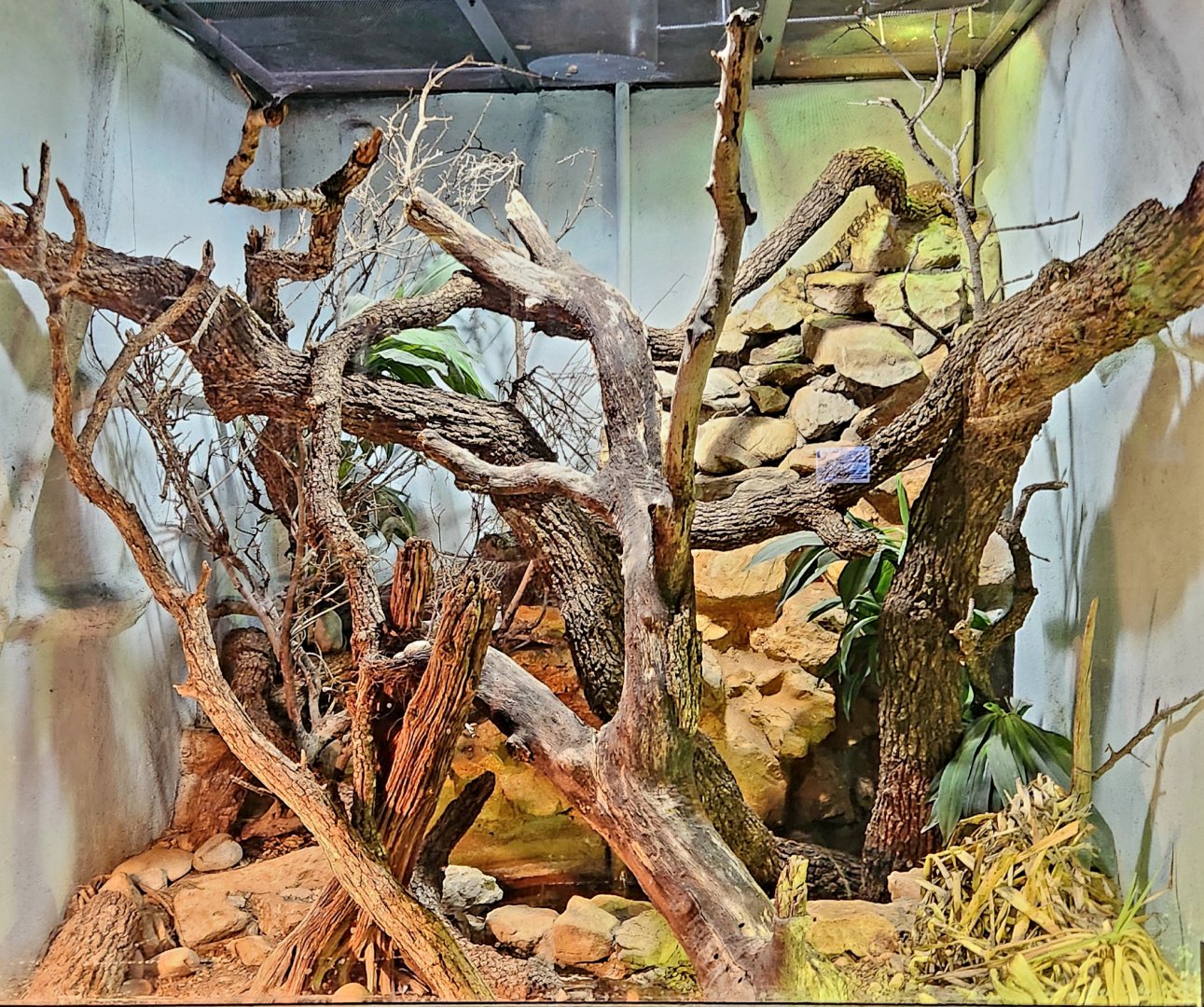
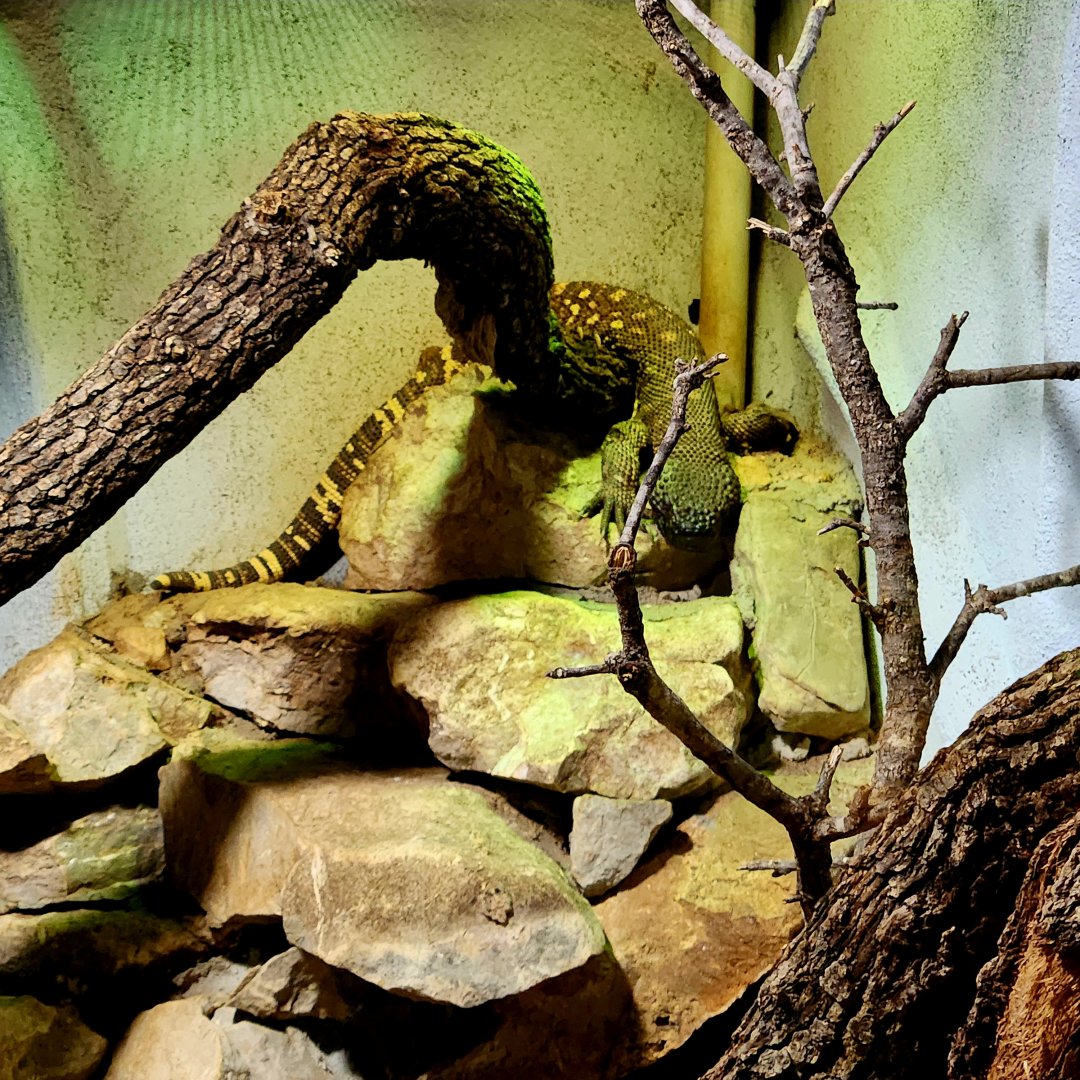
Exhibit 4.5: Northeastern Australia (Top Floor)
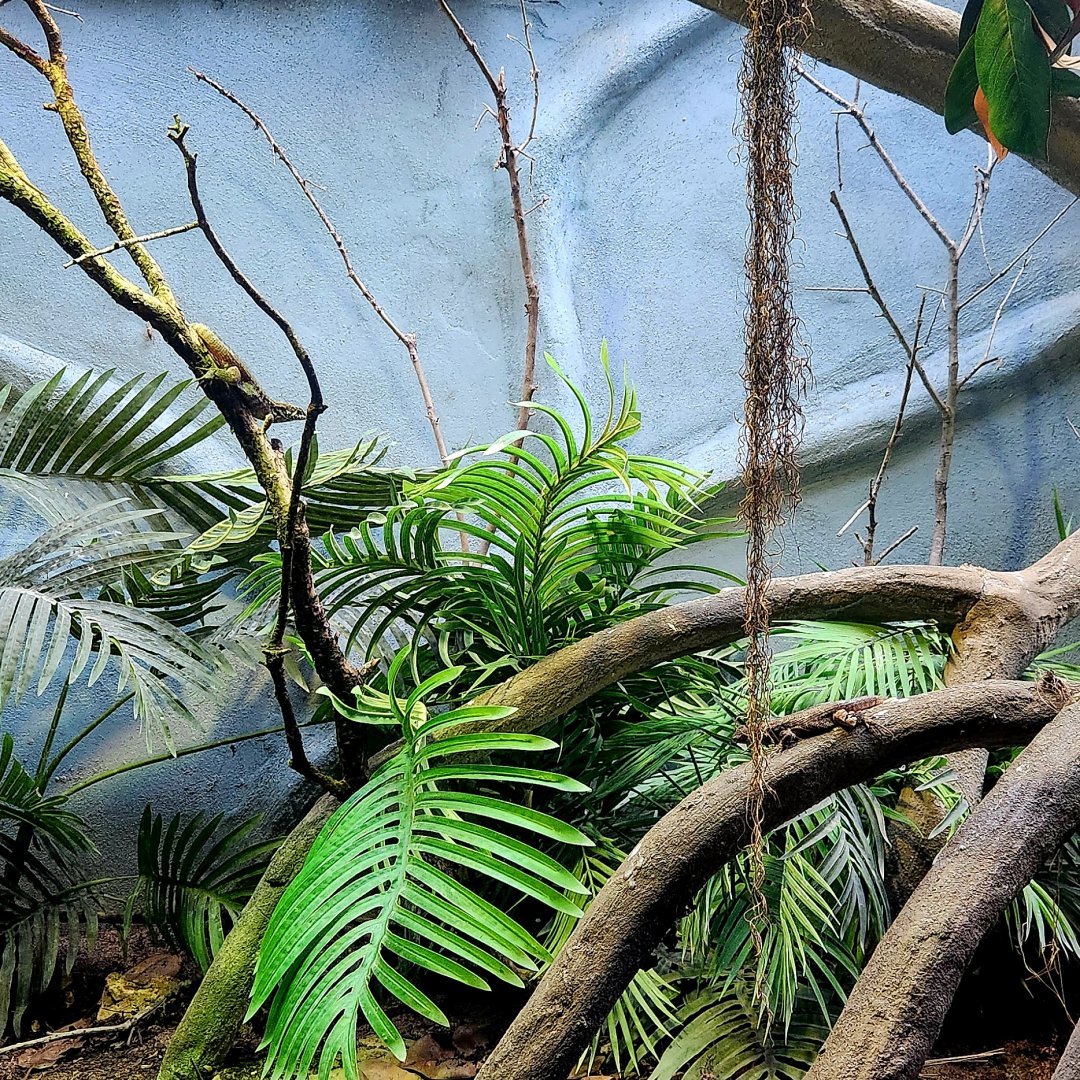
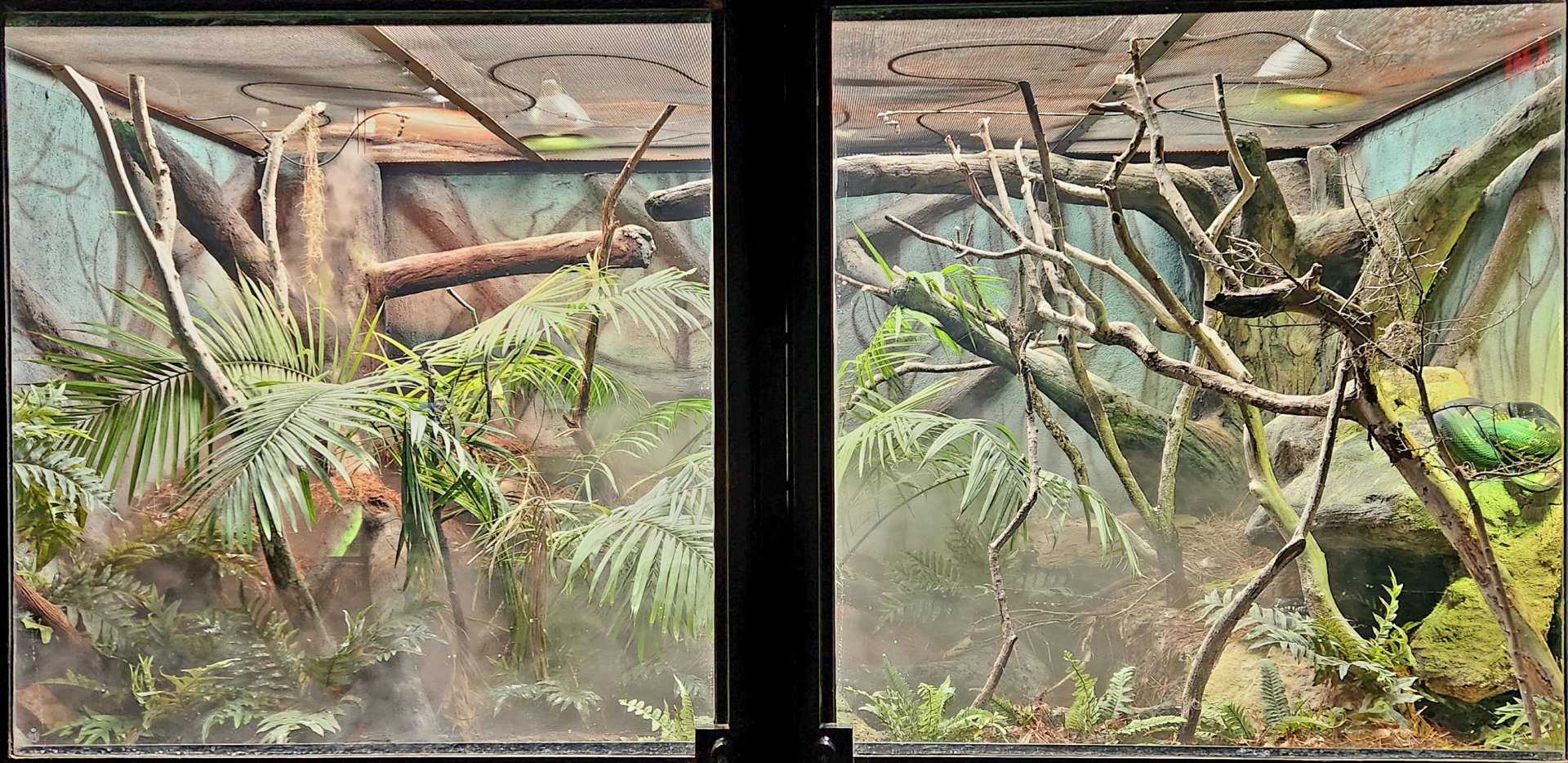
The upper floor of the Northeast Australian exhibit is lush with artificial ferns, and I'll take the opportunity here to say that whoever chose the artificial plants did a great job - lots of exhibits in here have had mixed live and artificial or completely artificial plants, and I'd be willing to bet a lot of people didn't notice until now. The branches up here are nicely-done, although the blending of the branch on the back could be better with all the others (again, these are my perfectionist nitpicks, I still regard this facility as top-notch!) I never saw the Water Dragons (Intellagama lesueurii lesueurii) make their way up this high, but on the contrary I never saw the Mertens' Water Monitors (Varanus mertensi) leave the upper canopy.
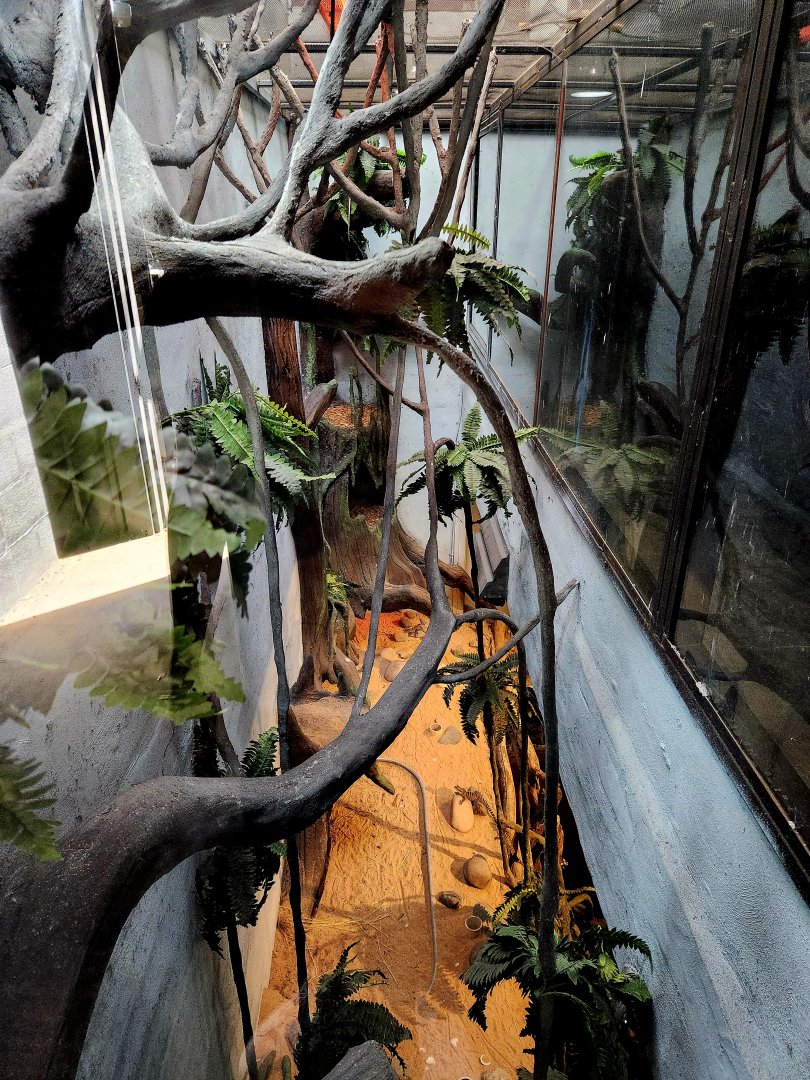
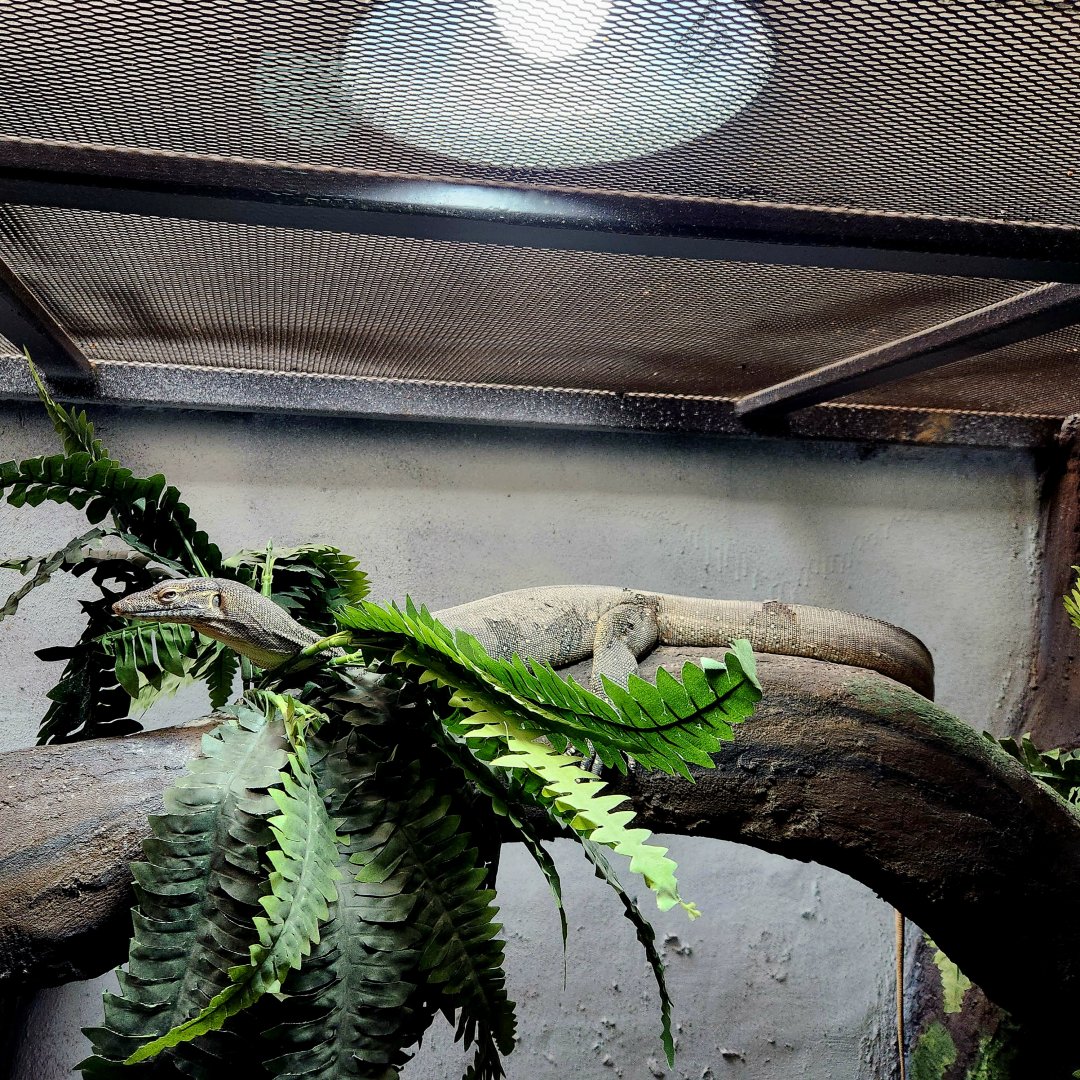
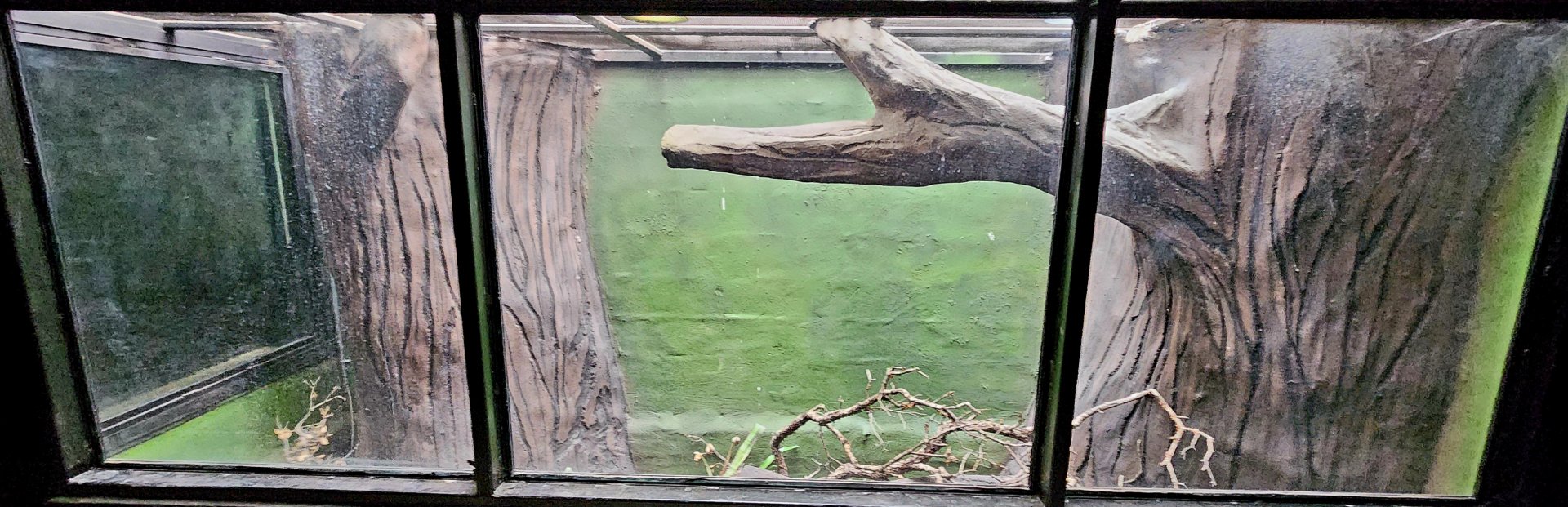
Exhibit 5.5: Amazon Rainforest (Top Floor)
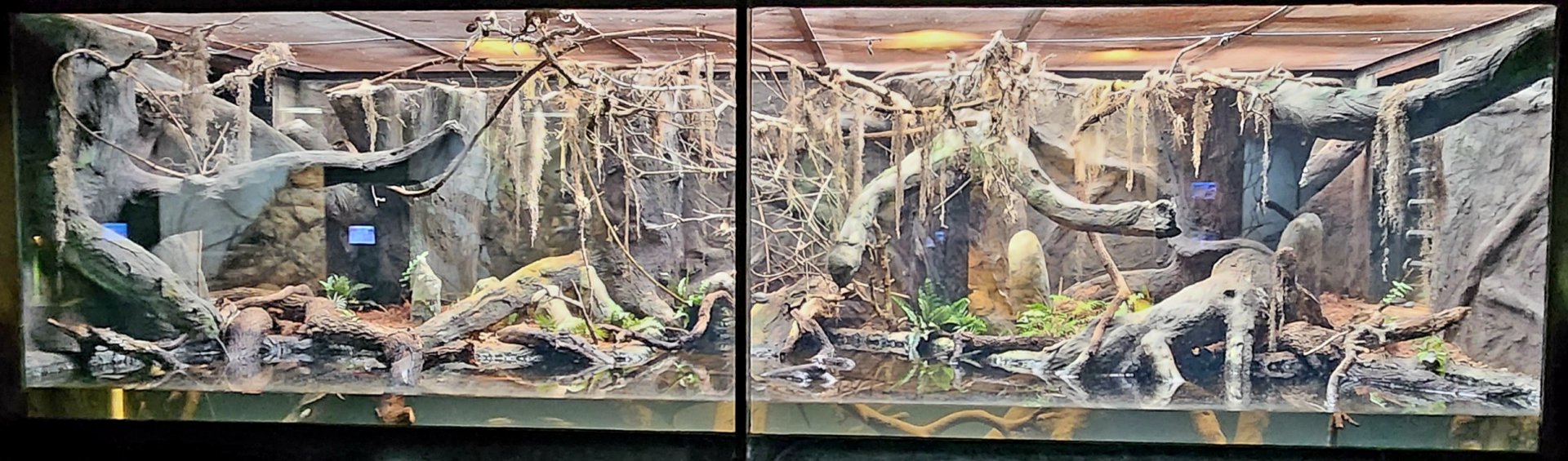
Not too much to report here, as the Basilisks (Basiliscus plumifrons) are the only species that can access this portion right now, and they don't typically hang out this high. Still, the view down is impressive, and I'm excited to see Caiman Lizards (Dracaenea guianensis) use the full height of these trees eventually - makes me wonder if they will jump into the water like the Crocodile Monitors. Speaking of, the trees in here look great, very similar to the Crocodile Monitor Kingdom.
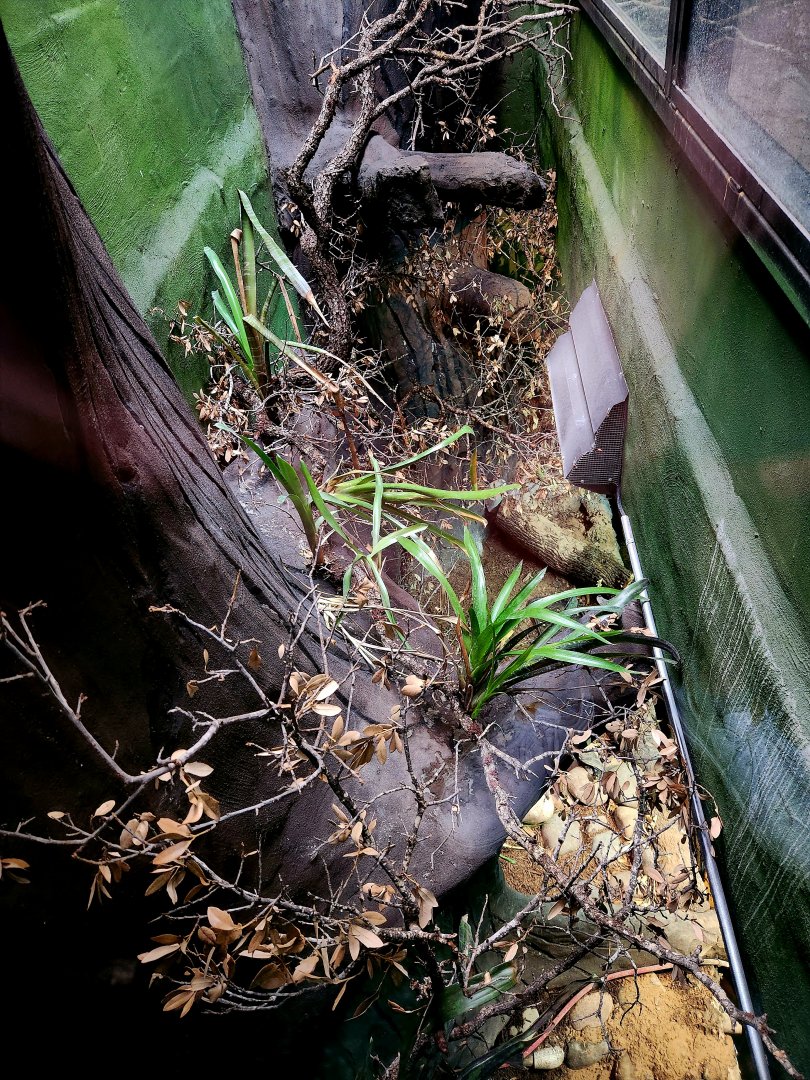

Exhibit 6.5: Batanta (Top Floor)
This is typically where the Blue Tree Monitors (Varanus macraei) in this exhibit hang out, given their arboreal nature. I saw at least one in here throughout the day, who was primarily napping or chasing Dubia Roaches around the entire 30' height of the enclosure. Not a whole lot I would add here, but some plants draping down over the walls might make the blue appear more like the intended skyline and less jarring.
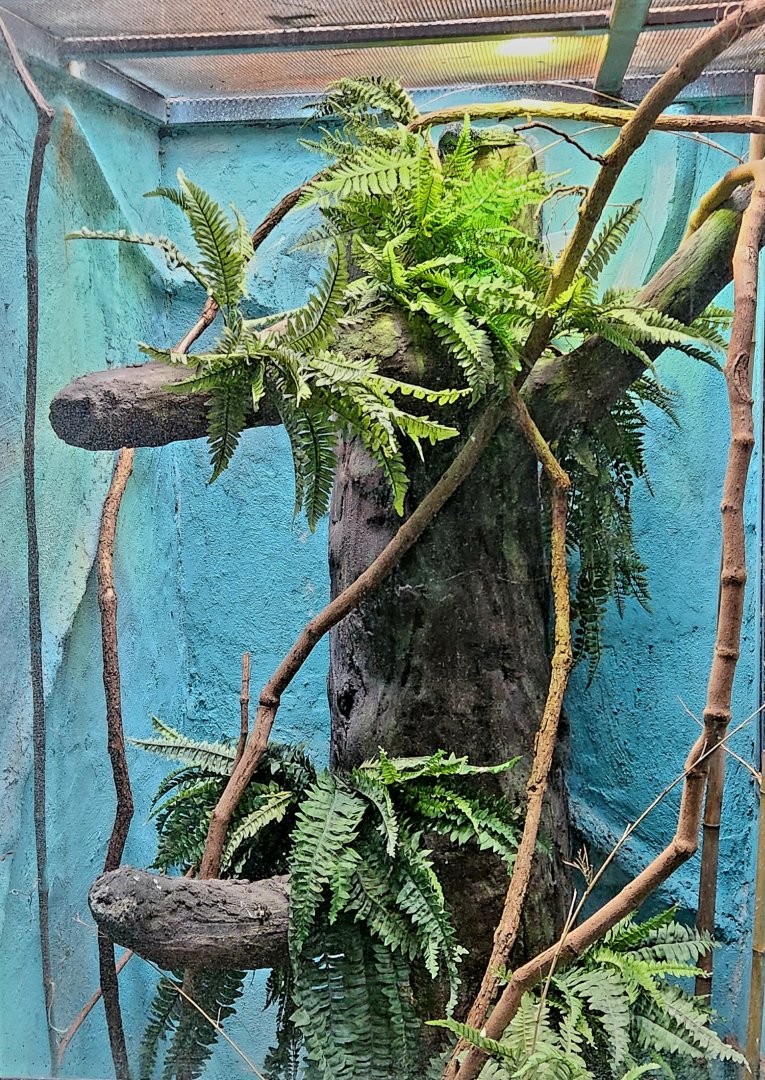
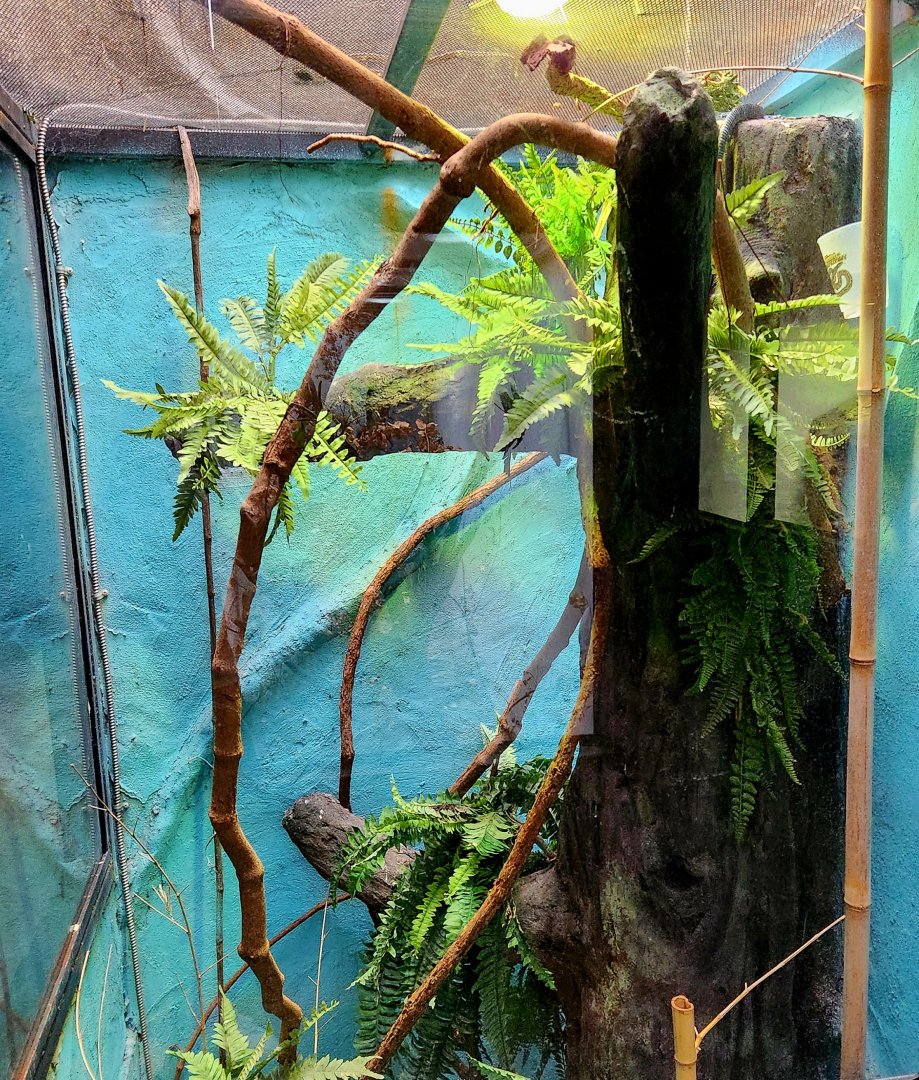
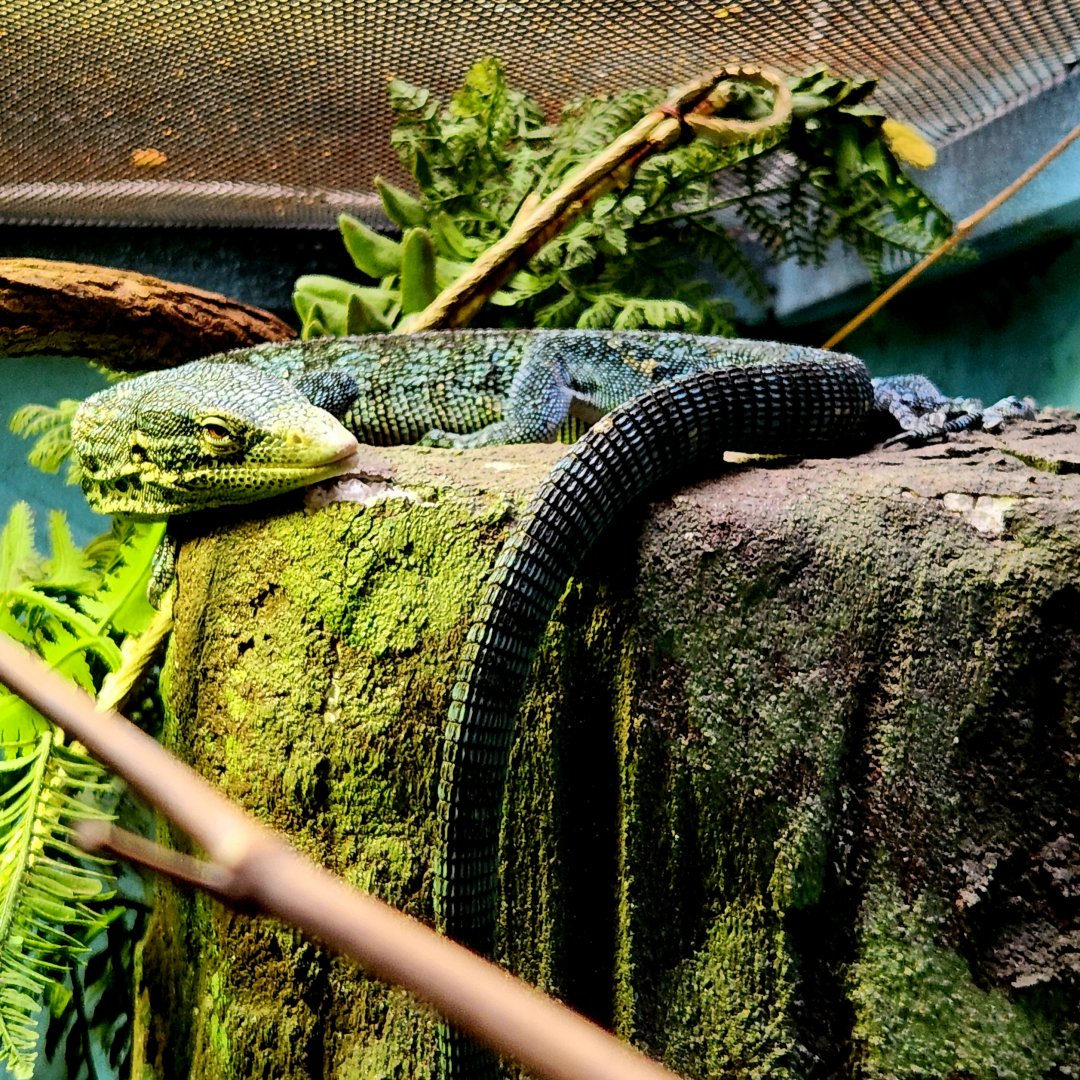
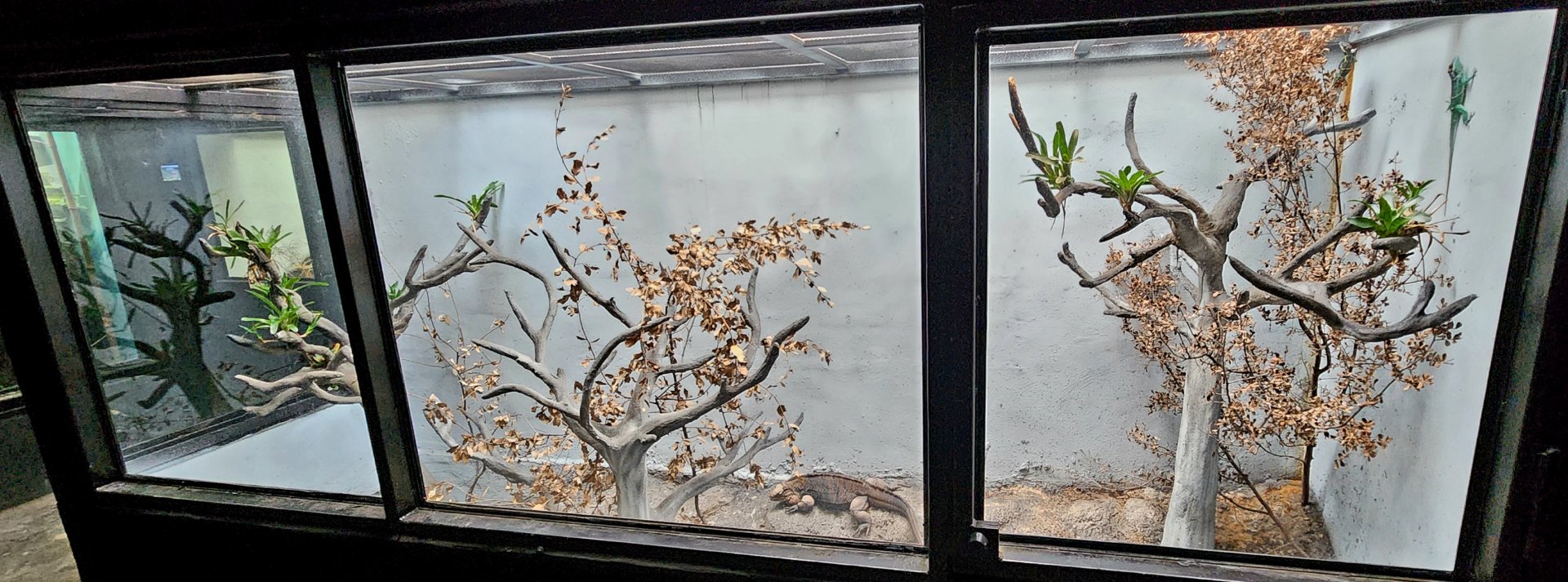
Exhibit 7.5: Cuba (Top Floor)
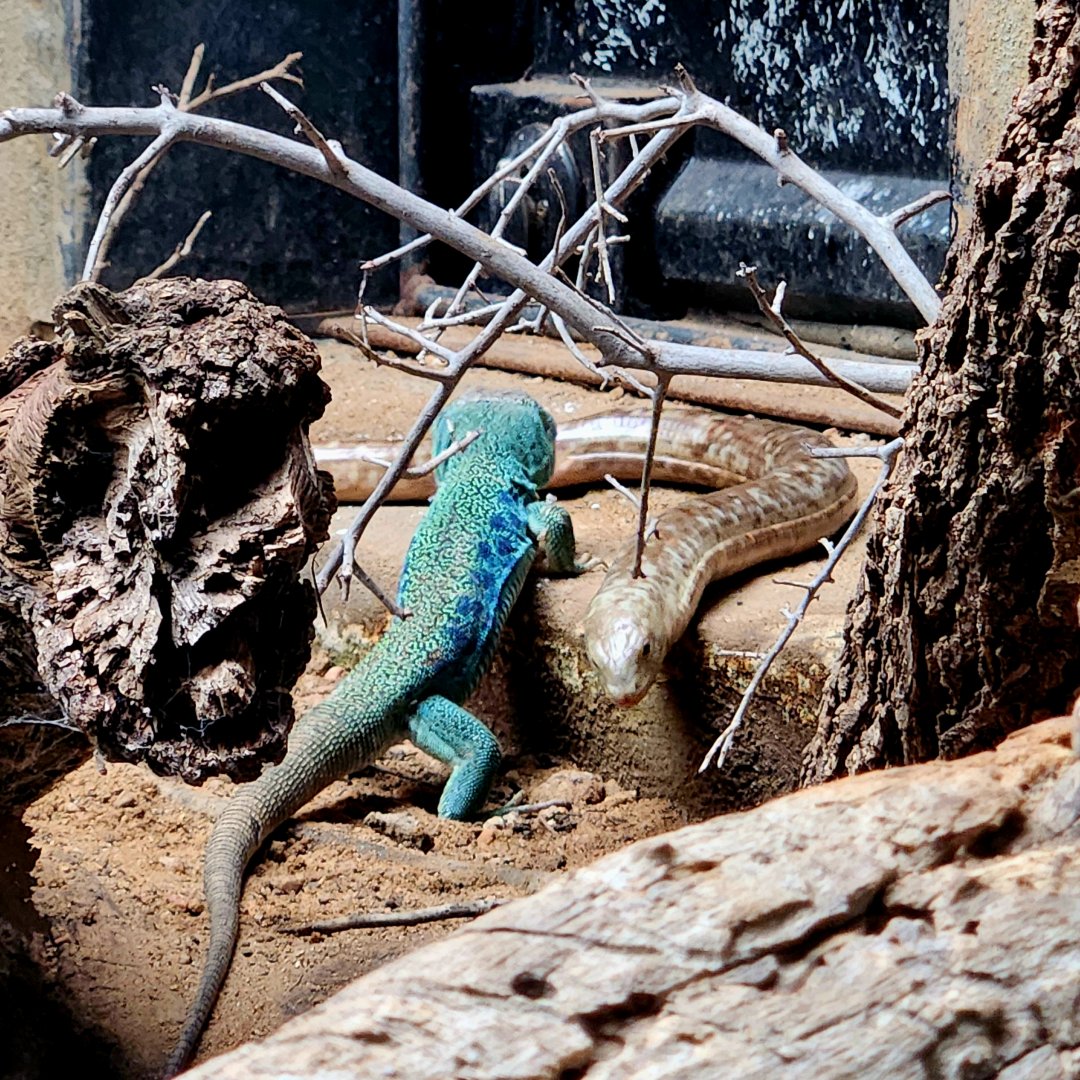
This is one of the more exciting upper story exhibits, with the male Rock Iguana (Cyclura nubila) spending a good portion of the day basking atop the rock pile. He's quick to give a quick two or three little head bobs to say hello, and is clearly a well-socialized animal. Also visible up here are the Smallwood's Anoles (Anolis smallwoodi), another member of the equestris species complex represented here. Make no mistake, these are no Knight Anoles (A. equestris). They are far more brilliantly patterned, with a bright teal hue that makes them very attractive. The combination of artificial trees, live bromeliads, and natural shrubbery up here make this exhibit one of the top floor's stars, and I'd be excited to see the aforementioned Northern Curly-Tailed Lizards (Leiocephalus carinatus) use the full height as well.
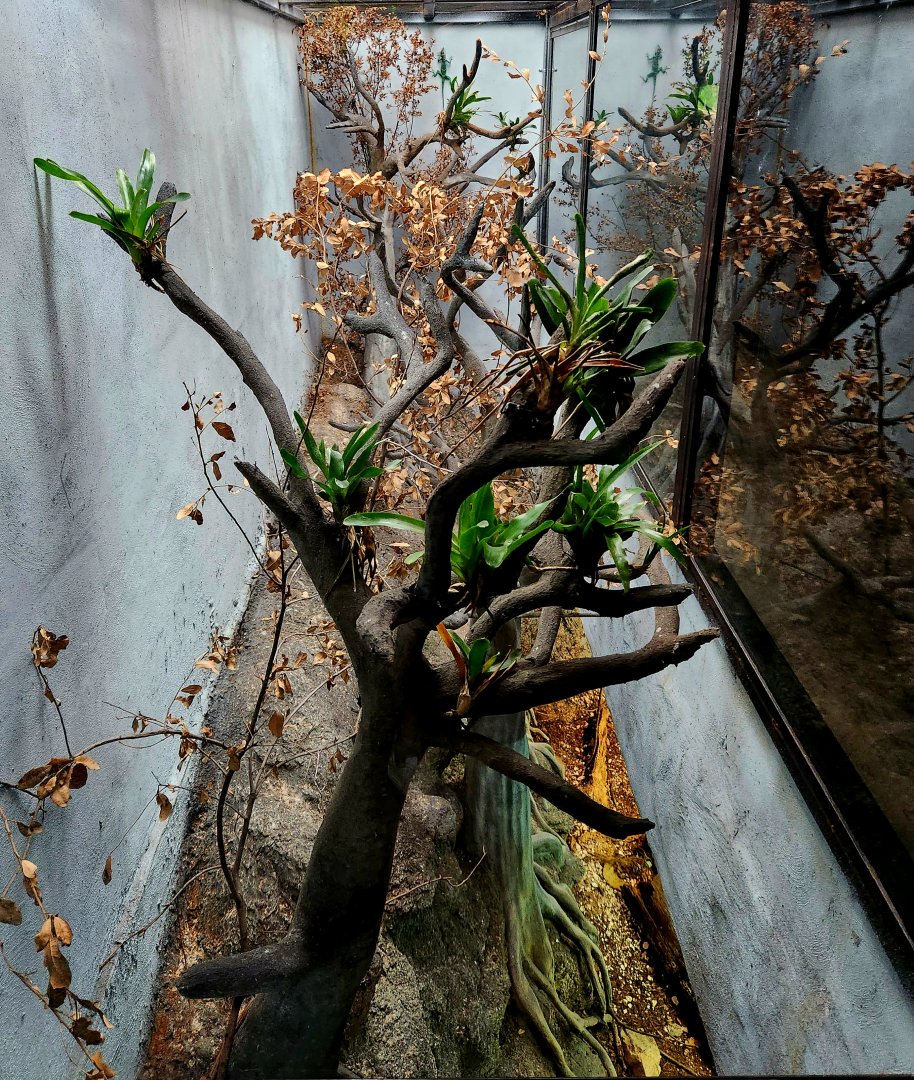
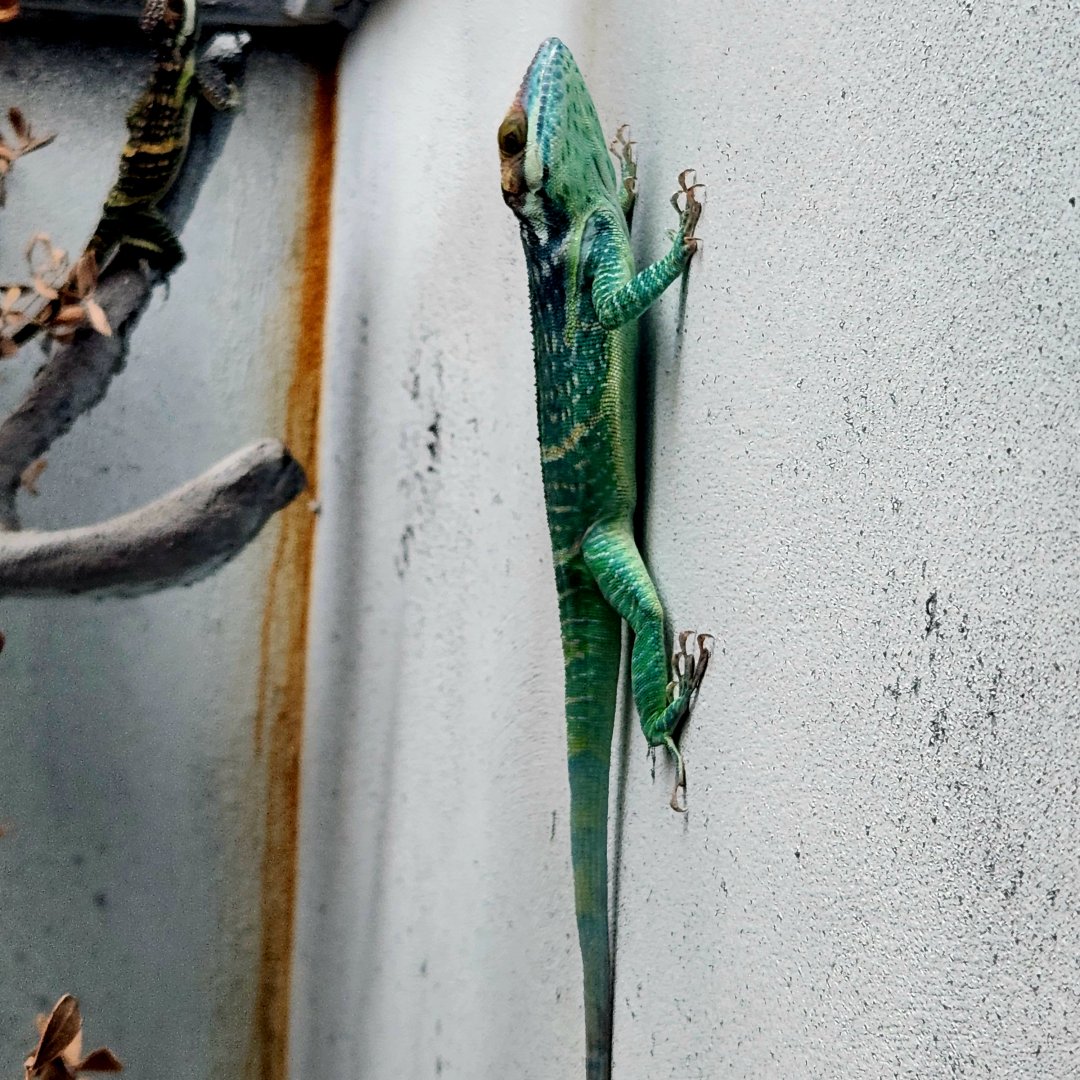
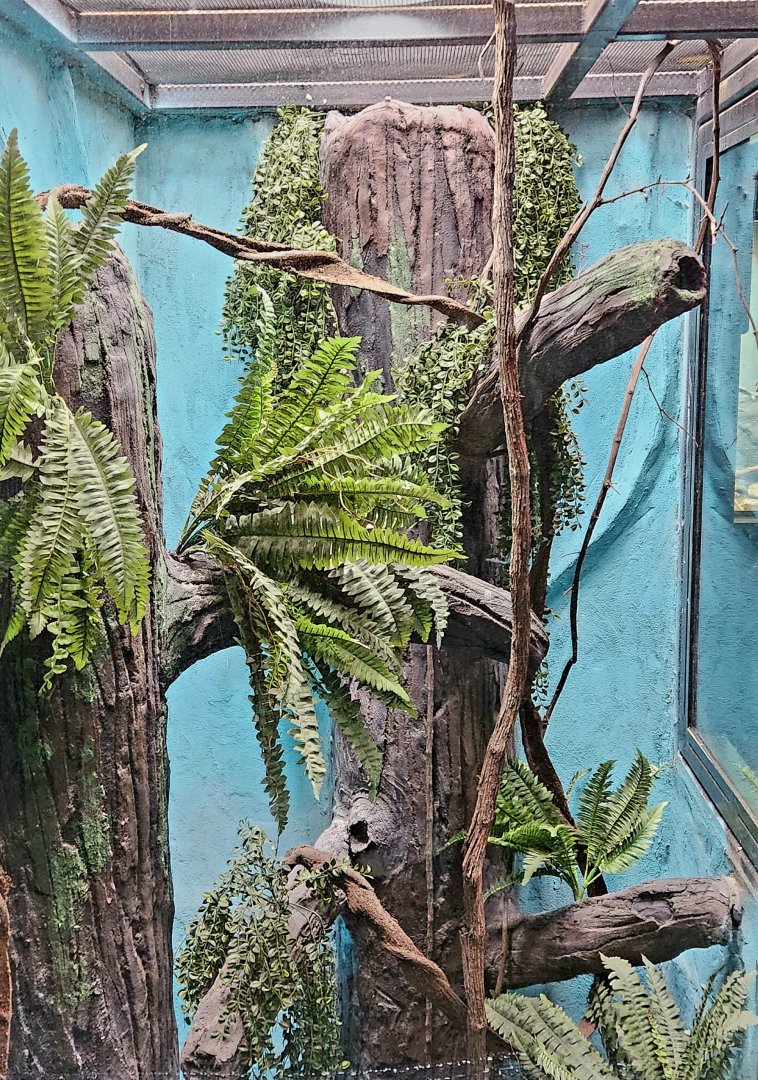
Exhibit 8.5: Aru Islands (Top Floor)
Nothing here yet, but I will add that I like this exhibit better than the previous Tree Monitor exhibit. The plants look especially nice in here, and the vines have a more natural look as well. As with the previous enclosure, adding some more plants draping down over the walls could make the blue appear more like a skyline and less jarring.


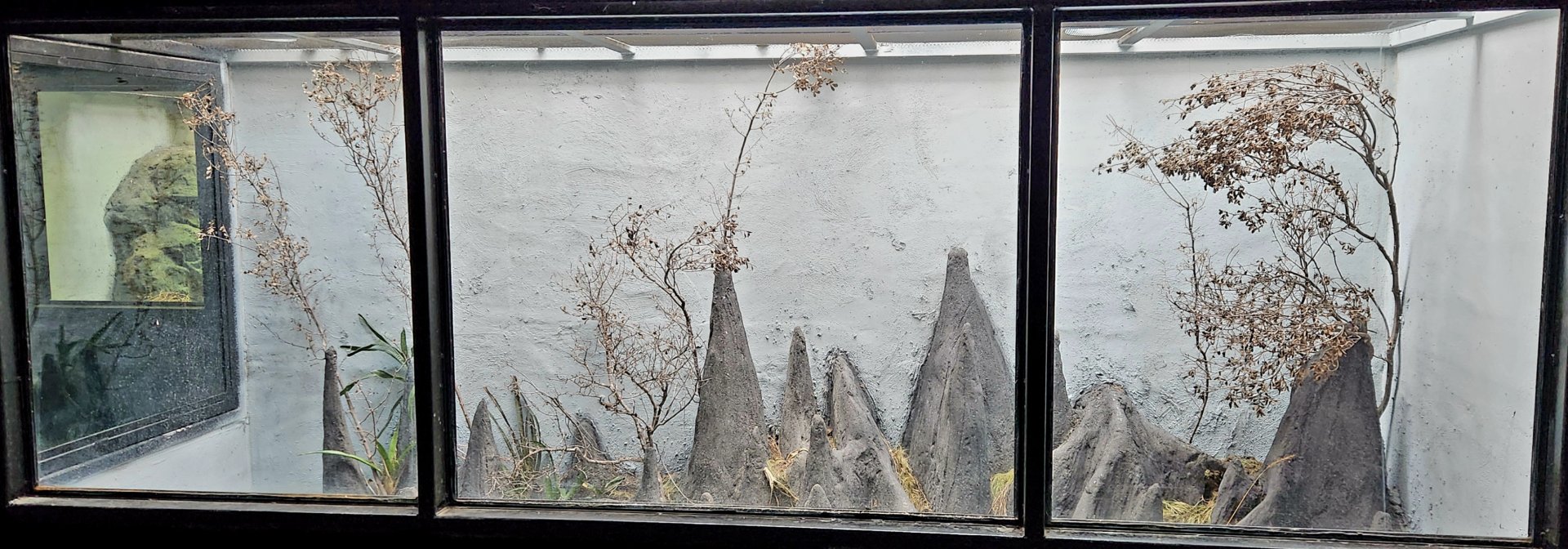
Exhibit 9.5: Tsingy Peaks (Top Floor)
This was another attractive exhibit from the top floor, with the peaks of northwestern Madagascar near-perfectly represented. I'm happy with how nicely the photos of this exhibit came out, I was worried they wouldn't capture the beauty of it. I do think the exhibit would benefit from a larger lizard population, especially of the Day Geckos (Phelsuma sp.) as I only saw one for a brief second. A number of chameleons would probably do quite well in here, as they have a bit of floorspace at the top there and they'd be relatively undisturbed. While Oustalet's Chameleons (Furcifer oustaleti) are probably the most common in Tsingy, Green Chameleons (Furcifer viridis) are also known from the area. Appropriate geckos might include P. abbotti or P. kochi, and Western Girdled Lizards (Zonosaurus laticaudatus) would make another great addition.
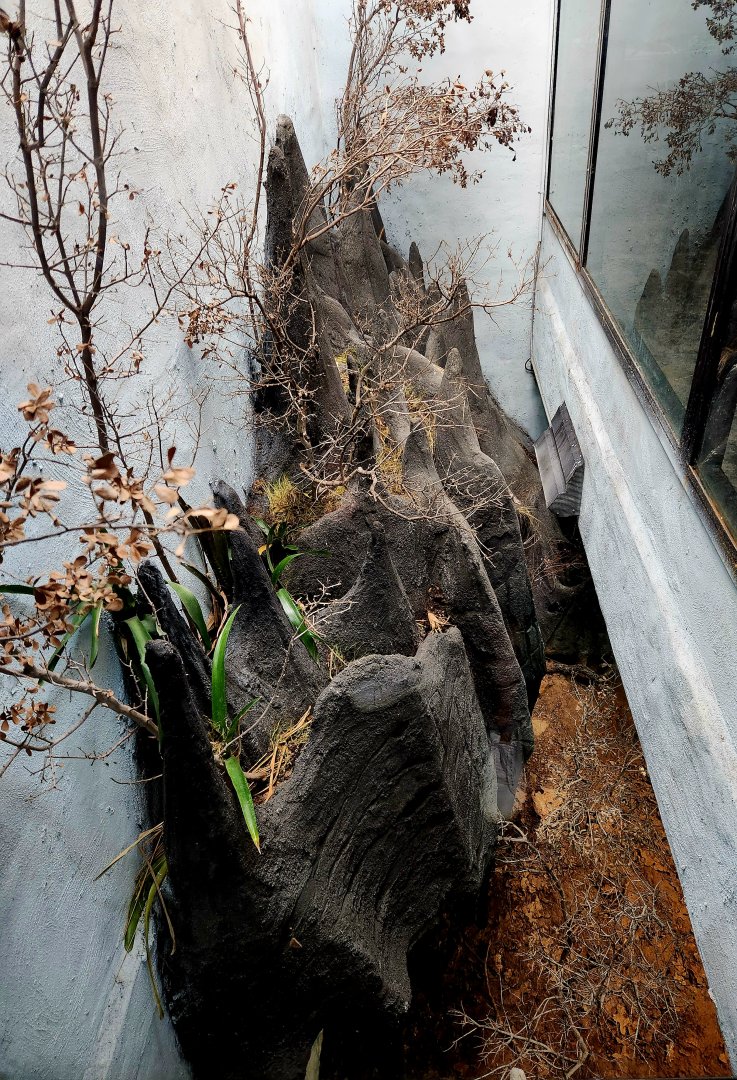
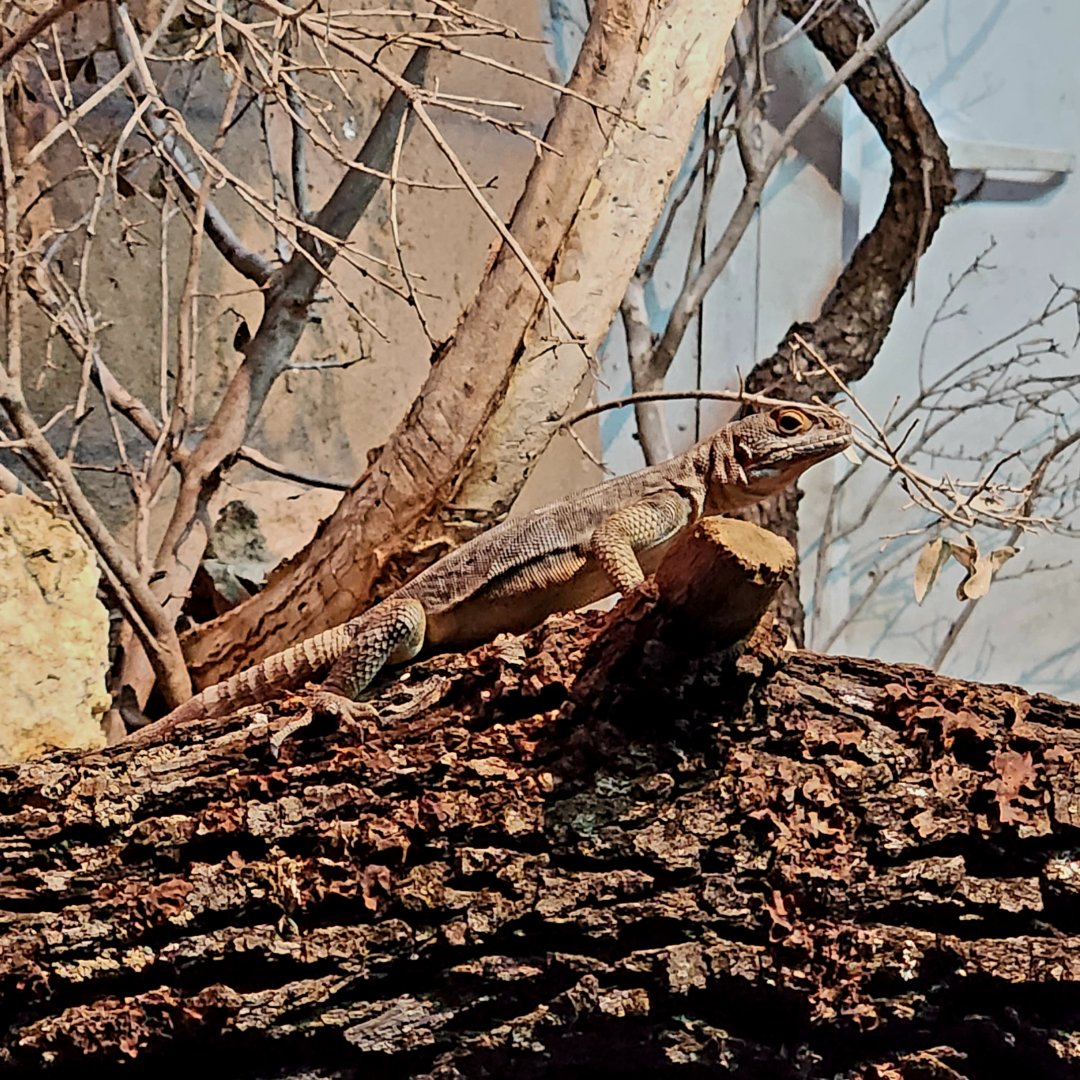
Exhibit 10.5: New Guinea (Top Floor)
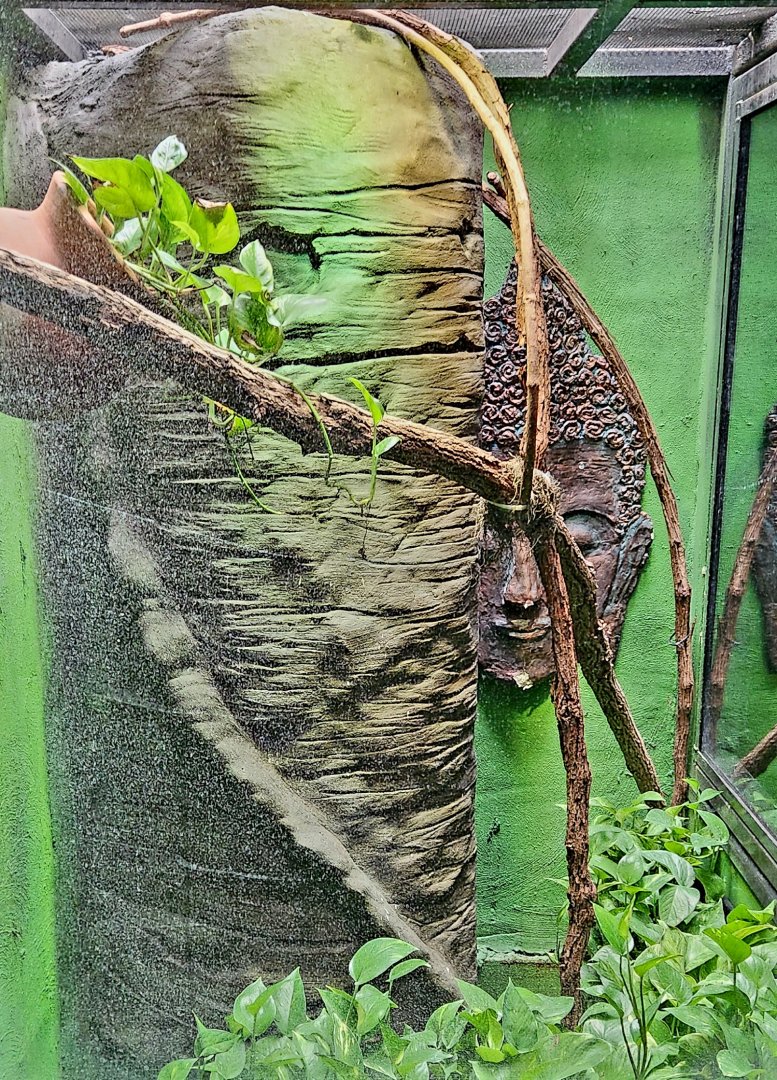
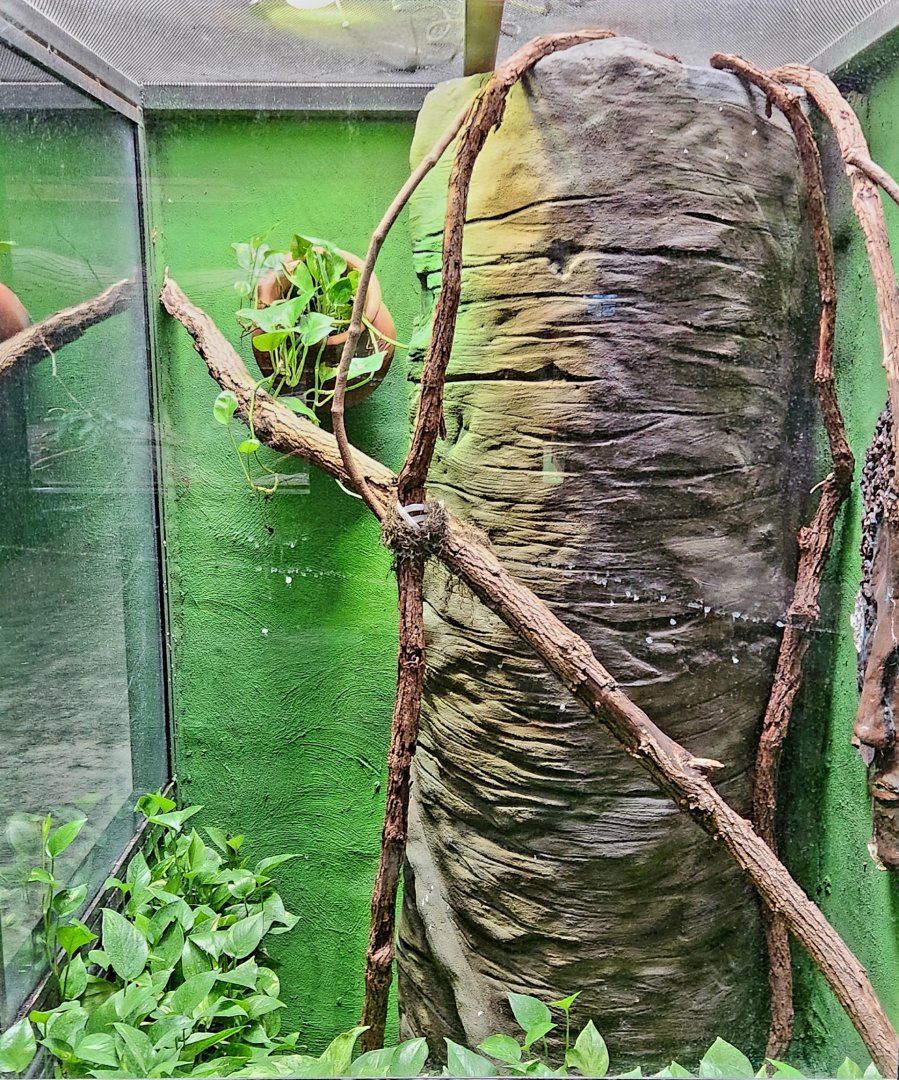
Not too much to report on here animal-wise, this was signed for the Angle-Headed Forest Dragons (Hypsilurus magnus) but I'm not sure they were on display during my visit. I really like the tree in here, and as I mentioned earlier I'd love to see the Blue Tree Monitors (Varanus macraei) moved over here as they are the largest of the Tree Monitors. The planter boxes with live Pothos near the windows are a great touch as well. The mask and potted plant are going to illicit mixed opinions - I won't comment either way.
 
Last post for tonight, and this will round out the top floor and entirety of the Tropical Building with the last six exhibits.

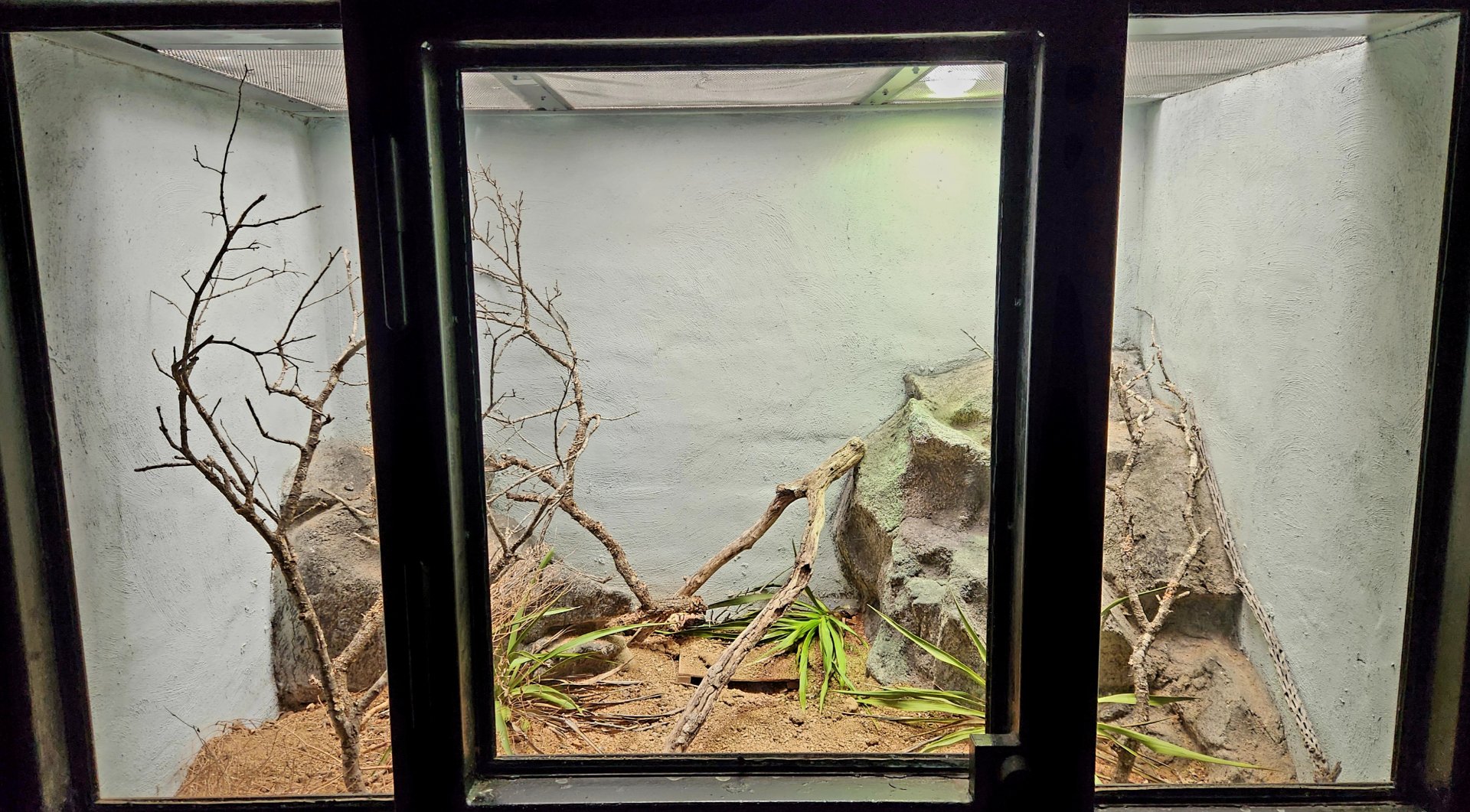
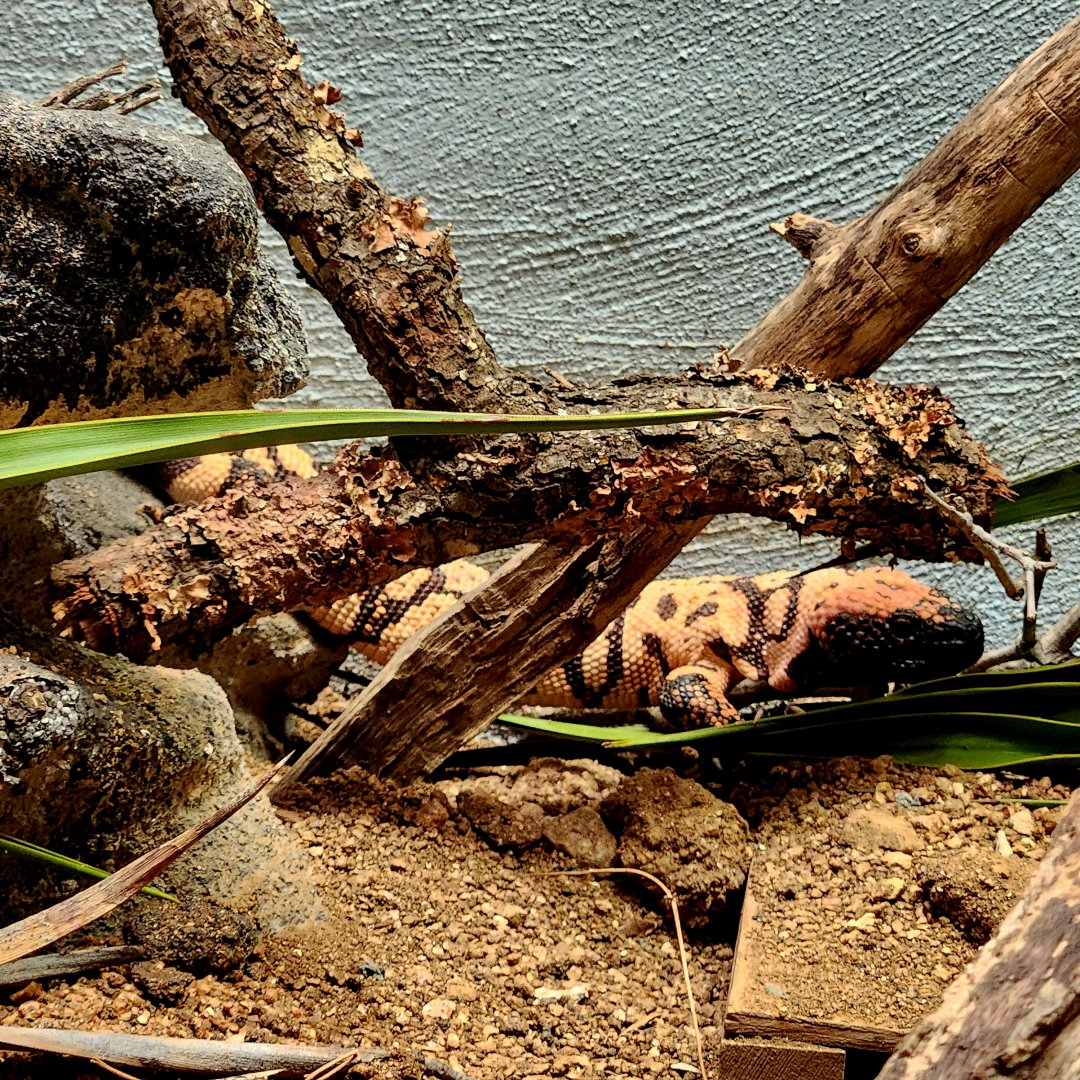
Exhibit 71: Sonoran Desert
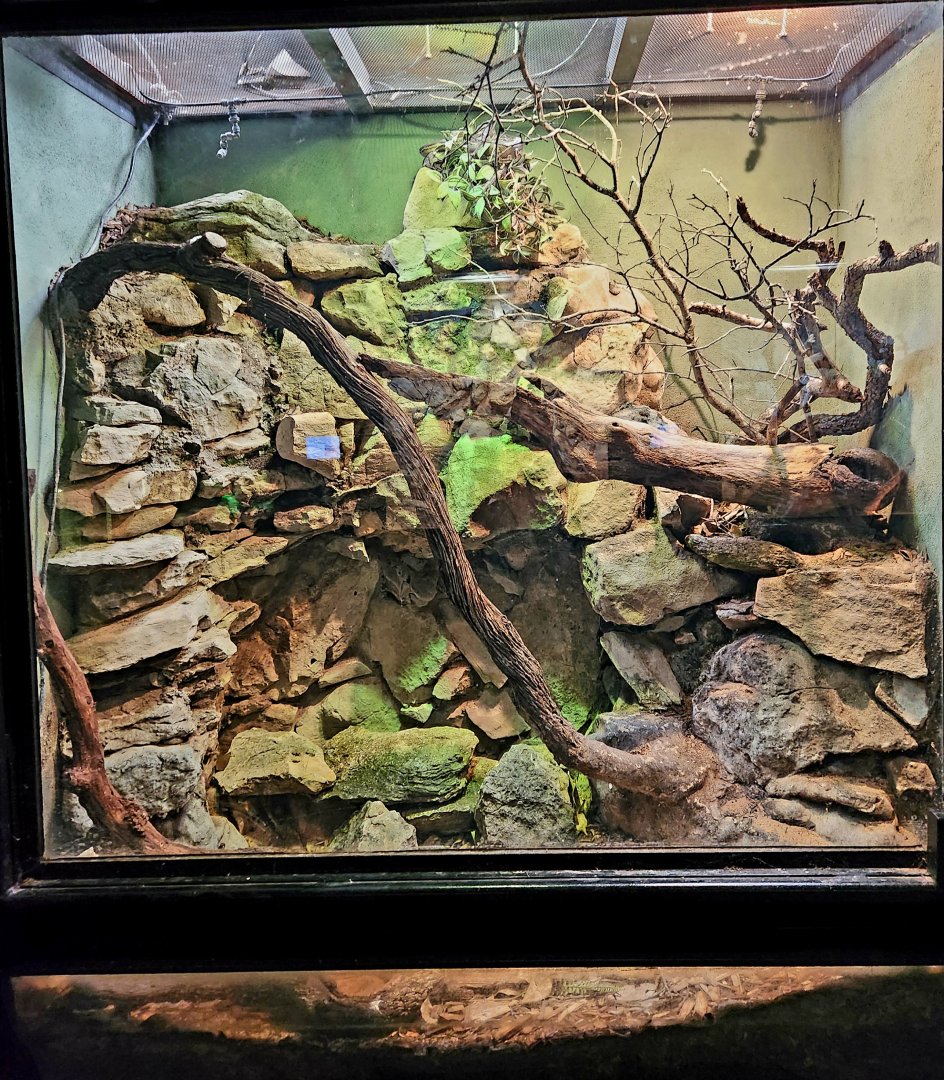
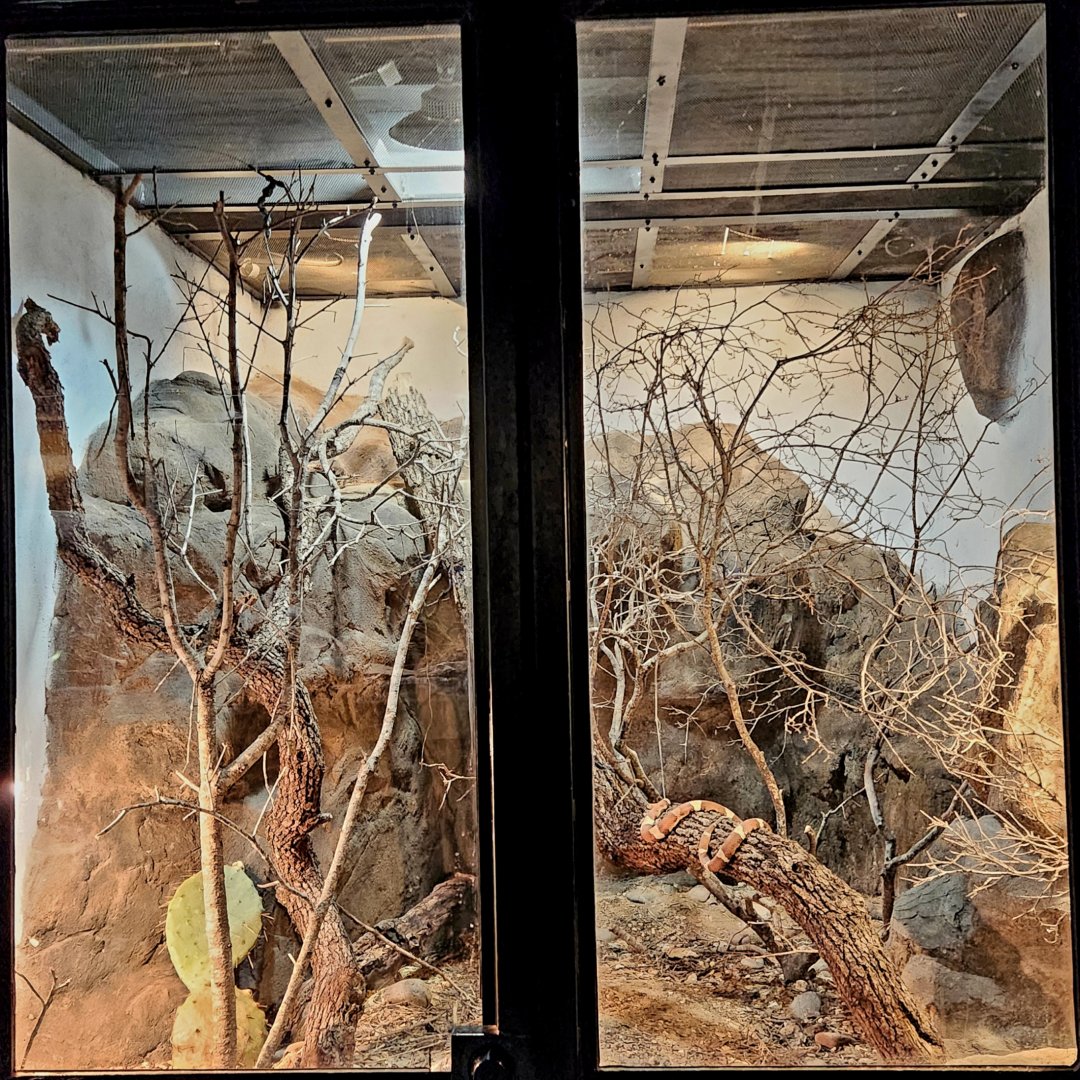
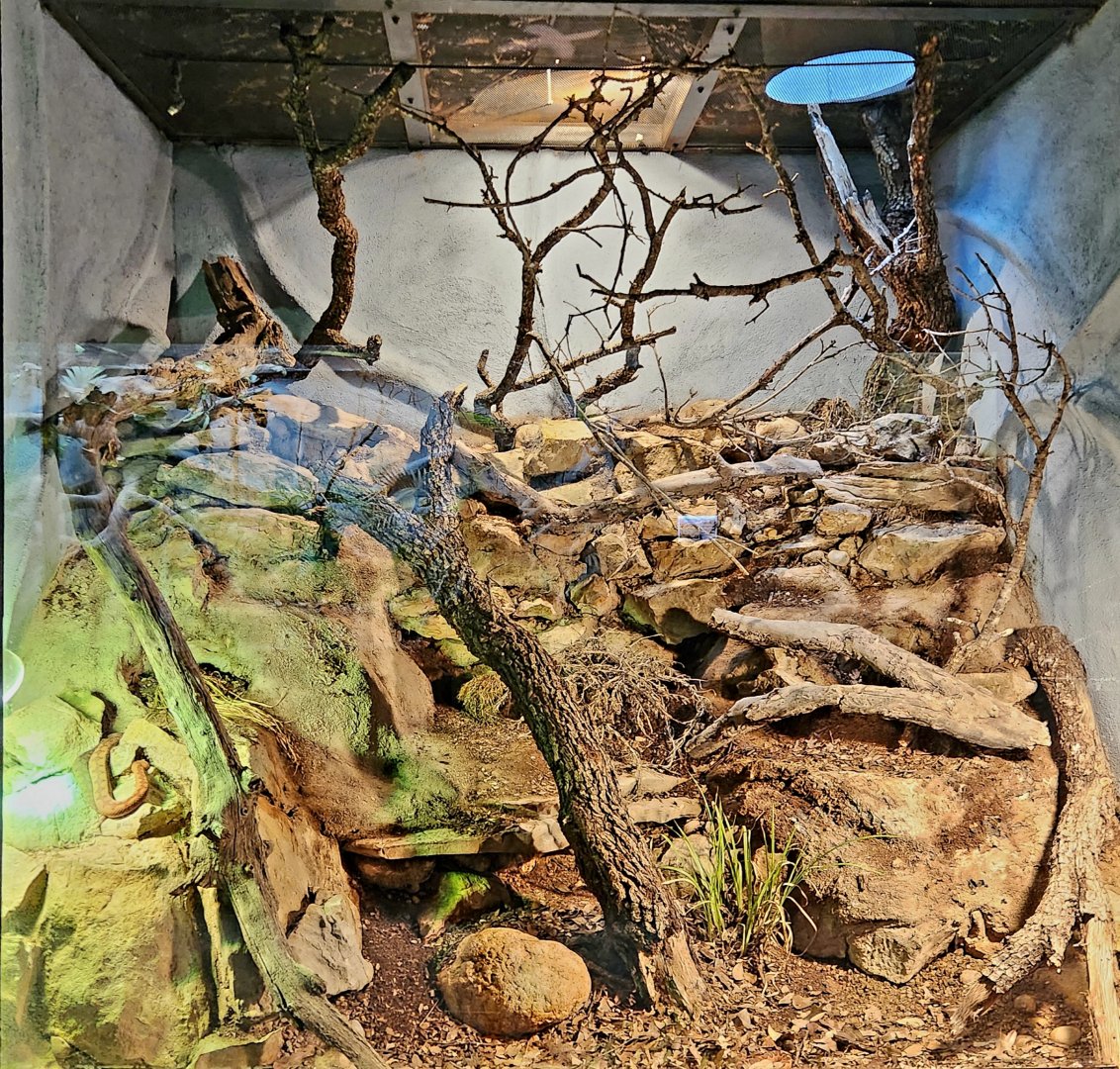
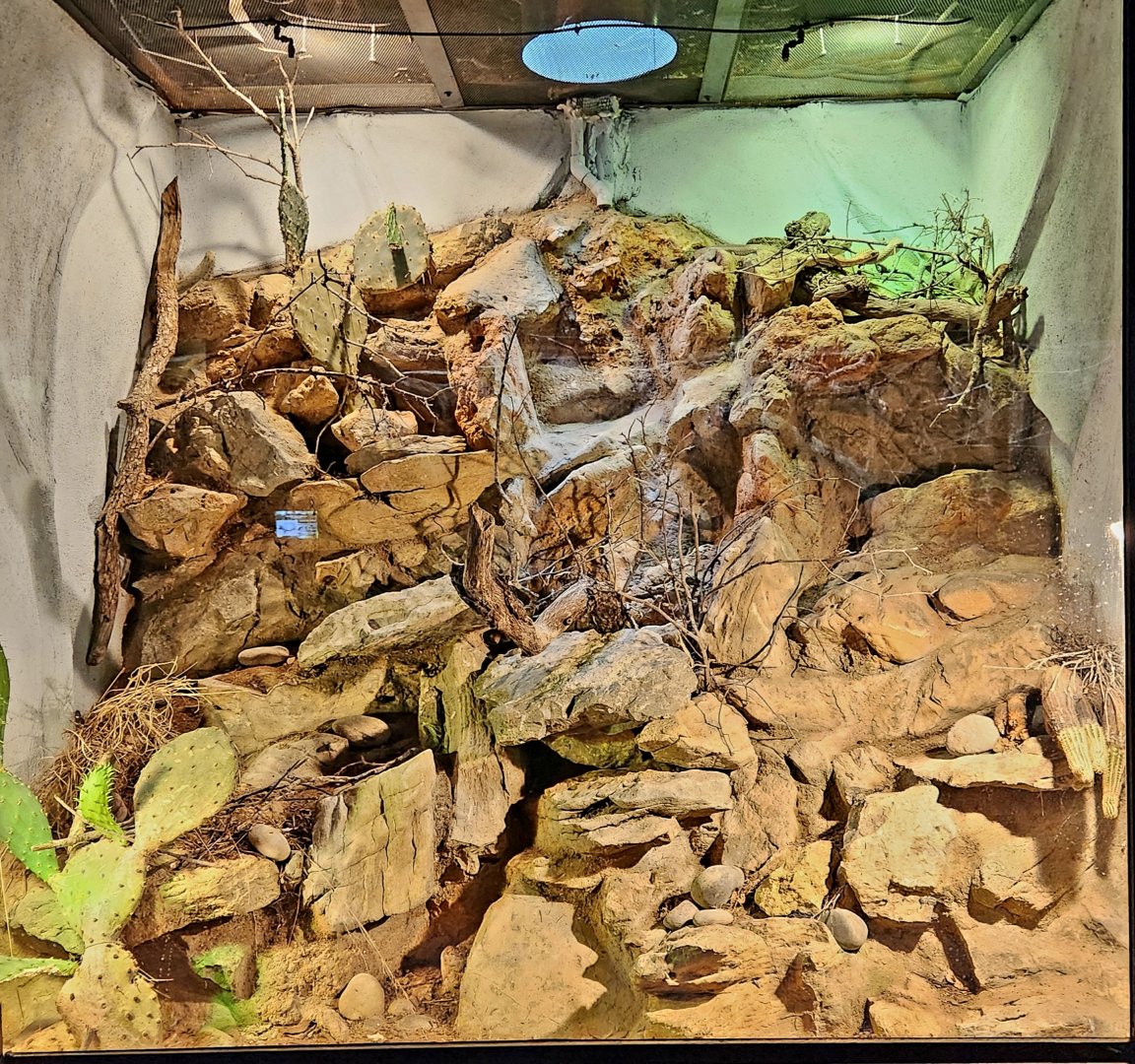
A pretty decent Gila Monster (Heloderma suspectum) exhibit, with some nice rockwork and a nice branch and plant selection. To be honest, there feels like a lot of wasted space and potential in this exhibit. The rock wall could easily be extended up towards the back of the exhibit, giving the inhabitants far more usable space. Gilas have been successfully cohabbed with a number of species, and mid-sized snakes often found in the same niches include Tiger Rattlesnakes (Crotalus tigris) and Speckled Rattlesnakes (Crotalus pyrrhus). I've always wanted to try a big display with Gilas alongside some small desert-dwelling lizards, like Tree Lizards (Urosaurus ornatus) or Earless Lizards (Cophosaurus texanus).


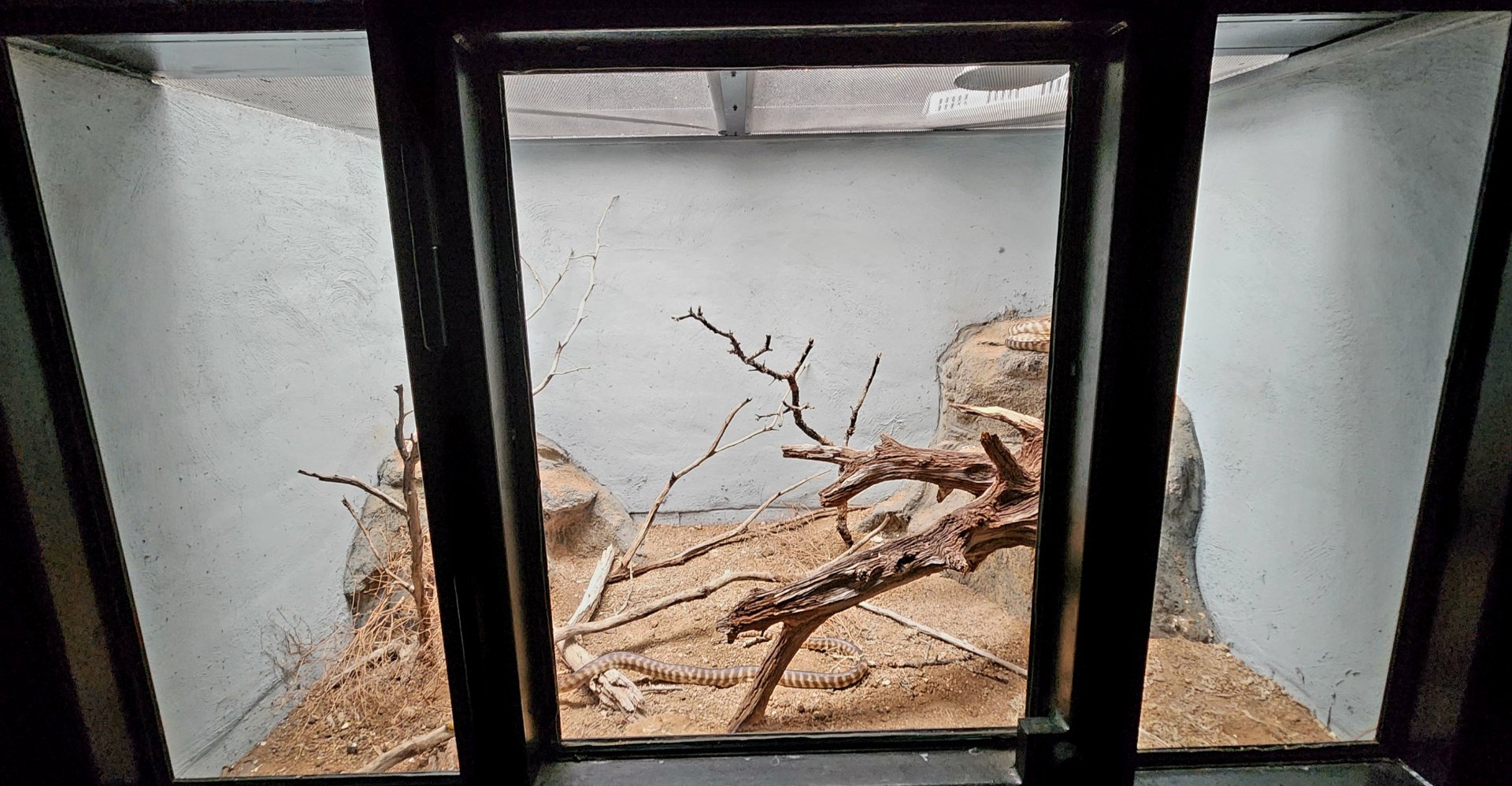
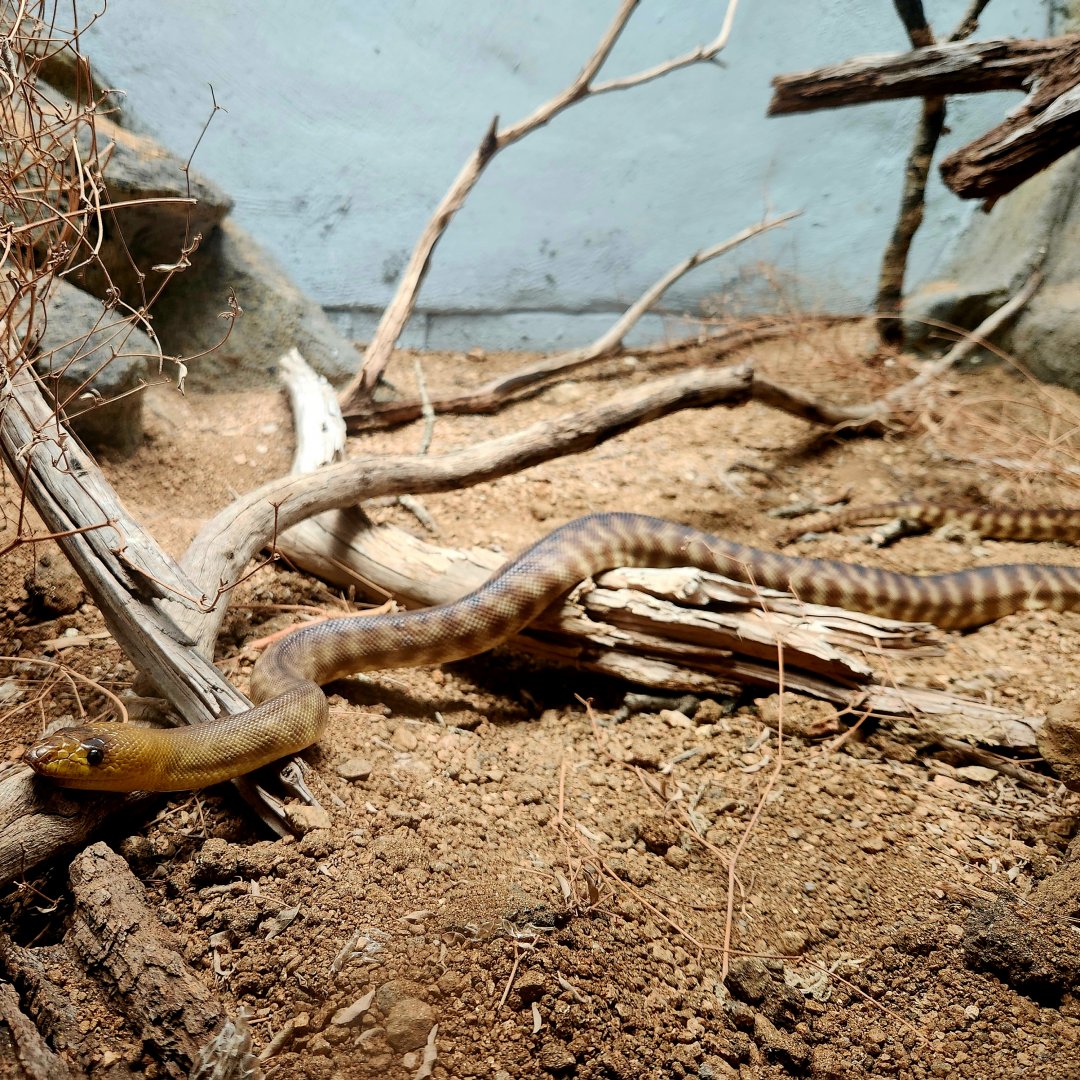
Exhibit 72: Western Australia
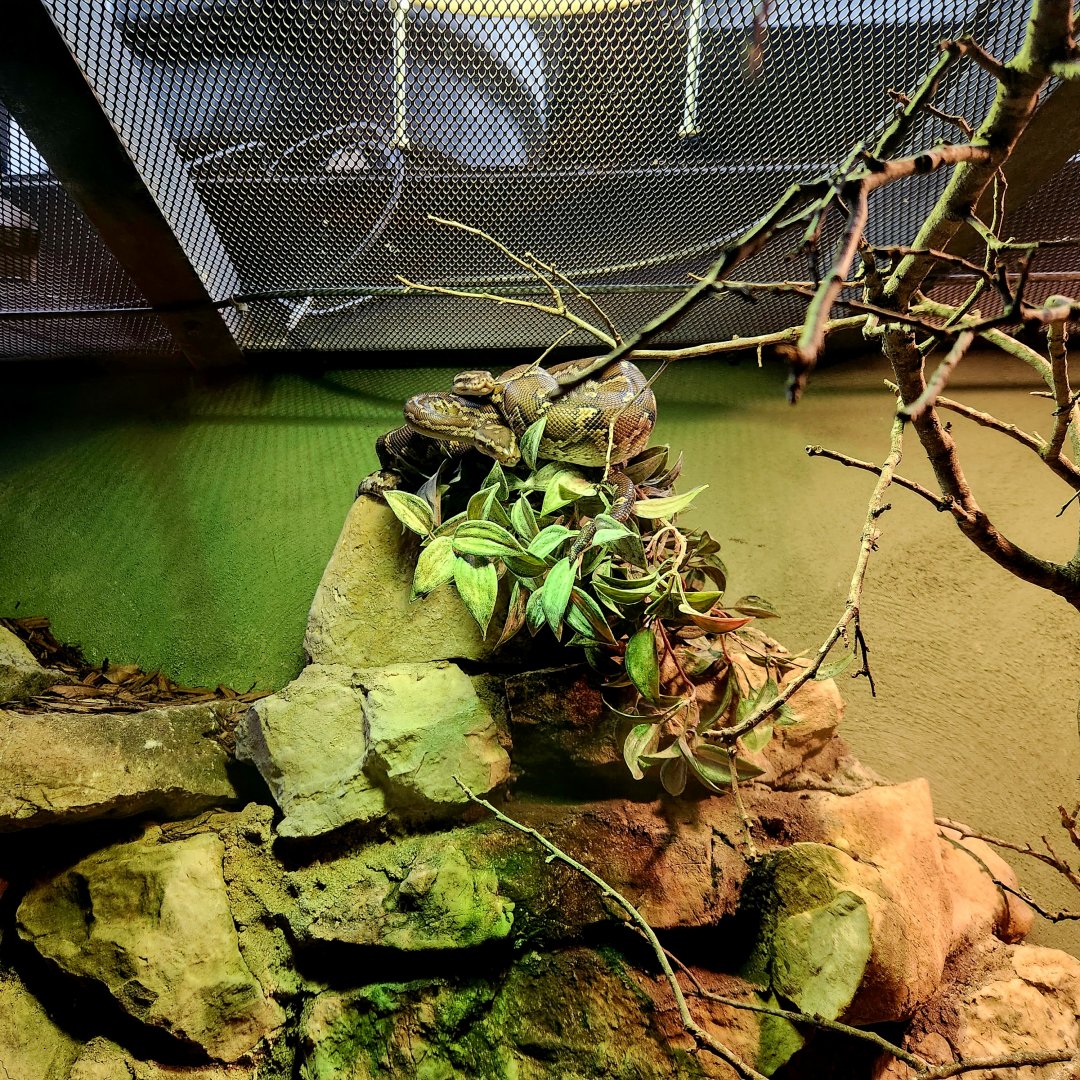
One of the larger exhibits I've seen for the species, this enclosure houses a pair of Woma Pythons (Aspidites ramsayi). The general idea of the enclosure is there, but as you'll see with many of my comments in this post, it could definitely use more. The background could be better-built to provide more space for the inhabitants, and the gray gives a bit more of a last-century vibe than state-of-the-art. Not really anything that I would mix with these snakes, and they are stunning enough to be the stars of their own exhibit. Black-Headed Pythons (Aspidites melanocephalus) hail from a similar environment and get a bit larger, if the Womas cause any issues. Given that they've produced eggs on exhibit, doesn't sound like that's an issue ;)


Exhibit 73: American Southwest
It looks like I missed a photo for this enclosure, but I remember it being pretty similar to the Gila exhibit. If that's the case, I'd give the same rough suggestions - extend the rock wall up, add some more branches and shrubbery, and mix the species up. In all honesty, I'm not sure what I'd do with this enclosure, but the Western Coachwhip (Masticophis flagellum testaceus) inside can be seen in another exhibit in the Temperate Building. It seems a bit moot to dedicate an entire exhibit of this size to a duplicate snake, so I'd leave this up to the BTS collection to fill in.


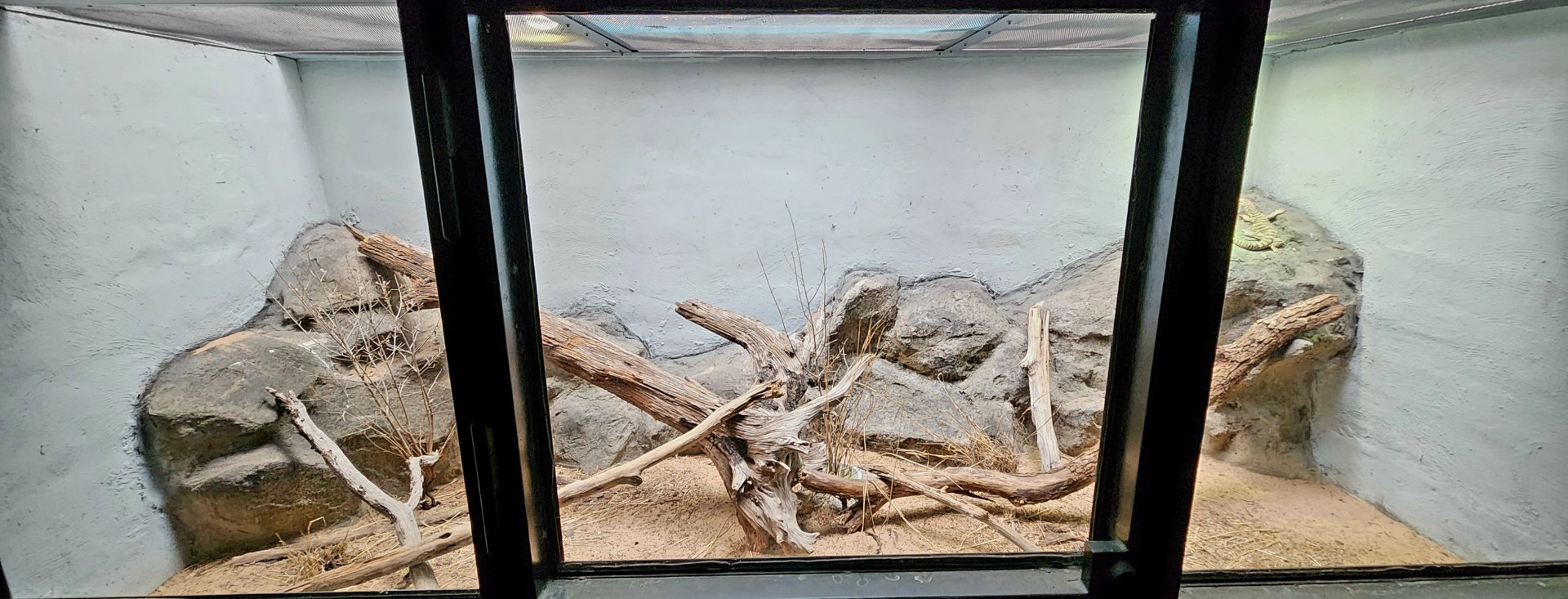
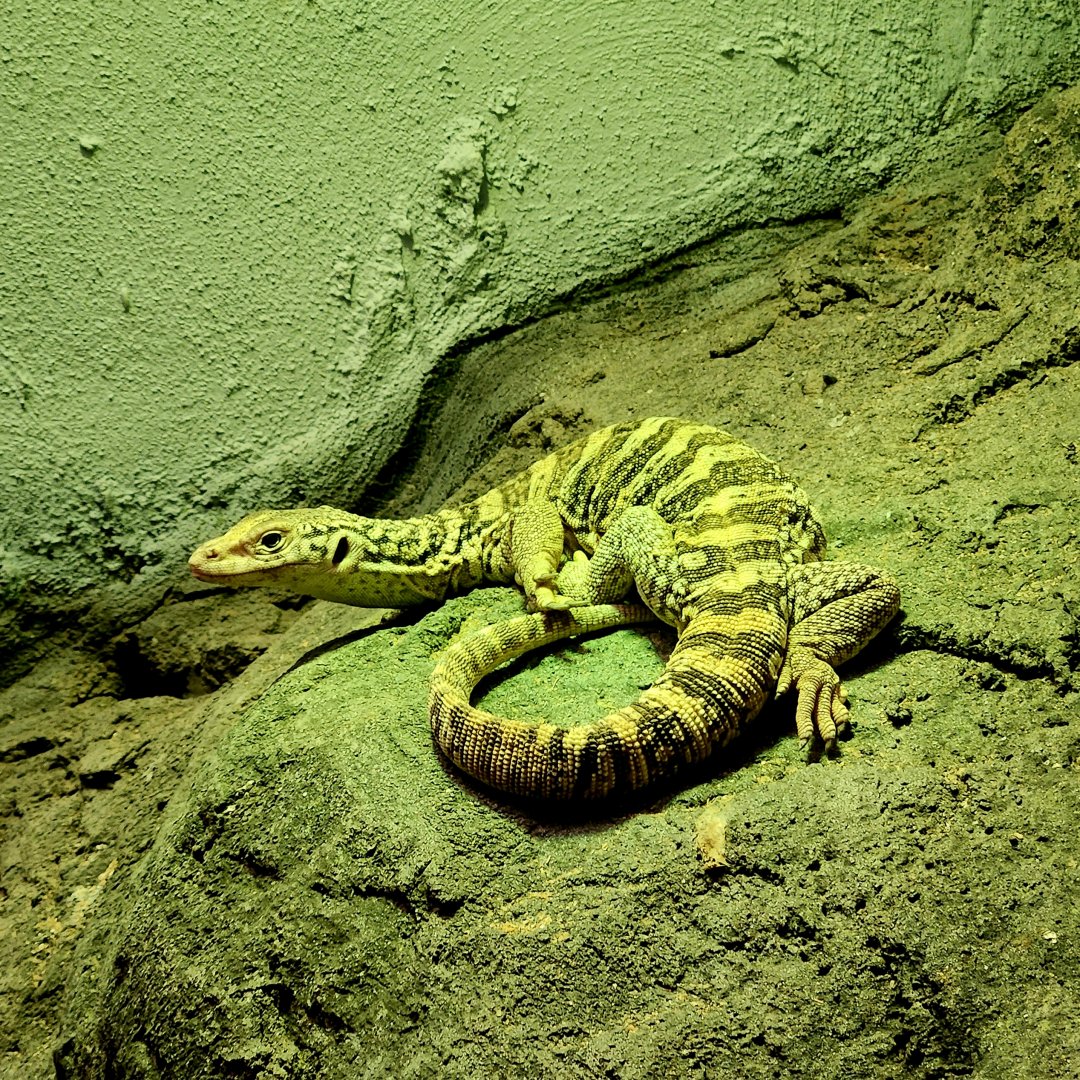
Exhibit 74: Barkly Tableland
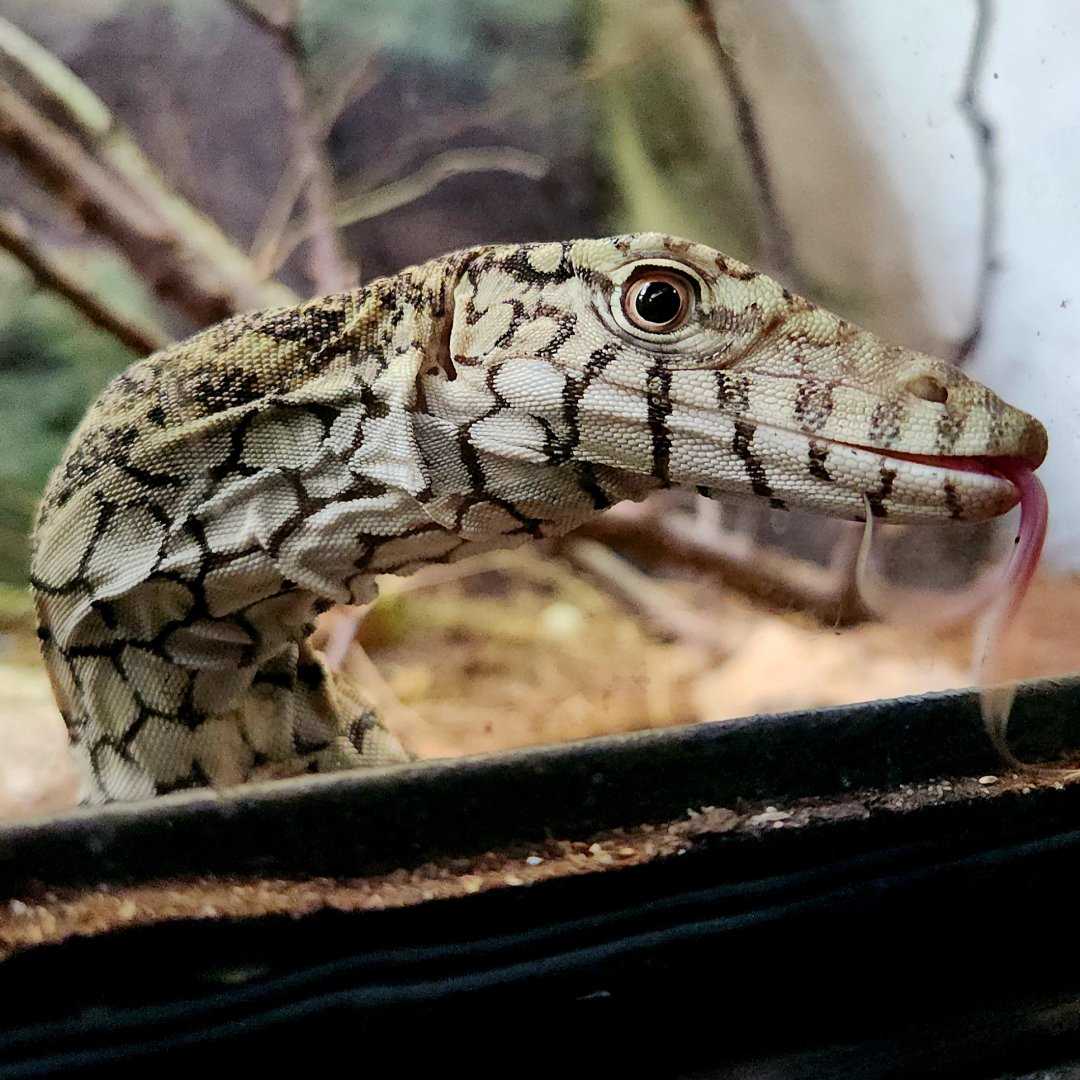
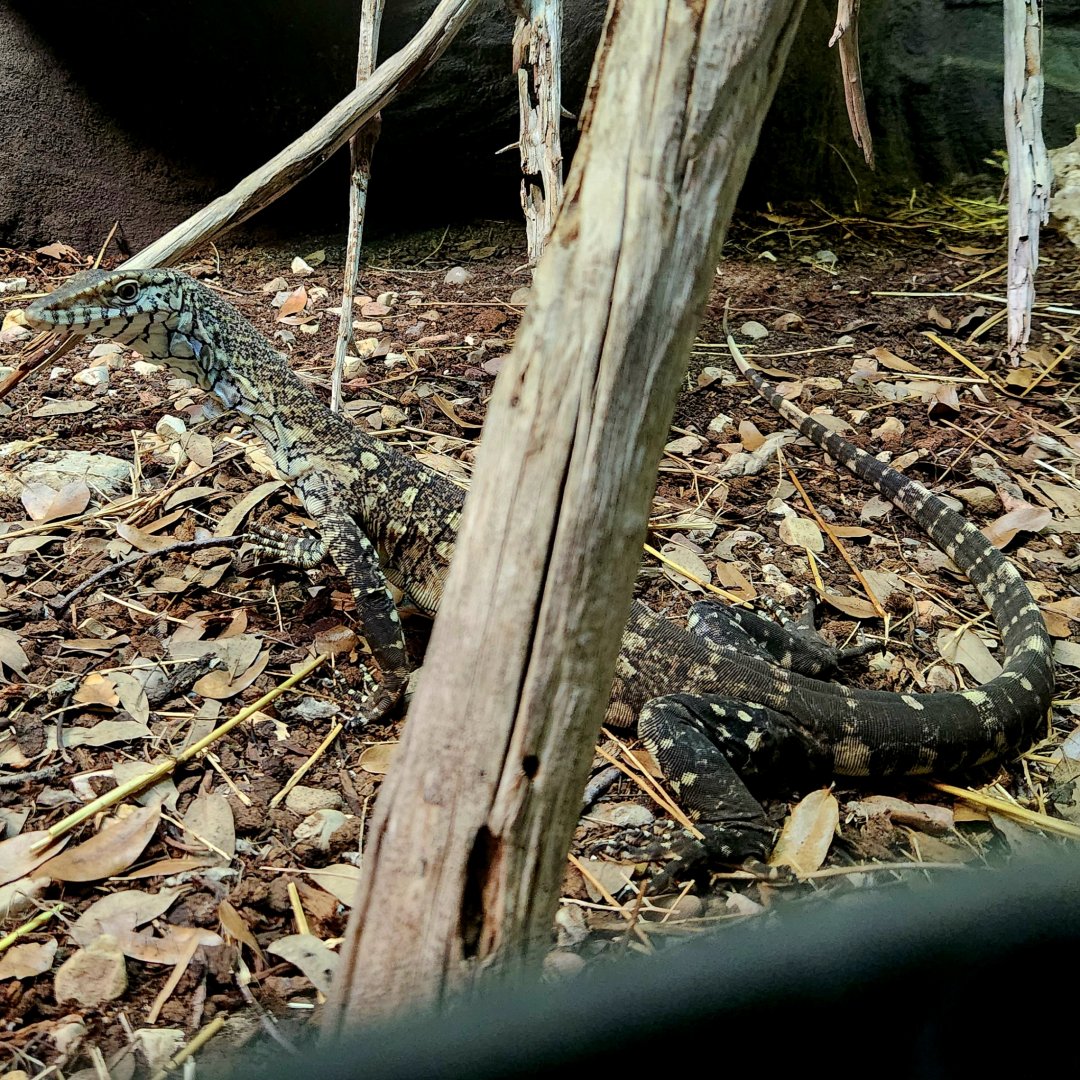
This animal was another surprise for me, and a great one at that. There are very few Spencer's Monitors (Varanus spenceri) in the country, and Reptilandia is one of the only facilities where you can come see one. Reproduction with this species has been much slower than with the Lace Monitors (Varanus varius) over here, probably due to a lack of demand, relatively speaking. Regardless, this is a gorgeous species, and the female on exhibit spent most of her day relaxed which made for great pictures. It will be exciting to see her grow into an adult, they're a rather stout monitor when full-sized. This exhibit is a massive improvement over the previous three, due in part to its larger size. The rock wall is well-designed, with the perfect blend of extra usable space and minimal footprint - it's also aesthetically pleasing. The wood is also a great mix, and the only real comment I'd make here is on the gray background.


Exhibit 75: African Kopje
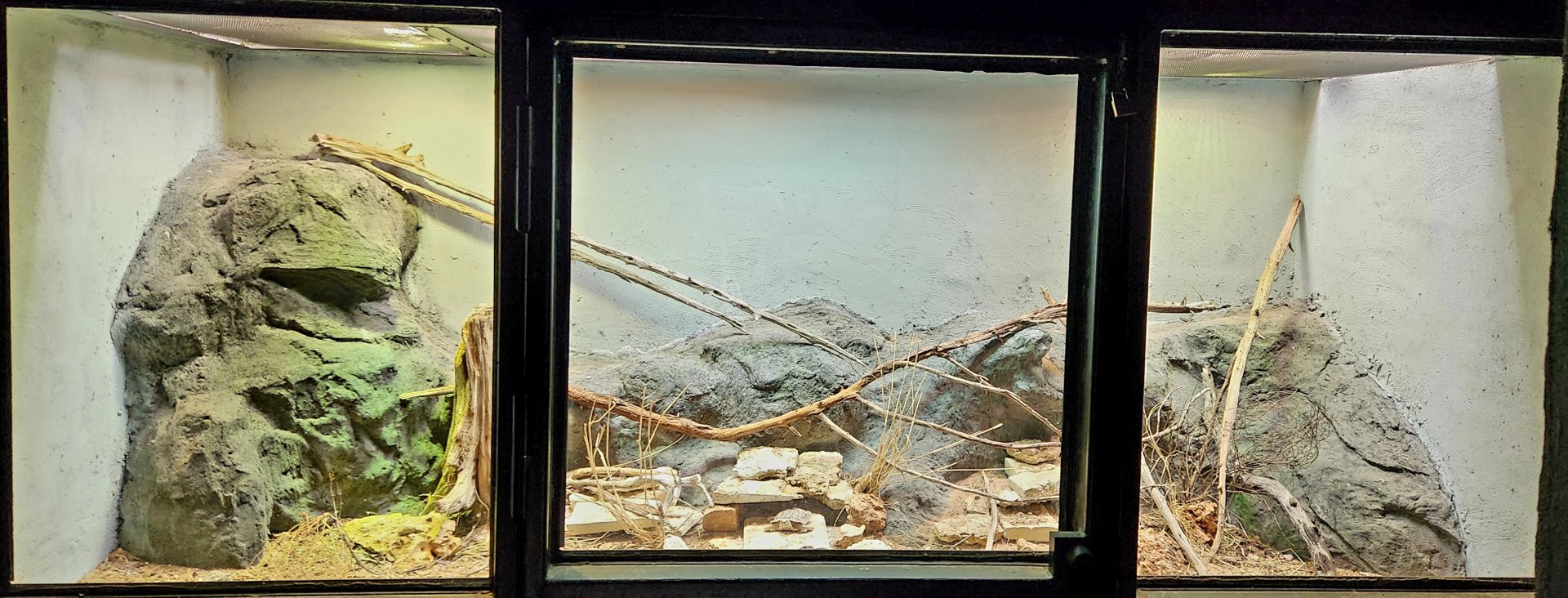
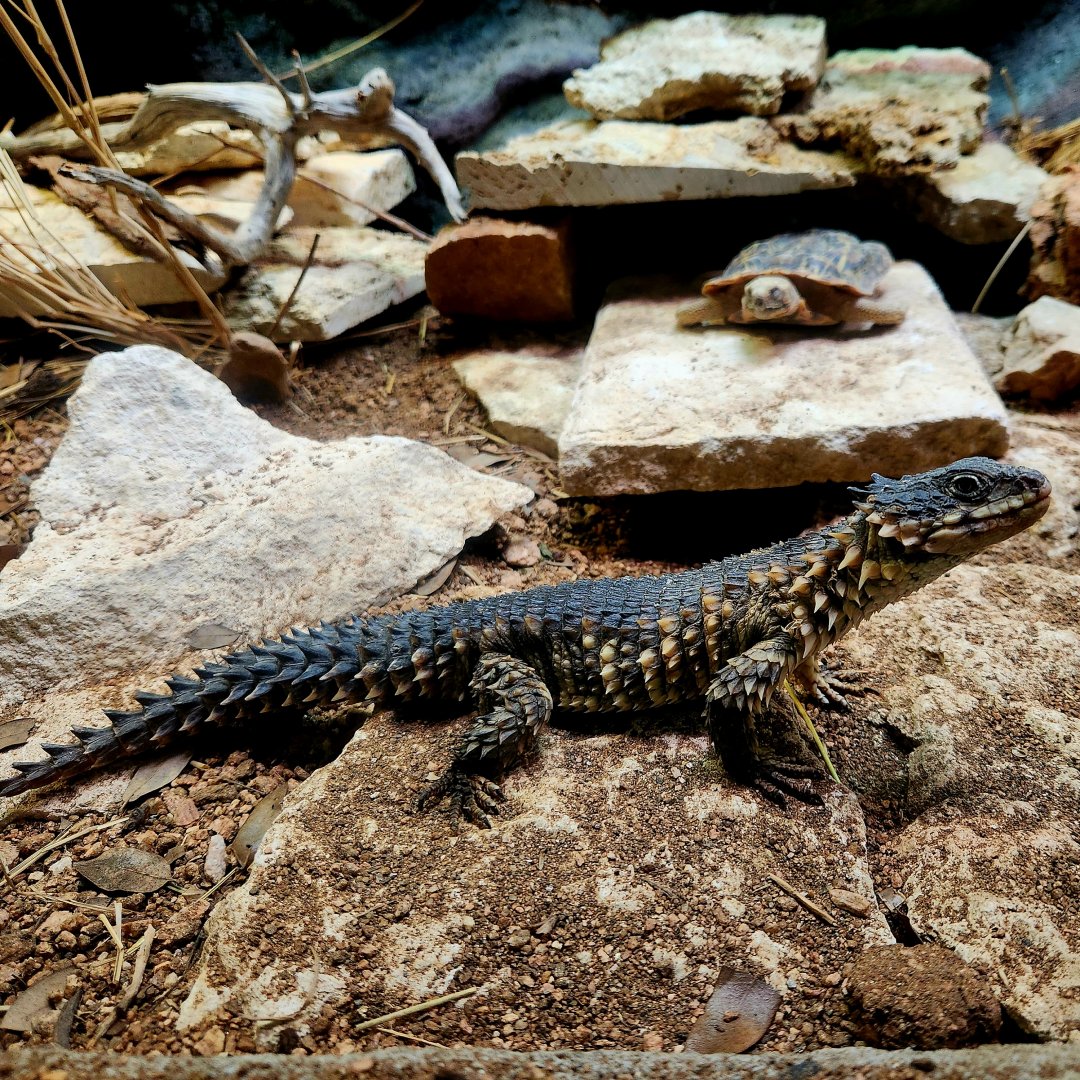
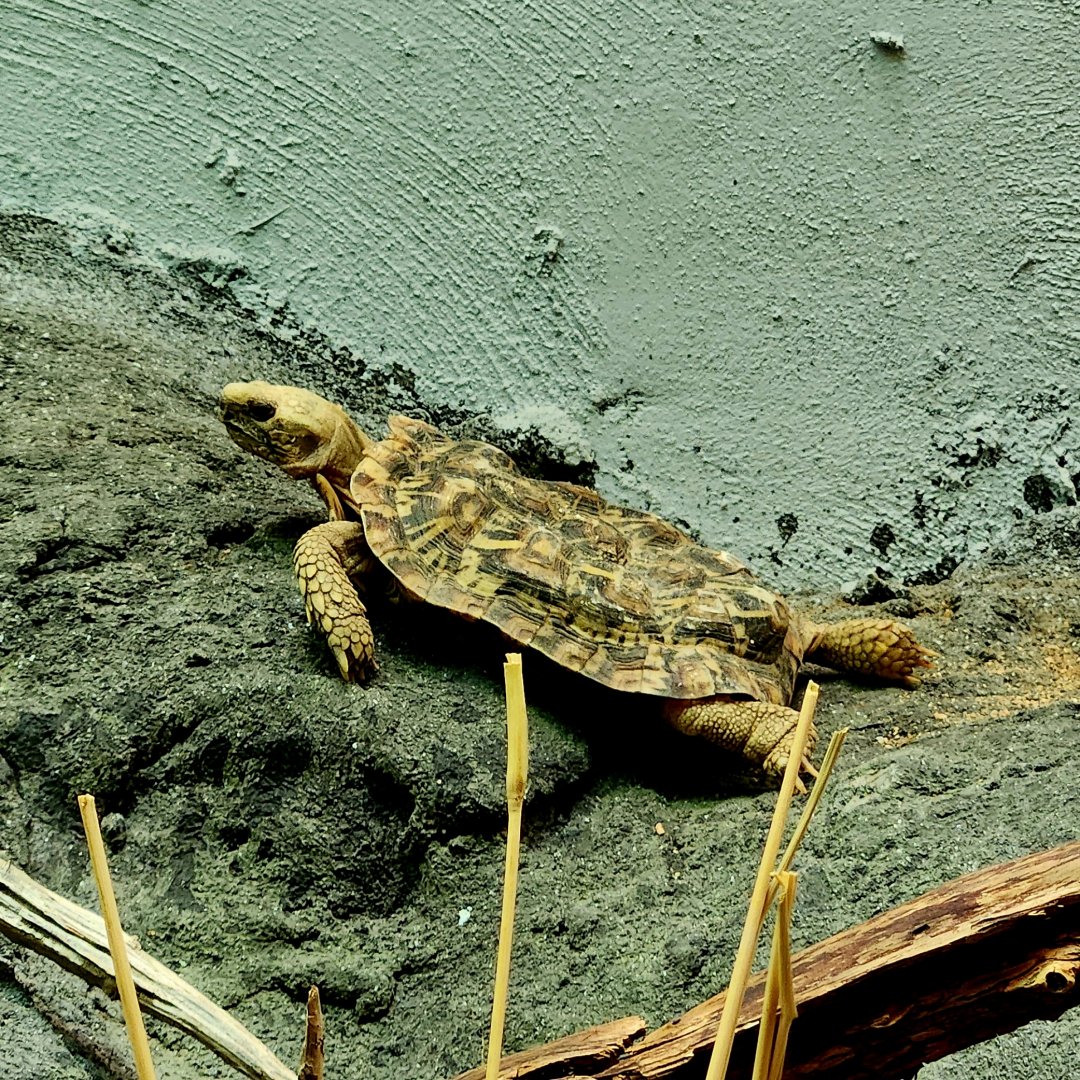
Definitely a stand-out for its inhabitants, the Giant Girdled Lizards (Smaug giganteus) have all but disappeared from the trade in recent years. In terms of reproduction and availability, these are basically an African Shingleback - they reproduce every few years, and rarely give birth to more than two young, which is when they even breed at all. That paired with a protected status in South Africa make these some uniquely rare lizards in herpetoculture, and anyone that gets to see them should consider themselves lucky. The pair in here share their exhibit with Pancake Tortoises (Malacochersus tornieri), which complement the lizards perfectly. Although these two aren't found alongside one another in the wild, their habitats are very similar. As far as this exhibit goes, I like the rock wall but feel as though it could be raised up a bit to provide more space to inhabants. The branches coming from the top left and at the far right are almost jarringly straight, swapping those for some different pieces might give a more natural appearance. I like the dried vegetation, and would love to see more dried grasses incorporated into this exhibit - some hanging dried mosses might complement things nicely as well. As far as additional animals in this enclosure, I wouldn't risk the Pancakes competing with any other species of tortoise. Kopje screams "Agama" to me, and what better species than the Spiderman Agama (Agama mwanzae)? They're beautiful, rare, native to the region, and would complement the upper portions of the exhibit fantastically.


Exhibit 76: Australian Outback
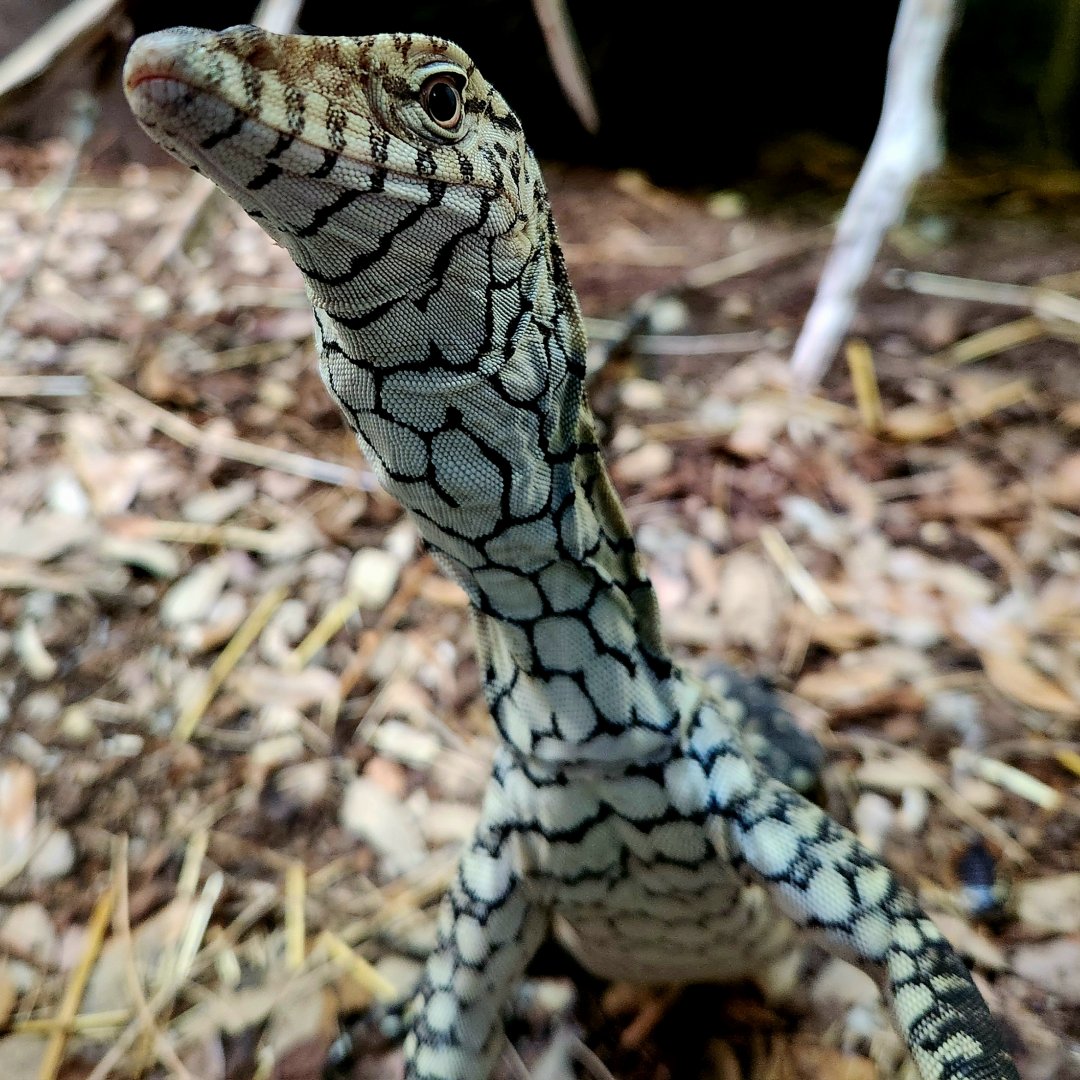
While not one of the most exciting exhibits in and of itself, the animal inside is a gem - one of the only Perenties (Varanus giganteus) in the country. Their baby came from the recent clutch at Dallas Zoo, and he's already put on a lot of size since he first arrived. This was my first experience interacting with one, and the only way I can describe it was bird-like. The way this monitor's head darts around watching everything around it is pretty remarkable. I spent a good hour with this animal throughout the day, and you can tell every movement is calculated and planned. I got some shots I'm quite proud of, as well :). The rock wall is great for the same reasons as the Spencer's exhibit, and while this exhibit isn't the most attractive, it's functional for its rapidly-growing inhabitant. I'll be excited to see what inhabits this in the future when he outgrows it, and what his eventual enclosure will look like in adulthood.

 
I figured now would be an appropriate time to post, as you have now covered all of what I have not previously seen for myself :P As @Coelacanth18 pointed out in @jayjds2's species list thread, I visited Reptilandia just a little over a year ago, and at that time only the Temperate Building was yet open. As such, I am very appreciative of your very detailed account of the new Tropical Building, as well as @jayjds2's recent species list! I was thoroughly impressed by what I saw in the Temperate Building last year, and it really appears that they kept with that momentum in the Tropical Building, continuing to grow the facility into a premiere reptile zoo! I no longer live in Texas, but your overview of the facility has further cemented my desire to make the effort to return to this facility whenever I am able to make it back to the Lone Star State.
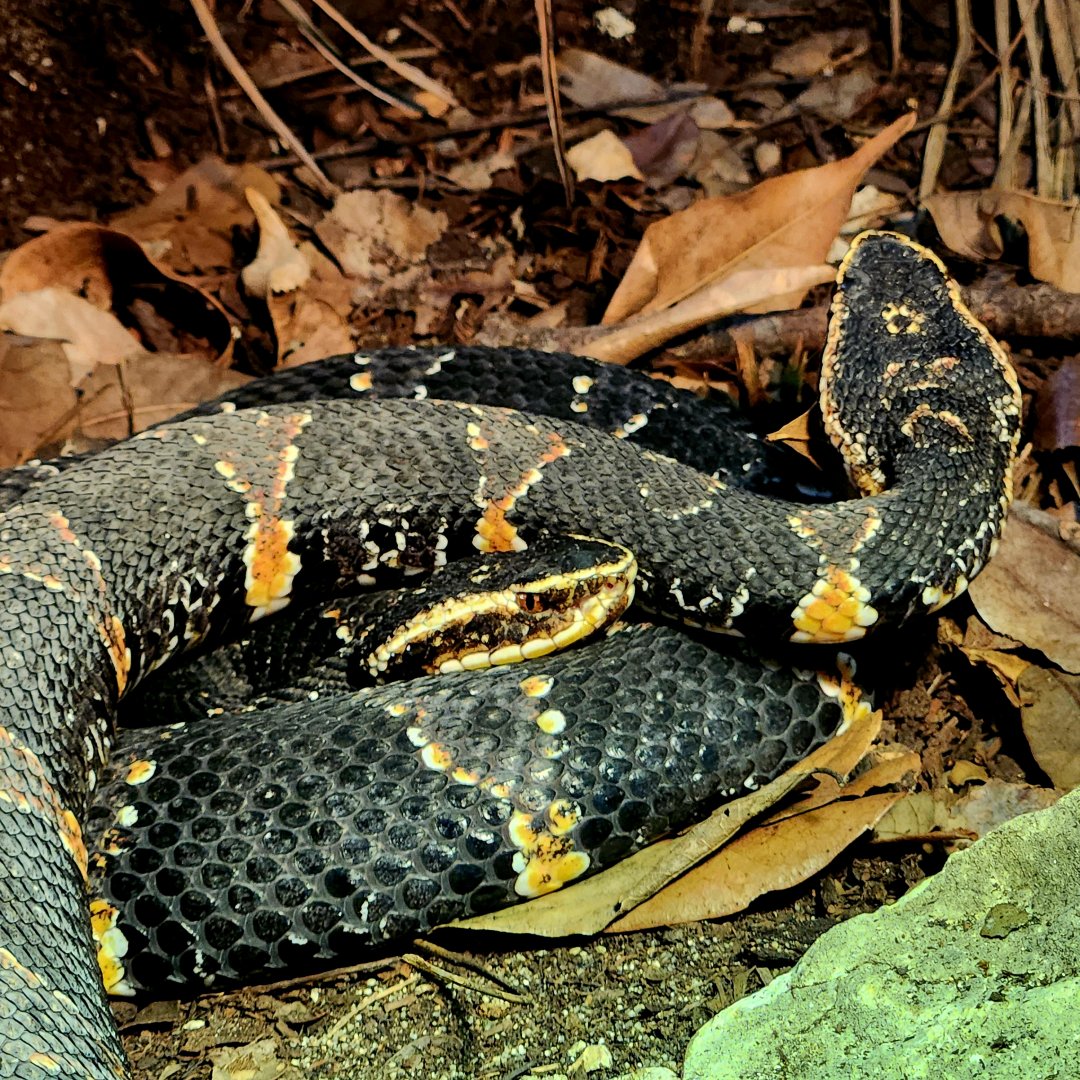
 
I figured now would be an appropriate time to post, as you have now covered all of what I have not previously seen for myself :p As @Coelacanth18 pointed out in @jayjds2's species list thread, I visited Reptilandia just a little over a year ago, and at that time only the Temperate Building was yet open. As such, I am very appreciative of your very detailed account of the new Tropical Building, as well as @jayjds2's recent species list! I was thoroughly impressed by what I saw in the Temperate Building last year, and it really appears that they kept with that momentum in the Tropical Building, continuing to grow the facility into a premiere reptile zoo! I no longer live in Texas, but your overview of the facility has further cemented my desire to make the effort to return to this facility whenever I am able to make it back to the Lone Star State.
Glad you've enjoyed it! It's definitely a top notch facility, hopefully this can drum up some interest for them. I know I've waited a while to finally take and post all these pics :)

Also, I didn't mean to take anything away from @jayjds2 's very well-put-together list! I'd have skipped that for the end of mine if I had seen it, looks like he visited literally the day before me. But if I haven't said it already, props for that list! This place was certainly not the easiest to track lol, I know that had to take at least an hour of just looking at slowly-rotating electronic signs.
 
Haven't abandoned this thread, just need a day or two before getting back to it! Hoping tomorrow we can finish out the Temperate Building.
 
Tonight we'll start the Temperate Building. Most of these displays have been running for 2-3 years at this point, so things are much more finished and matured on this side. A few have changed since @Kudu21 's original 2023 species list, which I'll note where applicable.

Exhibit 77: South-Central Europe
One of the larger exhibits in this gallery, this is one of the three European displays. I was especially excited to see this, as European herps are criminally underrepresented in US collections (due largely to a lack of interest). This exhibit is probably in the 15 foot range, plenty big enough for a keeper to walk inside of comfortably, and holds 5 species. A group of Greek Tortoises (Testudo graeca) lounges in the sandy soil towards the back of the exhibit, while an even larger group of European Pond Turtles (Emys orbicularis) swim through the water and bask on overhanging logs. The way the logs blend the area between the land and water looks very natural, I like the building style. The artificial trees look slightly different, but a bit of color touch-up and everything would tie together quite nicely. The rocks coming off of the background are a nice feature as well, providing even more space for the inhabitants in an already massive exhibit. The brush placed throughout is a nice touch as well, and overall this makes for a great entrance display for the building. Lizards housed in here include a group of European Green Lizards (Lacerta viridis) and Sheltopusik (Pseudopus apodus), and the stock is finished off with a few Dice Snakes (Natrix tessellata). The combination of turtles, tortoises, lizards, and snakes is quite impressive, and the smaller species are very fun to watch in such a large exhibit. Other species like Common Wall Lizards (Podarcis muralis) and Ocellated Lizards (Timon lepidus) might thrive in here as well, but appropriate European fish can be difficult to come by in the US. Rudd (Scardinius erythropthalmus) and Ruffe (Gymnocephalus cernua) have both been reported in the New York/Great Lakes area, and connecting with native fish collectors in the area might be able to result in some live specimens being acquired. I'm not sure of the laws on sending European fish to the USA, but if a special order can be arranged, that opens up the door quite a bit.


Exhibit 78: Blue Mountains
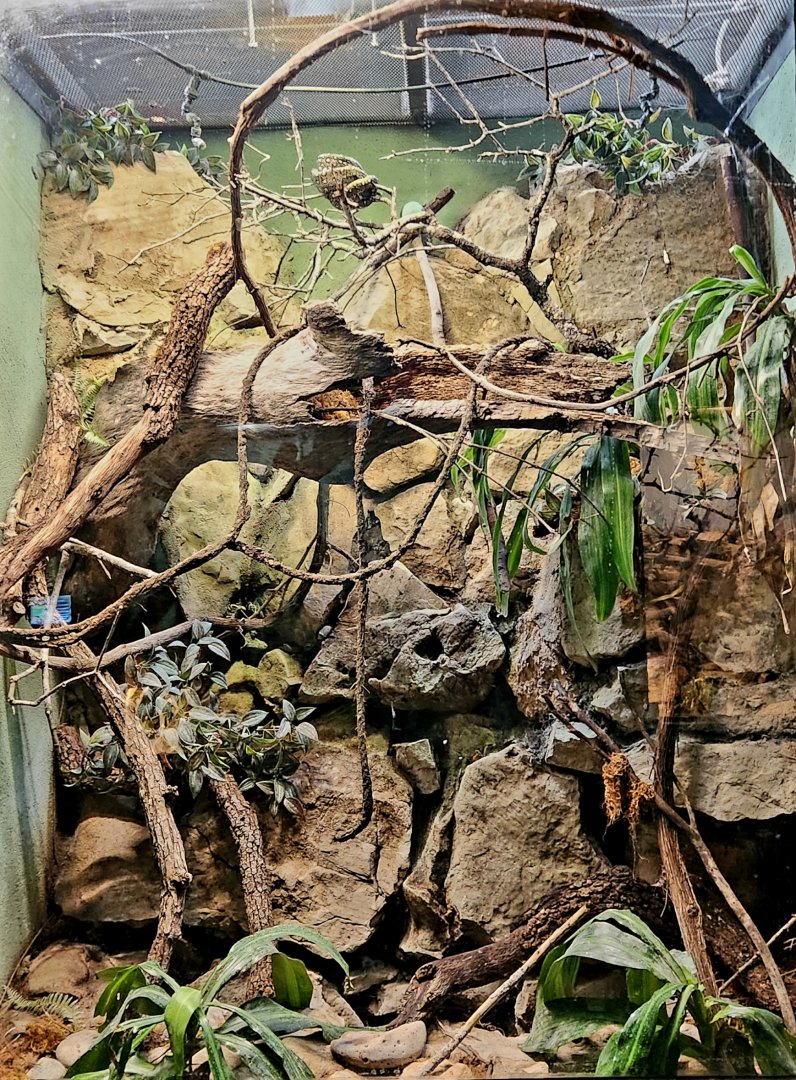
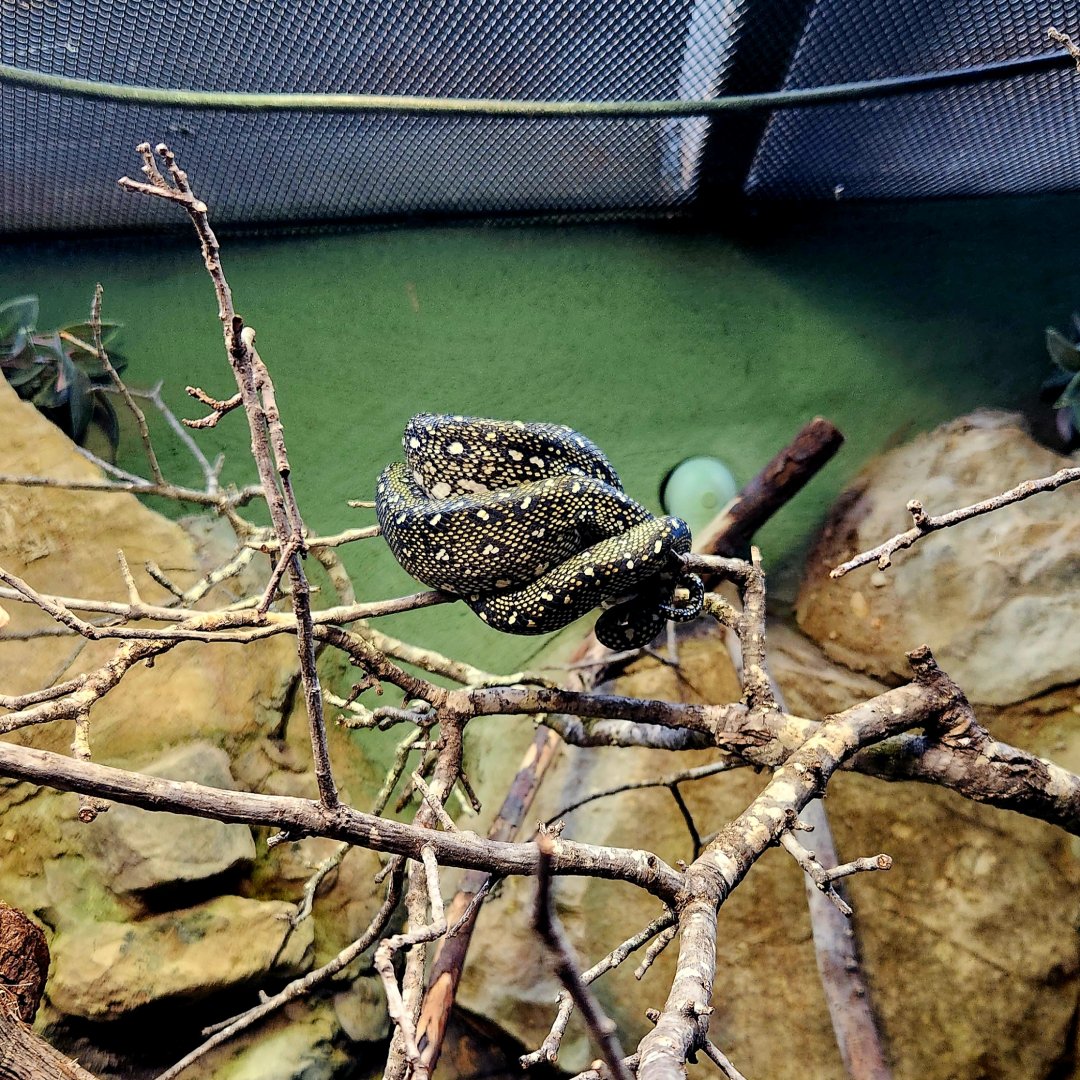
A smaller exhibit, this is home to another personal favorite snake of mine - a juvenile Diamond Python (Morelia spilota spilota). The individual on exhibit perched itself front and center for the majority of the day, but unfortunately I never got any great action shots. This exhibit is gorgeous, in my opinion - the rock backdrop makes use of the full height and looks very authentic, the large drooping plants make great focal points with all the others serving as solid accents, and the branches provide a variety of surfaces while still looking cohesive. The branches in this exhibit almost look like a single giant piece that fits the exhibit perfectly, I really like it. Beautiful exhibit for a beautiful snake that needs little to no work, in my opinion. I believe this is newly-stocked since our last species list, with the Forest Dragons (Hypsilurus magnus) previously occupying it.


Exhibit 79: South Florida
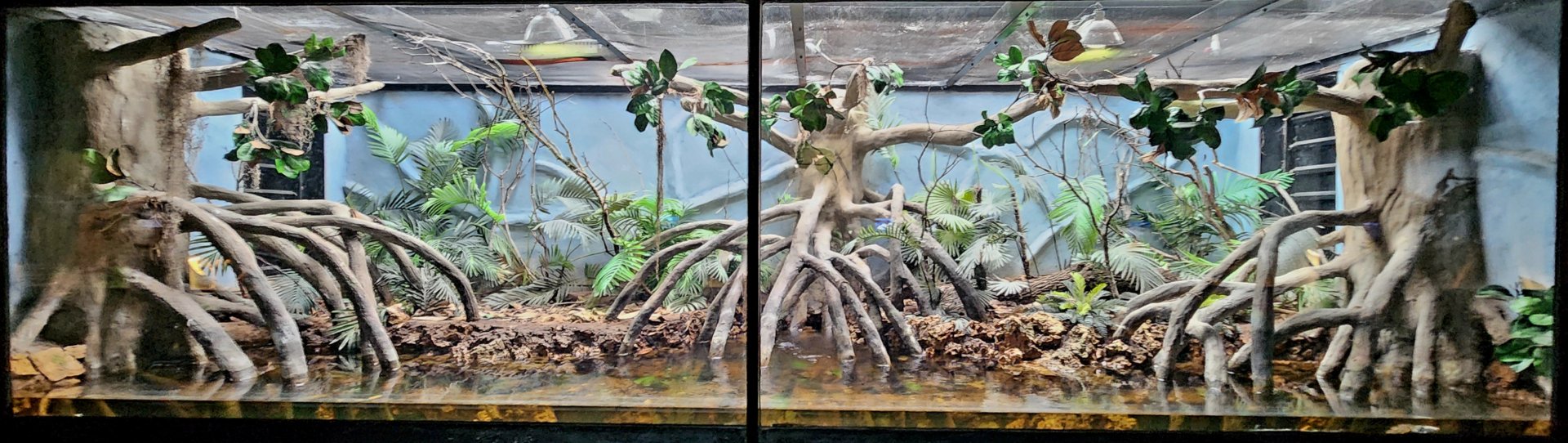
A modern take on a classic environment to replicate, and this one does a fantastic job. The mangroves look authentic and are placed appropriately to provide additional space, the rock transition from water to land looks perfectly natural, and once again I'm always a fan of seeing live palms in an exhibit. This exhibit is the same size as the South-Central European one, giving the inhabitants far more space than most facilities would provide. Diamondback Terrapins (Malaclemys terrapin) swim throughout the waterway, and are the quintessential Florida mangrove species to have on display. The Mangrove Salt Marsh Snakes (Nerodia clarkii compressicauda) are a rarity, underrepresented in captivity and a beautiful orange coloration, similar to the Everglades Rat Snakes (Pantherophis alleghaniensis) also housed in here. A pair of Eastern Diamondback Rattlesnakes (Crotalus adamanteus) rounds out the snake collection, while lizards are represented by Eastern Glass Lizards (Ophisaurus ventralis) and invasive Northern Curly-Tailed Lizards (Leiocephalus carinatus). Interestingly enough, even with all the species in here, I only caught a brief glimpse of anything other than the Terrapins - not sure if things were just off-display, or I didn't look hard enough. There's very little I'd change in here, other than replacing the Curly-Tails with native Green Anoles (Anolis carolinensis) and adding aquatics like Sheepshead Minnows (Cyprinodon variegatus), Sailfin Mollies (Poecilia latipinna), and Fiddler Crabs (Uca sp.). Eastern (Kinosternon subrubrum) and Florida Mud Turtles (K. steindachneri) are occasionally found in mangroves and salt marshes as well, if another turtle species is desired.


Exhibit 80: Angola
Another exhibit the same size as #78, this one measures perhaps 4 feet long, 3 feet wide, and 5 feet high. It's built similarly, with the rock wall forming an authentic-looking and functional piece for the inhabitants, and the wood pieces blend everything nicely. A bit more shrubby vegetation in here wouldn't hurt, but other than that the exhibit is solid. The pair of Angolan Pythons (Python anchietae) on exhibit stayed pretty high up throughout the day, but they're a great species to have on hand. While they may look similar to a Ball Python (P. regius) at first glance, upon closer examination these are a more outgoing, heftier snake with a far more attractive pattern and beaded scales. While some smaller lizards might do well with them, the exhibit size and the caliber of snake make me feel that they're worth displaying solo. This exhibit formerly held some of the Eastern Water Dragons (Intellagama lesueurii lesueurii) before they moved into their two-story exhibit.


Exhibit 81: American Southeast
The same size as the previous two large exhibits, this one is arguably the most engaging with its large variety of snakes and turtles on display. The Banded (Nerodia fasciata) and possibly Plain-Bellied Water Snakes (Nerodia erythrogaster) on display are especially active, and it's great to see how these snakes behave in such a large exhibit. These are one of the most underrated US native snakes - captives are diurnal, active, outgoing, calm, and hardy. The Gulf Hammock Rat Snakes (Pantherophis spiloides) in here were also surprisingly active, and they're a great addition as well. The lower reaches of the exhibit contain Spotted Turtles (Clemmys guttata), Northern Map Turtles (Graptemys geographica), Florida Box Turtles (Terrapene carolina bauri), and Red-Eared Sliders (Trachemys scripta elegans), all of which provide near-nonstop activity. As with the previous two large paludariums, the transition between land and water is very well-done, and the tree structure towards the right is one of my favorites in the zoo. The variety of smaller branches, hanging spanish moss, and ferns all tie everything together very well. Whatever colors were used for this background should be considered for further use throughout the facility - personally, I enjoy how it disappears into the rest of the display. A number of turtles could be added in here, along with snakes like Cottonmouths (Agkistrodon conanti/piscivorus), or the Green Anoles (Anolis carolinensis) mentioned earlier. Fish species should primarily center around Sunfish (Lepomis sp.), but any number of natives would be appropriate.

 
In my mind, the pair of South American Bushmasters (Lachesis muta) would be best displayed along another toxic Amazonian classic - poison dart frogs.
While I've seen such combinations in American zoos, I'm not sure whether bushmasters, being the elusive animals they are during the day, truly appreciate that combo.

The classification of the Milos viper as a subspecies of the Levant viper is highly debated; in Europe, it's usually regarded as a species on its own - i.e. Macrovipera schweizeri.
 
While I've seen such combinations in American zoos, I'm not sure whether bushmasters, being the elusive animals they are during the day, truly appreciate that combo.

The classification of the Milos viper as a subspecies of the Levant viper is highly debated; in Europe, it's usually regarded as a species on its own - i.e. Macrovipera schweizeri.
The ideal way to do it would be to keep the enclosure minimally planted (or artificial) and keep the lighting dim, possibly on a reverse photoperiod. I've got a bit of a speculative "5-year-plan" for the facility I'm drawing up and I've got the Lachesis moved into a much larger exhibit with a different species, given how much they have to grow - but more on that later.

I'm not too familiar with the taxonomy of European species, so thanks! I'll switch that reference from now on ;)
 
Probably the last post for tonight, this one will only cover three exhibits to finish the left wall of the Temperate Building. The final two are some of the premier exhibits at the facility, with a pair of hard-hitting montane snake species.

Exhibit 82: Texas Greenbelt
The third and final of the roughly 4-foot-by-3-foot-by-5-foot exhibits, this one plays home to a small family of Texas Alligator Lizards (Gerrhonotus infernalis). Once again, the rock wall in here is very well-designed and looks quite authentic while filling the space and providing additional niches for the inhabitants. The branch system is also well-arranged, and between the larger pieces and the interspersed shrubbery, this looks like a perfect slice of Texas. All the small twigs, "outpouring" rocks, and accent plants really tie this exhibit together to make it perfect for its inhabitants. Unfortunately, I never saw them on my visit. Gulf Coast Toads (Incilius nebulifer) could make a great addition to the lower portion of this exhibit, but overall it is solid.


Exhibit 83: Mangshan Mountains
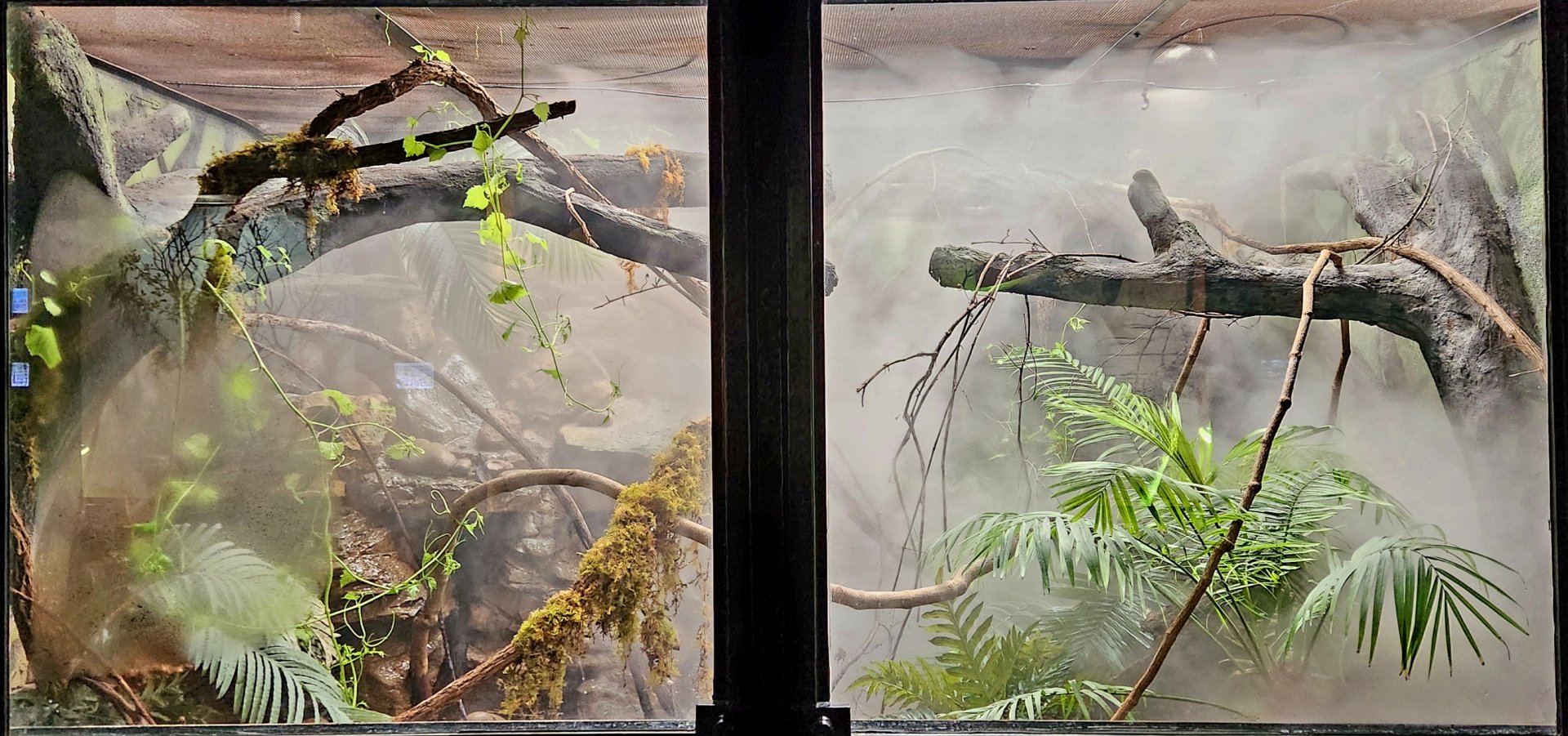
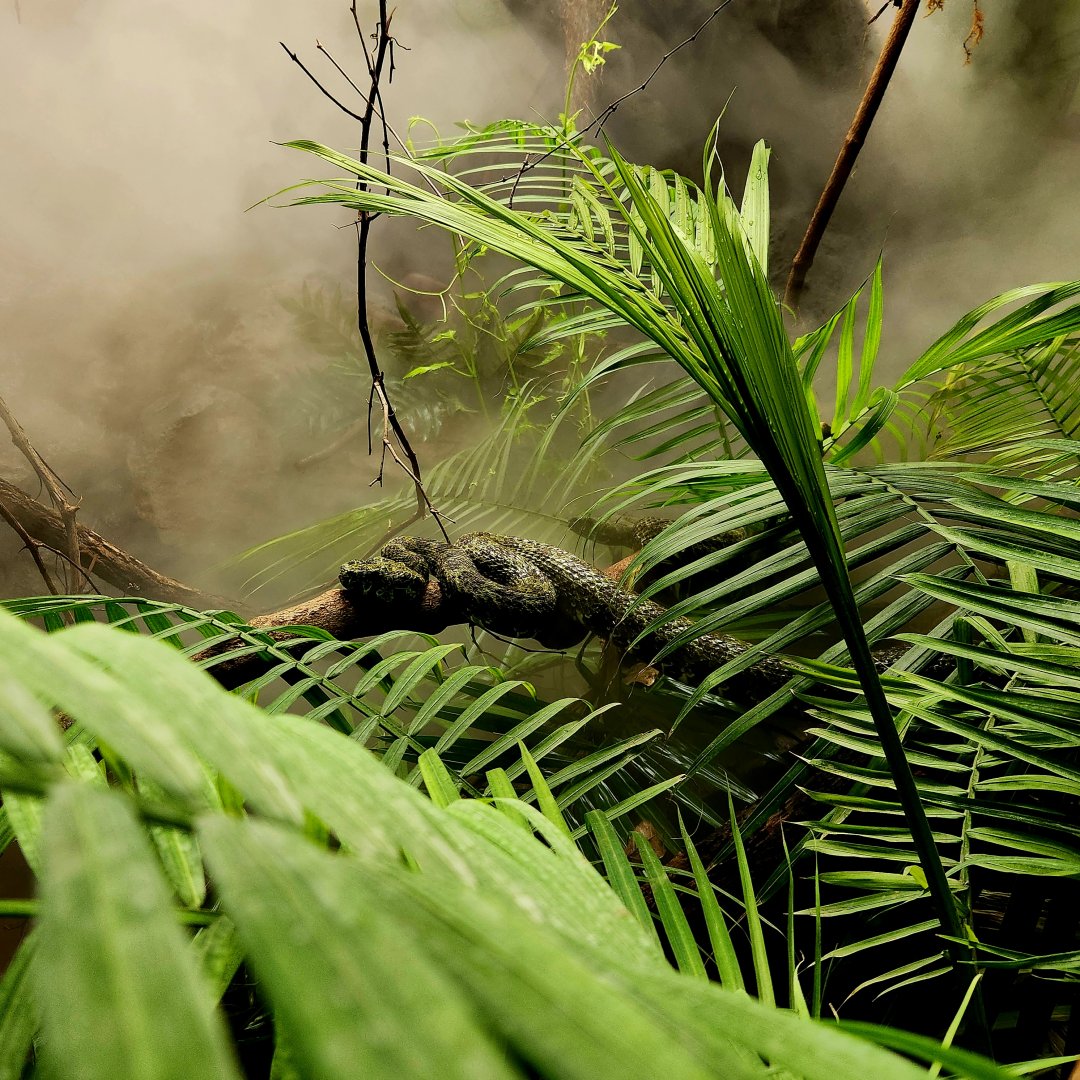
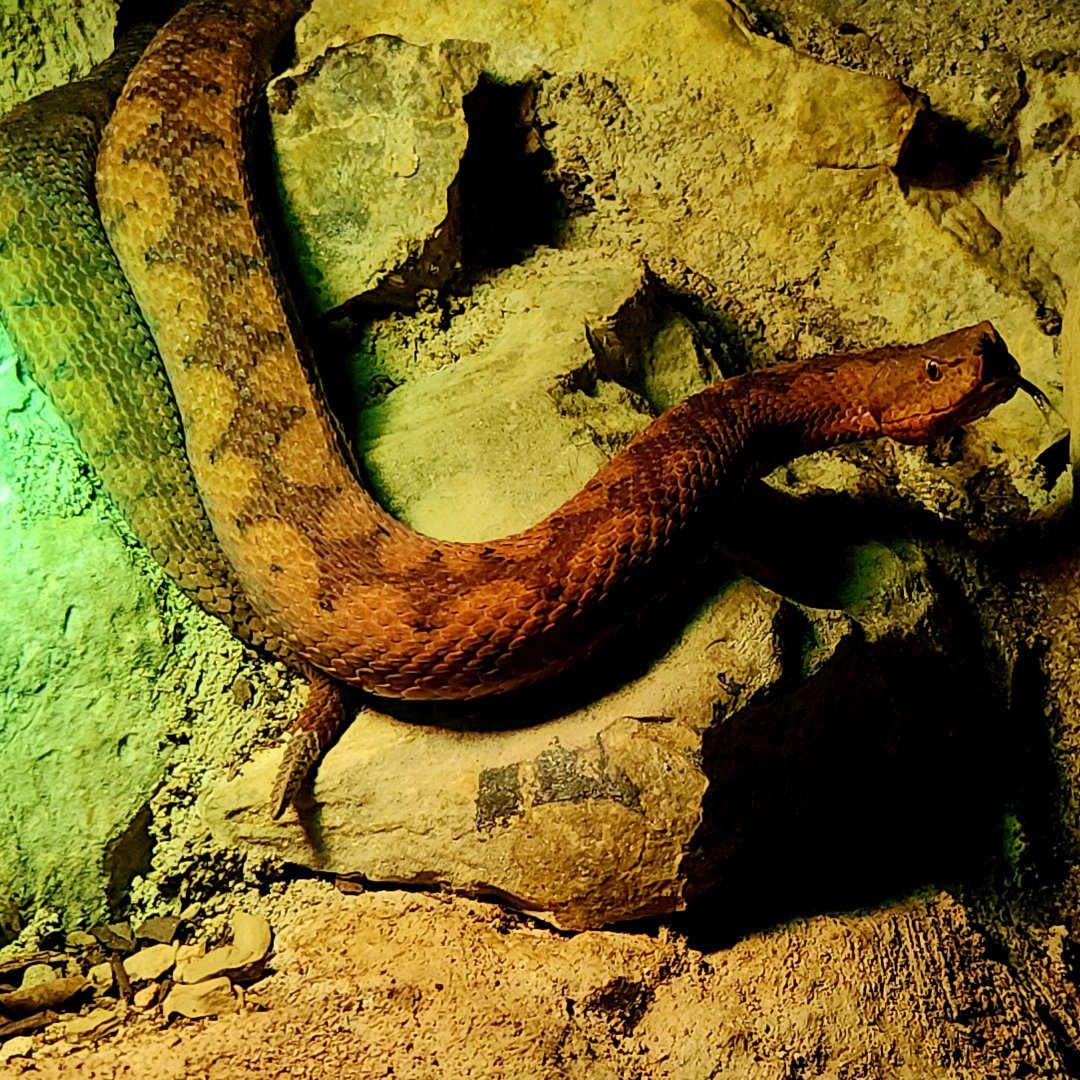
The last two exhibits in this gallery measure 12 feet square, and perhaps 6 or 7 feet high, with each housing a 1.1 pair of snakes. If it's not already obvious, this one is for Mangshan Pit Vipers (Protobothrops mangshanensis) and stands out as one of the best, most well-matured displays at the facility. Fog pours throughout the exhibit over the day, obscuring the mess of stones, ferns, palms, and moss that these snakes call home. A stream meanders throughout their entire exhibit, and a variety of branches provide basking platforms. There is also a large PVC pipe hidden through the wall of the exhibit, which is currently capped off but might eventually provide the snakes with access to a separate outdoor space. Overall, a fantastic display and a beautiful pair of snakes that command respect when you first see them. These two have some good size on them, and make quite the charming pair.


Exhibit 84: Papuan Highlands
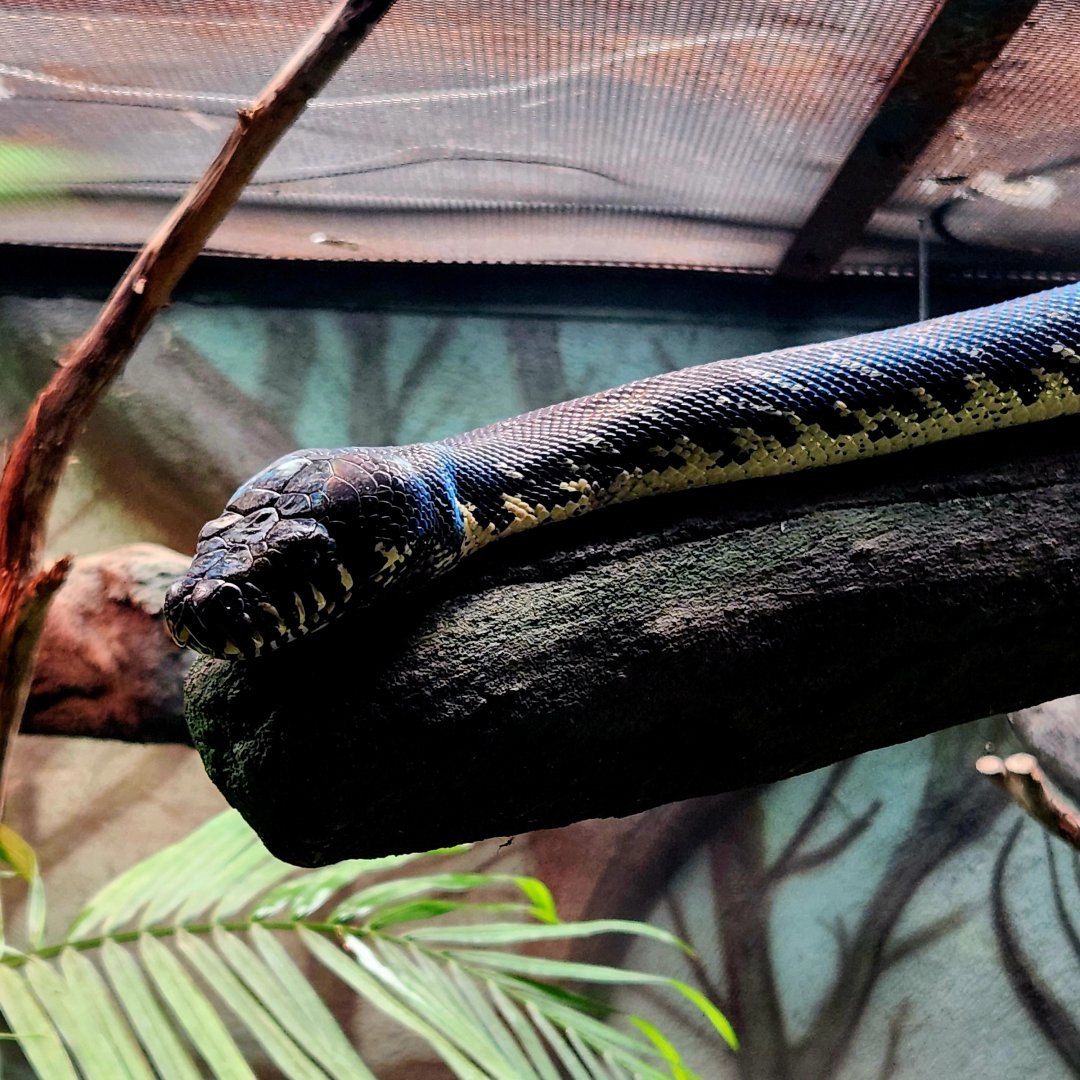
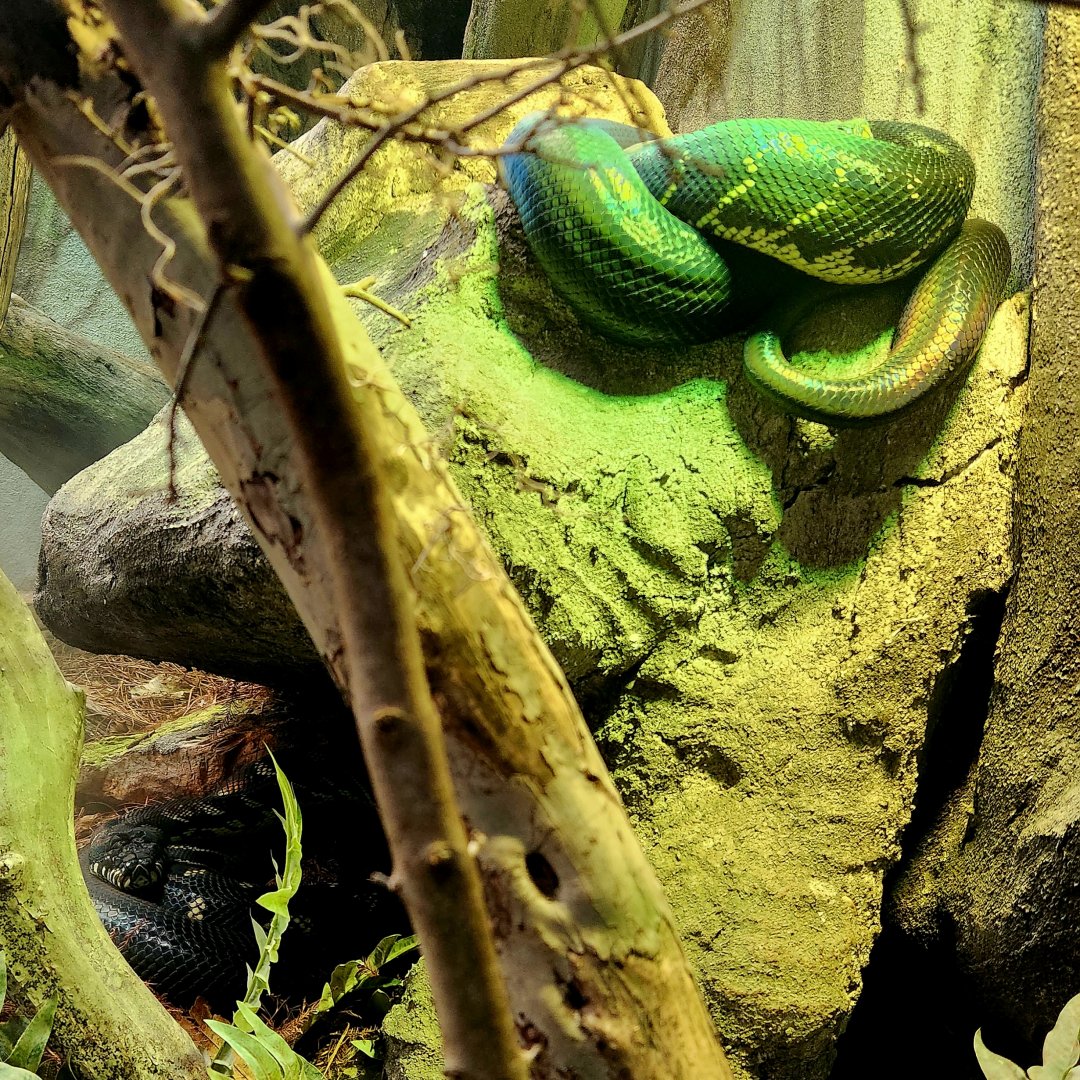
The final exhibit along the Temperate Building's left wall is arguably the inspiration for this facility in the first place, home to a pair of Boelen's Pythons (Simalia boeleni). These are arguably the most impressive pythons in the world, with their size, slow and methodical nature, and iridescence. Anyone that's been privleged enough to work with a Boelen's will confirm that there's just nothing like it - they're in a class of their own. The exhibit for the pair here is built similarly to the Mangshan Vipers', with a flowing stream, several limbs for basking, and a variety of live plants and mosses. The snakes on exhibit spent most of the morning basking, before moving over to their rock den on the right. This enclosure features a heated subsurface den that will hopefully entice the female to lay her eggs just as she would in the montane hillsides of New Guinea. As with the Vipers, this pair may eventually have access to an outdoor space - at minimum, the pipe should be able to let the indoor enclosure get quite cold, possibly even down to the 40-degree-range these snakes experience in the wild. Again, a great exhibit for a great pair of snakes that I wouldn't make a single change to.


We're in the home stretch! The right wall of the Temperate Building will be tomorrow's goal, which includes a variety of species from across the globe. From there I plan to create a speculative "5-year-plan" for the facility, based on the current collection and potential goals.
 
The ideal way to do it would be to keep the enclosure minimally planted (or artificial) and keep the lighting dim, possibly on a reverse photoperiod
Have you kept bushmasters in real life? They like their cover and retreats during the day.
 
Have you kept bushmasters in real life? They like their cover and retreats during the day.
I'm not sure what the disagreement is here, I suggested keeping the amount of live plants low so that light levels can be reduced/run on reverse. Nothing in that mentions taking away hiding opportunities from the snake - regardless, I'd love to save any of that discussion until the walk-through is finished. Just for the record, I grew up hanging out with Dean Ripa, so I'm definitely familiar with Lachesis ;)
 
There's no disagreement; just friendly, polite advice from my side. The majority of ZooChatters has never worked with venomous snakes in real life and yet comes up with "unique" ideas of how to include them in their zoo planning.
"Hanging out" with someone doesn't automatically grant expertise, depending on what the hanging out included. All name dropping aside. ;)

But please, continue.
 
Going front to back along the right wall of the Temperate Building...

Exhibit 85: West Texas
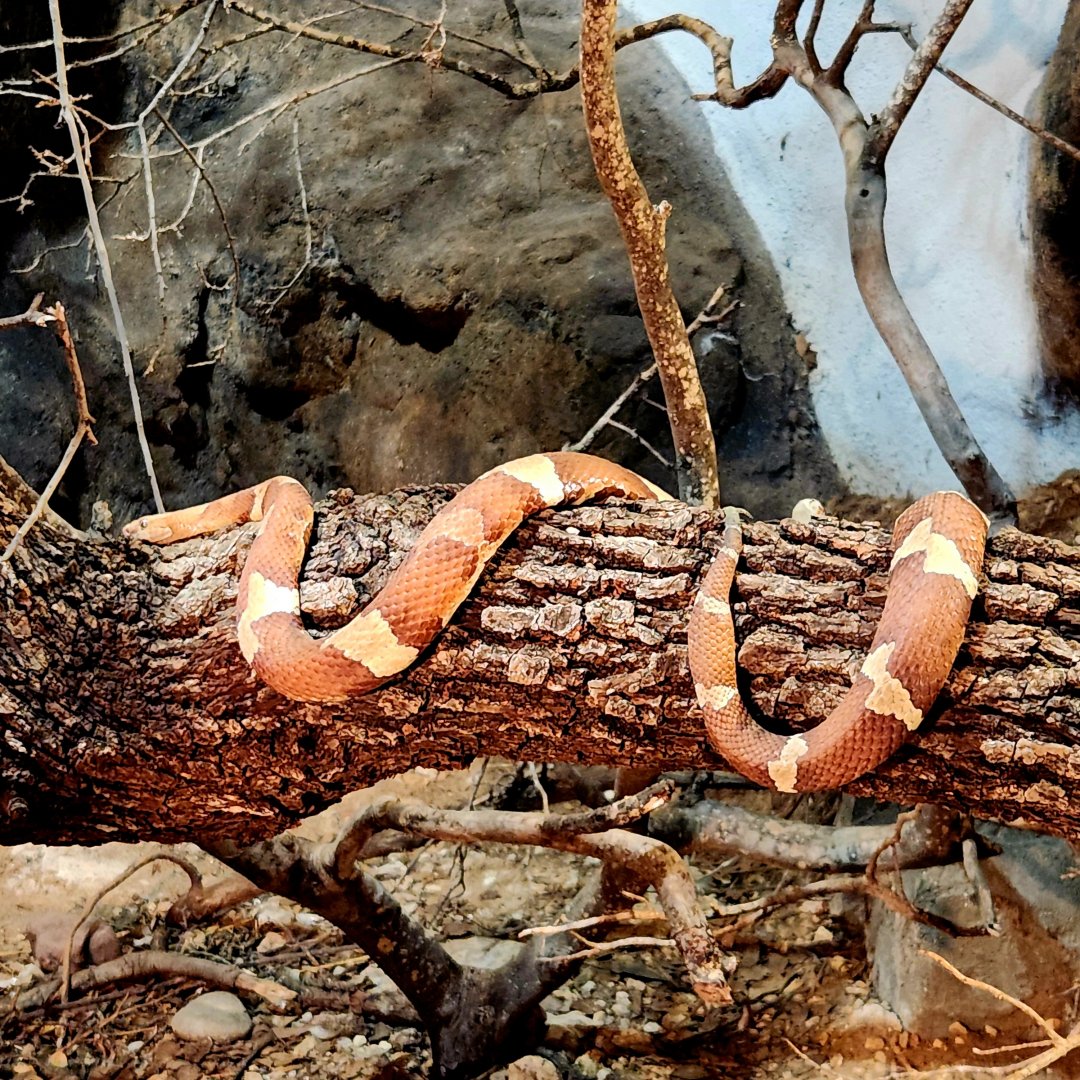
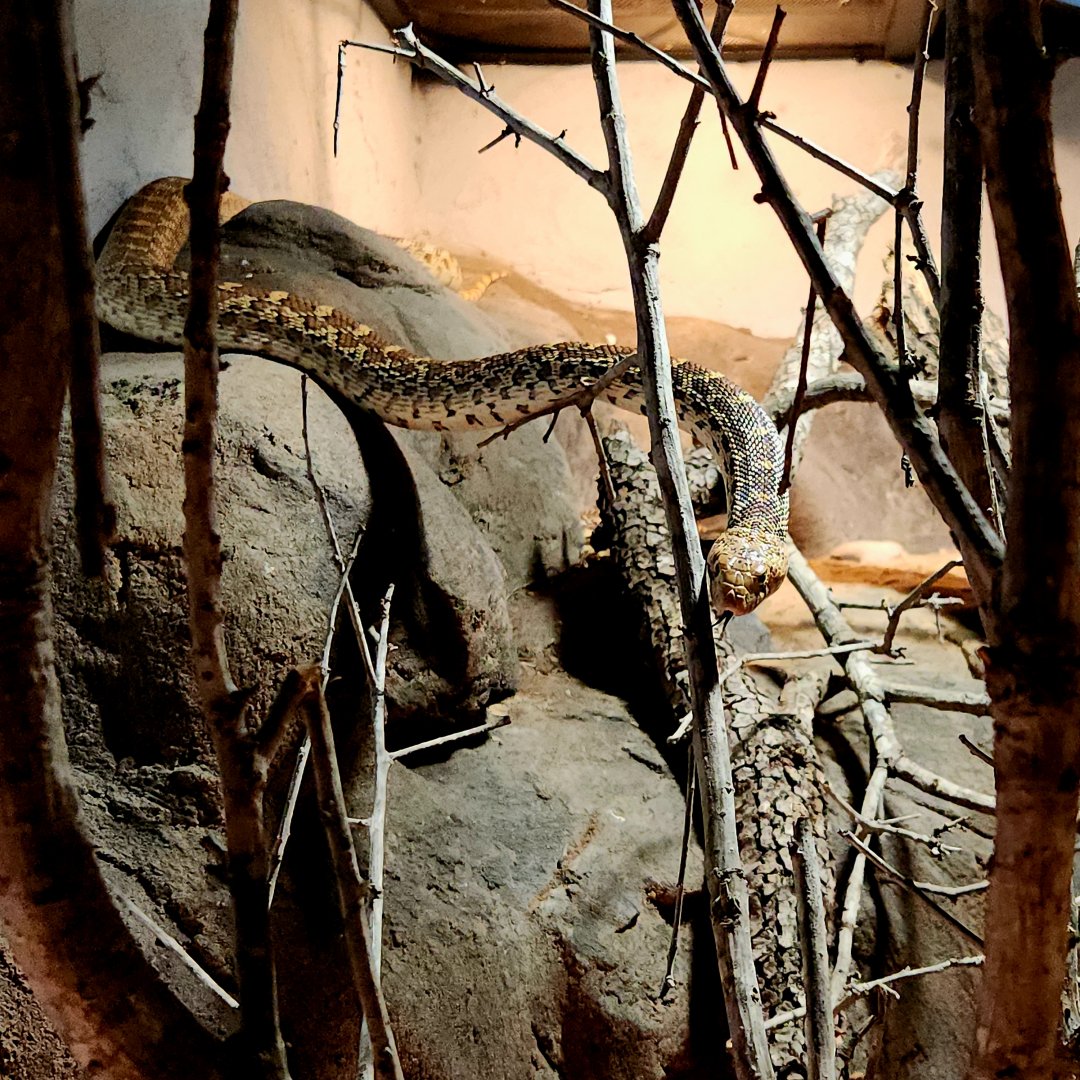
I'd call this exhibit (and all others from here on out, except where mentioned) a 6' cube, and while this isn't exactly a standard display size, I think it actually works out beautifully. The depth to the exhibit works out quite nicely, and the footprint paired with the height allows for some very natural-looking rock piles and other structures. It's a nice contrast to the mostly flat backgrounds throughout the rest of the facility - those work well, but the depth to these is impressive. The height allows for some pretty neat branch placements, and real dead trees make for a lasting impression. The species selection is also quite nice, with Broad-Banded Copperheads (Agkistrodon laticinctus) basking in the open for most of my visit and a Sonoran Gopher Snake (Pituophis catenifer affinis) remaining active throughout the day. There are also Trans-Pecos Rat Snakes (Bogertophis subocularis) and Western Diamondback Rattlesnake(s?) (Crotalus atrox) in here, but I didn't see them during my visit. The "subocs" are probably my favorite colubrid in the world, they're super calm, they've got some pretty cute bug eyes, and there are naturally-occurring "blonde" and "silver" populations that are gorgeous. Highly underrated, and almost always my first suggestion for someone wanting to get into keeping snakes. There's not much I would change in this exhibit, the visible gray spots on the background look a bit out-of-place but your eye isn't drawn to it in person with everything else happening in here.


Exhibit 86: Pantanal
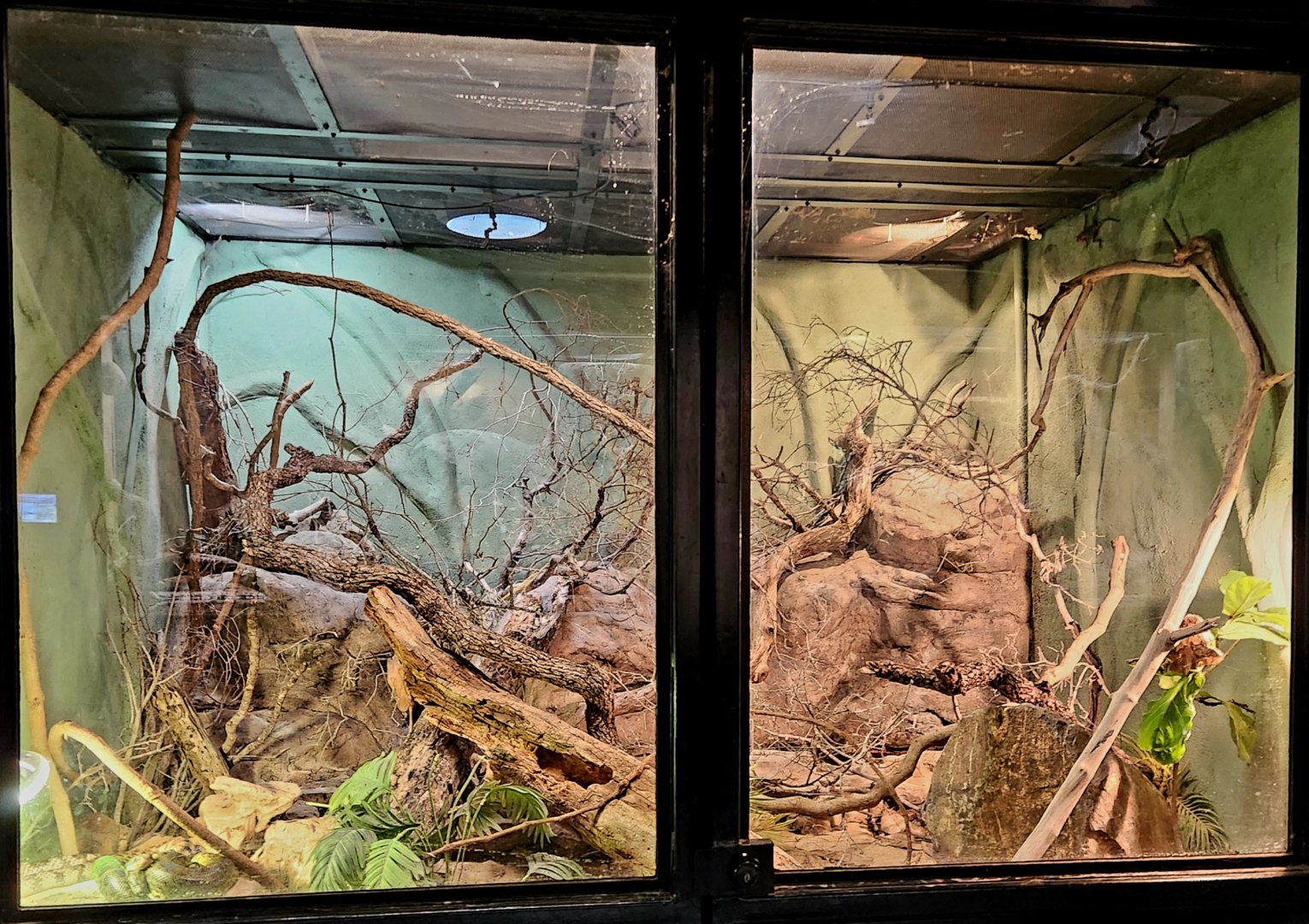
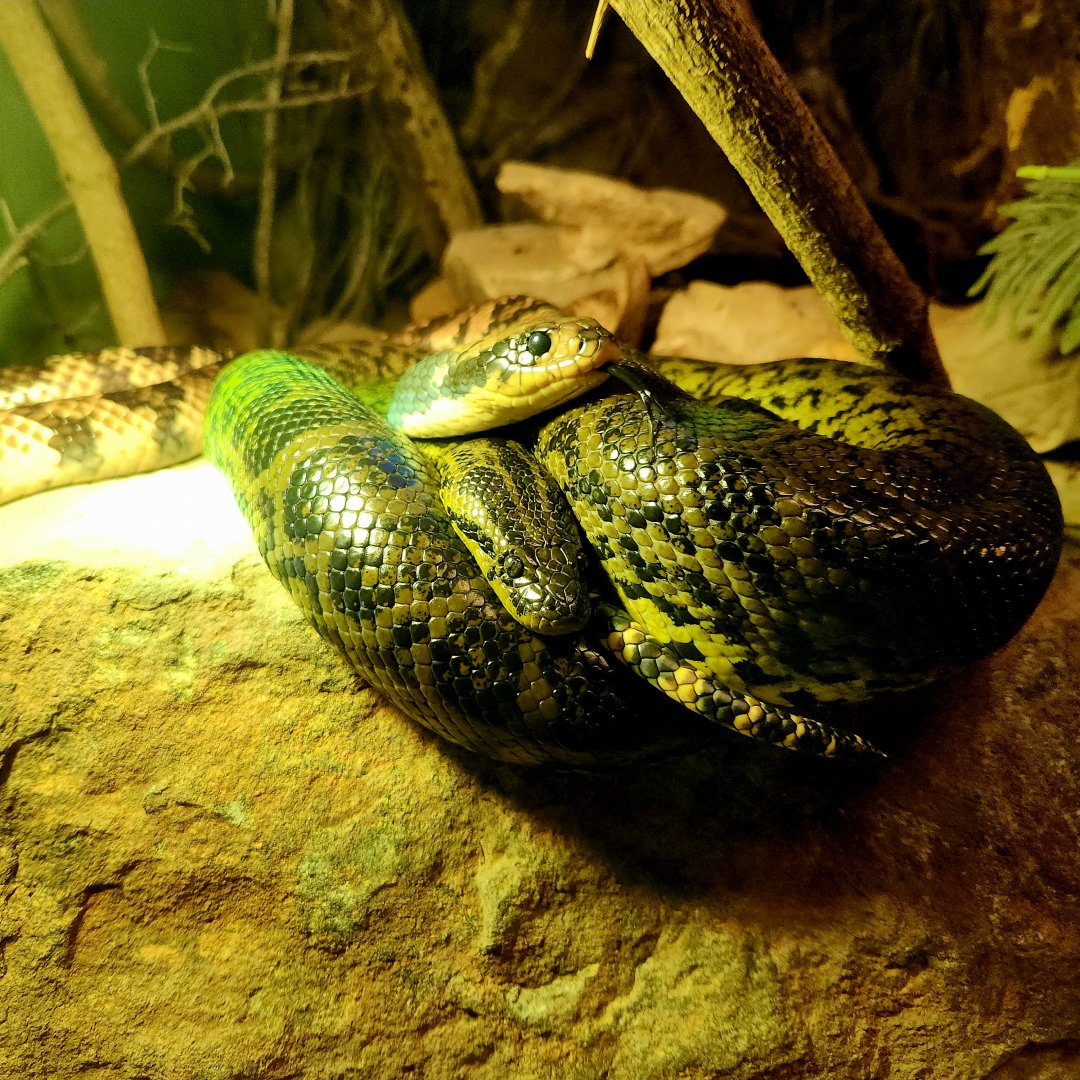
This is a larger exhibit, measuring maybe 8' long instead of 6', with the same width and height. Visually, this display isn't the most cohesive, with a lot happening between the green background, artificial and natural rocks, various branch types, and plants. I definitely wouldn't mind seeing that "tidied up" a bit, but the idea is there. The water feature at the center of the exhibit is large and does look quite nice - unfortunately, you can't see it too well in the photo I took. The species in this exhibit are what makes it really shine - a Yellow Anaconda (Eunectes notaeus) and a False Water Cobra (Hydrodynastes gigas) make for a pretty impressive combination of snakes, and the two on display spent a lot of their day basking front and center. Collared Treerunners (Plica plica) can be seen running across the walls of this exhibit as well. They fit the biotope, but the sight of them spread out randomly across the flat background looks a bit... odd? It's a minor nitpick, but I wonder if a Tropidurus sp. would fit the display itself better as they'd be more likely to use the rocks and branches. The obvious concern would be with the FWC's, but I'd have to leave that up to someone that's already got experience mixing Hydrodynastes and lizards ;)


Exhibit 87: Northwest Madagascar
Back to a "smaller" exhibit, and unfortunately one I forgot to take a photo of. This was home to (interestingly) another pair of Madagascar Ground Boas (Acrantophis madagascariensis), alongside a small group of Giant Day Geckos (Phelsuma grandis). Without a photo, I don't have much to go off of, although I will say I was a bit disappointed to see the Ethiopian Mountain Adders (Bitis parviocula) were moved out of here. Not sure why that is, but they are a beautiful, endangered, montane species that fits the theme of the gallery perfectly. Given that a larger pair of Acrantophis went on display the morning of my visit, I would presume that this exhibit may change around a bit in the coming months.


Exhibit 88: Balkan Mountains
This exhibit is probably the largest I've personally seen for any of the European vipers, including the Nose-Horned Vipers (Vipera ammodytes) housed here. This exhibit is one of the lightest-stocked at the facility - I only saw a pair of snakes in this 6' cube enclosure, fully-grown at around 2 feet. They've got a very natural-looking "staircase" structure at the back that gives them far more than the billed 36 square feet of floorspace, and the branch placement at the top of this looks very nice. One of the best things about this exhibit size is the amount of different perspectives you can play with, and if you focus on the top of the rock pile, those thin branches really start to turn into distant trees. My only concern with this exhibit is the amount of space this small pair of snakes takes up, as this exhibit could house a number of larger species. If they are to stay in here, there's little to nothing I would add, except possibly more of the grass seen towards the bottom.


Exhibit 89: Canary Islands
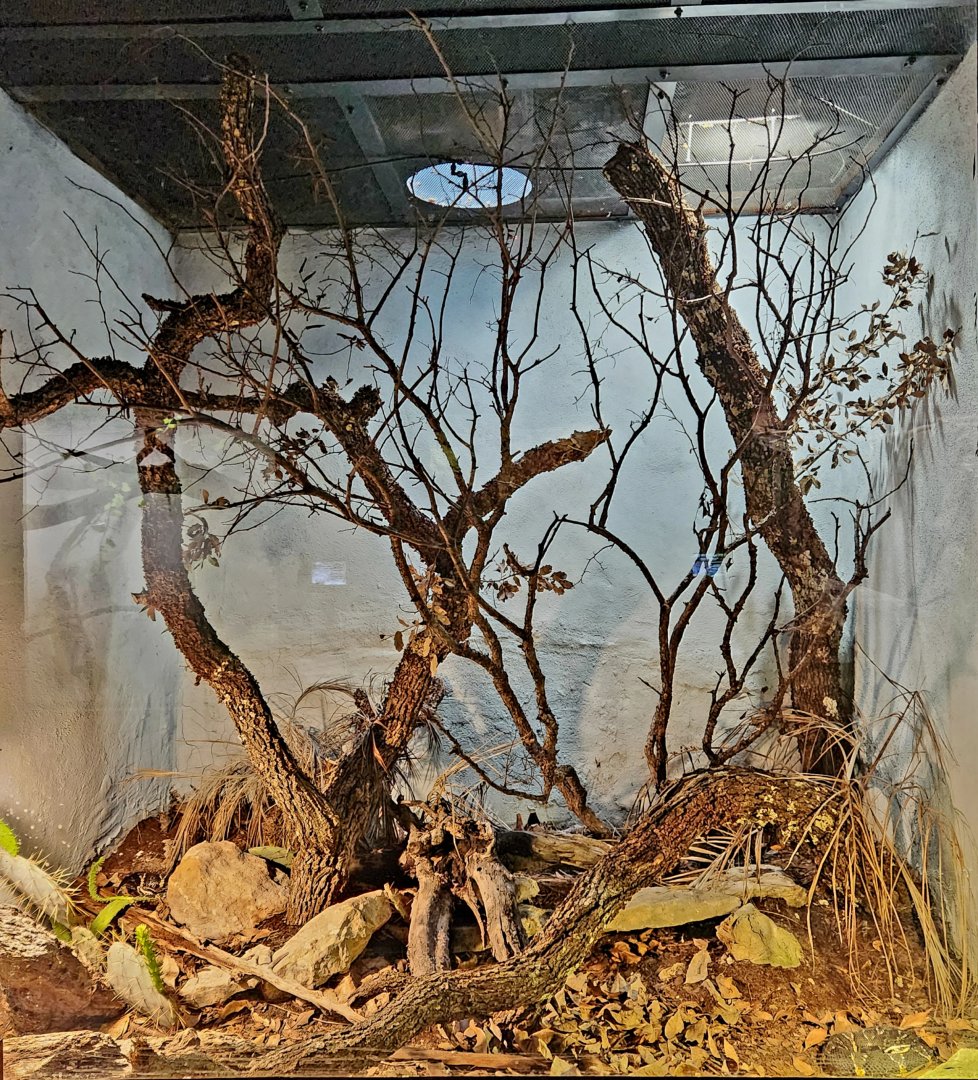
Another exhibit that might not be the most engaging in and of itself, but the Tenerife Lizards (Gallotia galloti) inside are a pretty unique species. I only got a glimpse of them for a brief moment, but these are a member of the "Giant Lizards" found in the Canary Islands. This species in particular reaches around 16", while the largest of the genus can reach about 30" (G. stehlini). I feel as though this exhibit could use a much taller and more put-together rock background, but the other elements are nice. Given that this exhibit is new since our 2023 list, I wouldn't judge it too harshly, as this is a pretty drastic change from a Sonoran Desert exhibit and it'll take time to mature. Multiple species of Wall Geckos (Tarentola sp.) native to the archipelago occasionally pop up in the hobby, and they'd make an excellent addition to this woefully-underrepresented biotope.

 
Exhibit 90: Huachuca Mountains
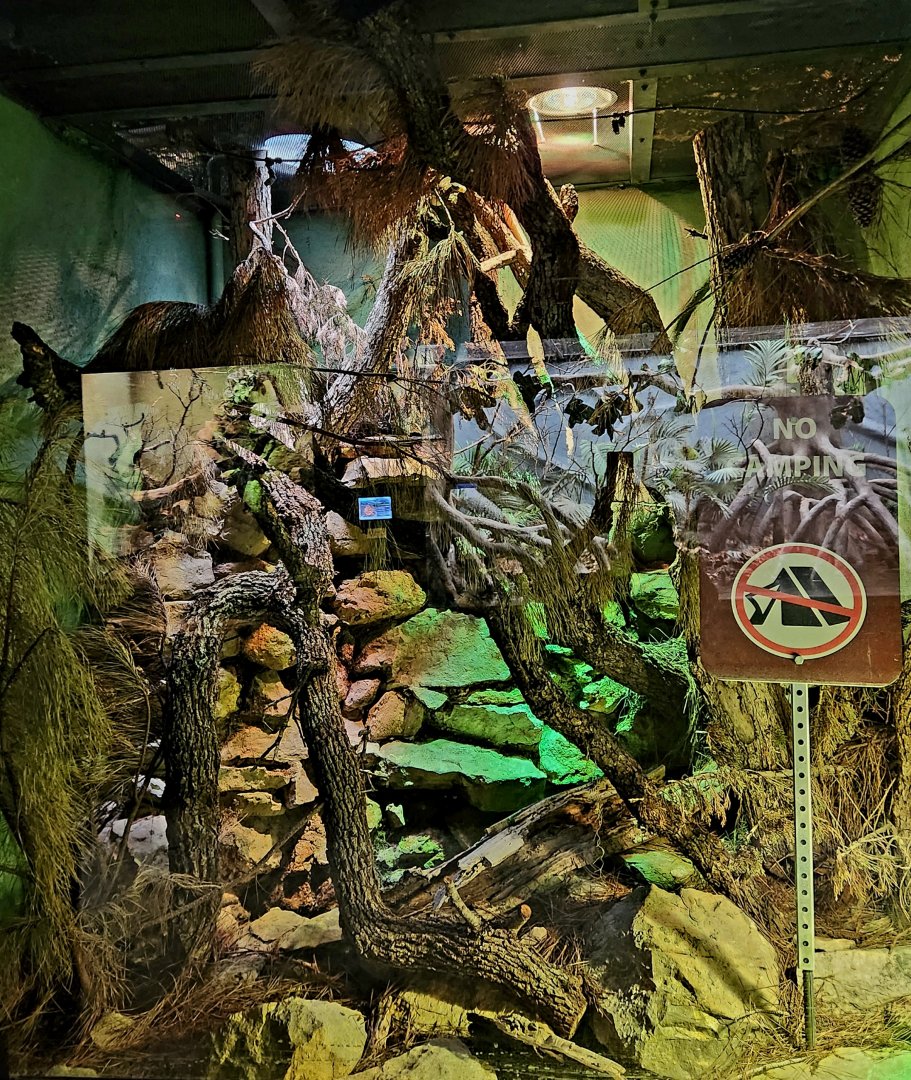
The exhibits in this post will all contain a single species, and #90 holds a pair of Northern Black-Tailed Rattlesnakes (Crotalus molossus). My apologies for the glare in this photo, the South Florida exhibit across from it is extremely bright - fortunately it's not that bad in person. Man-made objects within exhibits are always a tricky one, and IMO there is a very fine line between engaging and tacky - this exhibit does it well, fortunately. The branch pieces in here are nice, but the exposed cut ends are a minor nitpick. Beyond that, the combination of pine materials and local rocks makes for a pretty engaging display, and the snakes on exhibit are gorgeous. The snakes and exhibit are both large enough that a small lizard might cohabitate well - Yarrow's Spiny Lizards (Sceloporus jarrovii) are by far the most common in the Huachucas.


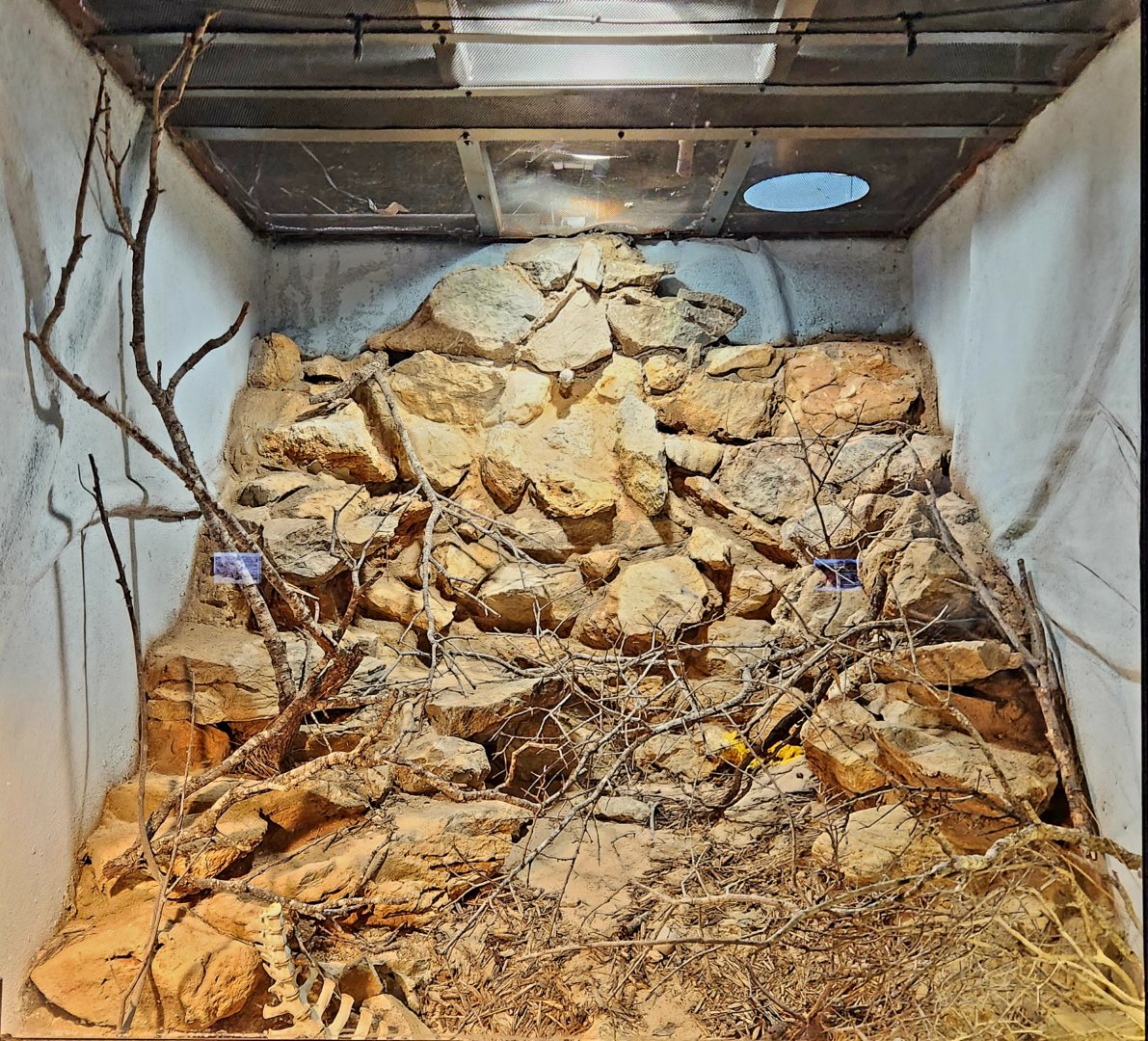
Exhibit 91: Western Mexico
I'll start by mentioning the rock wall in this exhibit, as I think it's one of the best-made. The material holding the rocks together looks quite nice, and this feels like a very authentic hillside along Mexico's west coast. The mess of smaller branches and dried grass on the ground tie the front of the exhibit together nicely, and the skeletal remains are a nice touch. The Mexican West Coast Rattlesnakes (Crotalus basiliscus) on display are a cool species, one of the largest rattlesnakes reaching over 6' and frequently hybridizing with the molossus mentioned previously. Similar to them, a small lizard might do well in here - Clark's Spiny Lizards (S. clarkii) are common in the area, as are Zebra-Tailed Lizards (Callisaurus draconoides) if a different genus is desired. Long term, it might be an interesting goal to move these snakes on display with the next species in a larger exhibit, as they're found in similar locales.


Exhibit 92: Rio Fuerte
Speaking of, this exhibit is home to a group of four Rio Fuerte Beaded Lizards (Heloderma exasperatum), and are one of the zoo's hallmark exhibits for showcasing strange behaviors. It's not often that you get to see Heloderma climbing trees, but the group in here do it almost daily. Unfortunately, they remained low throughout most of my visit, but I did get a shot of one that chose to perch at the top corner of the exhibit - still something you don't see every day. The water feature at the middle of the exhibit is a nice touch, but I feel as though the rock wall could be expanded further around the exhibit to provide even more usable space and a more cohesive look. The plants also look nice as well, but bringing more of them over to the left side might give a cleaner appearance. Any of the small lizards mentioned previously should be fast enough to where predation isn't a concern, and fit the biotope well - as do the Rattlesnakes.


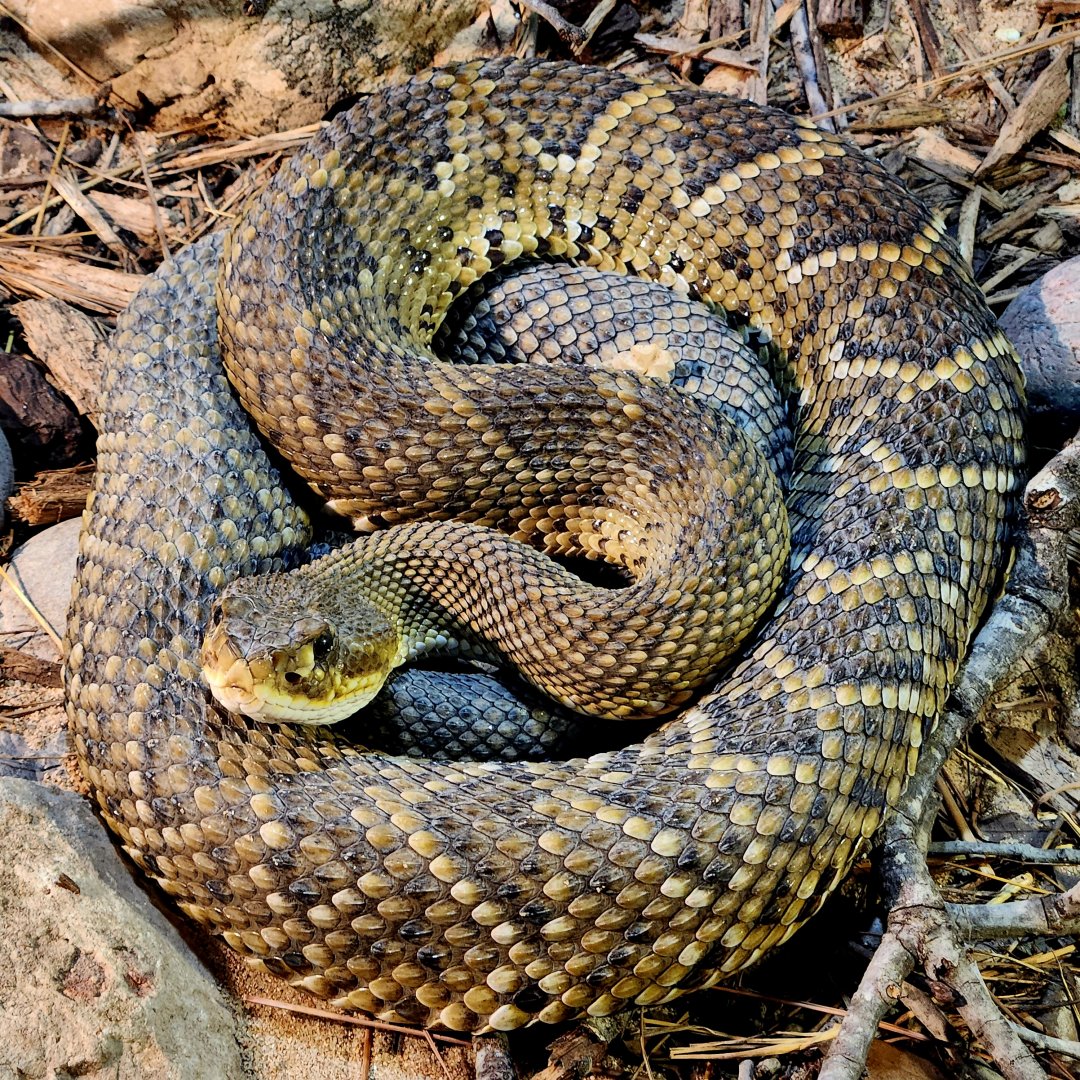
Exhibit 93: Texas Pineywoods
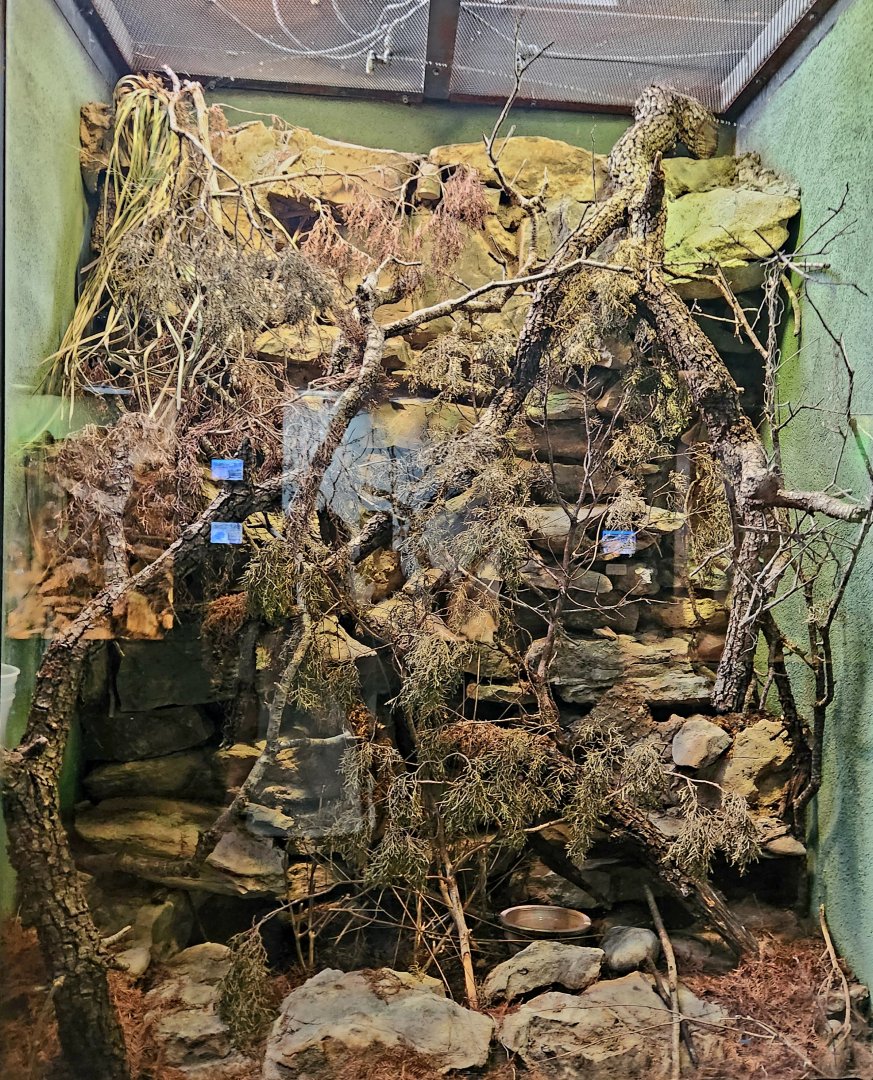
The vertical pine trunks, assortment of pine needles and ferns, and rock den in this exhibit make it a near-perfect replication of the Timber Rattlesnake's (Crotalus horridus) preferred habitat, and these are a must-have species for the temperate gallery. Between their size and looks, these are among the most impressive Rattlesnakes native to the United States, as well as the most widespread. While a different background color might be a bit less jarring, I actually like the "low-cut" rock wall in this exhibit, as it forces the perspective of the trees a bit more. Texas Spiny Lizards (Sceloporus olivaceus) fit the Texas Pineywoods biotope best specifically, while Eastern Fence Lizards (S. undulatus) and a number of Skinks (Plestiodon sp.) coincide with these snakes elsewhere. I didn't get a great shot of these snakes, but they were quite a large pair that climbed surprisingly well throughout their exhibit. Eastern Copperheads (Agkistrodon contortrix) and a variety of Rat Snakes (Pantherophis sp.) frequently share dens with Timbers, but with the size of the Rattlesnake pair on exhibit I wouldn't want to add any more snakes.

 
Here we are, the end of the walk-through with the final four exhibits. I'll keep the thread going afterwards with a speculative plan of how the collection could potentially move over the next 5-10 years, with a bit of my personal twist on things. That'll take a bit, but it'll come - for now, enjoy the rest of the exhibits :)

Exhibit 94: South Texas
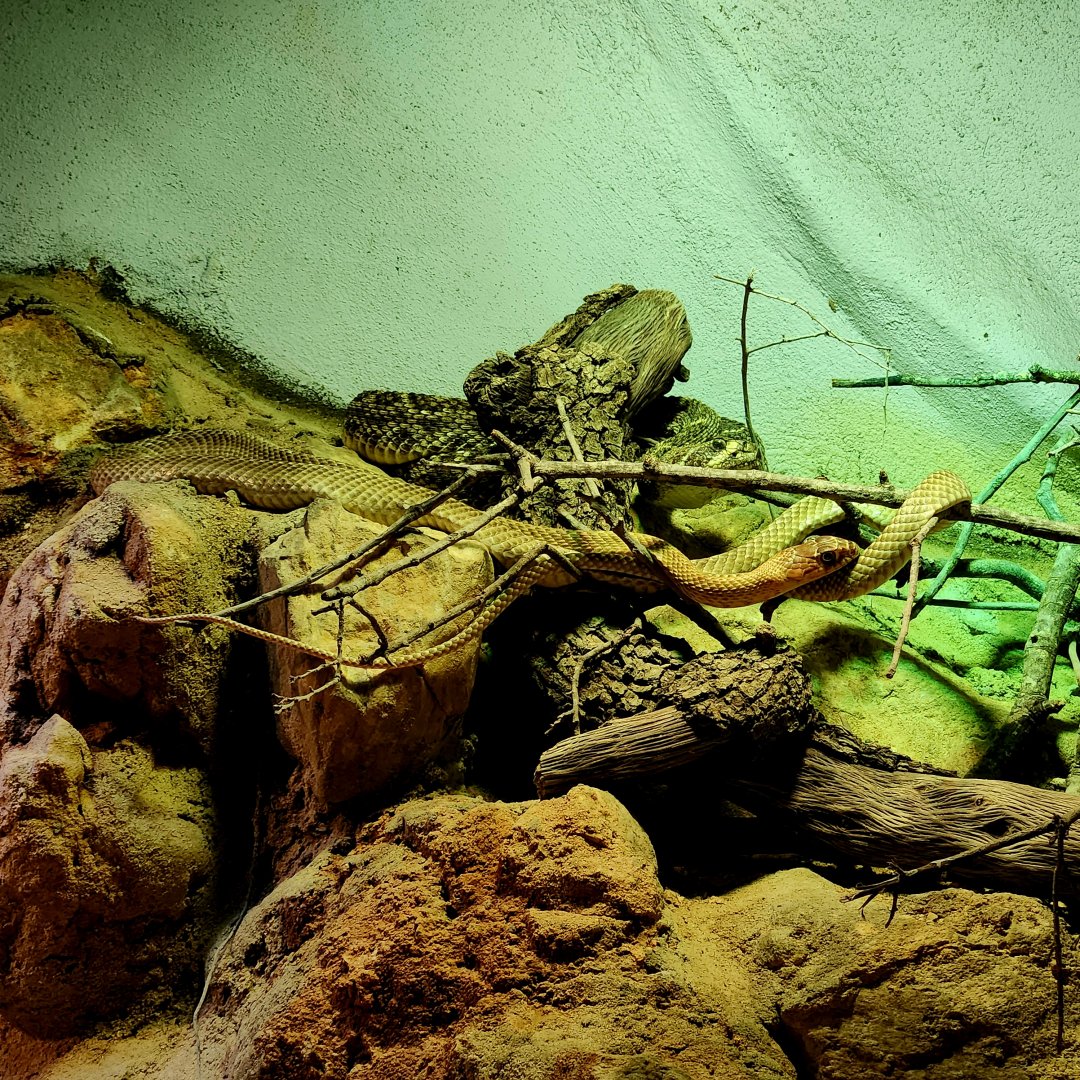
Back to some mixed-species exhibits, this one replicates the desert habitats of southern Texas with three classic species. Desert Box Turtles (Terrapene ornata luteola) inhabit the lower portions of the exhibit, and while I didn't see them climb the structure, I'm sure they show some surprising abilities from time to time just like every other animal here. The cacti in this exhibit are nice, and while I'm sure they're added in on rotation, it would be nice to see them spread throughout a bit more. As with one of the previous exhibits, I really like the "cohesive" look of whatever material is holding the rocks together - this exhibit looks like a 6 foot excavator slice of a South Texas hillside. The Western Diamondback Rattlesnakes (Crotalus atrox) and Western Coachwhips (Masticophis flagellum testaceus) are both classics, with the bright pink Coachwhips being especially attractive. The latter means that any small lizards will be expensive feeders, making this exhibit perfectly stocked.


Exhibit 95: Northeastern Mexico
Another exhibit in the gallery that isn't the most visually engaging, but the species more than make up for it. Taylor's Cantils (Agkistrodon taylori) are a short, stout, beautiful, and rare venomous species from Tamaulipas and a few surrounding states in Mexico, and a trio call this exhibit home. The variety of plant life in here is a nice contrast to some of the previous desert-themed exhibits, but I can't help but feel like there is lots of wasted space in here. The lower portion of the exhibit is fantastic, with tons of different niches and textures for both the snakes and the viewers. The lack of any real elevation by means of slowly-sloping branches or a rock background isn't necessarily bad for the snakes, but I feel it wastes a lot of potential in an exhibit this size. These snakes are likely to eat any small lizards with enough time, and disturbing a breeding group of taylori seems like a dumb move - with that in mind, I can't help but feel like these snakes might do better in a different exhibit, perhaps one of the larger desert-themed ones on the Tropical Building's upper floor.


Exhibit 96: Ifaty Spiny Forest
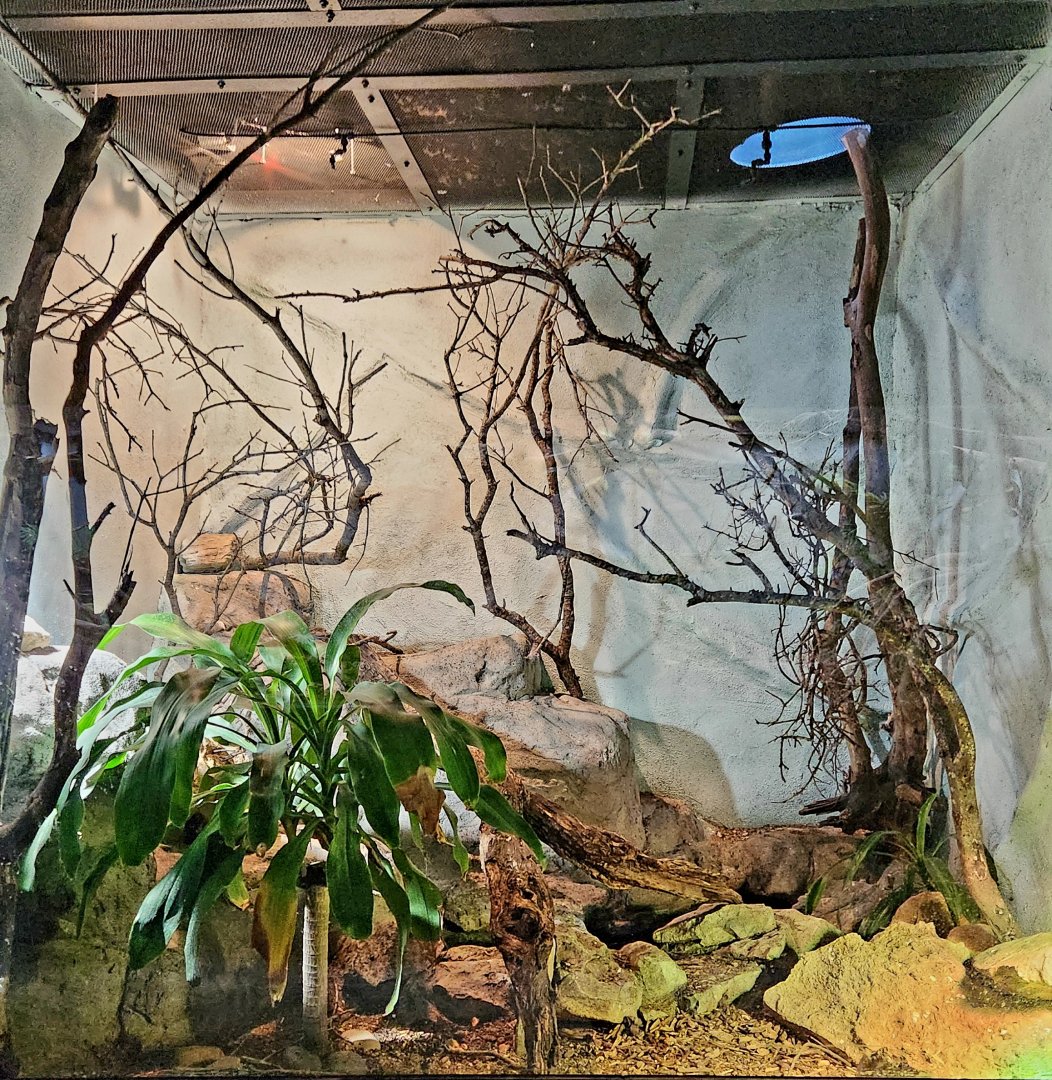
Misspelled in my original list (oops :oops:), the Ifaty Spiny Forest exhibit at Reptilandia is another of the larger exhibits along this wall, measuring probably 8 to 10 feet long and the same 6 feet wide and tall. The mock Baobab trees look good, although they don't necessarily invoke the idea of "spiny" with their rounded/flat ends. The brushy hardscape throughout the exhibit looks great, and I would love to see about three times as much brought in for the sake of providing even more usable cover. The plant life could be a bit better distributed, rather than a single large plant front and center, but the emphasis in this exhibit should remain on the brush rather than the vegetation. Again, these are all minor nitpicks really, but the pine branches are somewhat noticeably reused from previous exhibits (90, 93, etc) and might be better replaced by a different type. I'll end the exhibit comments by stating that I really like the orange background on this one, and I wish it was used more extensively throughout both buildings - I could see the Tsingy Peaks and various Australian exhibits looking quite nice with this color palette. As far as species, the main attraction on my visit was a pair of Dumeril's Boas (Acrantophis dumerili), while Oustalet's Chameleons (Furcifer oustaleti) and Merrem's Madagascar Swifts (Oplurus cyclurus) were signed but unseen. The Chameleons might do well in the Tsingy Peaks exhibit as mentioned earlier, and they would fit that biotope better than this one. Species like the Warty (F. verrucosus) or Antimena Chameleon (F. antimena) would fit more closely, while Three-Eyed Lizards (Chalarodon madagascariensis) and Standing's Day Geckos (Phelsuma standingi) would also be appropriate. The size of this exhibit and the locale it represents means that Spider Tortoises (Pyxis arachnoides) would be perfect, but there have been issues reported between Acrantophis and Tortoises, so caution would be required if both species are to be housed.
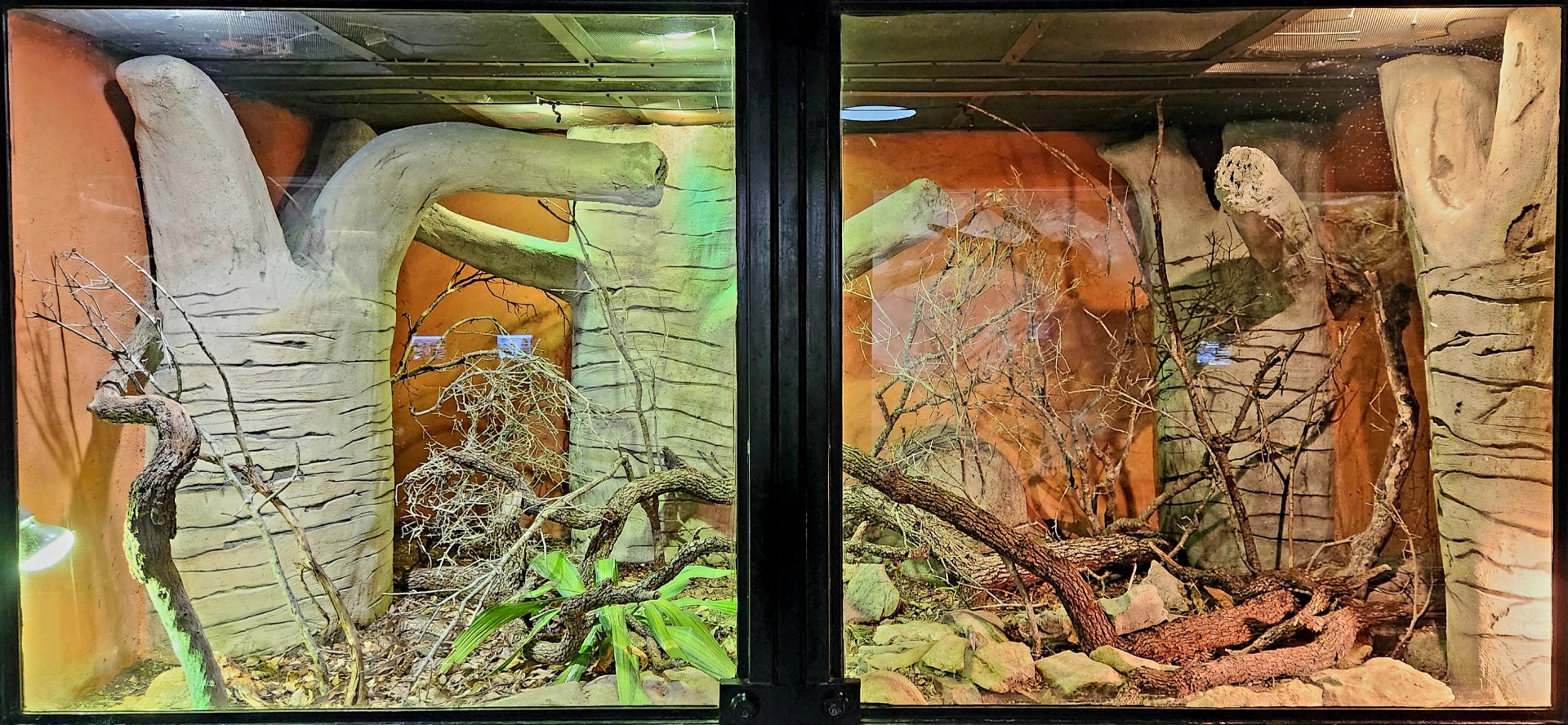
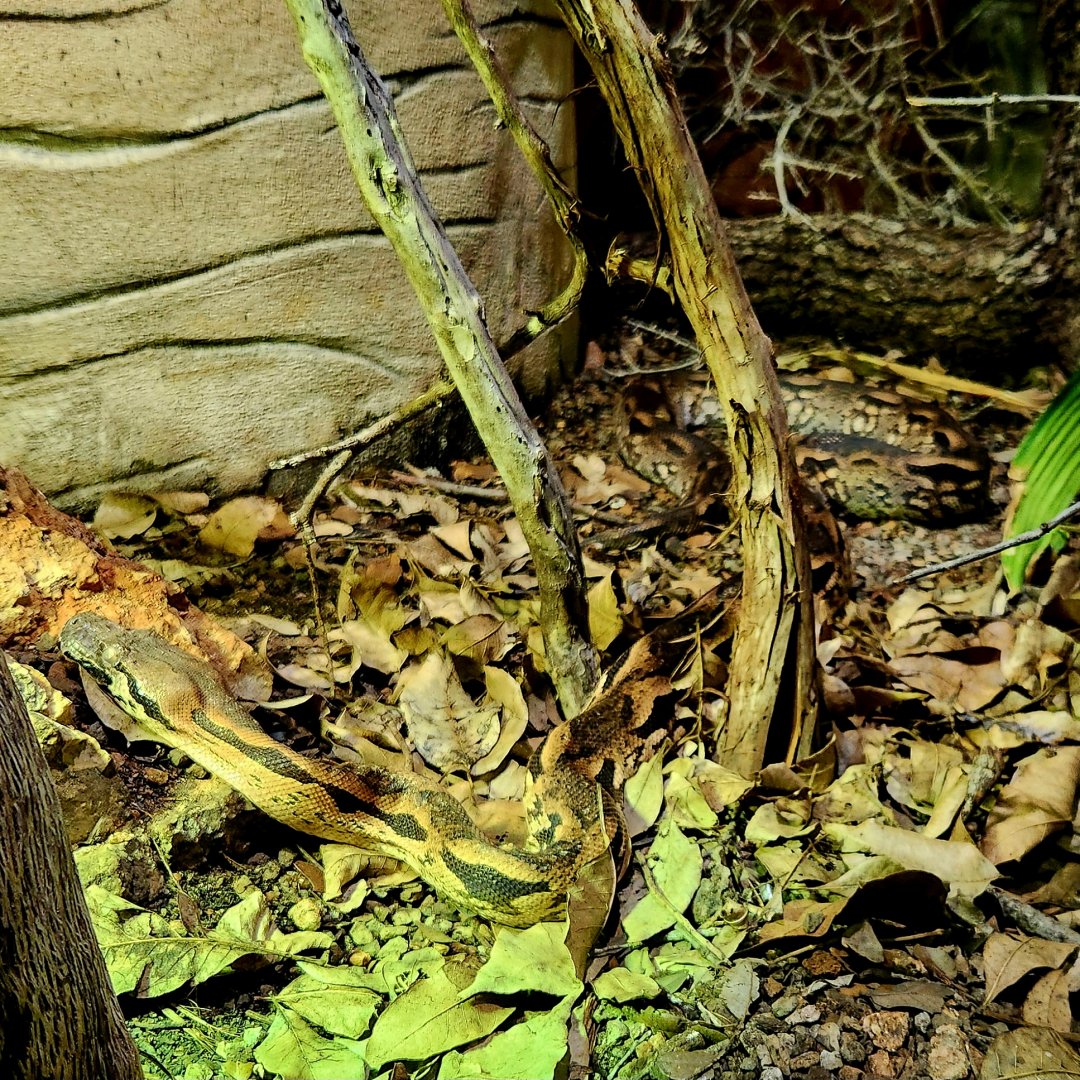
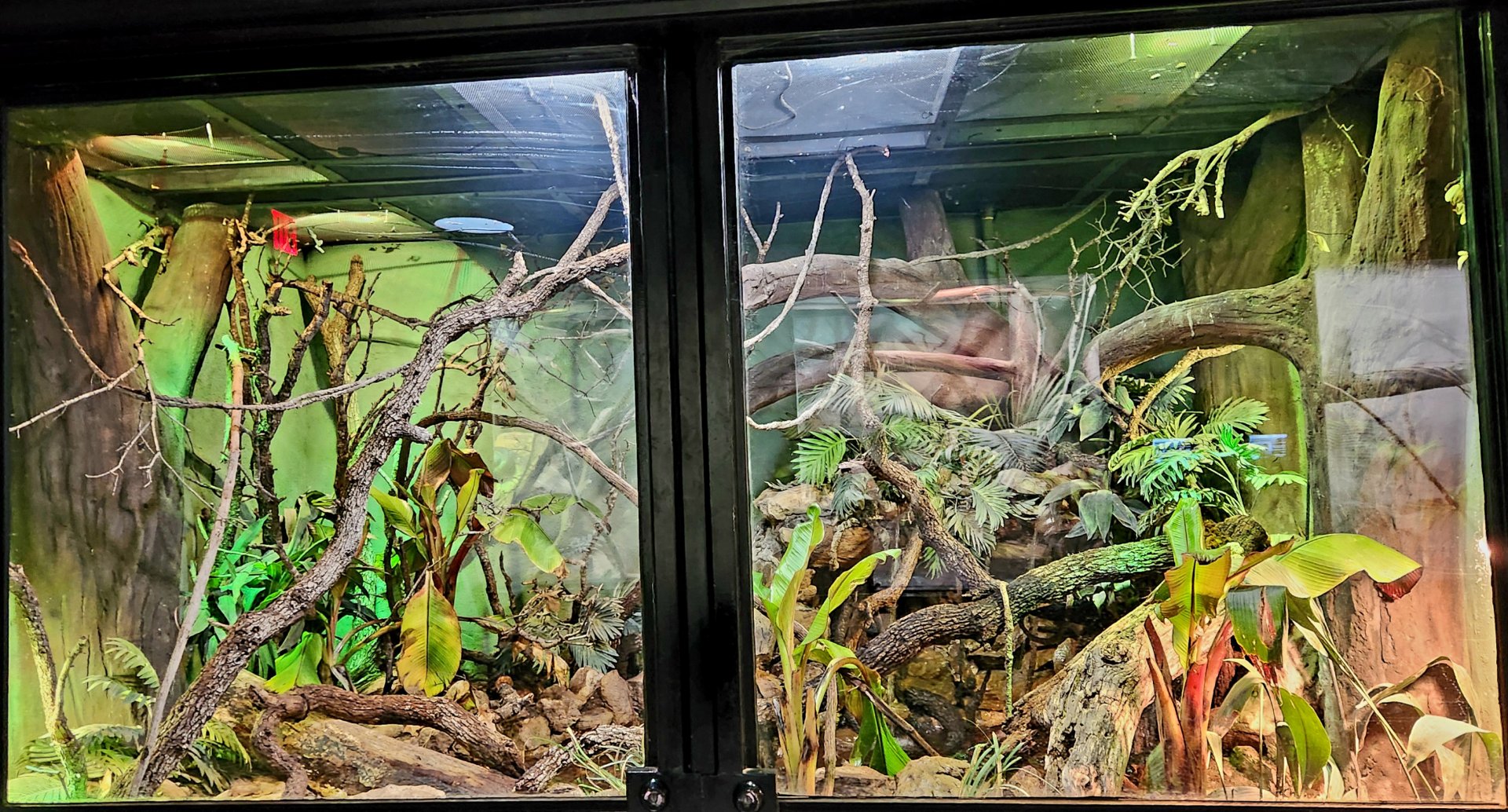
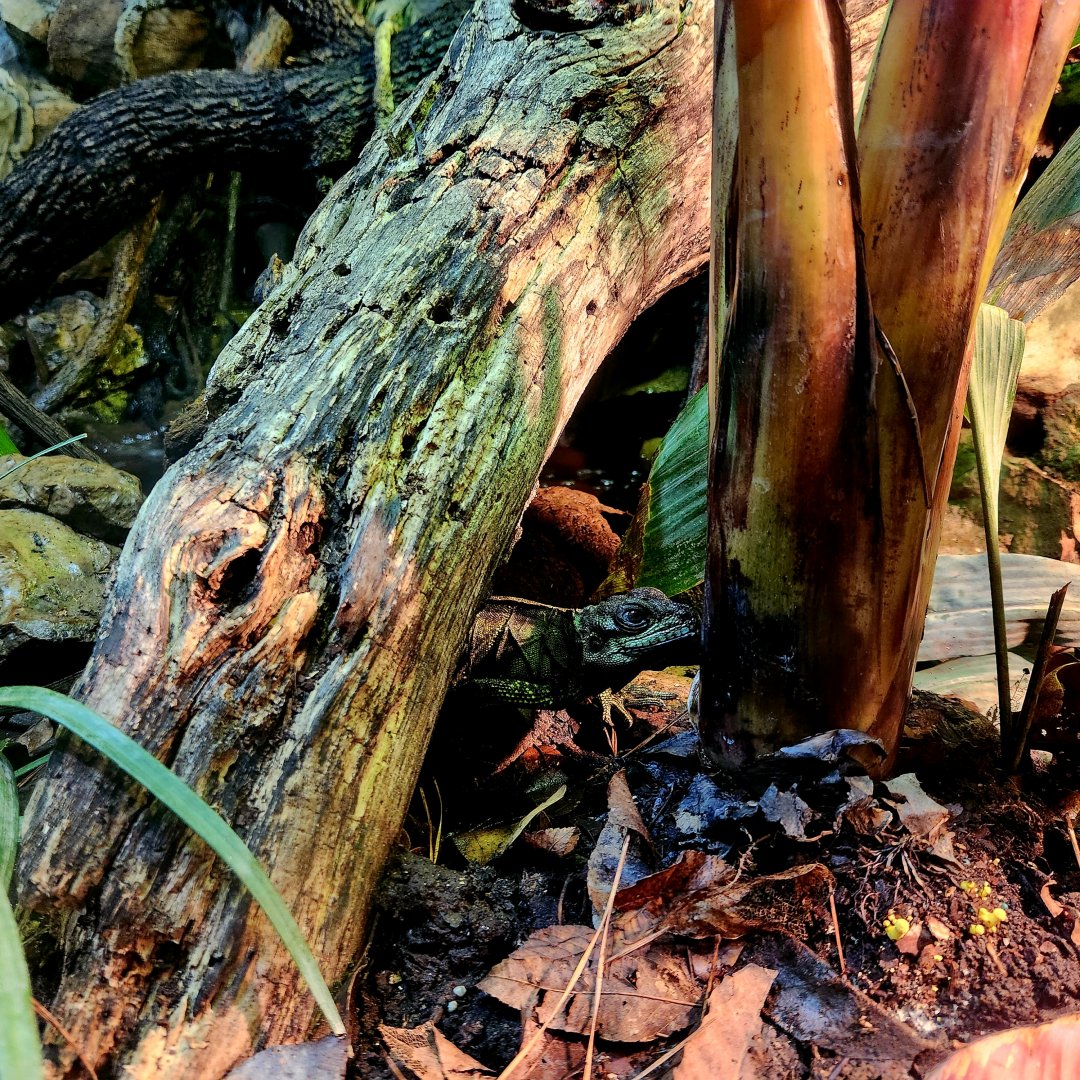
Exhibit 97: Sulawesi
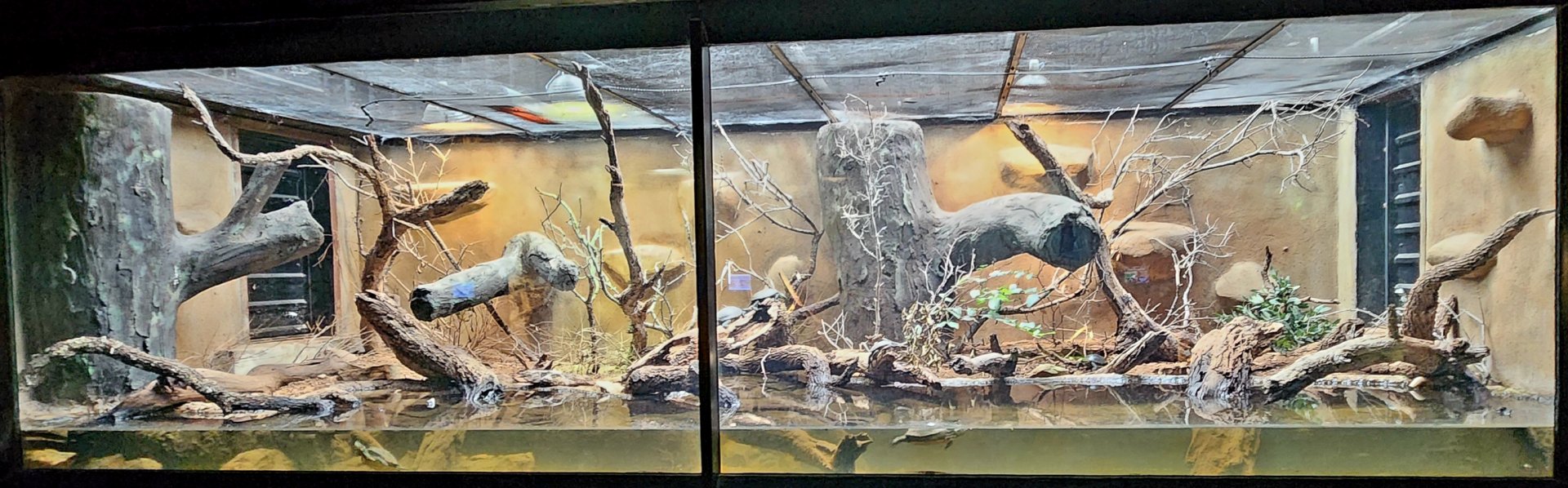
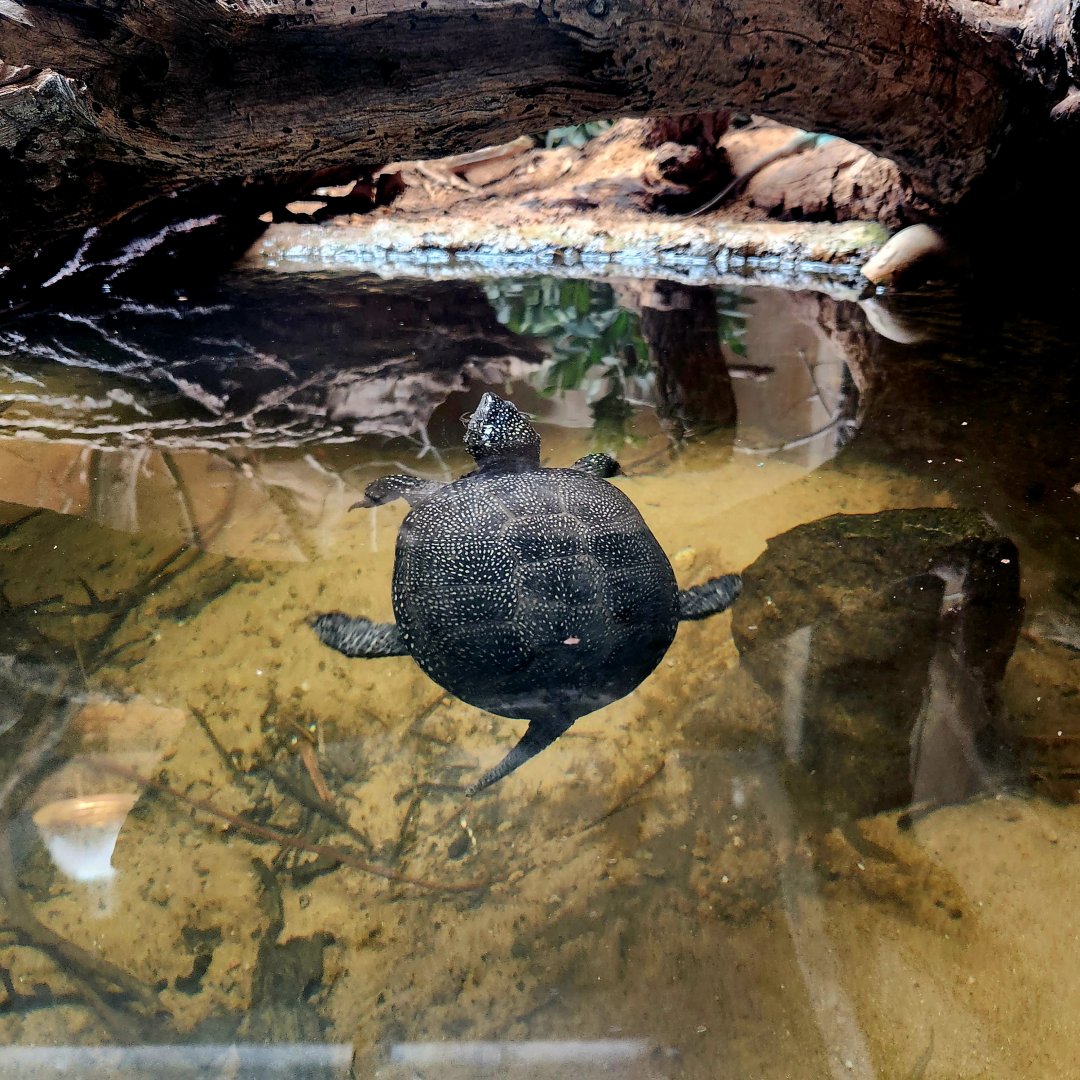
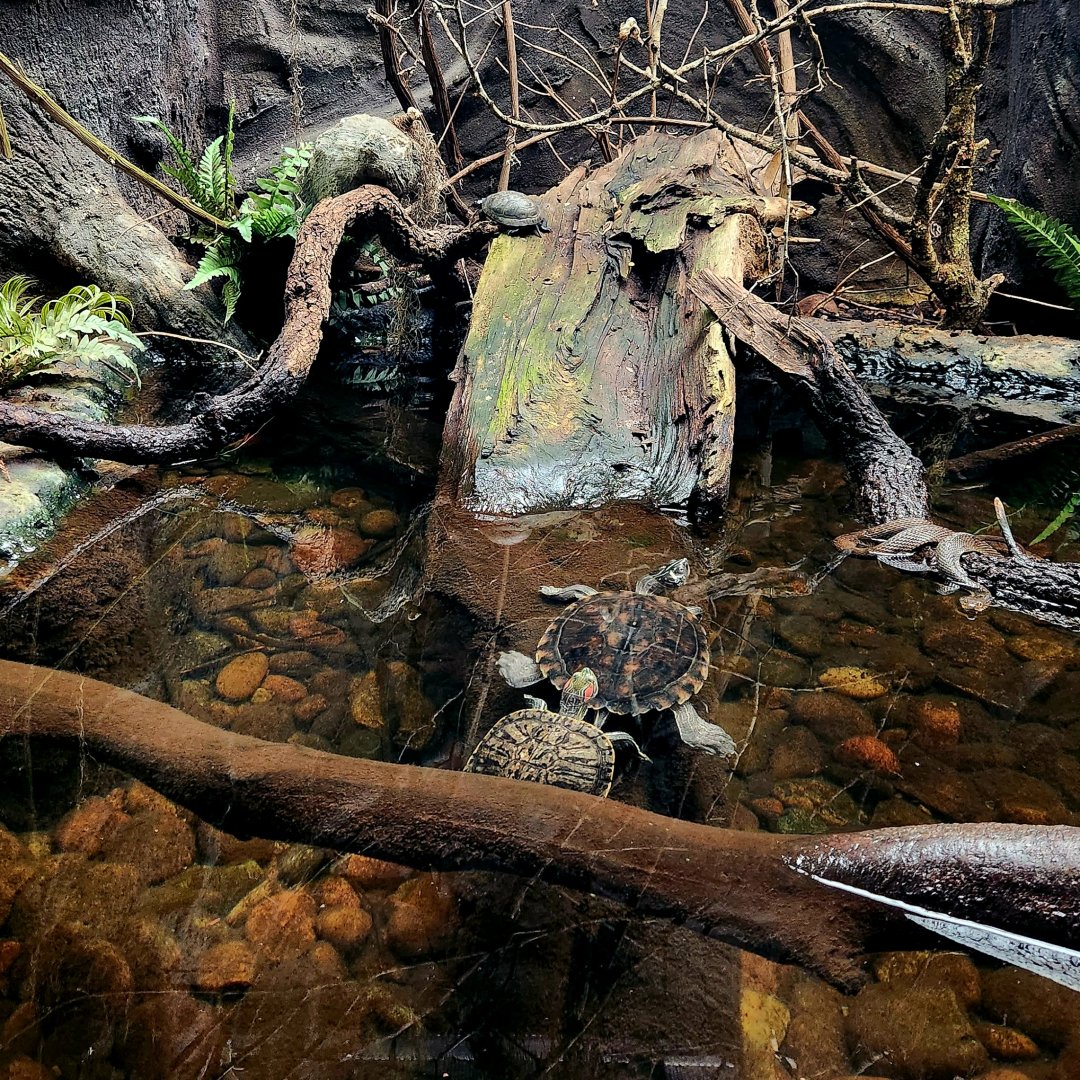
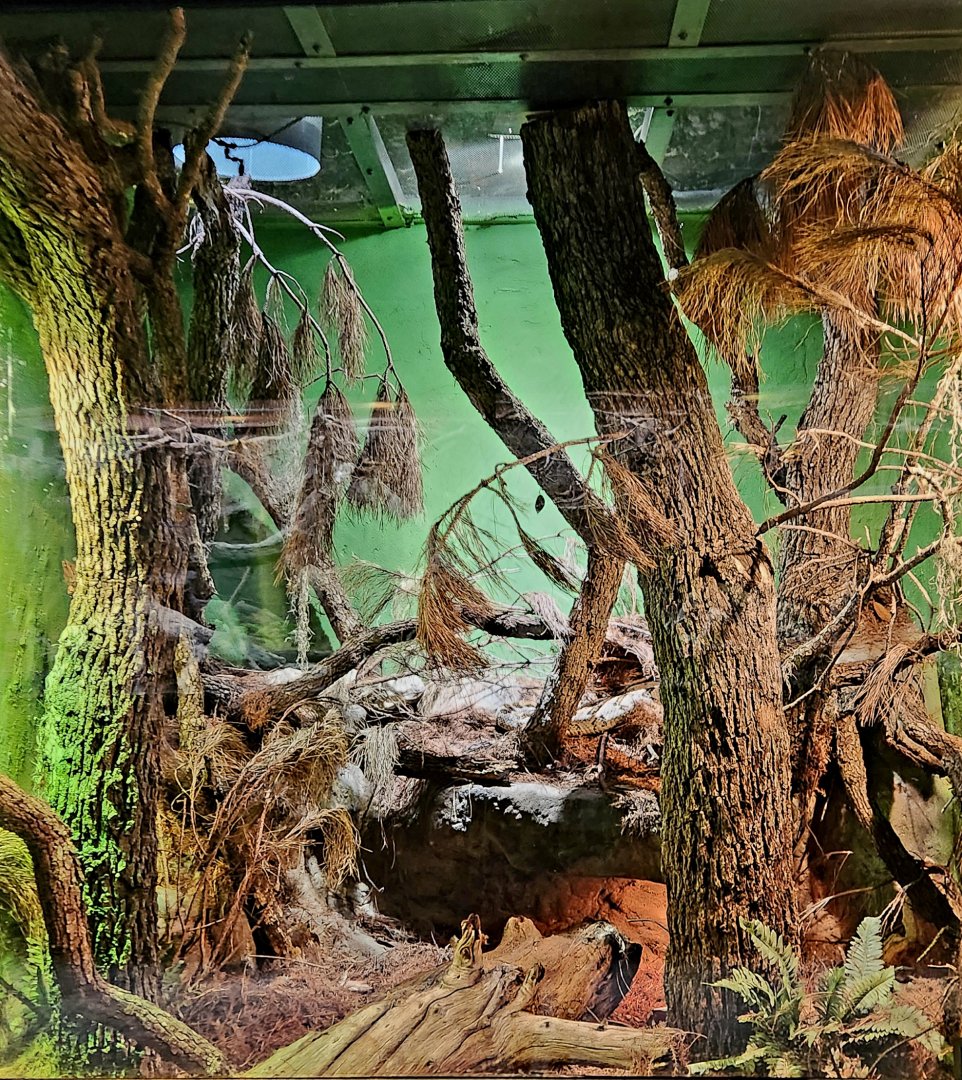
The final exhibit at the zoo, this one represents a forest on the Indonesian island of Sulawesi. This is one of my favorites in the Temperate Building, as it's large, the trees look great and blend with the natural branches very well, and the lush plants are hard not to appreciate. You can't see it from my picture unfortunately, but a large water feature runs throughout the center of this exhibit, providing a nice focal point for viewers and an obvious draw for the animals. Some large Sulawesi Forest Turtles (Leucocephalon yuwonoi) remain surprisingly well-hidden, and these are quite the attractive species - unfortunately, none came out enough to where I could get a great picture. The Moluccan Sailfin Lizards (Hydrosaurus amboinensis) on display are an interesting choice, as this facility has half the Hydrosaurus species, plus an exhibit dedicated to the island of Sulawesi, yet neither of the species actually native to the island :p. A minor nitpick that will go unnoticed by most guests, but something I'm sure is at least a possibility for the future. I wouldn't add anything to this exhibit itself, but long-term I like the idea of creating a larger Sulawesi exhibit in the Tropical Building, as it's not exactly Temperate and there are a variety of interesting species that could be incorporated (Indotestudo forstenii, Varanus togianus, etc.).


And that's a wrap! I will note that the original "100+ displays" turned out to be slightly incorrect, but that really depends on how you count the exhibits (I counted the exhibits attached to the Carettochelys tank as synonymous with it, etc). Regardless, 97 exhibits of the caliber seen here is nothing to scoff at. This was an incredibly time-consuming process, but a fun one that I've been looking forward to for quite some time now. Hopefully everyone enjoyed it as much as I did :)
 
Last edited:
It'll be a while before I get to posting a full "reworked" species list, but in the meantime, I'll post a few of my exhibit ideas. My "rules" for this are that no new enclosures can be built within the two existing buildings, and the only animals that can be considered for expansions outside of the buildings are the Komodo, Perentie, any Tortoises, and any Crocodilians.

Exhibit 7: Cuba
This exhibit would certainly stay true to its theme, with the Cuban Rock Iguanas (Cyclura nubila), Cuban Sliders (Trachemys decussata), and Smallwood's Anoles (Anolis smallwoodi) all remaining on display. As mentioned earlier, Northern Curly-Tailed Lizards (Leiocephalus carinatus) would be added to the terrestrial portions of the exhibit, while the aquatic portion would be stocked with Cuban Gar (Atractosteus tristoechus) and Cuban Cichlid (Nandopsis tetracanthus).

Exhibit 10: Solomon Islands
The largest of the three "Tree Monitor-style" exhibits at Reptilandia, this has bounced around in my mind for at least a half-dozen different uses but I really like the idea of moving some Solomons species into here. The Prehensile-Tailed Skinks (Corucia zebrata) and Solomon Island Ground Skinks (Eugongylus albofasciolatus) currently housed in #58 are obvious choices from the existing collection, and seeing them in a larger exhibit would be great as they certainly make full use of their current display (not that it's small). Emerald Tree Skinks (Lamprolepis smaragdina) and Solomon Island Leaf Frogs (Cornufer guentheri) would both make excellent additions, as would Black Emo Skinks (Emoia nigra), although I think the latter of the three might be used for a different exhibit later on.

Exhibit 13: Crocodile Monitor Kingdom
The Crocodile Monitors (Varanus salvadorii) would obviously remain in this exhibit, but I think I'd eventually work to replace every other species. Moluccan Sailfin Dragons (Hydrosaurus amboinensis) are already in the collection and would fit the New Guinea biotope closer when they get some size on them. The Red-Bellied Short-Necked Turtles (Emydura subglobosa) currently on display would be replaced with slightly-more-boisterous New Guinea Snapping Turtles (Elseya novaeguineae), while the lone Fly River Turtle (Carettochelys insculpta) would be phased out and replaced with a New Guinea Giant Softshell Turtle (Pelochelys bibroni), potentially a pair. The Emydura will be reused in a (slightly) smaller exhibit, while the surplus Carettochelys goes largely unnoticed in this exhibit and would be phased out. I don't think this exhibit needs any small lizard species, as they'd go unnoticed the vast majority of the time and would be better displayed elsewhere here. The previously-mentioned Jardini Arowana (Scleropages jardinii) would still be great, and noticeable from above the surface, as would Banded Archerfish (Toxotes jaculatrix).

Exhibit 17: Colombia
I'd love to see Amazon Basin Emerald Tree Boas (Corallus batesii) in here, rather than the more common caninus (these are expensive snakes that haven't been wild-caught in a long time, and they breed slowly in captivity, so this might be a pipe dream). Giant Monkey Frogs (Phyllomedusa bicolor) should do fine in here, as there is plenty of space and Emeralds are primarily mammal-eaters. This still leaves around a 4' by 4' space at the bottom of the exhibit empty, which I'd rework a bit and stock with a group of Golden Poison Dart Frogs (Phyllobates terribilis). These are the largest and among the boldest of the Dart Frogs, and the "Mint" color form is especially attractive.

Exhibit 23: Carettochelys River
The compatible 1.1 pair of Fly River Turtles (Carettochelys insculpta) would remain the stars of this exhibit, with breeding them remaining its top priority. The current Northern Snake-Necked Turtle (Chelodina rugosa) would be replaced by a pair/small group of either Roti Island (C. mccordi) or Parker's Snake-Necked Turtles (C. parkeri) - Roti's are a critically endangered species from the Lesser Sundas, while Parker's' are endemic to the Fly River system itself. The Red-Bellied Short-Necked Turtles (Emydura subglobosa) from #13 are also from the region, and are a smaller, peaceful species worth trying in here. I will mention the lizards planned for the upper portions in a separate entry ("23.5"), as they'll take a bit more planning. As far as fish, a variety of commonly-available Rainbows including Red (Glossolepis incisa), Threadfin (Iriatherina werneri), Boeseman's (Melanotaenia boesemani), Lake Tebera (M. herbertaxelrodi), Turquoise (M. lacustris), MacCulloch's (M. maccullochi), Parkinson's (M. parkinsoni), and Dwarf Rainbowfish (M. praecox) would all be appropriate.

Exhibit 24: Latin American Cave
The Western Cliff Anoles (Anolis bartschi) and Axolotls (Amystoma mexicanum) in here currently are worth keeping, but the species list in the exhibit might be able to be expanded. Cave Anoles (Anolis lucius) are uncommon in the trade but do exist, and for the water feature, Blind Cave Fish (Astyanax mexicanus) are a must-have.

Exhibits 25-27: Caribbean Boas
Eventually, these would make great exhibits for breeding specimens of some of the rarer Caribbean boas. The Cuban Boa (Chilabothrus angulifer) on display currently is a "sleeper" of a giant snake, with specimens regularly reaching over 10' - I've got it moved to a larger display in my plans. The juvenile Jamaican Boa (C. subflavus) would be a great choice once it grows out a bit, and working closely with some of the SSP programs might result in some Virgin Island Boas (C. granti) being sent over. For the third exhibit, Haitian Ground Boas (C. fordii) are near-threatened and available from time to time in the trade.

Exhibit 47: New Guinea
The Southern Green Tree Python (Morelia viridis) exhibit, I would probably nix the frogs mentioned earlier but instead focus on expanding the group of snakes to include Northern Green Tree Pythons (Morelia azurea) as well. These snakes often display more of a yellow and/or blue coloration to them that would be an interesting contrast to the Aru-types, and closely controlling the sexes of the animals on exhibit would help prevent (potentially) unwanted cross-breedings.

More to come :)
 
It'll be a while before I get to posting a full "reworked" species list, but in the meantime, I'll post a few of my exhibit ideas. My "rules" for this are that no new enclosures can be built within the two existing buildings, and the only animals that can be considered for expansions outside of the buildings are the Komodo, Perentie, any Tortoises, and any Crocodilians.

Exhibit 7: Cuba
This exhibit would certainly stay true to its theme, with the Cuban Rock Iguanas (Cyclura nubila), Cuban Sliders (Trachemys decussata), and Smallwood's Anoles (Anolis smallwoodi) all remaining on display. As mentioned earlier, Northern Curly-Tailed Lizards (Leiocephalus carinatus) would be added to the terrestrial portions of the exhibit, while the aquatic portion would be stocked with Cuban Gar (Atractosteus tristoechus) and Cuban Cichlid (Nandopsis tetracanthus).

Exhibit 10: Solomon Islands
The largest of the three "Tree Monitor-style" exhibits at Reptilandia, this has bounced around in my mind for at least a half-dozen different uses but I really like the idea of moving some Solomons species into here. The Prehensile-Tailed Skinks (Corucia zebrata) and Solomon Island Ground Skinks (Eugongylus albofasciolatus) currently housed in #58 are obvious choices from the existing collection, and seeing them in a larger exhibit would be great as they certainly make full use of their current display (not that it's small). Emerald Tree Skinks (Lamprolepis smaragdina) and Solomon Island Leaf Frogs (Cornufer guentheri) would both make excellent additions, as would Black Emo Skinks (Emoia nigra), although I think the latter of the three might be used for a different exhibit later on.

Exhibit 13: Crocodile Monitor Kingdom
The Crocodile Monitors (Varanus salvadorii) would obviously remain in this exhibit, but I think I'd eventually work to replace every other species. Moluccan Sailfin Dragons (Hydrosaurus amboinensis) are already in the collection and would fit the New Guinea biotope closer when they get some size on them. The Red-Bellied Short-Necked Turtles (Emydura subglobosa) currently on display would be replaced with slightly-more-boisterous New Guinea Snapping Turtles (Elseya novaeguineae), while the lone Fly River Turtle (Carettochelys insculpta) would be phased out and replaced with a New Guinea Giant Softshell Turtle (Pelochelys bibroni), potentially a pair. The Emydura will be reused in a (slightly) smaller exhibit, while the surplus Carettochelys goes largely unnoticed in this exhibit and would be phased out. I don't think this exhibit needs any small lizard species, as they'd go unnoticed the vast majority of the time and would be better displayed elsewhere here. The previously-mentioned Jardini Arowana (Scleropages jardinii) would still be great, and noticeable from above the surface, as would Banded Archerfish (Toxotes jaculatrix).

Exhibit 17: Colombia
I'd love to see Amazon Basin Emerald Tree Boas (Corallus batesii) in here, rather than the more common caninus (these are expensive snakes that haven't been wild-caught in a long time, and they breed slowly in captivity, so this might be a pipe dream). Giant Monkey Frogs (Phyllomedusa bicolor) should do fine in here, as there is plenty of space and Emeralds are primarily mammal-eaters. This still leaves around a 4' by 4' space at the bottom of the exhibit empty, which I'd rework a bit and stock with a group of Golden Poison Dart Frogs (Phyllobates terribilis). These are the largest and among the boldest of the Dart Frogs, and the "Mint" color form is especially attractive.

Exhibit 23: Carettochelys River
The compatible 1.1 pair of Fly River Turtles (Carettochelys insculpta) would remain the stars of this exhibit, with breeding them remaining its top priority. The current Northern Snake-Necked Turtle (Chelodina rugosa) would be replaced by a pair/small group of either Roti Island (C. mccordi) or Parker's Snake-Necked Turtles (C. parkeri) - Roti's are a critically endangered species from the Lesser Sundas, while Parker's' are endemic to the Fly River system itself. The Red-Bellied Short-Necked Turtles (Emydura subglobosa) from #13 are also from the region, and are a smaller, peaceful species worth trying in here. I will mention the lizards planned for the upper portions in a separate entry ("23.5"), as they'll take a bit more planning. As far as fish, a variety of commonly-available Rainbows including Red (Glossolepis incisa), Threadfin (Iriatherina werneri), Boeseman's (Melanotaenia boesemani), Lake Tebera (M. herbertaxelrodi), Turquoise (M. lacustris), MacCulloch's (M. maccullochi), Parkinson's (M. parkinsoni), and Dwarf Rainbowfish (M. praecox) would all be appropriate.

Exhibit 24: Latin American Cave
The Western Cliff Anoles (Anolis bartschi) and Axolotls (Amystoma mexicanum) in here currently are worth keeping, but the species list in the exhibit might be able to be expanded. Cave Anoles (Anolis lucius) are uncommon in the trade but do exist, and for the water feature, Blind Cave Fish (Astyanax mexicanus) are a must-have.

Exhibits 25-27: Caribbean Boas
Eventually, these would make great exhibits for breeding specimens of some of the rarer Caribbean boas. The Cuban Boa (Chilabothrus angulifer) on display currently is a "sleeper" of a giant snake, with specimens regularly reaching over 10' - I've got it moved to a larger display in my plans. The juvenile Jamaican Boa (C. subflavus) would be a great choice once it grows out a bit, and working closely with some of the SSP programs might result in some Virgin Island Boas (C. granti) being sent over. For the third exhibit, Haitian Ground Boas (C. fordii) are near-threatened and available from time to time in the trade.

Exhibit 47: New Guinea
The Southern Green Tree Python (Morelia viridis) exhibit, I would probably nix the frogs mentioned earlier but instead focus on expanding the group of snakes to include Northern Green Tree Pythons (Morelia azurea) as well. These snakes often display more of a yellow and/or blue coloration to them that would be an interesting contrast to the Aru-types, and closely controlling the sexes of the animals on exhibit would help prevent (potentially) unwanted cross-breedings.

More to come :)
I really like these ideas and I have an idea for 4 exhibits and I don’t know the measurements for them but I do know what species would be in them and also what part of the world they would be based on and the species that would be in the first exhibit are one snake and two lizards and the snake is the adder aka the common European viper and the lizards in the exhibit would be represented by two different species and these species are the common Slow worm which is a worm lizard and it’s related to the alligator lizards and the other lizard is the viviparous lizard and this exhibit would be based on the habitats of Scotland. The next exhibit is dedicated to two species of snakes and one lizard and the species of snakes are the barred grass snake and the smooth snake and the lizard is represented by the sand lizard and it would represent reptiles from England. The last two exhibits would be a whole complex of exhibits with the first one for reptiles and some amphibians of the Great Plains aka the prairies of North America and species would include the ornate box turtle, prairie race runner, Prairie skink, Great Plains skink, Prairie rattlesnake, western hognose snake and the Great Plains rat snake and the amphibians would be represented by the tiger salamander, Plains spade foot toad, Great Plains toad and the plains leopard frog. The final exhibit complex would be dedicated to reptiles and amphibians of New Jersey and species would include the black rat snake, corn snake, eastern hognose snake, eastern king snake, eastern ribbon snake, northern black racer, northern pine snake, northern water snake which is always misidentified as a cottonmouth, rough green snake, Common snapping turtle, eastern box turtle, eastern mud turtle, eastern painted turtle, red bellied turtle, common musk turtle aka stinkpot, northern Diamondback terrapin and the northern fence lizard and the amphibians would be represented by the Carpenter frog, eastern spadefoot toad, eastern tiger, northern dusky, northern red, four toed, northern two lined, red backed, Blue spotted, Jeffersons, Northern slimy, Tremblay’s, Spotted, Mountain dusky, eastern mud and long tailed salamanders, red spotted newt, green frog, southern leopard frog, northern spring peeper, Fowlers toad, Grey, Copes Grey and Pine barrens tree frogs, Upland and New Jersey chourus frogs and out of the species of reptiles and amphibians from the state of New Jersey the pine barrens tree frog and New Jersey chorus frogs are the only endemic species of amphibians to New Jersey.
 
I really like these ideas and I have an idea for 4 exhibits and I don’t know the measurements for them but I do know what species would be in them and also what part of the world they would be based on and the species that would be in the first exhibit are one snake and two lizards and the snake is the adder aka the common European viper and the lizards in the exhibit would be represented by two different species and these species are the common Slow worm which is a worm lizard and it’s related to the alligator lizards and the other lizard is the viviparous lizard and this exhibit would be based on the habitats of Scotland. The next exhibit is dedicated to two species of snakes and one lizard and the species of snakes are the barred grass snake and the smooth snake and the lizard is represented by the sand lizard and it would represent reptiles from England. The last two exhibits would be a whole complex of exhibits with the first one for reptiles and some amphibians of the Great Plains aka the prairies of North America and species would include the ornate box turtle, prairie race runner, Prairie skink, Great Plains skink, Prairie rattlesnake, western hognose snake and the Great Plains rat snake and the amphibians would be represented by the tiger salamander, Plains spade foot toad, Great Plains toad and the plains leopard frog. The final exhibit complex would be dedicated to reptiles and amphibians of New Jersey and species would include the black rat snake, corn snake, eastern hognose snake, eastern king snake, eastern ribbon snake, northern black racer, northern pine snake, northern water snake which is always misidentified as a cottonmouth, rough green snake, Common snapping turtle, eastern box turtle, eastern mud turtle, eastern painted turtle, red bellied turtle, common musk turtle aka stinkpot, northern Diamondback terrapin and the northern fence lizard and the amphibians would be represented by the Carpenter frog, eastern spadefoot toad, eastern tiger, northern dusky, northern red, four toed, northern two lined, red backed, Blue spotted, Jeffersons, Northern slimy, Tremblay’s, Spotted, Mountain dusky, eastern mud and long tailed salamanders, red spotted newt, green frog, southern leopard frog, northern spring peeper, Fowlers toad, Grey, Copes Grey and Pine barrens tree frogs, Upland and New Jersey chourus frogs and out of the species of reptiles and amphibians from the state of New Jersey the pine barrens tree frog and New Jersey chorus frogs are the only endemic species of amphibians to New Jersey.
The "Speculative Zoo Design and Planning" subforum might be the better place for your ideas.
 
I really like these ideas and I have an idea for 4 exhibits and I don’t know the measurements for them but I do know what species would be in them and also what part of the world they would be based on and the species that would be in the first exhibit are one snake and two lizards and the snake is the adder aka the common European viper and the lizards in the exhibit would be represented by two different species and these species are the common Slow worm which is a worm lizard and it’s related to the alligator lizards and the other lizard is the viviparous lizard and this exhibit would be based on the habitats of Scotland. The next exhibit is dedicated to two species of snakes and one lizard and the species of snakes are the barred grass snake and the smooth snake and the lizard is represented by the sand lizard and it would represent reptiles from England. The last two exhibits would be a whole complex of exhibits with the first one for reptiles and some amphibians of the Great Plains aka the prairies of North America and species would include the ornate box turtle, prairie race runner, Prairie skink, Great Plains skink, Prairie rattlesnake, western hognose snake and the Great Plains rat snake and the amphibians would be represented by the tiger salamander, Plains spade foot toad, Great Plains toad and the plains leopard frog. The final exhibit complex would be dedicated to reptiles and amphibians of New Jersey and species would include the black rat snake, corn snake, eastern hognose snake, eastern king snake, eastern ribbon snake, northern black racer, northern pine snake, northern water snake which is always misidentified as a cottonmouth, rough green snake, Common snapping turtle, eastern box turtle, eastern mud turtle, eastern painted turtle, red bellied turtle, common musk turtle aka stinkpot, northern Diamondback terrapin and the northern fence lizard and the amphibians would be represented by the Carpenter frog, eastern spadefoot toad, eastern tiger, northern dusky, northern red, four toed, northern two lined, red backed, Blue spotted, Jeffersons, Northern slimy, Tremblay’s, Spotted, Mountain dusky, eastern mud and long tailed salamanders, red spotted newt, green frog, southern leopard frog, northern spring peeper, Fowlers toad, Grey, Copes Grey and Pine barrens tree frogs, Upland and New Jersey chourus frogs and out of the species of reptiles and amphibians from the state of New Jersey the pine barrens tree frog and New Jersey chorus frogs are the only endemic species of amphibians to New Jersey.
Some nice native species selections in there! I've always loved NJ's list of native herps ;) As @Batto mentioned though, it would be great to keep this thread specifically on the topic of Reptilandia and its existing exhibits. In all honesty, it might be better to move the latter portion of this thread into its own, but I figure anyone interested in reading that entire walk-through will also likely be interested in a bit of discussion on potential upgrades. All of the comments from my previous post are in reference to modifying specific exhibits at this facility - most of the (rough) dimensions of those exhibits are posted in their descriptions earlier on in the thread, but happy to provide an estimate on any specific ones you'd like to know :)
 
Last edited:
Back
Top