That is really too bad ... a neglected insectarium! Could be just a wonderful place and full of the fun of discovery and wonder.Last time I was there the stick insects weren't exactly in the best condition, with most of them dead or dying. As you said, the butterfly aviary was very scarcely populated.
You are using an out of date browser. It may not display this or other websites correctly.
You should upgrade or use an alternative browser.
You should upgrade or use an alternative browser.
Taman Mini Indonesia Indah Taman Mini Indonesia Indah news
- Thread starter Salt Merchant
- Start date

Mossman Joe
Well-Known Member
That is really too bad ... a neglected insectarium! Could be just a wonderful place and full of the fun of discovery and wonder.
Agreed, I remember seeing it had an entomophagy display with plates of dried insects mimicking what is sold and eaten on the more rural areas of Indonesia, where the practice isn't as taboo. An interesting display that has lots of potential if furnished correctly. The giant beetle statue on the front gate is also very inviting, shame that the rest of the areas don't deliver.
Indonesian zoos unfortunately don't have a good track record for insect keeping. The best collection would probably be the Bali Butterfly park, with a vast butterfly aviary, hatchery and a few spots to touch and hold scorpions, tarantulas, giant stick insects, leaf insects and three-horned beetles.
BSZ used to have a few insect terrariums between the aquarium and the Jaguar enclosure, but even when I visited the insegts were dead or nowhere to be seen. Then they had an insectarium when Eco Green Park opened, but has since been converted to a bird-focused museum.

Rizz Carlton
Well-Known Member
Aviary Park arguably have more robust insect collection, though it had to be noted that this was pretty much new, so it would probably decreased drasticly in the future.Indonesian zoos unfortunately don't have a good track record for insect keeping. The best collection would probably be the Bali Butterfly park, with a vast butterfly aviary, hatchery and a few spots to touch and hold scorpions, tarantulas, giant stick insects, leaf insects and three-horned beetles.
BSZ used to have a few insect terrariums between the aquarium and the Jaguar enclosure, but even when I visited the insegts were dead or nowhere to be seen. Then they had an insectarium when Eco Green Park opened, but has since been converted to a bird-focused museum.
I didn't know much about the Bali Butterfly Park, I remember hearing one of the similar park in Bali being closed (The one with the lemurs).
Mossman Joe
Well-Known Member
Thank you very much.
But I have recently read about Jagat Satwa Nusantara Bird Park and Jagat Satwa Nusantara Reptile Park. Are they a new Bird Park and Reptile Park?
Both are referring to existing parks that you and @snowleopard have already mentioned. These are old parks but have recently received renovations to make themselves more modern.

Thank you very much.
But I have recently read about Jagat Satwa Nusantara Bird Park and Jagat Satwa Nusantara Reptile Park. Are they a new Bird Park and Reptile Park?
They're just revitalized and renovated versions of the old Bird and Reptile Parks, as part of the "Jagat Satwa Nusantara" project that aims to revitalize and renovate all of TMII's animal parks. Dunia Air Tawar is currently undergoing revitalization with some of the exhibits getting rescapes and new inhabitants, with a focus on native Indonesian freshwater fishes. Their iconic species such as the arapaimas and piranhas are off display at the moment, however.
The insect park is probably the last one to receive the update as it wasn't as big as the other three parks. Dunia Air Tawar is going to take some time as the backyard semi-outdoor areas will require some rebuilding of some sort to make way for their mangrove and arapaima exhibits.

I have uploaded approximately 160 photos from my August visit to Taman Mini Indonesia Indah. That includes images from the Aquarium (nothing spectacular but with potential), the Reptile Park (an excellent facility), the Insect Museum (in a current state of abandonment) and the Bird Park (very nicely done, with spacious walk-through aviaries). I also uploaded a series of photos from the Indonesia Museum and several other buildings and structures across the grounds in order to give zoo nerds a taste of what to expect before they visit the various attractions.
Rizz Carlton
Well-Known Member
An new area called "Plaza Raptor" has been opened, displaying Javan hawk-eagle and Bonelli's eagle. As exciting the species are, sadly the two birds are kept tethered throughout the opening hours in a similar style to Faunaland (Where they more than likely get their inspiration from).
Source
JAGAT SATWA NUSANTARA on Instagram: "Hai #sobatjagat! Ada satu spot edukasi seru lagi yang wajib dikunjungi di Taman Burung yaitu Plaza Raptor, tempatnya para burung predator! Di sini, kamu bisa lebih dekat dengan Elang Jawa dan Elang Bonelli, serta mengenal lebih banyak burung pemangsa lainnya. Selain seru, kamu juga bisa belajar banyak tentang kehebatan dan peran penting mereka dalam ekosistem. Noted: interaksi bersama raptor khusus untuk materi edukasi dan wajib di dampingi oleh #zookeeper ya, Sobat Jagat Jadi, tunggu apa lagi? Yuk, ajak teman-teman ke Jagat Satwa Nusantara dan temukan keajaiban dunia para raptor! #SobatJagat #JagatSatwaNusantara #JagatSatwa #JagatSavanna #JagatLangit #JagatAir #JSN #TMII #TamanMiniIndonesiaIndah #PesonaJagatSatwaNusantara #WajahBaruTMII #TamanJelajahIndonesia #TMIISeruGaAdaHabisnya"
Source
JAGAT SATWA NUSANTARA on Instagram: "Hai #sobatjagat! Ada satu spot edukasi seru lagi yang wajib dikunjungi di Taman Burung yaitu Plaza Raptor, tempatnya para burung predator! Di sini, kamu bisa lebih dekat dengan Elang Jawa dan Elang Bonelli, serta mengenal lebih banyak burung pemangsa lainnya. Selain seru, kamu juga bisa belajar banyak tentang kehebatan dan peran penting mereka dalam ekosistem. Noted: interaksi bersama raptor khusus untuk materi edukasi dan wajib di dampingi oleh #zookeeper ya, Sobat Jagat Jadi, tunggu apa lagi? Yuk, ajak teman-teman ke Jagat Satwa Nusantara dan temukan keajaiban dunia para raptor! #SobatJagat #JagatSatwaNusantara #JagatSatwa #JagatSavanna #JagatLangit #JagatAir #JSN #TMII #TamanMiniIndonesiaIndah #PesonaJagatSatwaNusantara #WajahBaruTMII #TamanJelajahIndonesia #TMIISeruGaAdaHabisnya"
Rizz Carlton
Well-Known Member
Dunia Air Tawar appears to be almost fully finishing their revitalization process. With the introduction of new smaller tanks, as well of scaping the remaining other tanks and the larger ponds. The aquarium's arapaima stars and their archerfish (3-4 different species) are likely to be displayed after this.
Source
JAGAT SATWA NUSANTARA on Instagram: "Siap-siap untuk petualangan seru di dunia air tawar! Wahana ikan air tawar Jagat Satwa Nusantara di Taman Mini Indonesia Indah sedang dalam proses revitalisasi, lho! Akan ada akuarium baru dengan beragam tanaman air serta keanekaragaman hayati ikan air tawar yang semakin lengkap. Selain memberikan pengalaman baru, revitalisasi ini juga diharapkan menjadi destinasi edukasi yang inspiratif bagi Sobat Jagat yang mencintai keindahan bawah air dan kehidupan di dalamnya. Tunggu update selanjutnya dan nantikan keajaiban dunia air tawar bersama keluarga dan teman-teman tersayang! Save wildlife, save the future #SobatJagat #JagatSatwaNusantara #JagatSatwa #JSN #TMII #TamanMiniIndonesiaIndah #PesonaJagatSatwaNusantara #WajahBaruTMII #TamanJelajahIndonesia #TMIISeruGaAdaHabisnya"
Source
JAGAT SATWA NUSANTARA on Instagram: "Siap-siap untuk petualangan seru di dunia air tawar! Wahana ikan air tawar Jagat Satwa Nusantara di Taman Mini Indonesia Indah sedang dalam proses revitalisasi, lho! Akan ada akuarium baru dengan beragam tanaman air serta keanekaragaman hayati ikan air tawar yang semakin lengkap. Selain memberikan pengalaman baru, revitalisasi ini juga diharapkan menjadi destinasi edukasi yang inspiratif bagi Sobat Jagat yang mencintai keindahan bawah air dan kehidupan di dalamnya. Tunggu update selanjutnya dan nantikan keajaiban dunia air tawar bersama keluarga dan teman-teman tersayang! Save wildlife, save the future #SobatJagat #JagatSatwaNusantara #JagatSatwa #JSN #TMII #TamanMiniIndonesiaIndah #PesonaJagatSatwaNusantara #WajahBaruTMII #TamanJelajahIndonesia #TMIISeruGaAdaHabisnya"
Dunia Air Tawar appears to be almost fully finishing their revitalization process. With the introduction of new smaller tanks, as well of scaping the remaining other tanks and the larger ponds. The aquarium's arapaima stars and their archerfish (3-4 different species) are likely to be displayed after this.
Source
JAGAT SATWA NUSANTARA on Instagram: "Siap-siap untuk petualangan seru di dunia air tawar! Wahana ikan air tawar Jagat Satwa Nusantara di Taman Mini Indonesia Indah sedang dalam proses revitalisasi, lho! Akan ada akuarium baru dengan beragam tanaman air serta keanekaragaman hayati ikan air tawar yang semakin lengkap. Selain memberikan pengalaman baru, revitalisasi ini juga diharapkan menjadi destinasi edukasi yang inspiratif bagi Sobat Jagat yang mencintai keindahan bawah air dan kehidupan di dalamnya. Tunggu update selanjutnya dan nantikan keajaiban dunia air tawar bersama keluarga dan teman-teman tersayang! Save wildlife, save the future #SobatJagat #JagatSatwaNusantara #JagatSatwa #JSN #TMII #TamanMiniIndonesiaIndah #PesonaJagatSatwaNusantara #WajahBaruTMII #TamanJelajahIndonesia #TMIISeruGaAdaHabisnya"
I wonder what will they put in the former touch pool? Looks like a wetland biotope
Phrynoidis
Member
Does anyone have a list of the birds kept? I cant find much online about it, would be intersted in a species list

Jorbe
Active Member
I recently learnt about the website Zootierliste, which has both an English and German version. If you write Taman Burung TMII in the search bar, you should be able to see a full list. I don't know if it's completely up-to-date, but if one presses a species there will be additional information on when it was last seen in the park.Does anyone have a list of the birds kept? I cant find much online about it, would be intersted in a species list
Rizz Carlton
Well-Known Member
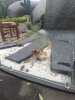
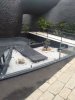
I've just visited Jagat Satwa Nusantara last week (04/02/2025), here's some notable updates in each of the parks (No pictures taken).
Bird Park


Dunia Air Tawar and Serangga
Bird Park
- In the Partridge Plaza, some birds has been added though unsigned, including an greater green leafbird and some small lorikeets (Photos will be added later).
- A pair of Javan coucal has been added in the Greater Sunda Islands aviary, houses in the aviary with the Javan peafowl. The large-billed crows that used to be there are moved to the aviary housing the red junglefowl.
- Some birds in the Greater Sunds Islands that are previously housed in individual aviaries has been moved outside, this include an male wreathed hornbill, green junglefowl, Nias hill myna, and the Sumatran laughingthrush.
- The park's wompoo's fruit doves are back on-display, though the single pitohui appears to be absent.
- A peak into the park's off-display holdings shown that they appears to have the actual black eagle (Ictinaetus malaiensis), not the dark-phased changeable hawk-eagle.
- The Raptor Plaza, located at the edge of the park or near the exit, appears to be empty and no longer in use. While this is sad for some folks and me personally to not have the chance to see and photograph rarities like the Bonelli's eagle and Sulawesi masked owl, but considering the way this "Raptor Plaza" works (tethered birds with lack of movements), its better to know that this area won't be in use in its current form hopefully.
- An very large and an small Chinese stripe-necked turtle, unsigned, are seen in the pond housing spiny turtle and wallacean box turtle.
- Around three five new outdoor exhibits appears to be almost finished, current inhabitants are green iguana and an ctenosaura similis.
- An new outdoor exhibit has been build, housing an emerald tree boa and newly-displayed pair of diamondback terrapin.
- In a very interesting observation, Jagat Satwa Nusantara appears to be (and most likely to be) the first and currently only Indonesian facility to update the taxa of their king cobra, which most likely are locally caught.
- The paludarium originally housing axolotl, later an gonocephalus grandis, and later the hypsilurus magnus, is now empty. The hypsilurus magnus was seen in the Papua Biodome.
- An newly build paludarium was showcased in the indoor area to house a single lanthonotus borneensis, a major species that only returned on-display just now. Prior to the revitalization, they used to have multiple individual in a single exhibit, it can be assumed that they have more off-display.
- It appears that the rhacophorus reinwardtii are now off-display or phased out, as the vivarium was taken over by the feihyla vittiger (Which I sadly never able to found and photograph).
- An Timor python, an major species returned on-display, has been housed in an terrarium that are previously a mix for an New Guinea carpet python and an amethystine python, the former has been moved to the previously emerald tree boa vivarium.
- The gecko terrarium still assign gekko vittatus and crytodactylus irianjayanensis, though only an gehyra vorax are able to be found.
- The terrarium previously housing an ctenosaura similis has now houses an central bearded dragon.
- Signage for the Papua Biodome confirms that there is atleast an frilled lizard (Chlamydosaurus kingii) in there.
Dunia Air Tawar and Serangga
- The caiman at Dunia Air Tawar is confirmed to be the smooth-fronted caiman, an transfer from Museum Komodo (Where it was previously housed prior to the revitalization).
- Multiple species (Notably the sturgeon and the fluvitrygon signifer) are taken off-display as part of the final revitalization progress that include refurbishing and adding multiple smaller tanks in the area.
Attachments
Rizz Carlton
Well-Known Member
In another news, the park out-of-nowhere shows that they have and displays the Javan binturong (Literally not as an new addition, just straight to showing and enrichment program). Where they are was not disclosed and they didn't show the full exhibit, which looks rather concerning with the brick Walls and cement floor.
Source
JAGAT SATWA NUSANTARA on Instagram: "Hi, Sobat Jagat! Seru banget nih melihat keseruan para perawat satwa yang sedang memberikan tantangan untuk si pemanjat ulung, Binturong! Tim perawat satwa (animal keeper) memberikan pemenuhan animal welfare melalui pengayaan kandang atau enrichment enclosure lewat kreatifitas buah-buahan segar yang diikat dengan tali. Enrichment ini bermanfaat untuk merangsang insting berburu dan memanjat binturong selama berada di enclosure Semoga dengan aktivitas enrichment ini, binturong kesayang kita tetap aktif dan terstimulasi secara mental dan fisik ya, Sobat Jagat
  Save Wildlife, Save The Future! #jagatsatwanusantara #tamanminiindonesiaindah #tmii #jagatsatwa #binturongindonesia #binturong #animalwelfare #5domainsofanimalwelfare #enrichment"
Source
JAGAT SATWA NUSANTARA on Instagram: "Hi, Sobat Jagat! Seru banget nih melihat keseruan para perawat satwa yang sedang memberikan tantangan untuk si pemanjat ulung, Binturong! Tim perawat satwa (animal keeper) memberikan pemenuhan animal welfare melalui pengayaan kandang atau enrichment enclosure lewat kreatifitas buah-buahan segar yang diikat dengan tali. Enrichment ini bermanfaat untuk merangsang insting berburu dan memanjat binturong selama berada di enclosure
Semoga dengan aktivitas enrichment ini, binturong kesayang kita tetap aktif dan terstimulasi secara mental dan fisik ya, Sobat Jagat Save Wildlife, Save The Future! #jagatsatwanusantara #tamanminiindonesiaindah #tmii #jagatsatwa #binturongindonesia #binturong #animalwelfare #5domainsofanimalwelfare #enrichment"
In another news, the park out-of-nowhere shows that they have and displays the Javan binturong (Literally not as an new addition, just straight to showing and enrichment program). Where they are was not disclosed and they didn't show the full exhibit, which looks rather concerning with the brick Walls and cement floor.
Source
JAGAT SATWA NUSANTARA on Instagram: "Hi, Sobat Jagat! Seru banget nih melihat keseruan para perawat satwa yang sedang memberikan tantangan untuk si pemanjat ulung, Binturong! Tim perawat satwa (animal keeper) memberikan pemenuhan animal welfare melalui pengayaan kandang atau enrichment enclosure lewat kreatifitas buah-buahan segar yang diikat dengan tali. Enrichment ini bermanfaat untuk merangsang insting berburu dan memanjat binturong selama berada di enclosure
Possible new zoo area in Taman Mini?
Rizz Carlton
Well-Known Member
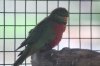
There are four lories in the Partridge Plaza, which appears to be the orange-billed lorikeet (Neopsittacus pullicauda), likely the only known public holder in the world.some small lorikeets (Photos will be added later)

Attachments
Rizz Carlton
Well-Known Member
After a year of neglect and lack of meaningful progress, the Dunia Serangga or the insectarium of Taman Mini Indonesia Indah has been revitalized. The park now hosted more butterflies than they used to have a year ago, including the papilio memnon as well as other swallowtail butterfly species in an cleaned, planted, and recovered walkthrough aviary.
The main insect museum display has also been modernized, looking cleaner and brighter than it once was. Additionaly, an stick insect interactions booth is also present, with the park's eurycnema versirubra.
Though no other invertebrates has been shown yet, the Jagat Satwa Nusantara website has labelled additional species on their website, potentialy appearing in the near future.
Source
The main insect museum display has also been modernized, looking cleaner and brighter than it once was. Additionaly, an stick insect interactions booth is also present, with the park's eurycnema versirubra.
Though no other invertebrates has been shown yet, the Jagat Satwa Nusantara website has labelled additional species on their website, potentialy appearing in the near future.
- Birgus latro
- Coenobita sp.
- Pandinus imperator
- Brachypelma sp.
- Unspecified jumping spider
- Scolopendra subspinipes
- Archispirostreptus gigas
- Phyllium pulchrifolium
- Chalcosoma caucasus
- Cybister chinensis
- Lethocerus indicus
- Hierodula sp.
Source
- JAGAT SATWA NUSANTARA on Instagram: "Hi, Sobat Jagat. Taman Kupu-Kupu Dunia Serangga kini hadir dengan wajah baru setelah revitalisasi! Nikmati keindahan kupu-kupu yang terbang bebas di taman yang lebih segar dan indah, serta jelajahi beragam jenis serangga Indonesia melalui koleksi taxidermy yang menggugah rasa ingin tahu kita, Sobat Jagat Pengalaman edukasi yang menyenangkan ini akan mengajakmu lebih dekat dengan dunia serangga yang penuh warna dan peran penting mereka dalam ekosistem kita #jagatsatwanusantara #tamankupukupu #duniaserangga #tmii #tamanminiindonesiaindah #liburlebaran"
- Taman Mini Indonesia Indah on Instagram: "Ajak bestie atau keluargamu untuk temukan wajah baru di Museum Serangga! Berkeliling di antara bunga-bunga cantik dan temukan pesona Taman Kupu-Kupu yang menawan! Tunggu apalagi? Yuk, pesan tiketmu sekarang melalui website tiket.tamanmini.com! #TMII #TMIISeruGaAdaHabisnya #JelajahSeruLebaran #Menuju50thTMII #BersamaBankMandiri #WhatsonTMII"
- Arachnida Archives - Jagat Satwa Nusantara
- Serangga Archives - Jagat Satwa Nusantara
Full walkthrough of the recently revitalized Dunia Air Tawar
Some notable animals/exhibits in the video:
Some notable animals/exhibits in the video:
- The Arapaima exhibit is now open, formerly the mixed river fish exhibit. A some of the open parts is fenced by glass panels to prevent people from dipping their hands into the paludarium, though it's kinda annoying and ruins the view. Not to mention the glare issue on the acrylic tank walls still persist. For now it houses Arapaimas, gars and pacus.
- The electric eel has returned.
- Dunia Air Tawar has acquired some interesting fishes, including Australian lungfish, freshwater whiprays, Mekong giant catfish and some acipenseriforms (American paddlefish, Sterlet and Russian sturgeon).
- Many of the smaller tanks has been rescaped with plants and rocks.
- The moat in the plaza after the Dunkleosteus statue and the prehistoric fish tanks (arowana and lungfish) houses both the caiman and the Alligator snapping turtle, though separated.
- Still nothing about the former archerfish tank and the gourami tanks. The former touch pool has been converted into a mini wetland display, unknown if there are fishes in it or not.
Mossman Joe
Well-Known Member
A few smaller exhibits in DAT are done or currently construction, notably a tank for the Lake Matano native Cardinal Shrimp (Caridina dennerli) and a tank for a native Priapium Fish (Phenacostethus sikat)
This information comea courtesy of the shrimp farmer, Imam Santoso who both supplied the shrimp and is among the ones who scaped the tank
Log in to Facebook
This information comea courtesy of the shrimp farmer, Imam Santoso who both supplied the shrimp and is among the ones who scaped the tank
Log in to Facebook
Rizz Carlton
Well-Known Member
They were already there since last year I believe.Mekong giant catfish and some acipenseriforms (American paddlefish, Sterlet and Russian sturgeon).
Specifically fluvitrygon signifer ! They were previously at the circular tank that house the potamotrygon ray, in front of the former touch pool.freshwater whiprays
Like I said, the gourami room has been mentioned during the revitalization as being planned to house aquatic amphibians, like axolotl. Though there haven't been any update of it.Still nothing about the former archerfish tank and the gourami tanks. The former touch pool has been converted into a mini wetland display, unknown if there are fishes in it or not.
The archerfish are definitely going to be added soon or atleast are present off-display, they're still signed in the Jagat Satwa Nusantara website. I forgot the exact number, but I think they labelled multiple species of archerfish.