What is this? A sudden Chlidonias Goes To Asia thread just appearing out of nowhere?
I’m currently undertaking a Bustralia trip but have dropped East Timor in the middle of it because there are daily flights there from Darwin, so it seemed silly not to utilise the opportunity. However it also seemed a bit silly to put a whole section about East Timor in the middle of an Australian thread, so here we are. You can never have too many CGTA threads, after all.
The Bustralia thread is here: Chlidonias presents: Bustralia
Darwin to East Timor
There is no direct airport bus from the centre of Darwin. Instead you catch a bus to the Casuarina Interchange, and then catch the #3 which stops close to the airport (about five minutes walk). All the buses in Darwin are free at the moment, but the problem with the #3 is that it only runs every few hours. My flight to Dili was at 1.25pm but the only #3 buses in the morning were at 8.02am and 12.30pm. I wasn’t going to pay for a taxi when there is a free bus, obviously, so I caught the earlier bus which got me to the airport at about 8.20am and then waited for five hours. There is free Wifi at the airport though.
When I return to Darwin my flight lands at 5.25pm which is too late for the #3 bus. It is still running but the section of the route which passes the airport isn’t covered on the later runs, so I’m going to have to either walk a lot further to get to a bus stop (about 2km) or get a taxi. I’ll be in a different hotel, though, which is only five minutes away by car in Nightcliff (or over an hour by bus!) rather than in the main part of town so I’ll probably just use a taxi.
The flight from Darwin to Dili (the capital of East Timor) is only about 1.5 hours, and the airport is right beside the town. It isn’t actually that far from there to the Casa Minha Backpackers where I was booked, it’s maybe 3km or so, totally walkable but it was really hot and my pack was heavy. The taxi drivers wanted US$15 for the ride – I knew it should be “only” US$10 – so I started walking out to the main road where the microlets are. Microlets are the equivalent of public buses here, but instead of buses they are tiny vans crammed full of people, and they cost 25 cents. Ten dollars versus twenty-five cents.
Entry into the country is easy enough (at least for me, and probably most other Westerners) with a US$30 visa-on-arrival. You have to fill out an online declaration beforehand which supplies you with a QR code which you need at immigration.
When you get off the plane you queue at a window where the guard takes your passport and the US$30 (cash only), then you move to the next window where that guard gives you a receipt form, and then to the next window where the visa is stuck into your passport and gets handed back to you. Then you move to the next set of immigration booths where they stamp the visa and ask the usual questions. Then you can collect your luggage. But you’re still not done! Once you have your bags you go to the X-ray machine, but you need to join another queue first because this is where that QR code is required.
It’s fortunate that there were only twenty people on the plane!
East Timor - or to use its official name, Timor-Leste - is one half of the island of Timor, the western half of which still belongs to Indonesia. When Timor-Leste gained its independence they needed their own currency and decided it was easier to just adopt the US Dollar instead of creating their own. Almost everything is therefore much more expensive than in neighbouring West Timor.
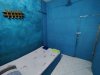
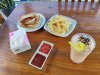
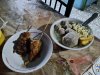
If you look on booking. com for hotels in Dili many of them are hundreds of dollars per night. The Casa Minha is much cheaper than that. My single room was US$14. It is very basic, but cheap is good. I went out on the street in the afternoon after arrival and bought fried chicken for 75 cents. So long as food remains cheap then things should be fine.
I was planning to spend a lot of my time on Atauro Island where the homestays are supposed to be US$25 per night including meals (whereas the better-known Barry’s Place is US$60 and others are up to US$100). However all the information regarding the ferry schedules online is contradictory, and the organisation which deals with the homestays never replied to my emails, so nothing was booked in advance other than the first three nights at Casa Minha. Coincidentally I would be checking out of the Casa Minha on the Saturday, and the owner tells me that the Atauro ferry runs on Saturdays and Tuesdays. I’ll see how the accommodation situation resolves itself when I get there.
This is my first time in East Timor. I was in West Timor in 2009 and 2011, so I have actually seen most of the endemics of the island already. There are a handful I still need to find, some of which I thought should be definites and some of which I expected I would still not see (as it turned out, it was mostly the latter).
The ones which I didn’t see in West Timor were the Timor Green Pigeon (largely wiped out by hunting on the West side, even back in 2009, but apparently still common in the East), the Timor Black Pigeon, the Timor Oriole, and the skulky Buff-banded Thicket-Warbler and Spot-breasted Darkeye. There are some “new” species as well, which have been split since I visited, like the Timor Flowerpecker, Cuckoo-Dove and Boobook, and the Marigold Lorikeet; and there’s also the Timor Nightjar, described only in 2024.
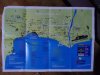
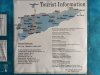
Not all my “missing” birds are found on Atauro Island but some of them are, including the Green Pigeon, and because East Timor is so little-visited and so difficult to get around in by bus there are very few trip reports and few known bird sites on the “mainland”. I was therefore going to visit a couple of locations in Dili, then spend a week or so on Atauro where it sounded like I could just go out walking directly up into forest from the port village Beloi, and then I’d see where I was with which birds were still “needed” afterwards. There are even some birds on Atauro which aren’t found on the mainland, namely the Wetar Oriole and the Island Monarch.
The only birds seen on my first afternoon in East Timor were Tree Sparrows at the airport, and Drab Swiftlets over the streets when I was getting food. Not the most invigorating start!
I’m currently undertaking a Bustralia trip but have dropped East Timor in the middle of it because there are daily flights there from Darwin, so it seemed silly not to utilise the opportunity. However it also seemed a bit silly to put a whole section about East Timor in the middle of an Australian thread, so here we are. You can never have too many CGTA threads, after all.
The Bustralia thread is here: Chlidonias presents: Bustralia
Darwin to East Timor
There is no direct airport bus from the centre of Darwin. Instead you catch a bus to the Casuarina Interchange, and then catch the #3 which stops close to the airport (about five minutes walk). All the buses in Darwin are free at the moment, but the problem with the #3 is that it only runs every few hours. My flight to Dili was at 1.25pm but the only #3 buses in the morning were at 8.02am and 12.30pm. I wasn’t going to pay for a taxi when there is a free bus, obviously, so I caught the earlier bus which got me to the airport at about 8.20am and then waited for five hours. There is free Wifi at the airport though.
When I return to Darwin my flight lands at 5.25pm which is too late for the #3 bus. It is still running but the section of the route which passes the airport isn’t covered on the later runs, so I’m going to have to either walk a lot further to get to a bus stop (about 2km) or get a taxi. I’ll be in a different hotel, though, which is only five minutes away by car in Nightcliff (or over an hour by bus!) rather than in the main part of town so I’ll probably just use a taxi.
The flight from Darwin to Dili (the capital of East Timor) is only about 1.5 hours, and the airport is right beside the town. It isn’t actually that far from there to the Casa Minha Backpackers where I was booked, it’s maybe 3km or so, totally walkable but it was really hot and my pack was heavy. The taxi drivers wanted US$15 for the ride – I knew it should be “only” US$10 – so I started walking out to the main road where the microlets are. Microlets are the equivalent of public buses here, but instead of buses they are tiny vans crammed full of people, and they cost 25 cents. Ten dollars versus twenty-five cents.
Entry into the country is easy enough (at least for me, and probably most other Westerners) with a US$30 visa-on-arrival. You have to fill out an online declaration beforehand which supplies you with a QR code which you need at immigration.
When you get off the plane you queue at a window where the guard takes your passport and the US$30 (cash only), then you move to the next window where that guard gives you a receipt form, and then to the next window where the visa is stuck into your passport and gets handed back to you. Then you move to the next set of immigration booths where they stamp the visa and ask the usual questions. Then you can collect your luggage. But you’re still not done! Once you have your bags you go to the X-ray machine, but you need to join another queue first because this is where that QR code is required.
It’s fortunate that there were only twenty people on the plane!
East Timor - or to use its official name, Timor-Leste - is one half of the island of Timor, the western half of which still belongs to Indonesia. When Timor-Leste gained its independence they needed their own currency and decided it was easier to just adopt the US Dollar instead of creating their own. Almost everything is therefore much more expensive than in neighbouring West Timor.
If you look on booking. com for hotels in Dili many of them are hundreds of dollars per night. The Casa Minha is much cheaper than that. My single room was US$14. It is very basic, but cheap is good. I went out on the street in the afternoon after arrival and bought fried chicken for 75 cents. So long as food remains cheap then things should be fine.
I was planning to spend a lot of my time on Atauro Island where the homestays are supposed to be US$25 per night including meals (whereas the better-known Barry’s Place is US$60 and others are up to US$100). However all the information regarding the ferry schedules online is contradictory, and the organisation which deals with the homestays never replied to my emails, so nothing was booked in advance other than the first three nights at Casa Minha. Coincidentally I would be checking out of the Casa Minha on the Saturday, and the owner tells me that the Atauro ferry runs on Saturdays and Tuesdays. I’ll see how the accommodation situation resolves itself when I get there.
This is my first time in East Timor. I was in West Timor in 2009 and 2011, so I have actually seen most of the endemics of the island already. There are a handful I still need to find, some of which I thought should be definites and some of which I expected I would still not see (as it turned out, it was mostly the latter).
The ones which I didn’t see in West Timor were the Timor Green Pigeon (largely wiped out by hunting on the West side, even back in 2009, but apparently still common in the East), the Timor Black Pigeon, the Timor Oriole, and the skulky Buff-banded Thicket-Warbler and Spot-breasted Darkeye. There are some “new” species as well, which have been split since I visited, like the Timor Flowerpecker, Cuckoo-Dove and Boobook, and the Marigold Lorikeet; and there’s also the Timor Nightjar, described only in 2024.
Not all my “missing” birds are found on Atauro Island but some of them are, including the Green Pigeon, and because East Timor is so little-visited and so difficult to get around in by bus there are very few trip reports and few known bird sites on the “mainland”. I was therefore going to visit a couple of locations in Dili, then spend a week or so on Atauro where it sounded like I could just go out walking directly up into forest from the port village Beloi, and then I’d see where I was with which birds were still “needed” afterwards. There are even some birds on Atauro which aren’t found on the mainland, namely the Wetar Oriole and the Island Monarch.
The only birds seen on my first afternoon in East Timor were Tree Sparrows at the airport, and Drab Swiftlets over the streets when I was getting food. Not the most invigorating start!