Kakapo
Well-Known Member
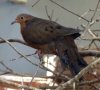
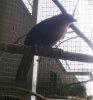
SOCORRO DOVE - Zenaida graysoni


Photos taken at: Burgers zoo, Netherlands and Artis Royal Zoo, Netherlands
Short taxonomy: Aves > Columbiformes > Columbidae
Native range: Socorro Island, Revillagigedo islands, Mexico
Ex-situ frequence: Common
Danger factors: Mainly predation by introduced feral cats
Other comments: London Zoo was the first to breed the species after its extinction in nature, in 2006. The species is as easy to breed as other related species and soon the stock increased and many holders have them. The species has still not been released into the wild as the cats, as well as the domestic mice, are not still erradicated from the island.
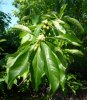
FRANKLIN TREE - Franklinia alatamaha

Photo taken at: Arnold Arboretum, Massachusetts, USA
Short taxonomy: Magnoliopsida > Ericales > Theaceae
Native range: Alatamaha river valley, Georgia, USA
Ex-situ frequence: Rare
Danger factors: The extinction in nature is attributed to the dispersal of a fungal disease spreaded by cotton crops
Other comments: The only species of its genus, this tree is very showy and have fragrant big flowers, what leaded to be cultivated widely outside native range. Thanks to this, the species was saved. Probably if the tree was not showy, it would be completely extinct now. All specimens are descendants from the ones cultivated by the discoverers of the species in their botanical garden in Philadelphia. The species is not easy to cultivate as it have specific requeriment of soil and humidity, so it's not commonly seen in gardens.
With these two, I completed the Extinct in the Wild category. Next comes the Critically Endangered species.
Photos taken at: Burgers zoo, Netherlands and Artis Royal Zoo, Netherlands
Short taxonomy: Aves > Columbiformes > Columbidae
Native range: Socorro Island, Revillagigedo islands, Mexico
Ex-situ frequence: Common
Danger factors: Mainly predation by introduced feral cats
Other comments: London Zoo was the first to breed the species after its extinction in nature, in 2006. The species is as easy to breed as other related species and soon the stock increased and many holders have them. The species has still not been released into the wild as the cats, as well as the domestic mice, are not still erradicated from the island.
FRANKLIN TREE - Franklinia alatamaha
Photo taken at: Arnold Arboretum, Massachusetts, USA
Short taxonomy: Magnoliopsida > Ericales > Theaceae
Native range: Alatamaha river valley, Georgia, USA
Ex-situ frequence: Rare
Danger factors: The extinction in nature is attributed to the dispersal of a fungal disease spreaded by cotton crops
Other comments: The only species of its genus, this tree is very showy and have fragrant big flowers, what leaded to be cultivated widely outside native range. Thanks to this, the species was saved. Probably if the tree was not showy, it would be completely extinct now. All specimens are descendants from the ones cultivated by the discoverers of the species in their botanical garden in Philadelphia. The species is not easy to cultivate as it have specific requeriment of soil and humidity, so it's not commonly seen in gardens.
With these two, I completed the Extinct in the Wild category. Next comes the Critically Endangered species.






















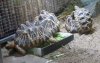
 ) but the reintroduction programs must be strictly vigilated because risk of poaching: In 2007 the species was reintroduced to Minsontaung Wildlife Sanctuary but all individuals was poached or disappeared within six months.