I will not lose my time in feeding trolls and replying in detailed way to them, but in case any one wonders, obviously I was
aware of the taxonomic position and opinions about the New Guinea-Philippine crocodile pair - I even comment about it in the factsheet of this thread. I'm
knowledgeable about animals, unlike those that keep extremely absolutely absurd taxonomy against the science and use that for ridiculize and aggraviate constantly those members who use the brain and the common sense in every occasion they can.
Hoping that there is no more derailing the thread only for harassing wantonly the members that keep a scientific and accurate way of thinking, I will continue with the factsheets:
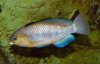
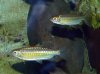
AFRICAN RED-EYED TETRA -
Arnoldichthys spilopterus

Photo taken at: Saragossa fluvial aquarium, Spain
Short taxonomy: Osteichthyes > Characiformes > Alestidae
Native range: Nigeria
Ex-situ frequence: Common
Danger factors: Deforestation, contamination and urban development
Other comments: Petrol extraction is damaging and contaminating the waters where they live, the low courses of the Niger and Ogun rivers. Continuous disminution in population make it pass from Vulnerable (assessed in 2010) to Endangered (in 2020). Many of the livestock kept in the aquarium trade comes from wild collections.
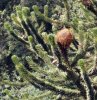
MONKEY PUZZLE -
Araucaria araucana


Photos taken at: Royal Botanical Kew Gardens, London, UK, Berlin botanical garden, Germany, and Faunia Madrid, Spain
Short taxonomy: Pinicae > Pinales > Araucariaceae
Native range: Andes of Chile and Argentina
Ex-situ frequence: Very common
Danger factors: Forest fires, logging and overgrazing.
Other comments: This extremely iconic species is strictly protected, declared as natural monument, and gave the name of one of the geographical districts of Patagonia. The species was already venerated by the native tribe Mapuche, especially the Pehuenche, that took their name from the tree. It appears as a symbol of 6 different heraldic shields of Chile and Argentina. The population is reduced to a narrow area and is severely fragmented. In Argentina the 60% of the native
Araucaria forests has been eliminated, and in Chile large areas of several national parks has been destroyed by fires in the last 25 years. Several private initiatives are helping to protec the local forests of this species.