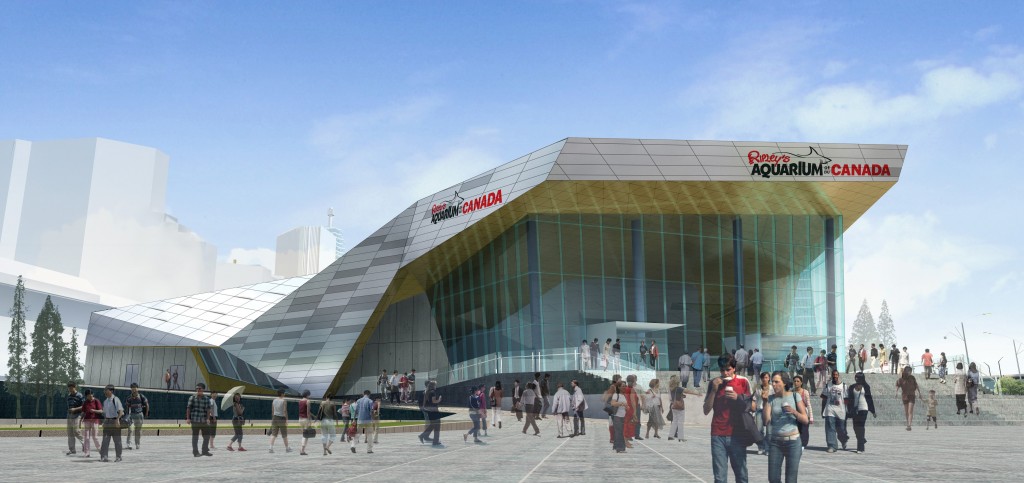
Our journey into the Coastline Aquarium begins on the second level, where a total of six aquatic spaces can be viewed. The first of these spaces comes a short walk from the doors, on the left-hand side. The area itself is a 450 sq. meter cylindrical space, with 1m of underwater viewing available from this perspective. Of the 450 sq. meters, roughly 100 sq. meters is terrestrial space, with the rest being water which spans an additional 6m down to a floor-to-ceiling underwater viewing window on the lower level (more on that later). With the sheer lack of land area, visitors might think the space is unsuited to anything which warrants an above-water view. This, however, proves not to be the case, with our group of
Southern Sea Otter Enhydra lutris nereis (2.6), made up of 5 adult females and three juveniles, darting to the bottom of the pool for the pre-stocked shellfish. Our breeding male (1.0) is kept off-display to reduce potential for aggression toward both the pups and the females.
Possible Upper View of Sea Otter Habitat
Image Credit ->
@BlobfishBoy
Southern Sea Otter
Image Credit ->
@Northwest_FIsh_Keeping
Directly across from the sea otters, visitors come across a 5m-long, 1m-tall, and 0.5m-wide tank for a species which has a reputation for being a serial escapist, and one of the more intelligent animals under the waves. This, of course, refers to a currently unsexed
Giant Pacific Octopus Enteroctopus dofleini (0.0.1), a species which the facility constantly supervises, whether with a physical keeper or with surveillance cameras positioned around the tank. The lengthy design, paired with a rocky and all-around diverse environment, intends to keep the cephalopod enriched enough that it does not attempt any daring escapes.
A short walk from the crafty cephalopod provides a view into the second tank which extends across both levels. Unlike the previously-seen otters, this tank is totally underwater, with a grand total of 9m of standing height (3m viewable from the upper level, and another 6m down to the floor of the lower level). With the 8m diameter of the tank (4m radius), the volume totals around 119,500 gallons. With a combination of false and live kelp in this tank, aided by a current being supplied mechanically, visitors can view our groups of
North Pacific Spiny Dogfish Squalus suckleyi (1.11) and
Leopard Shark Triakis semifasciata (4.4) navigating a kelp forest that, while not as impressive as those found in other aquariums, provides an educational and immersive experience for visitors.
Potential Look of Octopus Tank (and Giant Pacific Octopus itself)
Image Credit ->
@SwampDonkey
Possible Upper View of Kelp Forest Tank and Leopard Shark
Image Credit ->
@snowleopard
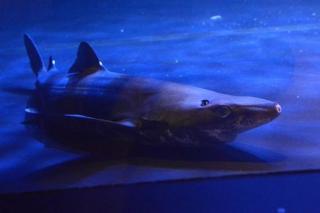
North Pacific Spiny Dogfish
Image Source -> ZooTierListe
Before heading down to the ground level, visitors can find a trio of tanks alongside the staircase which will lead down to the lower floor. These three smaller tanks (two roughly 500 gallons and rectangular, the other rectangular but 1,585 gallons) host species which are more suited to life amid the rocks at the bottom of the Atlantic ocean. The two smaller tanks, dominated by rock formations suited to concealing these animals, respectively host a lone
American Lobster Homarus americanus (0.0.1) and a small school of
Atlantic Wolffish Anarhichas lupus (0.0.4). While similar in design, a more colorful cluster of corals and rocks creates a more appealing/interesting environment for a lone
Green Moray Eel Gymnothorax funebris (1.0). Passing by these tanks, visitors walk a blue-lit staircase which, while not featuring any live species, does provide a decorative school of menhaden, a silvery forage fish found in the Atlantic Ocean and often found as prey for other larger fish species and seabirds. Signage on the wall at a landing halfway down the stairs provides further educational information regarding the importance of fish like these in maintaining balance in marine ecosystems.
Possible Look of Lobster/Wolffish Tanks
American Lobster
Image Credit ->
@NNM.
Atlantic Wolffish
Image Credit ->
@twilighter
Possible Look of Moray Tank
Image Credit ->
@Moebelle
Green Moray Eel
Image Credit ->
@dsimmons917
After venturing down the stairs, visitors first come to the lower view of the sea otter habitat, with a better look at the rocky, shellfish-littered pool floor which provides a semi-natural enrichment option for the otters. Also viewable a short ways past, heading the same direction from the otters as you did upstairs, is the lower level look of the kelp forest. Before you reach the mixed shark tank, however, you come across a tank of roughly half the volume (approximately 53,000 gallons and 5m deep), with less high-growing kelp, instead opting for low-growing seagrass and rocky formations along the sandy tank bottom. This design allows keepers to deposit shellfish, crabs, and small fish to pair with the seagrass as the total diet of our inhabiting
Bonnethead Shark Sphyrna tiburo (3.7).
The final two tanks in the area flank the visitor path following the lower view of the kelp forest. To the left, a tank which volume-wise (~114,200 gallons) dwarfs both tanks, while being shallower than the bonnethead tank (4m to the bonnetheads' 5m), the tank is also longer, at 16.25m, and wider, at 8.5m, than both tanks. In this tank, visitors can find a school of
Atlantic Salmon Salmo salar (0.0.90) alongside a pair of
Atlantic Sturgeon Acipenser oxyrinchus oxyrinchus (1.1). Across from this is a slightly smaller tank (~50,850 gallons, ~11m long, ~6m wide, same 4m height), which provides a home to a school of
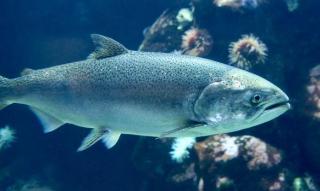
Chinook Salmon Oncorhynchus tshawytscha (0.0.95).
Possible Lower View of Sea Otter Habitat
Image Credit ->
@KevinB
Possible Lower View of Kelp Forest Tank
Image Credit ->
@Northwest_FIsh_Keeping
Possible Look of Bonnethead Tank
Image Credit ->
@Zooish
Bonnethead Shark
Image Credit ->
@Brayden Delashmutt
Possible Look into Salmon Tanks
Image Credit ->
@German Zoo World
Top: Atlantic Salmon
Bottom: Atlantic Sturgeon
Image Credit ->
@RatioTile
Chinook Salmon
Image Source -> ZooTierListe
And with that, visitors pass through an exit which, much like the entrance (in a detail I forgot to include), features copper-plated handles shaped to resemble the very Atlantic Sturgeons just seen prior to exiting the building. And in exiting the building, visitors return outside in front of... a suspiciously familiar rocky formation, with mesh covering one side. Coincidence? No, not at all. While the details are to be found in the next post, this area opens and closes in a very similar (near-identical, in fact) fashion in terms of species, and as such, it seems fitting that the means of containment remains the same. With that in mind, our tour halts once again, with this final display marking the end of the Atlantic and Pacific Coasts portion of the trail.
Until next time, stay tuned and enjoy!


 . Anyway, to the tour...


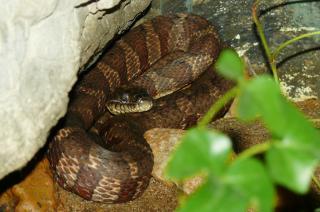
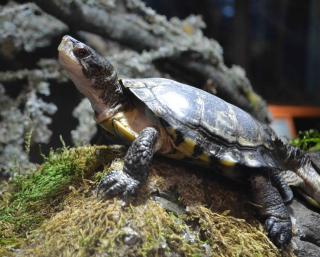
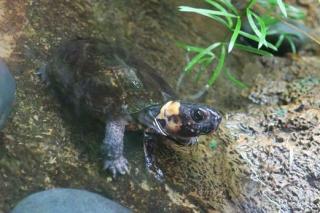
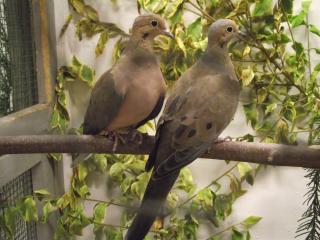

 ). Unlike previous posts, images of the enclosures will be omitted from this portion, seeing as the designs for the two habitats are identical to those seen before entering the Coastline Aquarium two posts before this one. Anyway, onward we forge.
