Some general thoughts on my zoo trip through Poland
Since I received a couple of questions about visiting zoos in Poland, I wrote some general thoughts about transportation and what to see. This while preparations for the 2025 trip are in full swing.
Transportation
I did the trip by car, as that is the most comfortable for me. Driving in Poland is easy and once the extensive road works will be over, the country will have an excellent road network. A vignette is not necessary, but certain sections of major motorways are subject to tolls: A4 in the south, A2 Germany - Warsaw and the A1 Gdansk - Lodz. I drove nearly 6000 km criss-cross through the country in 20 days while visiting 32 zoos, of which 26 in Poland and 6 in eastern Germany.
You can read about my route in this thread, and the daily schedule never felt too tight anywhere: I was never very pressed for time and was able to do a second tour in every zoo (except Opole, due to weather conditions). The only thing I hadn't taken into account was that it does get dark a bit earlier in the east than where I live.
Travelling by public transport is certainly doable, a member on the Belgian forum visited some of the larger zoos by train. However, very rural zoos are almost impossible to reach by public transport.
Difficult to reach by public transport:
Laczna Mieroszow, Lesne-Zacisze, Wojciechow, Canpol, Borysew Safari. All except for Borysew have free parking.
All other zoos have good public transport connections which means multiple bus and tram lines at main entrance, railway station (RW) at walking distance, and free or paid parking:
Lubin (RW 1.25 km ; free parking),
Wroclaw (paid parking),
Opole (difficult, bus 30 ; free and paid parking at 1.15 walking),
Gliwice (RW: 1 km ; no parking),
Chorzow (public transport at 700m : paid parking),
Sosnowiec (tram 21 or 26 ; RW 1.9 km ; free parking),
Krakow (bus 134 ; paid parking),
Zamocs (RW 100m ; free parking),
Warschau (RW 250m from north entrance ; paid parking),
Plock (RW 2 km ; free parking),
Torun (tram 3/5/7, bus at 700m RW at 2 km ; no parking),
Bydgoszczy (RW 2.6 km ; paid parking),
Gdynia (troleybus ; RW 2 km ; no parking), Exotic Kaszuba
Sierakowice (bus 14 at 600m ; free parking) ;
Charlotta (bus 310 at 800m ; free parking),
Gdansk (bus 169 or 622 ; tram at 2.1 km ; paid parking),
Lodz (tram 43 ; RW 1.6 km ; paid parking),
Poznan Stare (tram 0 or 2 ; RW 1.2 km),
Palmiarnia Poznan (RW at 1.2 km ; no parking),
Poznan Nowe (bus 100 or 184 ; tram 5 or 8 at 1.5 km ; paid parking),
Nowy Tomysl (bus lines at 700m ; RW at 2 km)
If there’s no own parking, you’ll find paid public parking lots nearby: Gdynia, Poznan Stare, Palmiarnia Poznan, Nowy Tomysl). At Gliwice and Torun this could be more difficult as you have to park in the streets.
What is there to see?
Invertebrates
Insect houses can be found in Opole and Warsaw (and both are excellent) and there is, of course, the - literal - maverick in Poznan Nowe.
Reptiles, amphibians and fish
I posted several species list in this thread and
@TeaLovingDave made a perfect list for Wroclaw:
On-show species within the Reptile House - 26/09/2024 [Zoo Wroclaw] - ZooChat
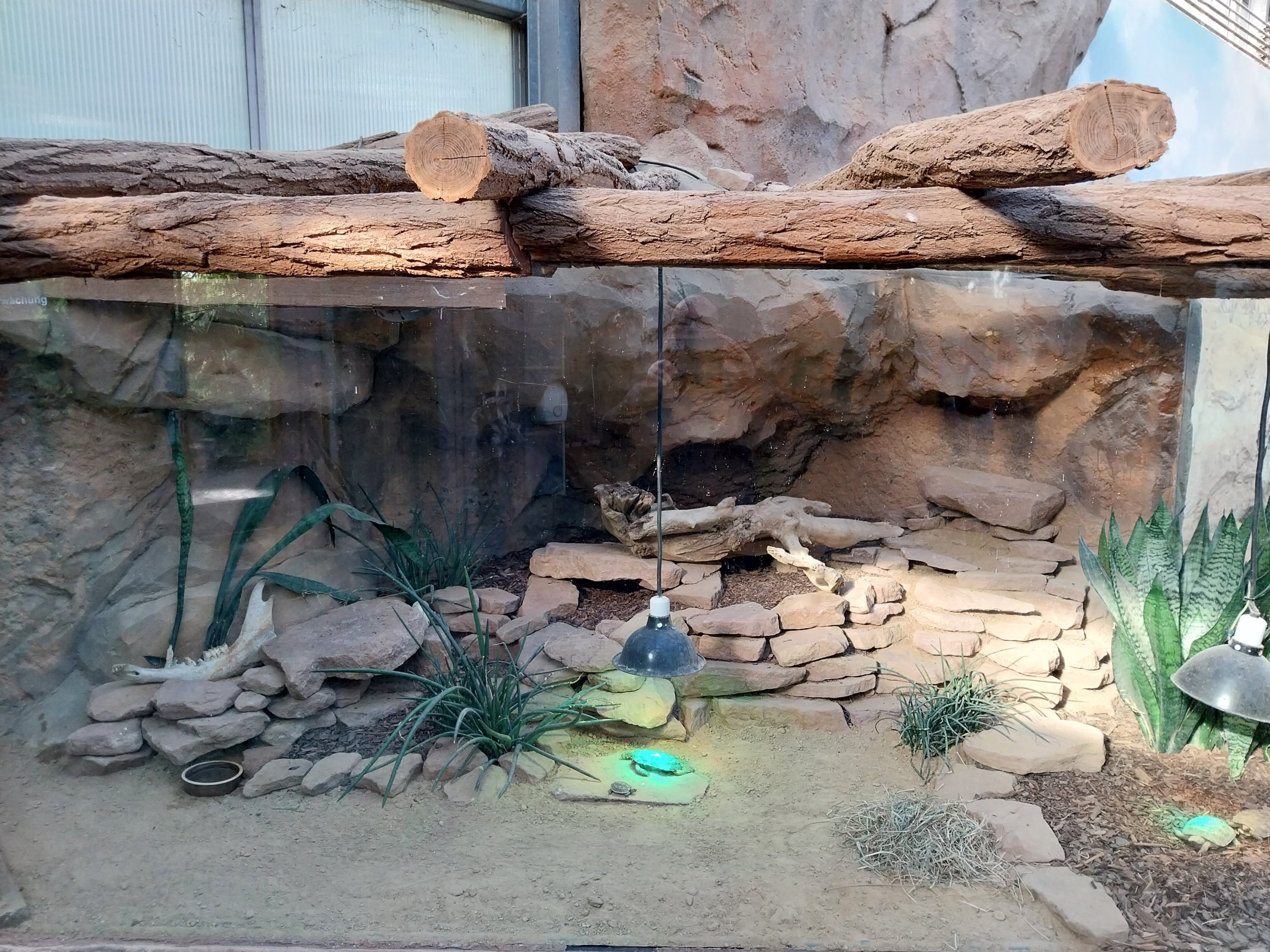
For reptiles and amphibians, the collections in Warsaw and especially Wroclaw are the pinnacle of what Poland has to offer: both buildings are literally packed with species. But almost all large and medium-sized zoos have herps, and in the case of Plock and Bydgoszcy that means the only accessible facility.
The Exotarium in Sosnowiec is the country’s best place for fish and reptiles: modern structures, stunning displays and an interesting botanical collection as well.
A traditional aquarium can be found in most larger zoos, although there are wide variations in dimensions and quality. From the new buildings in Opole, Warsaw, Gliwice, Plock and also Bydgoszscy, with only a few but excellently equipped tanks, to the rather corny but interesting collections in Chorzow and Wroclaw, and the neglected aquarium in Krakow.
And, of course, there are the ultramodern aquariums in Wroclaw's Afrykarium and in Lodz' Orientarium.
Birds
Tropical birds are rather rare in Poland, although Wroclaw and Warschau have sizeble collections.
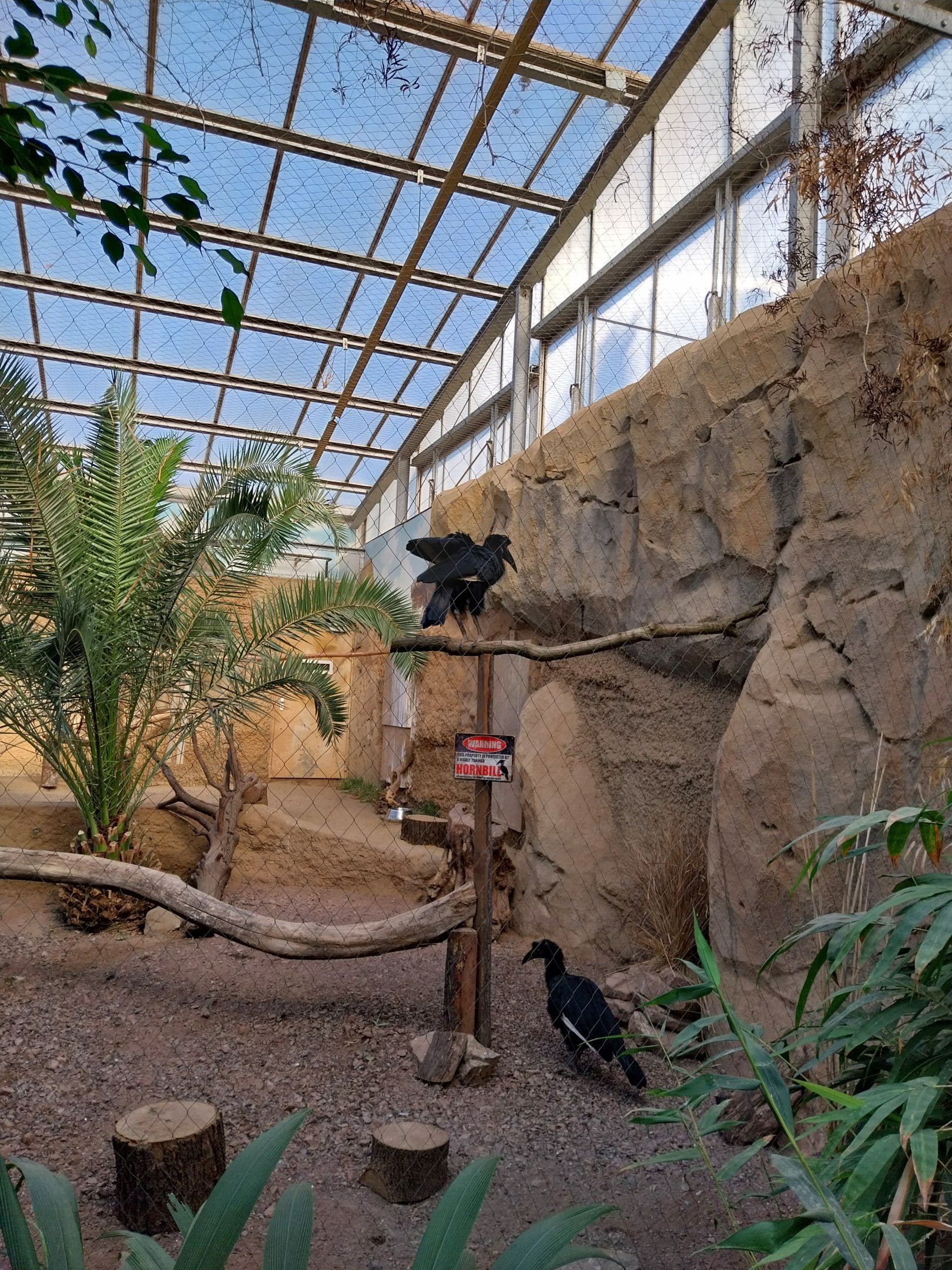
Some bird orders are very well represented: native birds of prey, owls, pheasants, waterfowl and ibis, although species selection is rather poor
There is the specialised and excellent collection of pheasants and allies at Lubin, where there was a remarkable amount of activity as darkness fell. Phasianidae can also be found in good numbers throughout the country, and I particulary liked the Capercaillie and Black grouse in Plock, the Cabot’s tragopan in Poznan and the Congo peafowl in Warschau and Wroclaw.
In Wroclaw, of course, there is the beautifully renovated Bird House with a range of rare species (Twelve-wired Bop), while in Krakow the aviarian complex, which was still under construction during my visit, has been open to the public, but I am not entirely sure if the stylish construction will be suitable for larger birds like macaws.
The bird house in Warsaw, on the other hand, managed to blow me away completely. The building itself is certainly old-fashioned and dusty, but the aviaries are beautifully decorated, the collection is superb - one of the best in Europe -, and the tropical dome is as mysterious a rainforest should be.
Mammals
Mammals are the key species around which collections have been built. Felids are abundant, canids a lot less, while hyena are completely absent. If you like carnivores, there is no better place in the country than Poznan Nowe’s ‘Small Carnivore Area’.
Hoofed stock is widespread, with Poznan again taken the lead: Bawean and Timor deer, Western sitatunga, Black sable antelope, Visayan spotted deer, Javan chevrotain, Common waterbuck, Gemsbock, 2 takin species, 2 rhino species, and many other, that’s quite an impressive list. Gdansk and Chorzow are runner-up, although the latter very recently lost one of its most enigmatic species, Greater kudu. I don’t know what happened there, as I have seen 3 specimen in september 2024.
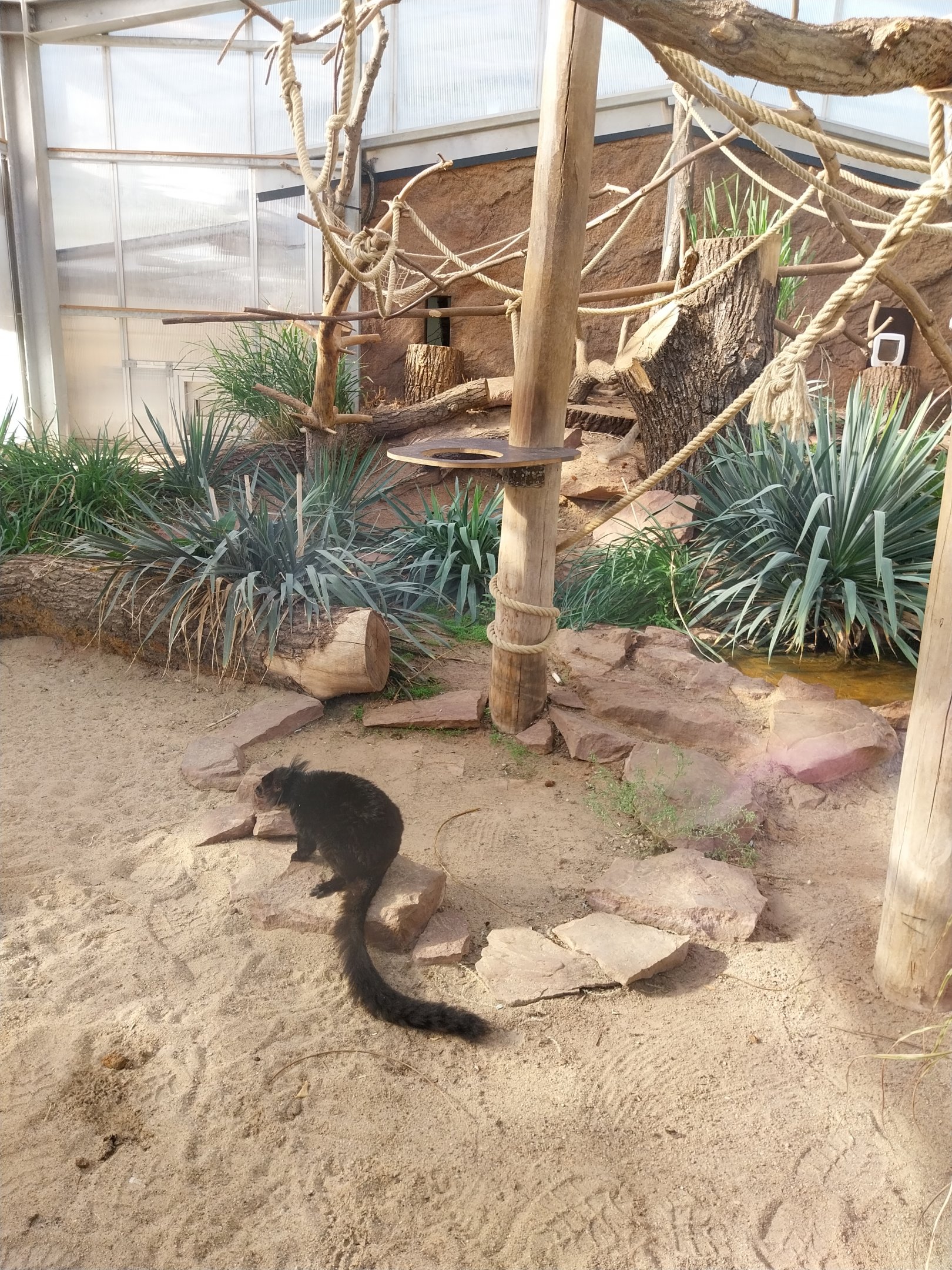
Nocturnal mammals are surprisingly well represented, with nocturnal houses in Lodz, Poznan Nowe, Krakow, Gdynia, and, with some goodwill, in Mieroslaw, and several nocturnal exhibits in Wroclaw, Plock, Gdansk and Opole.
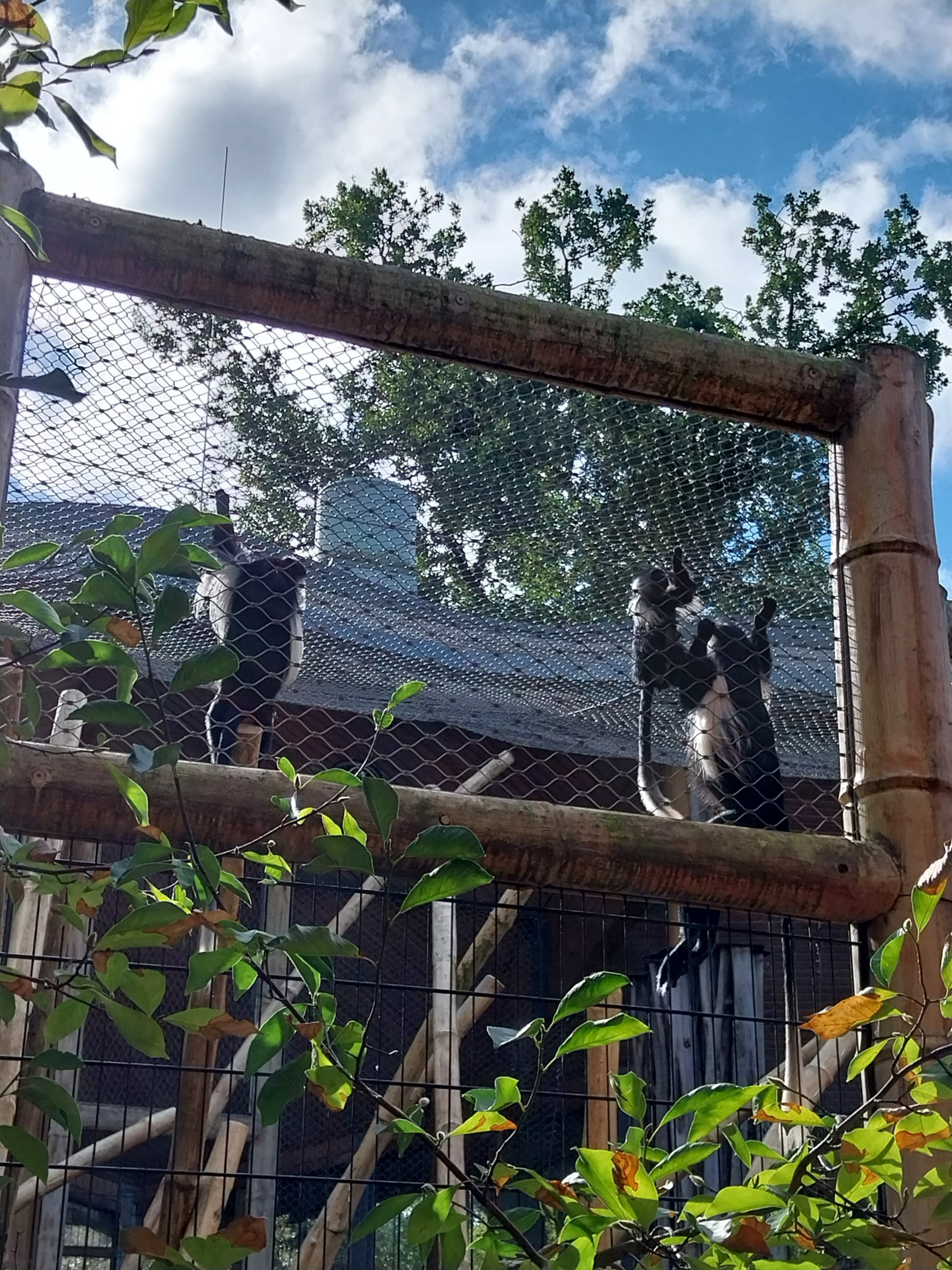
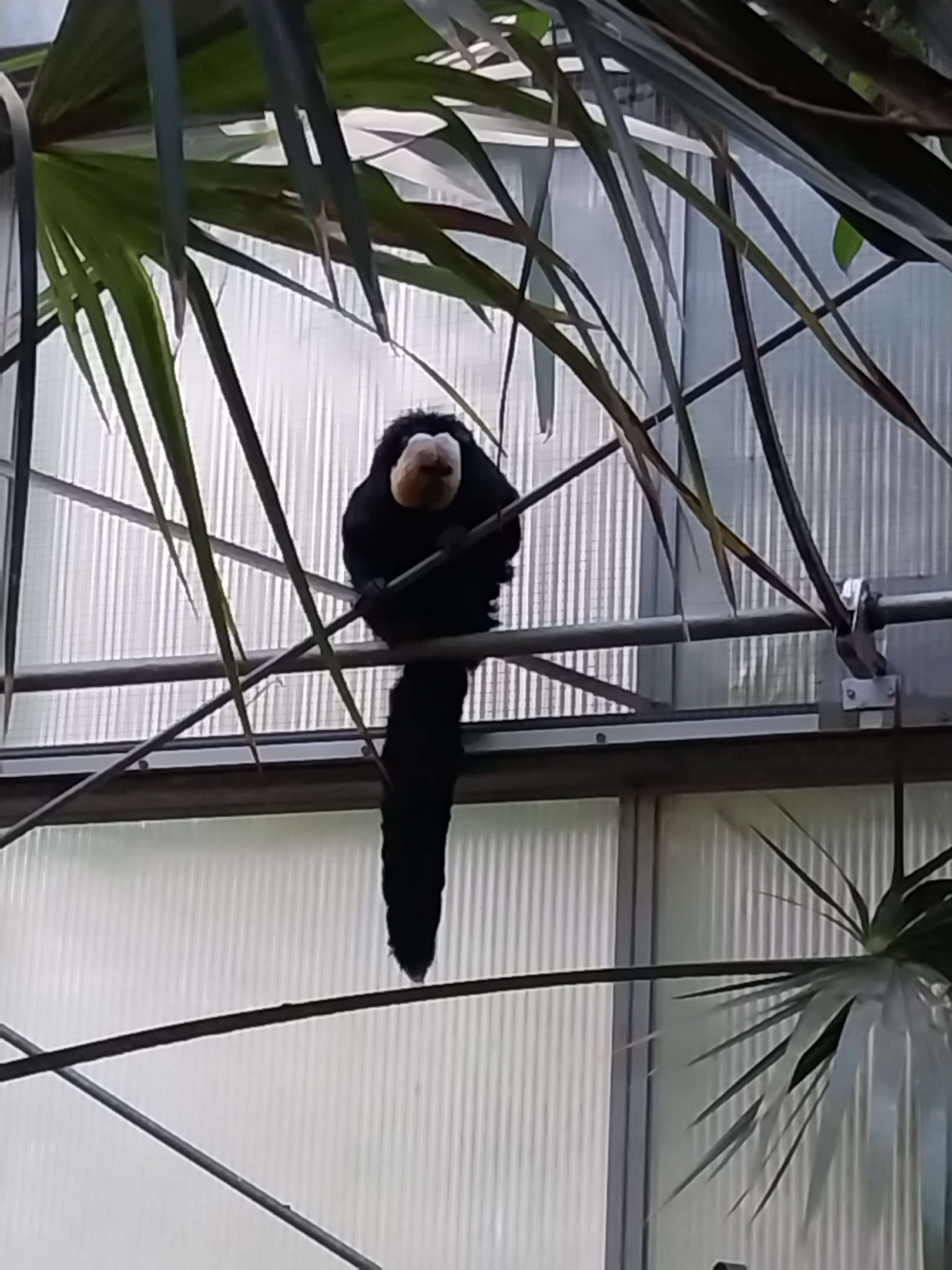
Apart from Wroclaw, primates are not that common, but Sykes monkeys in Borysew are a key target for every species hunter, be it in dreadful circumstances.
Architecture
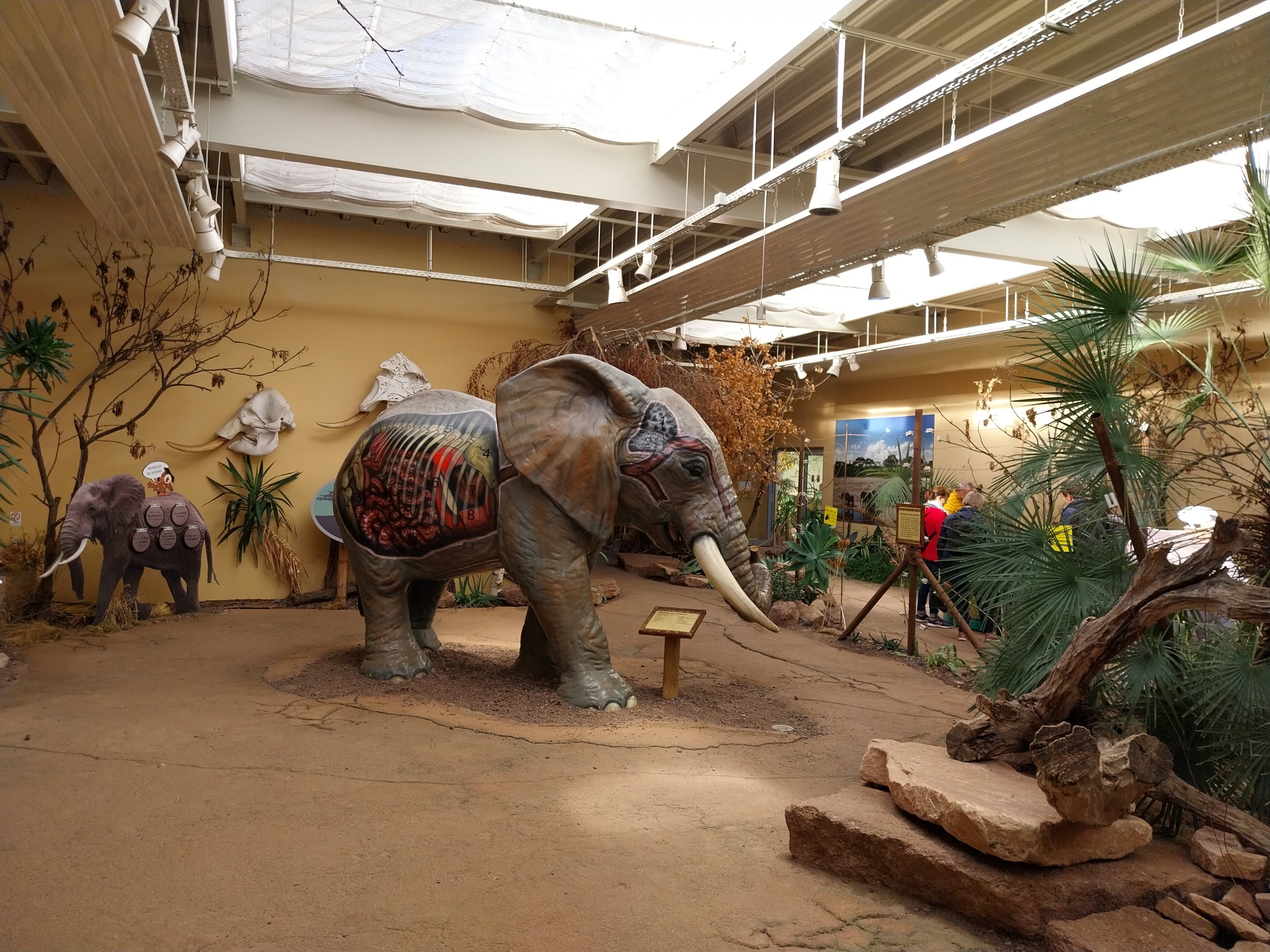
Buildings and other zoo structures have my particular interest. It doesn’t matter if it’s contempary, 19th century or anything in between. Gliwice's Palmiarnia is a beautifully restored 19th-century-looking Palm House with superb botanical collections. The cast-iron structures and greenhouses are worth a visit in themselves. While the Sosnowiec Exotarium couldn’t be more in contrast: it’s ultramodern greenhouses hide a superb collection of fish in the basement while the visitors' path suddenly turned into an explosion of light. Warschau’s Elephant House is quite elegant and beautifully restored, while the building in Chorzow could be, and in terms of architecture it is at least as interesting. I guess Poznan Nowe’s elephant house is Poland’s most notable zoo building but for some non-specific reason I was not overwhelmed. Other notable structures are Warschau’s modernist Zabinksi Villa, the Bird-of-prey aviaries in Chorzow and Wroclaw,
Wroclaw probably is Poland’s most interesting zoo in terms of architecture: apart from the very contemporary Afrykarium the zoo has also a good number of structures from the 19th century: the red brick Bear Fortress, the Reptile House, the Elephant House, Monkey House and Bird House all date from the late 1860-1890 era, and from the 20th century there is the Japan Gate, the Baboon rock and the modernist Brandenburg Gate replica entrance building.
What did I miss?
I went not to Bialystok and Kadzidlowo, 2 zoos in the far north-eastern part of Poland. The latter has a couple of rather rare mammals like the Siberian flying squirrel and the Northern white-breasted hedgehog, but both zoos would cost me another 2 days. And it’s exactly the same reason for not visiting the zoo in Ustron, south of Katowice, which would take me another day.
Apart from these, there are a number of so called Papugarnia and I read before that those are rather private commercial breeding centers mainly for the pet industry. So that’s a no go for me, and the same goes for the omnipresent mini zoos which keep mainly domestic breeds.
Food & Drinks
Expensive, as anywhere else. But the Laguna Café in Wroclaw’s Afrykarium serves excellent coffee in a real cup, and real tasty cake, so there is your place to prepare your visit.
I enjoyed the central avenue at Warschau Zoo, and in hot summer Lwi Apetyt is a perfect place for a coffee and an icecream while observing other visitors.
And if you feel a bit tired when in Lesne-Zacisze, order a razor-sharp Turkish coffee at the entrance.It kept me going on the long drive to Zamocs .
Conclusion
I will not rank Polish zoos, this thread is hopefully informative enough to give everyone a comprehensive view of this rather unknown zoo country.
Obviously Wroclaw and Lodz are ahead, and I certainly recommend Gdansk, Poznan Nowe, Opole and Warschau. If you like pheasants and co, don’t forget Lubin. Keep an eye on the developments in Krakow: while the new structures might not meet our perceptions in terms of space given to the animals, they are well-thought, stylisch and cohesive. For herps, there is the overstocked almost market-liked reptile house in Wroclaw and the ultramodern complex in Sosnowiec. Zamocs was fun, but the renaissance city center probably is more interesting than the zoo. Scenery couldn’t be better than in Gdansk and Poznan Nowe. And the former has a stunning lion exhibit, probably the best enclosure I have seen on this trip.
Ultimately there is only 1 ‘zoo’ I would advice against anyone who intend to visit it, and that’s the Educational Park – Zoo Exotic Kaszuba in Sierakowice: unless you have ever dreamed of stepping into the mouth of a fish, this commercial place isn’t worth a visit: terrible owl and serval housing, overstocked and dirty aquarium.
Of course, given the limited species range, sites like Canpol and Charlotta are also not really worth it, but I have no regrets. And I certainly enjoyed the remote zoos in Laczna Mieroszow and Wojciechow.