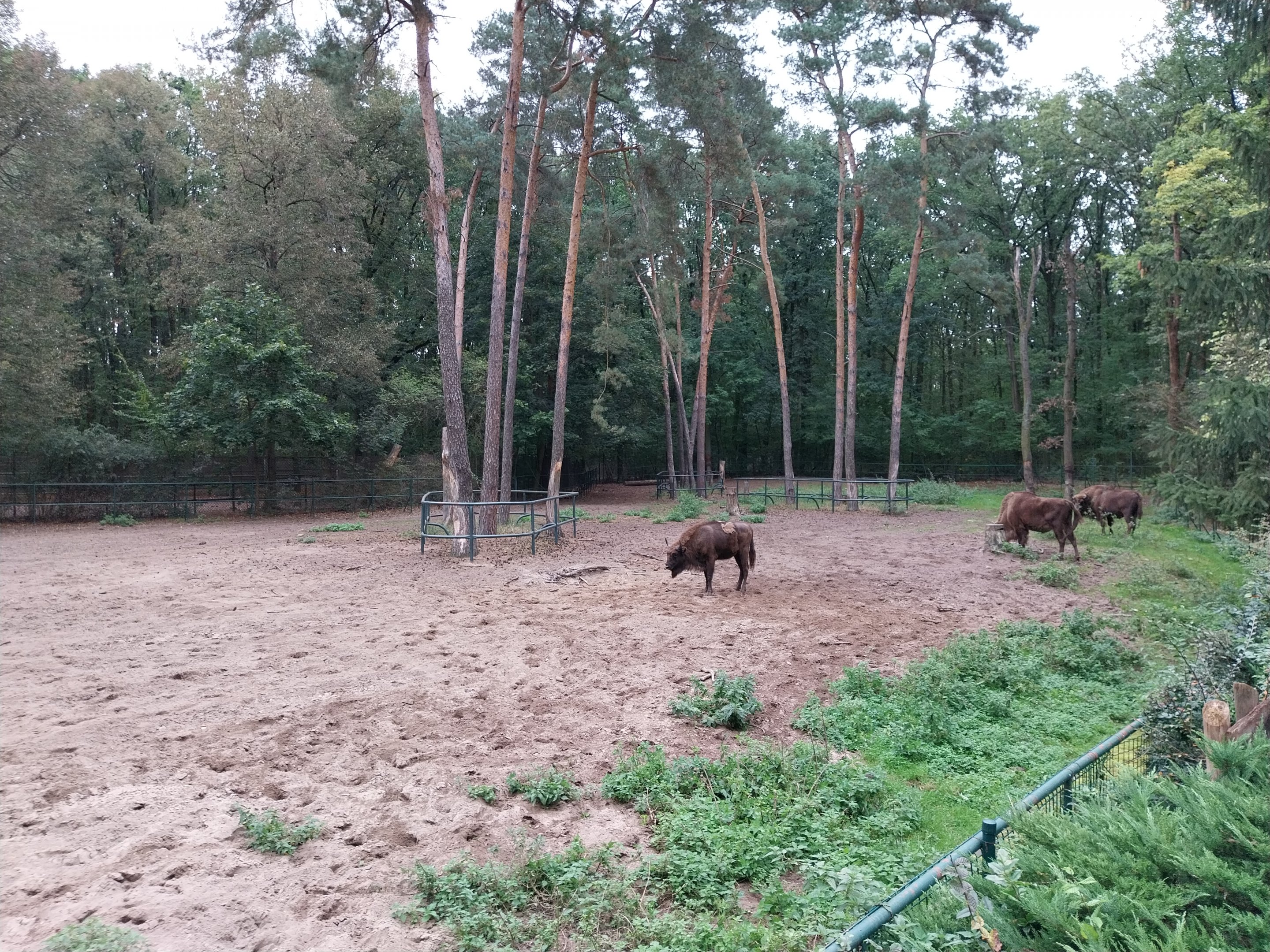
Day 16 #28 Nowe Zoo Poznan - Part 1
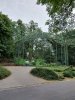
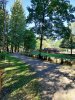
Since I thought there would be plenty of walking at the zoo, I decided to abandon my initial plan of taking the tram and then walking up to the zoo. The road to the zoo leads through a forest area, one of the many that invade the city like a wedge.
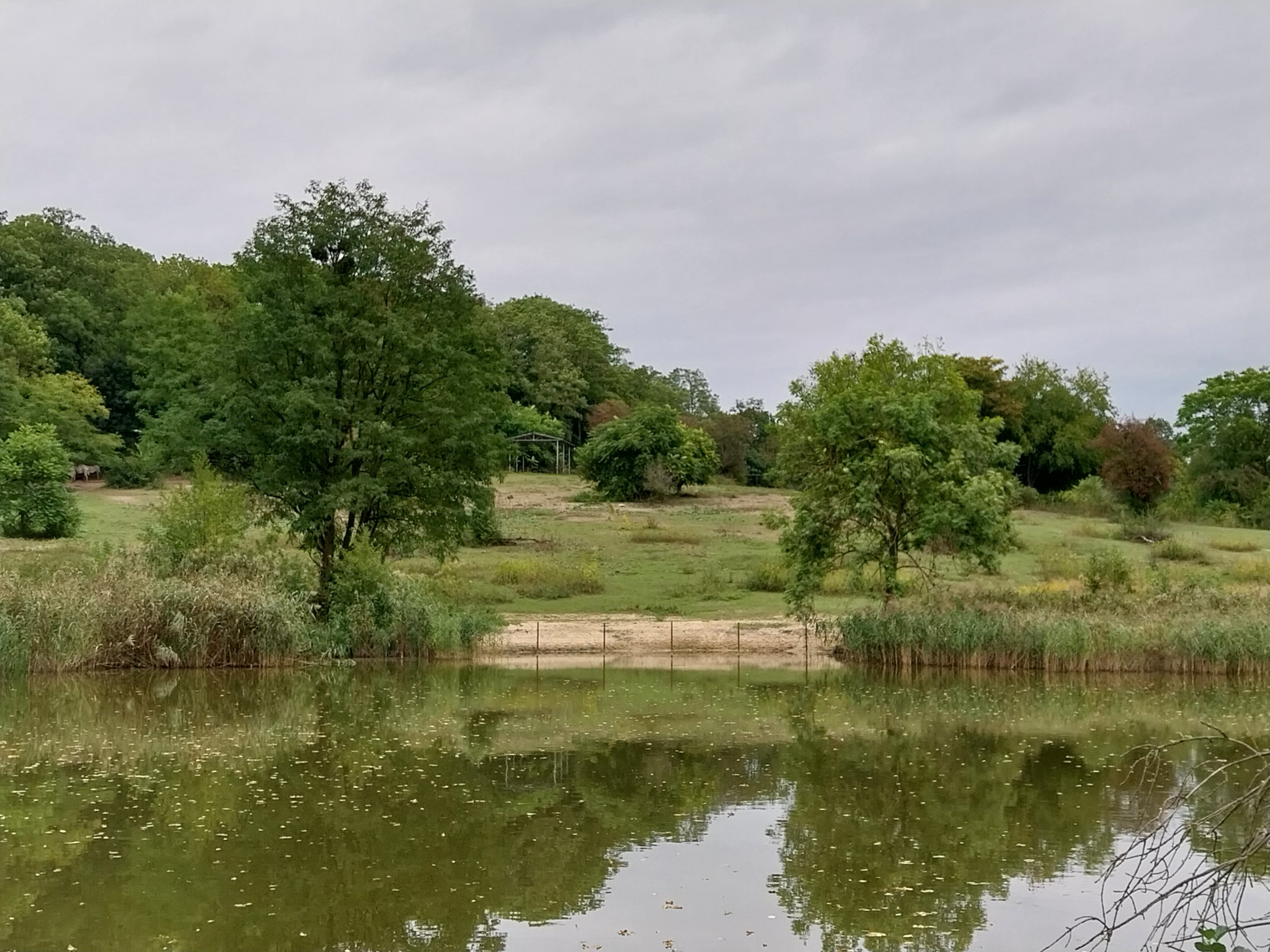
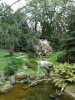
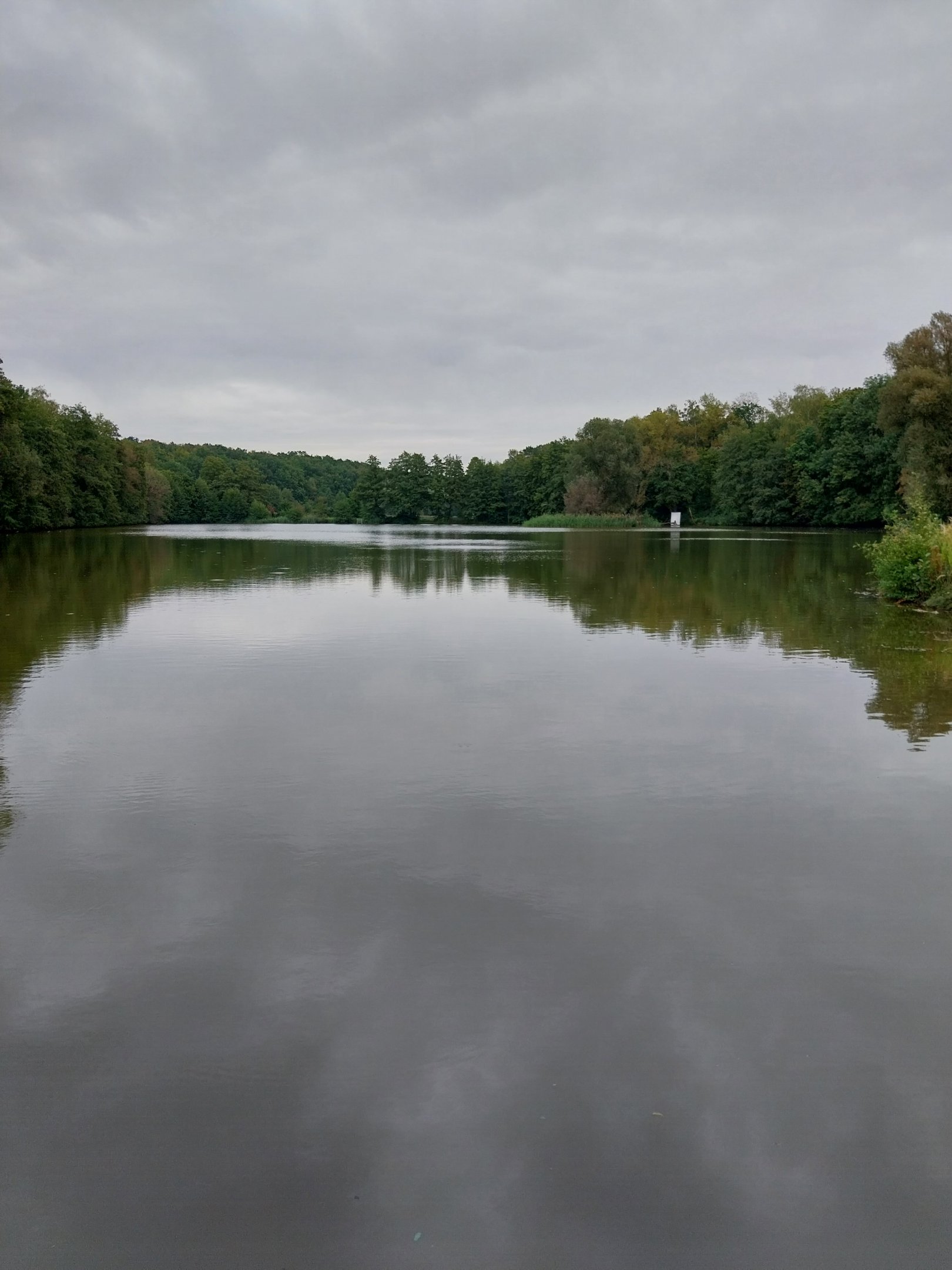
At 121 hectares, Poznan nowe zoo remains just below that of Gdansk. The hilly terrain is densely wooded but in the middle is a depression with large ponds, a haven for water birds.
Exactly 100 years after the establishment of the old zoo in the city centre, this sprawling landscaped zoo opened in 1974. The zoo signed for several milestones in Polish zoo history: an insect pavilion in 1978 and a nocturnal animal house in 1995, both still operating anno 2024.
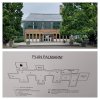
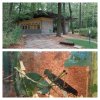
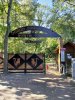
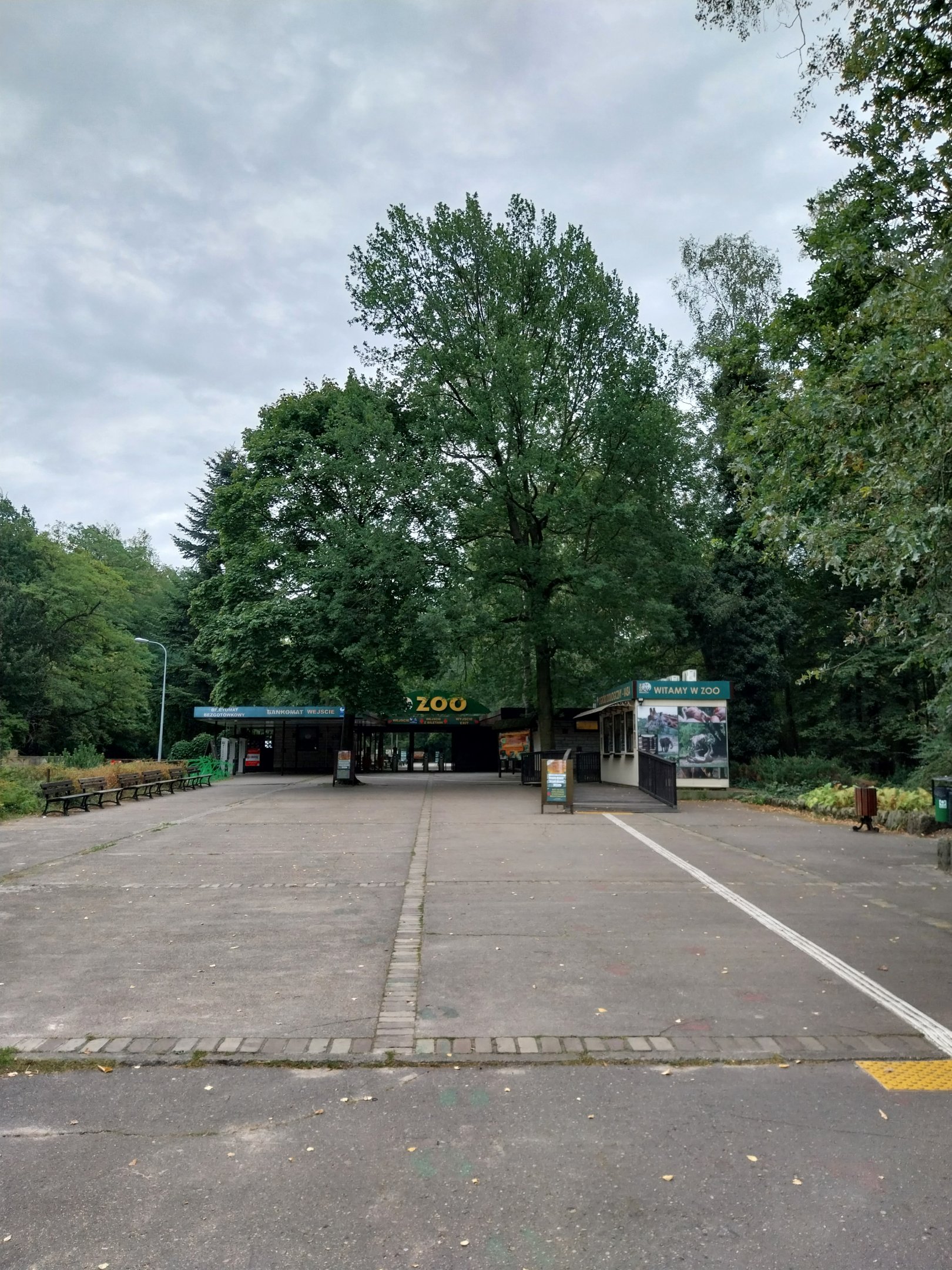
On arrival, the entrance building certainly does not suggest that behind its gates lies a vast and modern zoo. On the contrary, on this autumnal day in September, I was almost the only visitor, judging from the car park. Throughout the day, I hardly encountered any other visitors, apart from a few high school classes. At dusk it was even a bit eerie but at the same time also very atmospheric, and I really enjoyed the long solitary walks through the forest.
Although Poznan Nowe certainly is a zoo with a strong focus on (rare) mammals, it has a interesting bird collection as well. Immediately after the entrance lies the
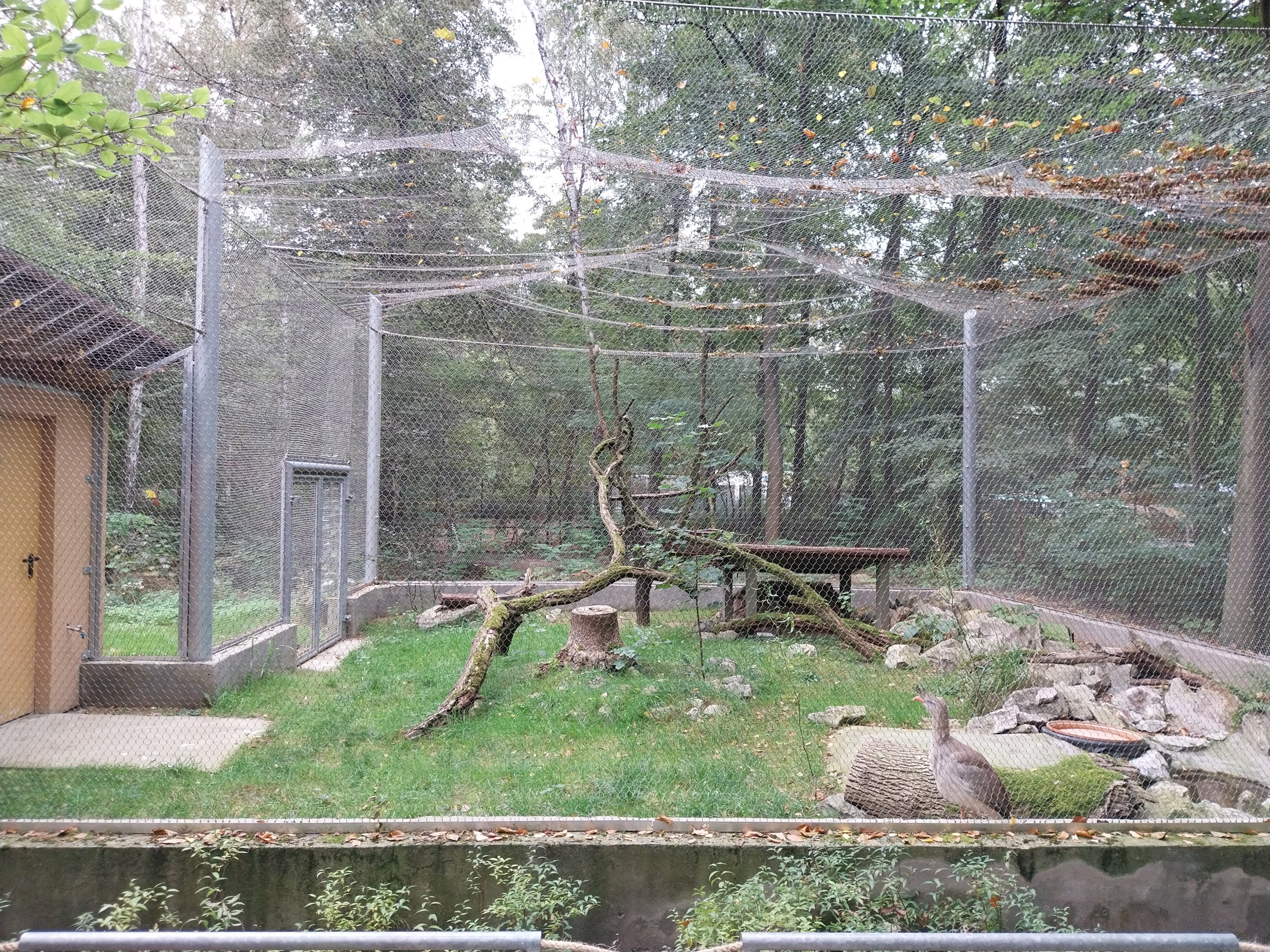
Pheasantry,16 groomed aviaries for Red-legged seremia, Northern helmeted, Great and Razor-billed curassow, Guira cuckoo, Laughing kookaburra, Red-tailed laughingthrush, Satyr and Cabot’s tragopan, Pied Imperial pigeon, Burrowing owl, Blue-eared pheasant, Edward’s pheasant, Palawan peacock-pheasant, Silvery pheasant, Iberian and Red-billed blue magpie, Siamese fireback and Crested guineafowl.
 Razor-billed curassow (Mitu tuberosum)
At the zoo’s edge, 3 rare island species are on show: Visayan warty pig, Visayan spotted deer (Alfred’s deer) and Bawean deer, certainly the latter is a very rare species in European zoos.
With 107 species, Poznan Nowe has one of the most important mammal collections in Europe. And all this without having Red-necked wallaby, would you believe it? Eastern grey kangaroo are a much more interesting species imo and the zoo keeps them together with Emu.
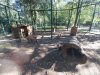
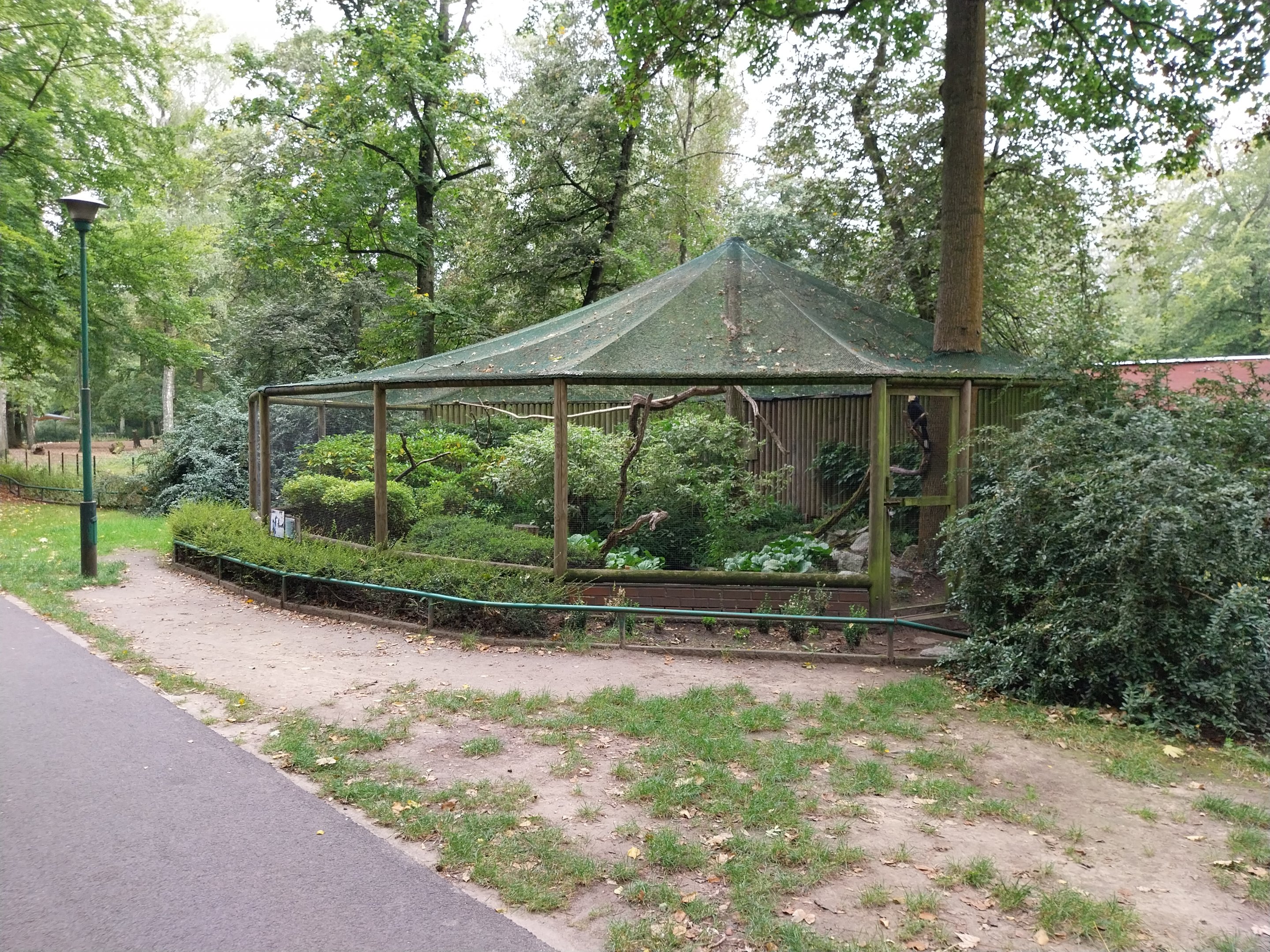
A stately avenue runs north to south through the forest. The nortern section has a beautifull enclosure for Western sitatunga and a quality aviary for Malay Black hornbill. It is almost as good as the one in Lodz, albeit it lacks height making it less spectacular when the birds fly. A good but rather unattactive aviary for Burrowing parrot and a large track of woodland for another real rarity Javan Rusa deer end the first section.
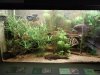
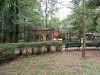
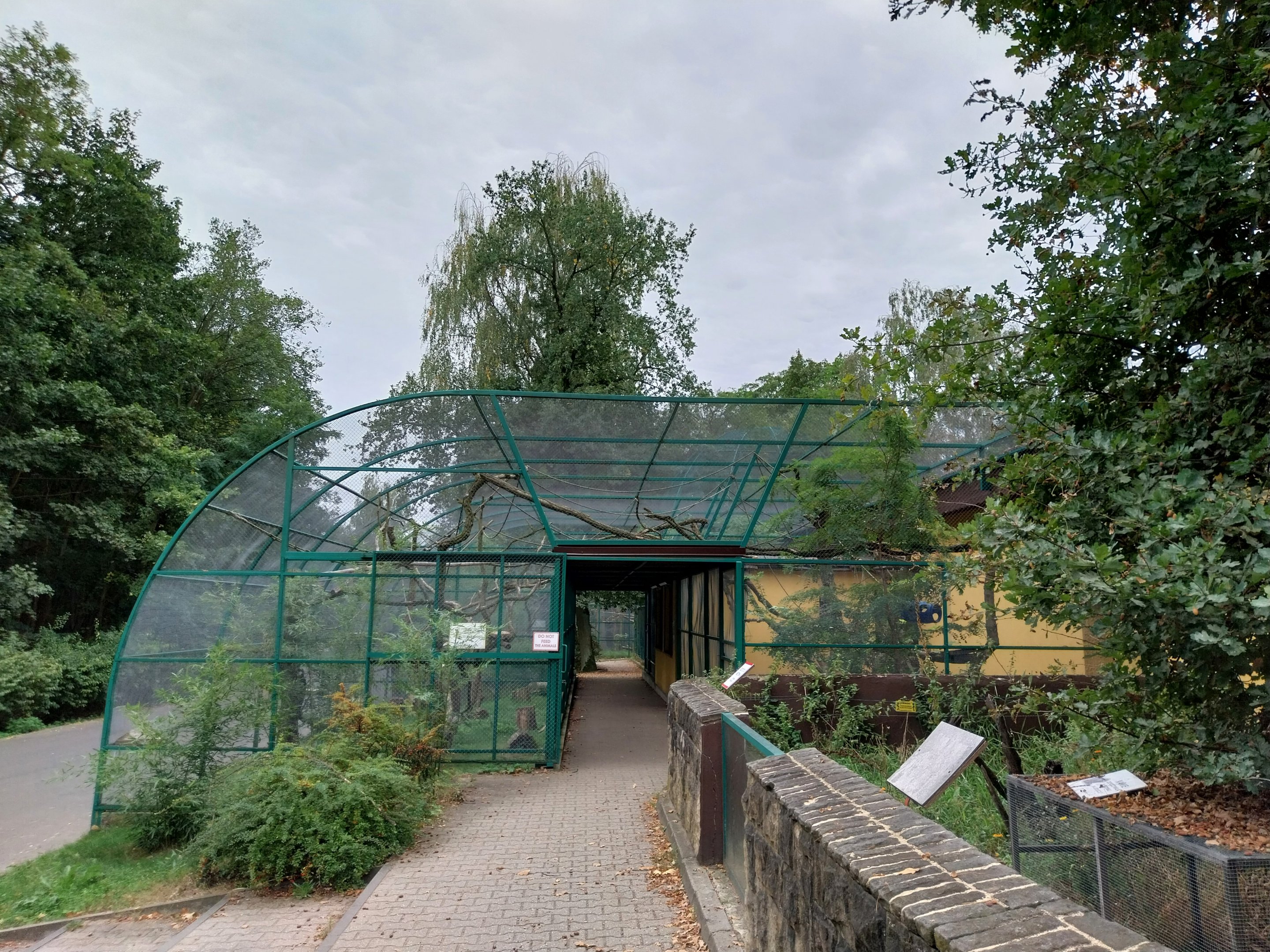
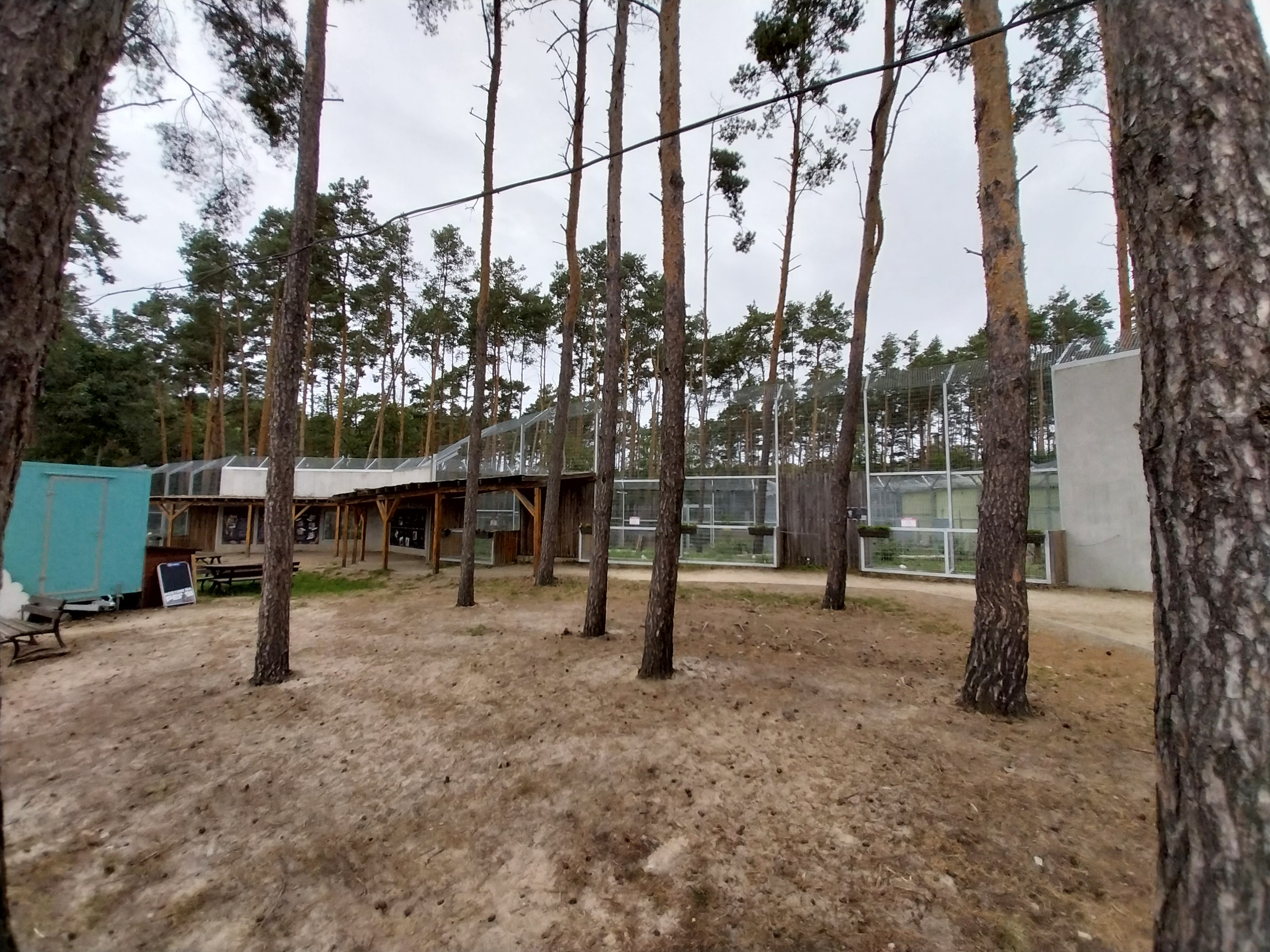
But it is a building with several tall aviaries that finally catches my attention. The excitement mounts because here, among other things, lies Poznan's famous nocturnal animal house. But the condition at the front is disappointing. It consists of several cages connected to the building by an overflow above the heads of visitors. Interesting but most of the cages seemed uninhabited to me, I saw some ring-tailed lemurs there and further red-bellied lemurs were also signed. Adjacent were two more larger and taller cages with two Red ruffed lemur. A small tropical indoor exhibit can be viewed through large windows and is said to house (I did not see them) Three-banded armadillo and Two-fingered sloth. None of this is really exciting, but the back promises better.
Because that is where the
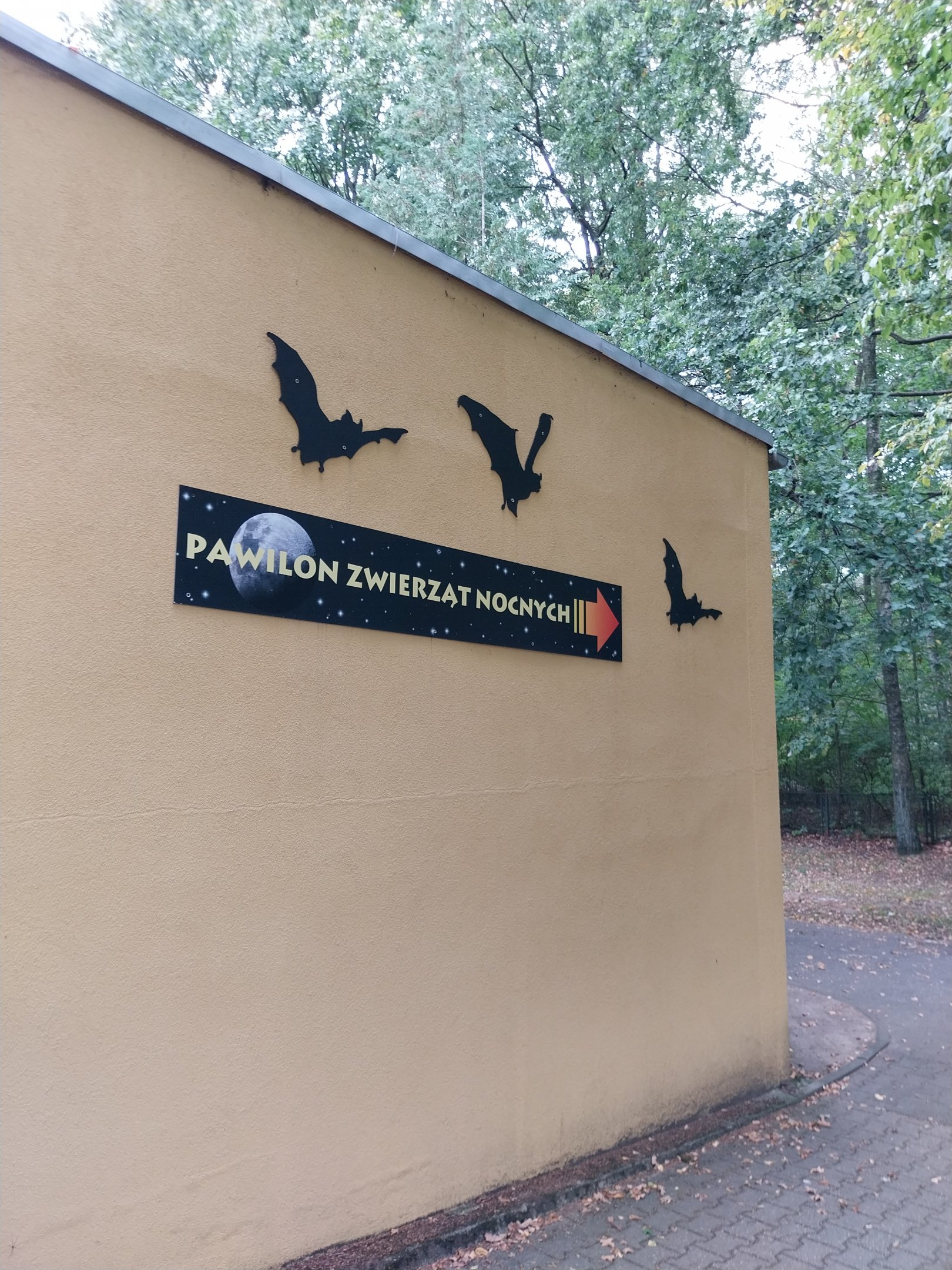
Nocturnal House is.
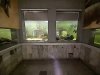
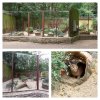
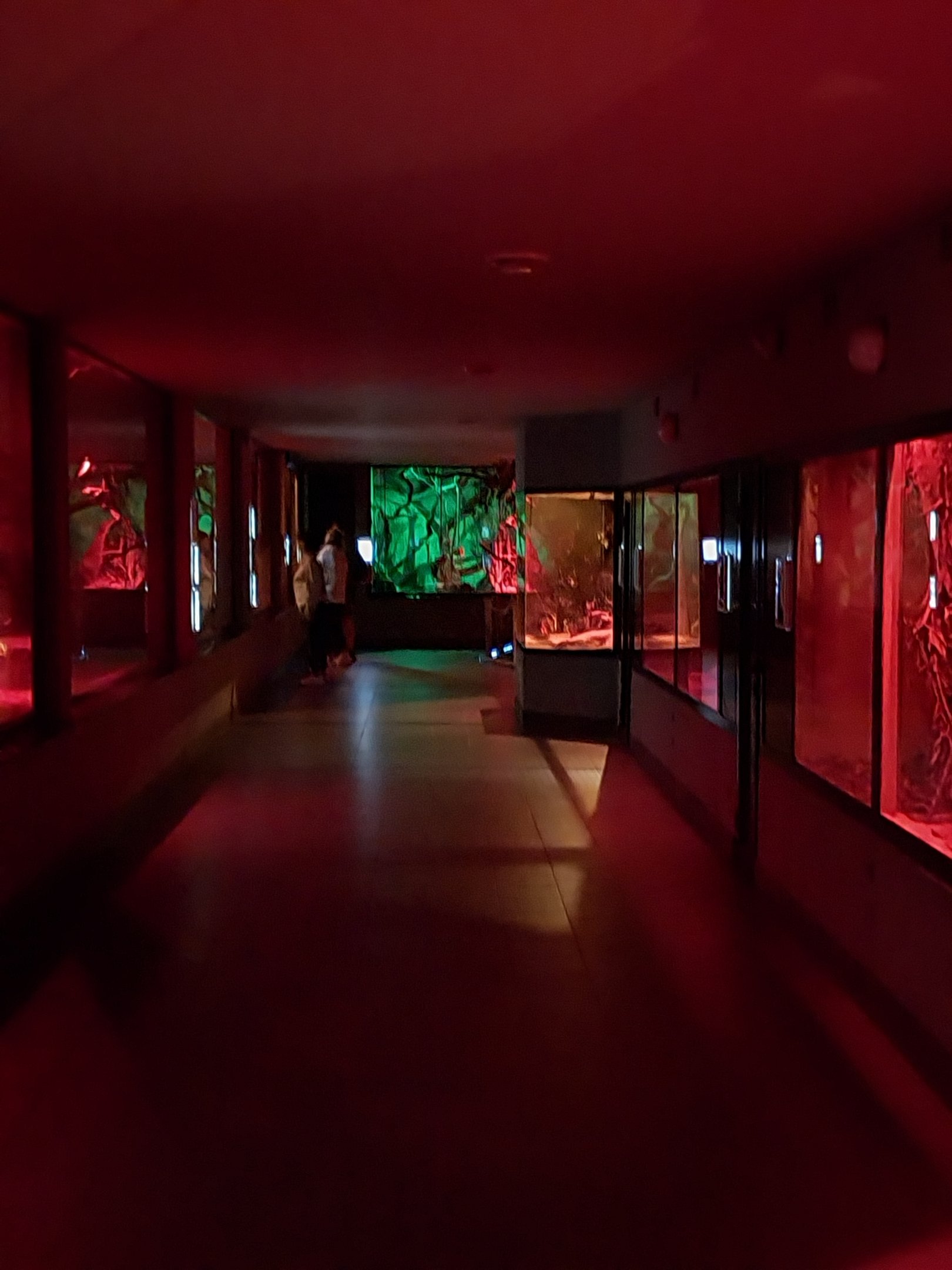
It is a classic, somehow outdated, building with larger enclosures on one side, and smaller ones for rodents on the other. The latter, incidentally, were all empty except for 1 enclosure where a hyperactive Kowari ran back and forth. In the larger exhibits I saw Pygmy slow loris, African brush-tailed porcupine, Javan mouse deer, Senegal bushbaby, Western Brush-tailed bettong, Brushtail possum and Kinkajou. 3 species of bats are indicated (Common vampire, Egyptian fruit bat and Pale spear-nosed bat) but I did not see any on my two visits. I hope the zoo finds a way to give this building, especially the nocturnal section, a major upgrade. There is a hefty base so the cost should not be too high.
 Javan Chevrotain (Tragulus javanicus javanicus)
If anything, my disappointment vanished like snow in the sun at the sight of a
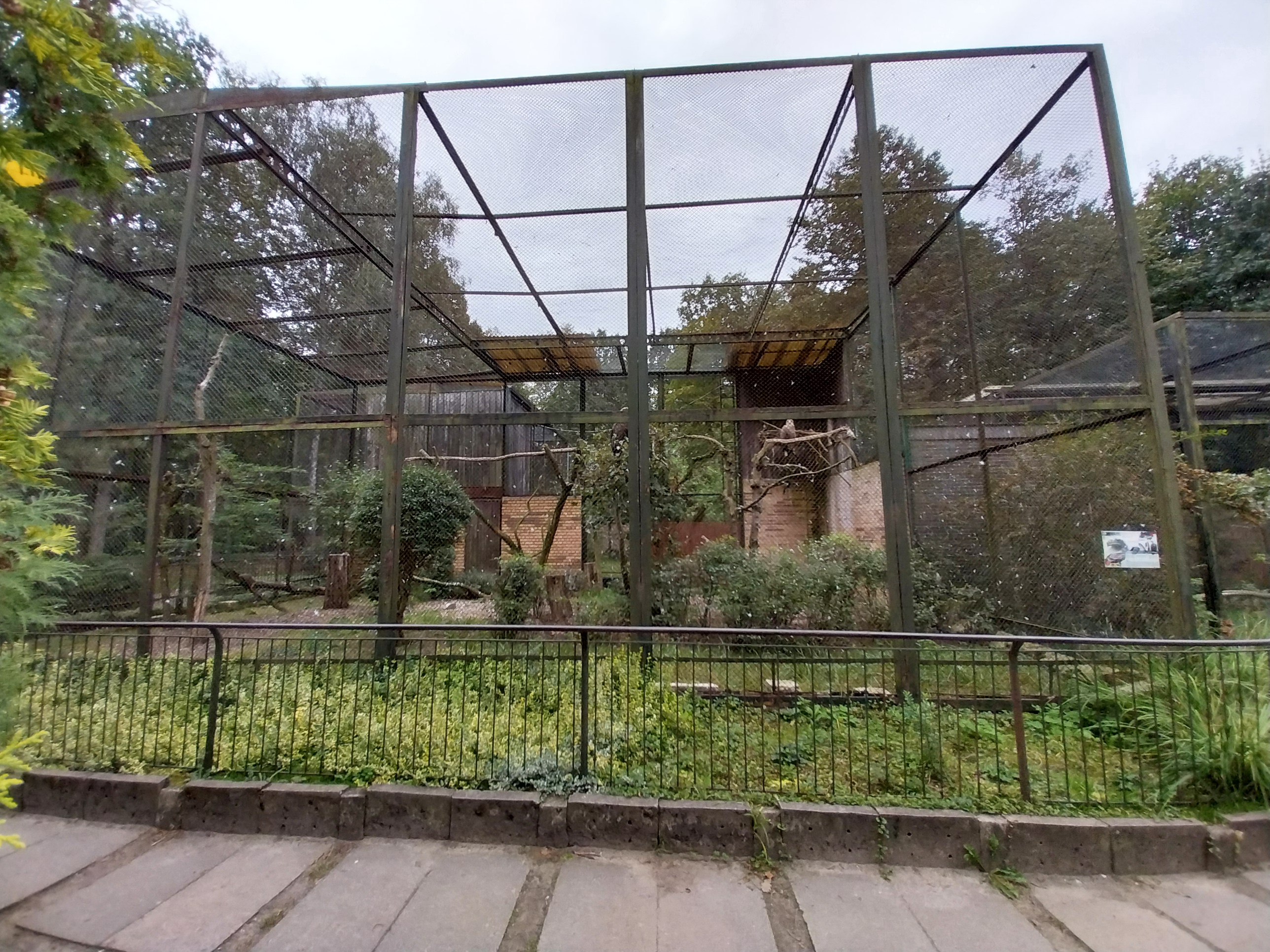
magnificent aviary for bearded vultures; it is a stunning construction, really brilliantly decorated and an interesting species, a real hit imo.


It then heads briskly downhill to the first of six ponds that make up the central low-lying part of the zoo. You look up there to hopefully catch a glimpse from afar of the animals that make up this
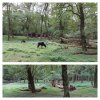
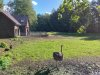
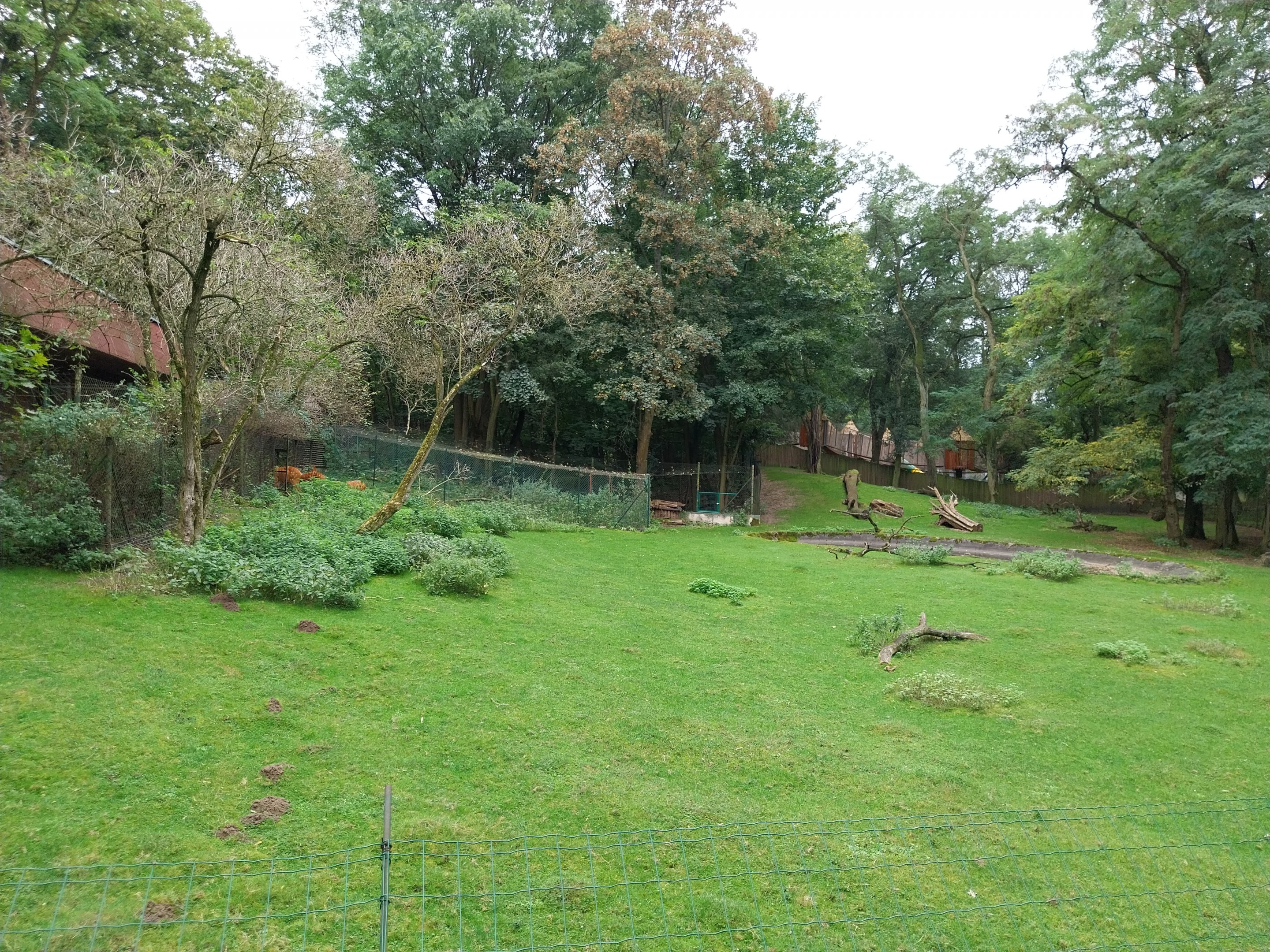
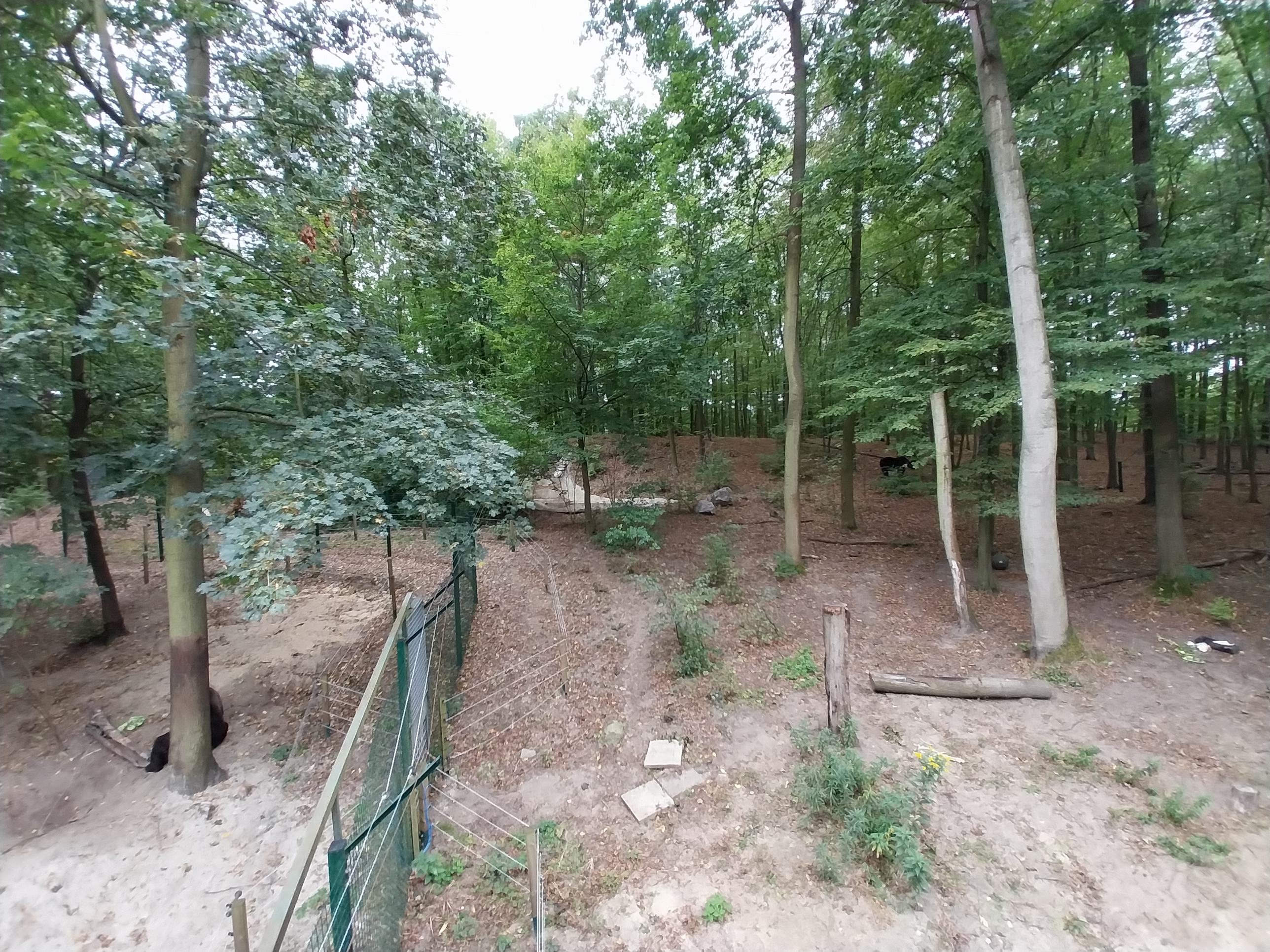
woodland savannah: Grèvy zebra, Black wildebeest and Common ostrich. Sometimes an enclosure can simply be too good: it is difficult to find animals, and although you can get a little further up to the fence, the shortcoming for many visitors may remain that there are no animals to see. Provided some patience and luck, a head will suddenly pop up somewhere above the vegetation, but who has that when you still have 119 ha to get off

?
You can walk around the ponds and between each you can cross the valley. I decided to do first another loop on this side of the lakes. It starts with a rather strange
combination for Nubian ibex and King colobus. Both species live at roughly the same line of latitude but on the opposite side of Africa: the Colobus in West Africa, the Ibex in Sudan. But the Omo River and Djabba Mountains subspecies of the Mantled colobus live close-by in the Ethiopian Highlands west and east of the Rift Valley, so it’s not that far-fetched .
Their enclosure is an uphill forest track, probably slightly more appropriate for the monkeys. A fenced platform brings visitors right into the enclosure. At the time of my visit the 4 monkeys enjoyed the warmth and comfort of their indoor enclosure, and I can’t blame them as the inclement weather caused the temperature to drop sharply.
 King Colobus (Colobus polykomos)
The trail continues uphill along enclosures for Nepalese Red panda and both Sichuan and Shensi takin towards three very interesting multi-species complexes.
The
TeaLovingDave-theme park aka
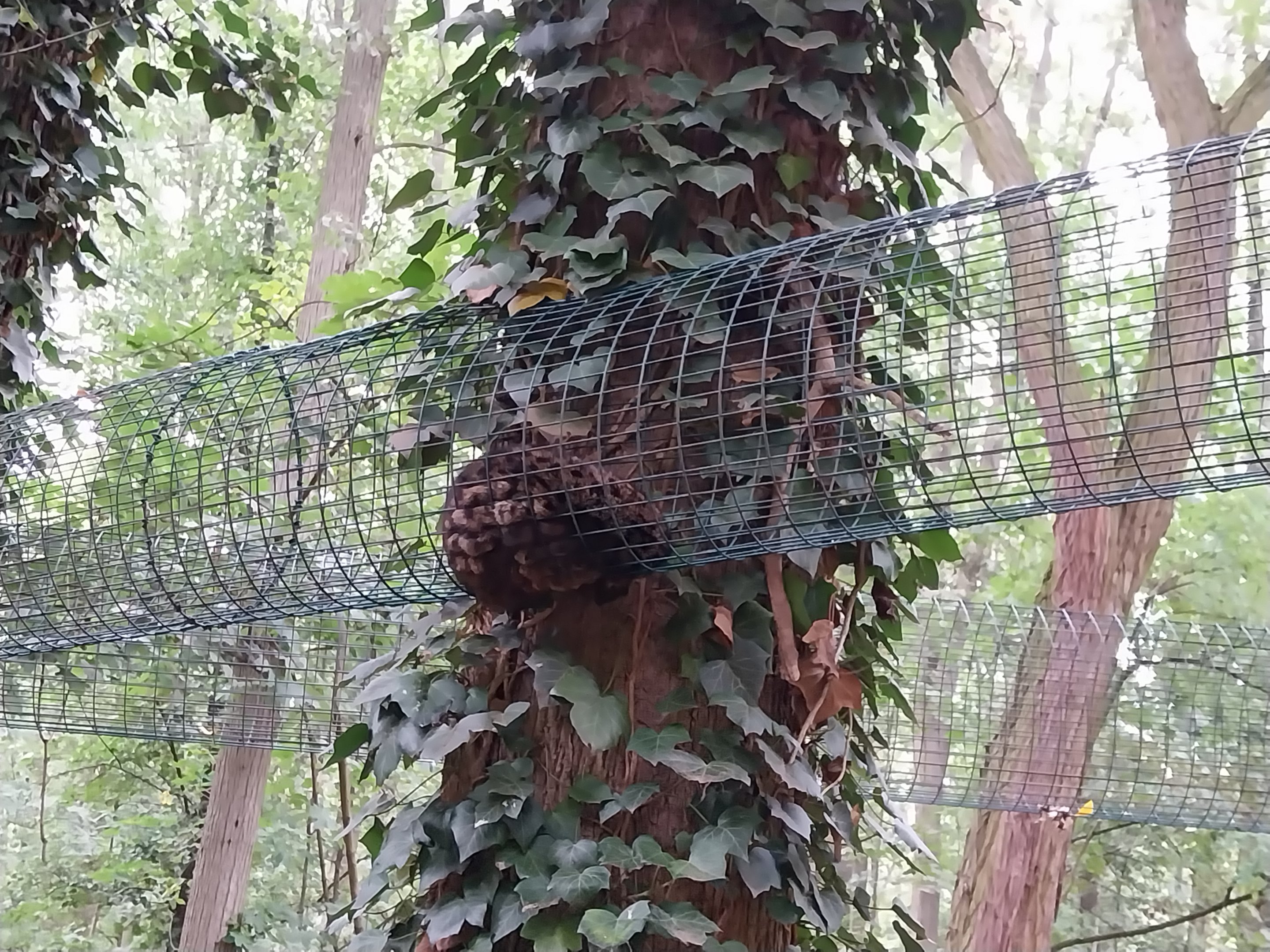
Small Carnivore complex is a large facility for a broad range of carnivores: tropical rainforest (Margay and Jaguarundi), dry land (Caracal) to temperate forest felids (Eurasian lynx, European wild cat, Siberian Pallas’ and Amur leopard cat), civets (Cape genet, Malayan binturong, Two-spotted Palmroller) and mongoose (Meerkat, Dwarf mongoose), canids (South African Bat-eared fox) and mustelids (European mink and Siberian weasel). That is truly a fabulous species line-up. And I saw all of them but the genet. Not all of these enclosures are that spacious and except for the Jaguarundi others only have a single enclosure. But they are all well laid out, with hiding places and shelter, climbing structures, etc. I particularly liked the adventure path available to the palmroller, which can take a lap through the woods via a mesh tunnel.
 Two-spotted Palm Civet (left) and Yucatan Margay (right)

It’s just a step to one of the zoo’s main attractions, the
Rodent House. The zoo does here what it does in a number of places: the animals are warm and cosy inside while chilled visitors look in through windows, fervently hoping for some movement. The zoo has a large collection but it is unsure if all 27 species mentioned on ZTL still are present. However, even if only half are still there, it is a breathtaking collection, with many species hardly seen in Europe: Arabian spiny mouse (8 zoos), Cactus deermouse (6 zoos), Reed vole (6 zoos), North African gerbil (4 zoos). Many of the missing species could return if the zoo will renovated the enclosures in the Nocturnal House.

Going downhill again past the zoo’s
Birds of prey section: it is good and large but with White-tailed and Stellers sea eagle, Andean condor, Steppe eagle, Bald eagle and Common buzzard, it shows the poverty that has crept into the raptor collection, compared to decades ago. None of the aviaries here can compete with the one for the Bearded vultures, but they are all well maintained and (just) spacious enough. The birds probably enjoy the peace and quiet of this place which is in sharp contrast to many of our zoos.
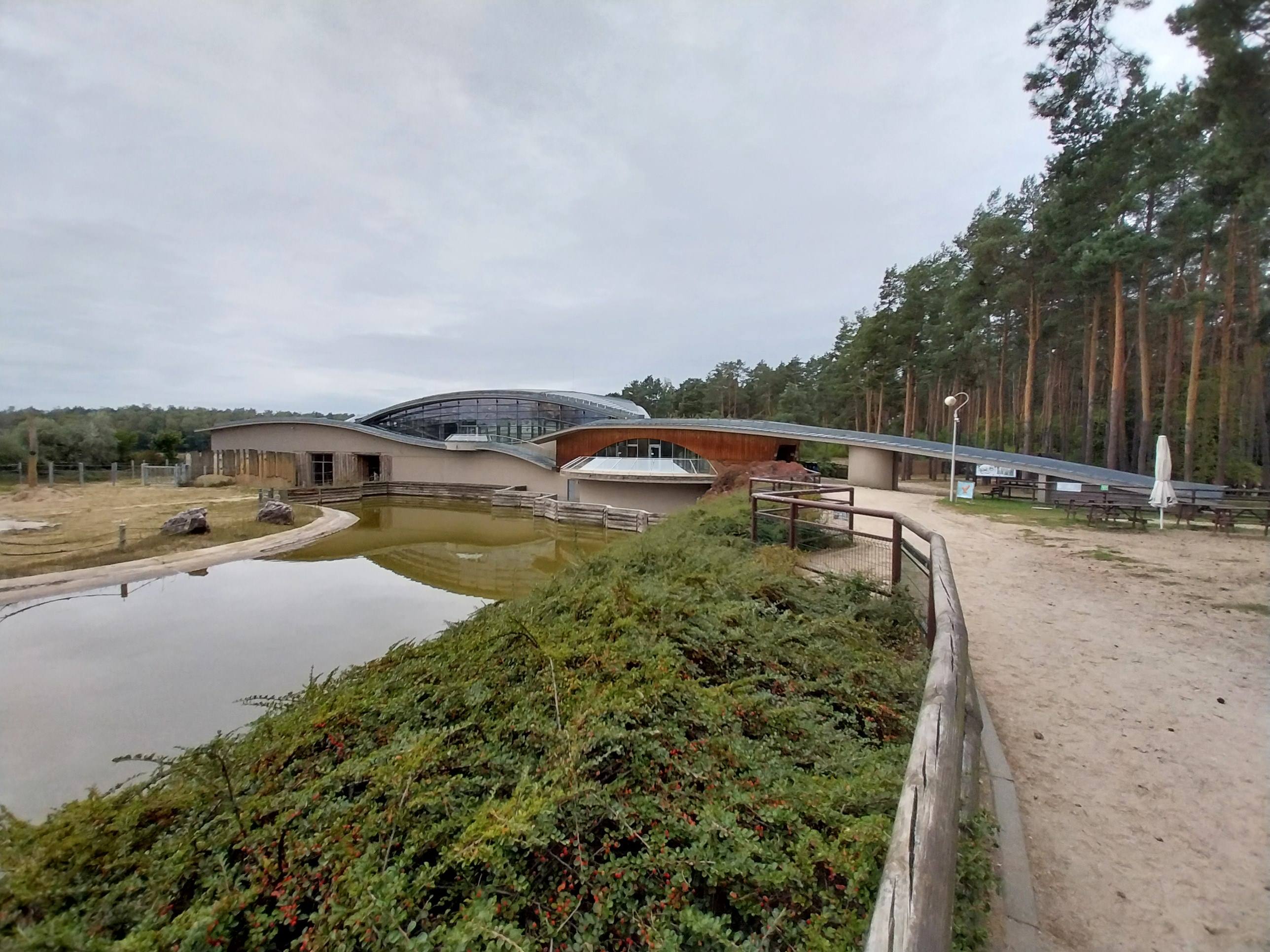
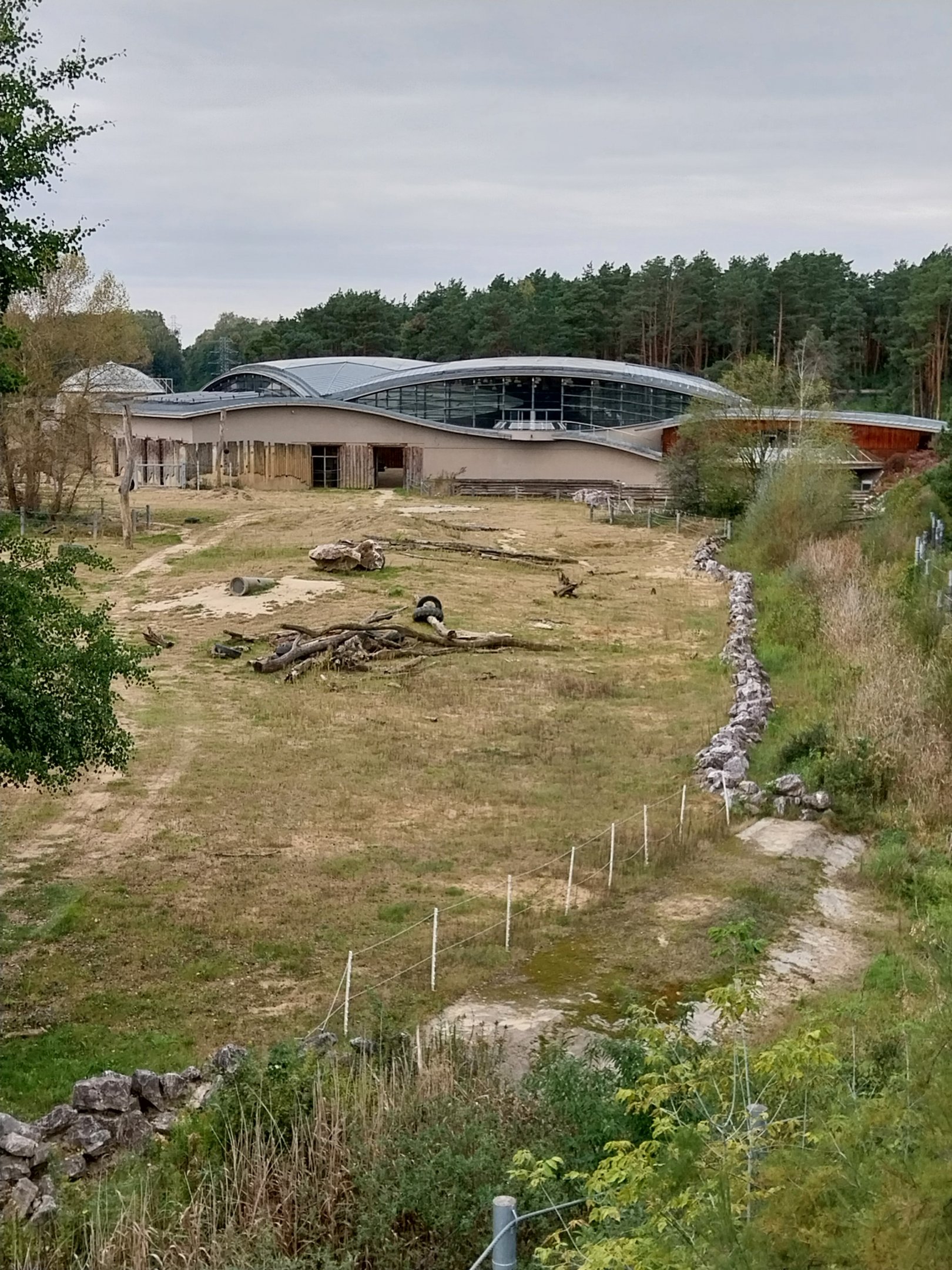
On this side of the lakes lies the modern but strange
Bird house. It’s large and has certainly more rooms than the only one visitors can watch, at least when you are willing to walk up a steep slope. It houses a pair of Crested partridge, a species that can really be seen everywhere but which has a certain appeal, if only because the birds are not particularly shy and you have to be careful not to step on them in some walk-through exhibits. In Poznan they are kept together with a pair of Montserrat oriole, a species not exactly common in Europe. It took some time, but I was eventually able to observe both birds.
 Birdhouse (Crested Partridge and Montserrat Oriole
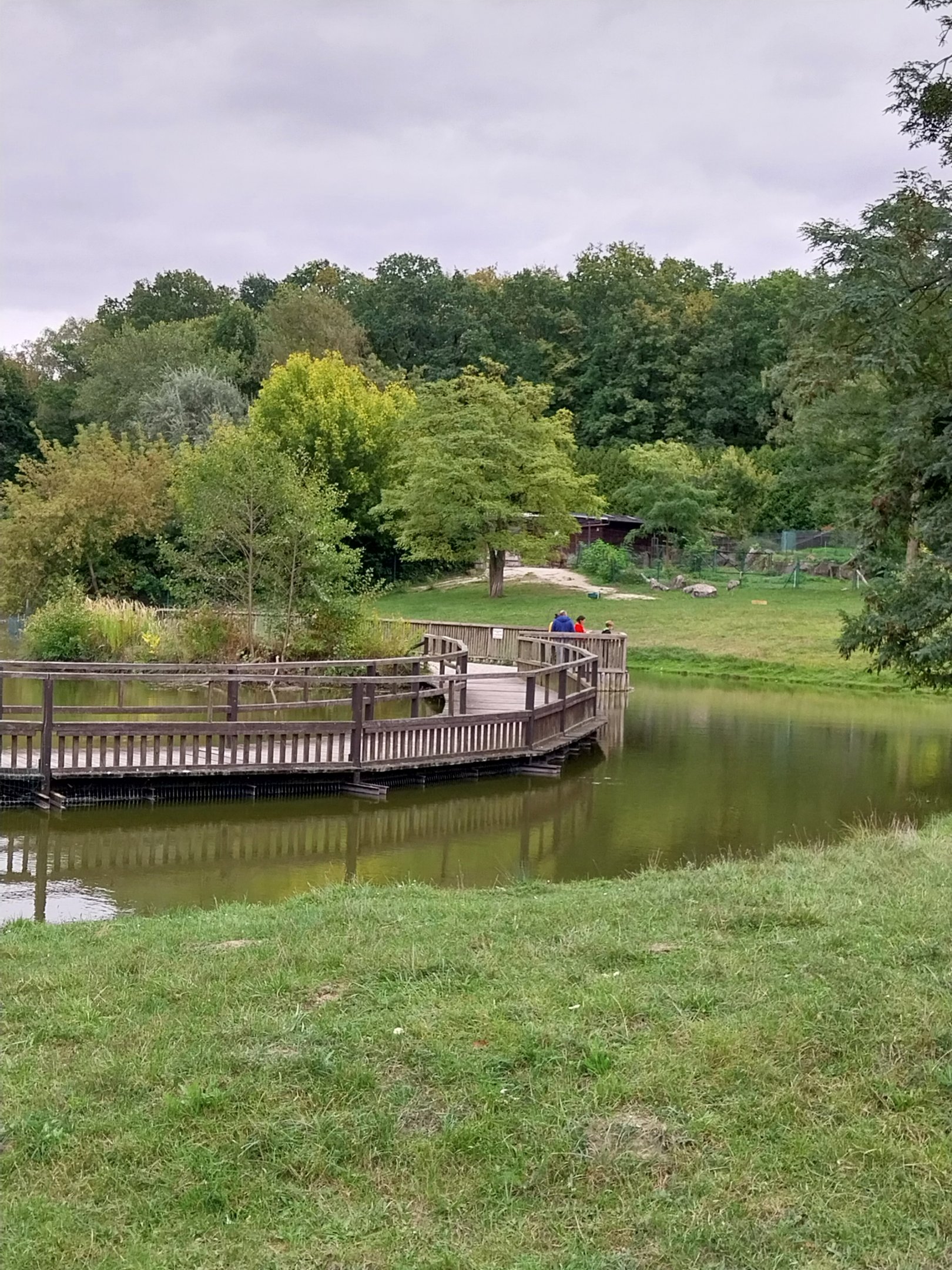
One of the lakes has a dead-end walking platform to the middle of the water. It overlooks a traditional pampa with Capybara, Lowland tapir and Greater rhea: it’s large, attractive, green and rich of water.
This enclosure and the Chilean flamingo nearby are the prelude for one of the rarest mammals on show in Poznan, Europe’s only and highly endangered
Yucatan spider monkey. The 1.2 animals are already 15 years in Poznan and have never reproduced, so unless a miracle occurs, these are the last specimens of a species that never was numerous in Europe. They have a large outdoors enclosure but can also be observed in their winter accommomdation.