
Onychorhynchus coronatus
Well-Known Member
The need for assisted translocation with the Western swamp turtle in Australia ? research in collaboration with Perth zoo :

World-first-breeding in 2010 and still kept at the zoo but more importantly : Vienna has played an great role in Northern river terrapin-conservation in the wild :
This zoo just saved one of the world’s rarest turtles from extinction
Northern river terrapins had been pretty much exterminated across their range thru overharvesting and poaching. Token captive stocks found here and there have allowed headstart breeding and a potential road to recovery.
Yes, that one it's the supposed exhibit

I found a picture that I took some years ago (I think it was taken in 2017) of one of the turtles, the Central American Snapping Turtle (Chelydra rossignonii). It is considered as Vulnerable by the IUCN. Sadly, I couldn't find any picture of their enclosure.Looks like a great enclosure indeed, I hope that it will eventually be used for those species
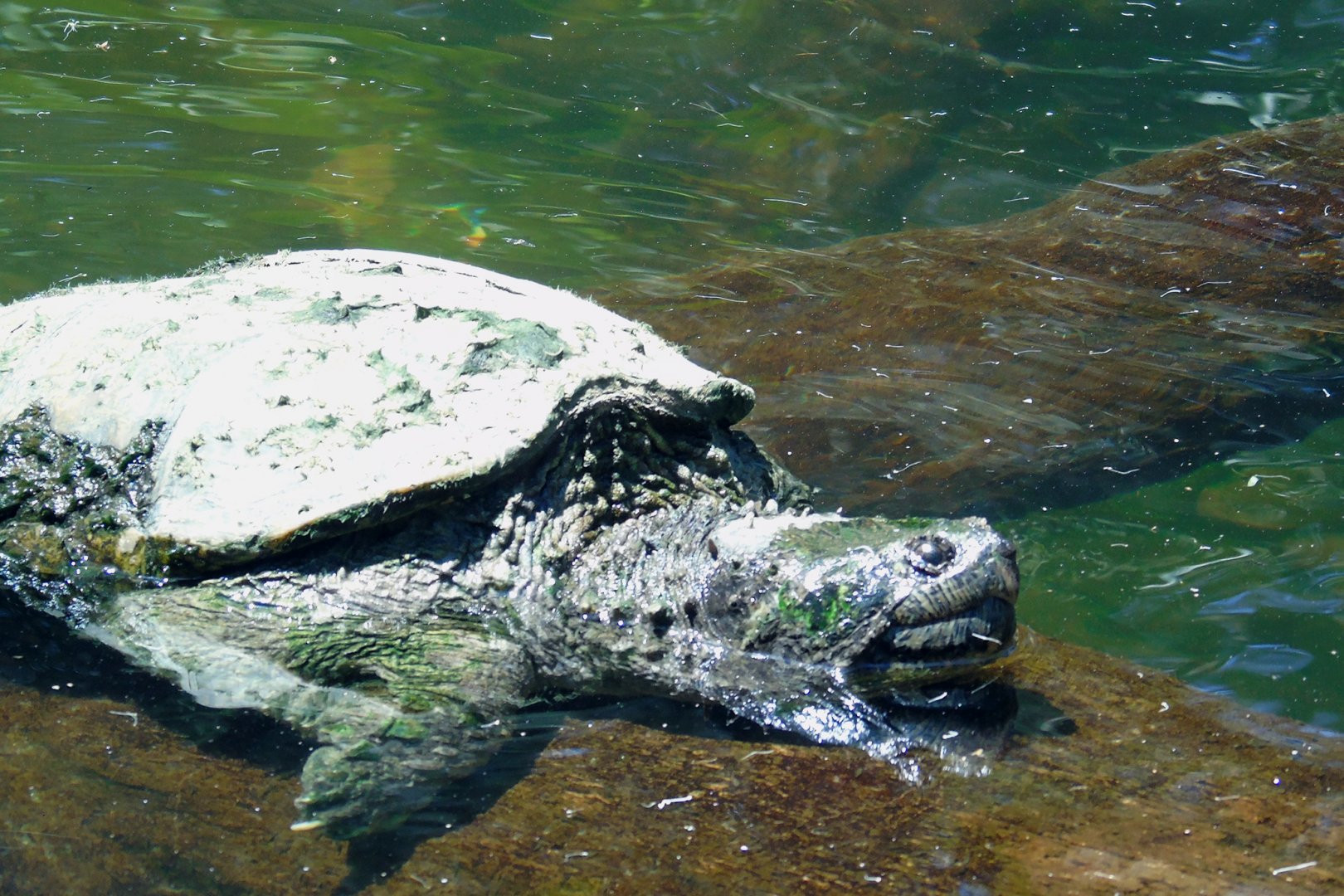
I found a picture that I took some years ago (I think it was taken in 2017) of one of the turtles, the Central American Snapping Turtle (Chelydra rossignonii). It is considered as Vulnerable by the IUCN. Sadly, I couldn't find any picture of their enclosure.Central American snapping turtle (Chelydra rossignonii)
Classified as Vulnerable, this picture was taken in 2017 (so excuse me for the bad quality). It...
Sure, they have gone through a bottleneck now. It is something true for all species with small populations. They require careful genetic and population management for recovery. I never contested that.Yes, the captive breeding programe is great but there are some challenges in avoiding a genetic bottleneck, there is a paper I've just downloaded and scanned through called :
"Conservation genetics of the northern river terrapin (Batagur baska) breeding project using a microsatellite marker system"
It doesn't look good for the species genetically :
"According to our results, most wild-caught terrapins are related (Fig. 3). Given the long life expectancy of turtles, this situation suggests that the wild population experienced a severe decline long ago. The few survivors are largely related at the level of half sibs (or first cousins, aunts/uncles-nices/nephews or grandparents-grandchildren). For conservation purposes, the present genetic diversity should be preserved to the greatest extent possible. Thus, the reproduction of closely related terrapins has to be avoided."
Sure, they have gone through a bottleneck now. It is something true for all species with small populations. They require careful genetic and population management for recovery. I never contested that.
