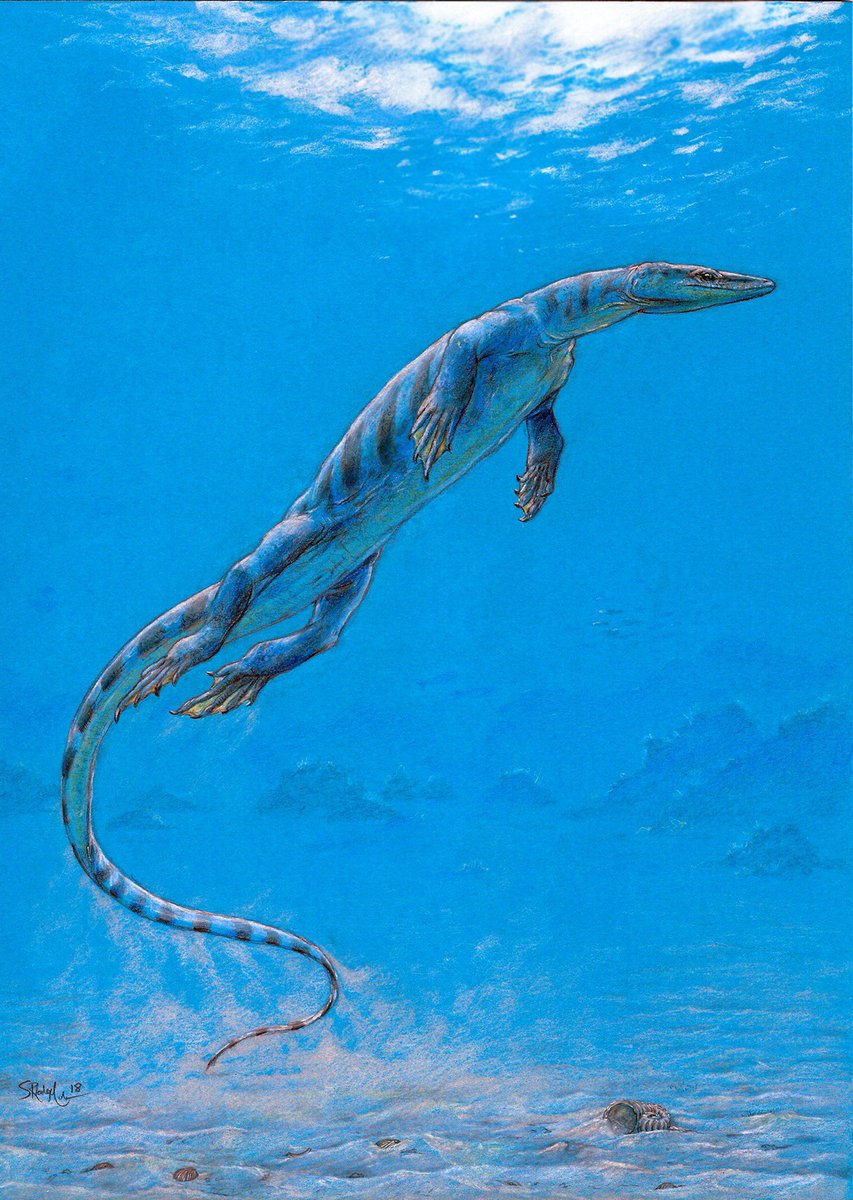
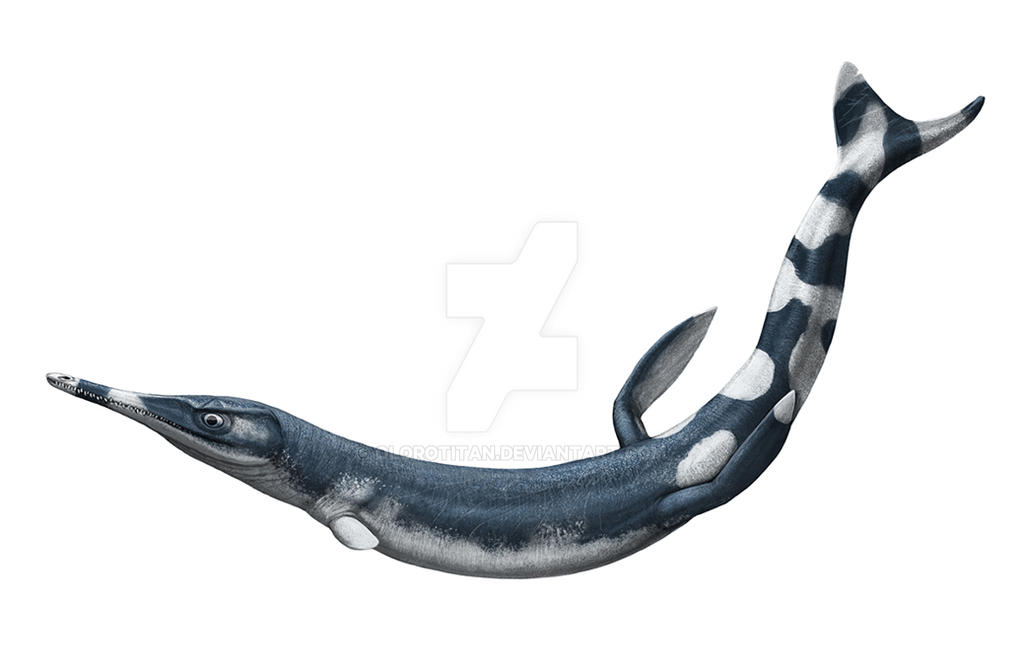
You using a photo of a living species of heron confused me for a second.New species of ~ 94-million-year-old basal mosasauroid from Croatia: Portunatasaurus krambergeri.
New species of ~ 7-million-year-old heron from Florida: Taphophoyx hodgei.

You using a photo of a living species of heron confused me for a second.New species of ~ 94-million-year-old basal mosasauroid from Croatia: Portunatasaurus krambergeri.
New species of ~ 7-million-year-old heron from Florida: Taphophoyx hodgei.

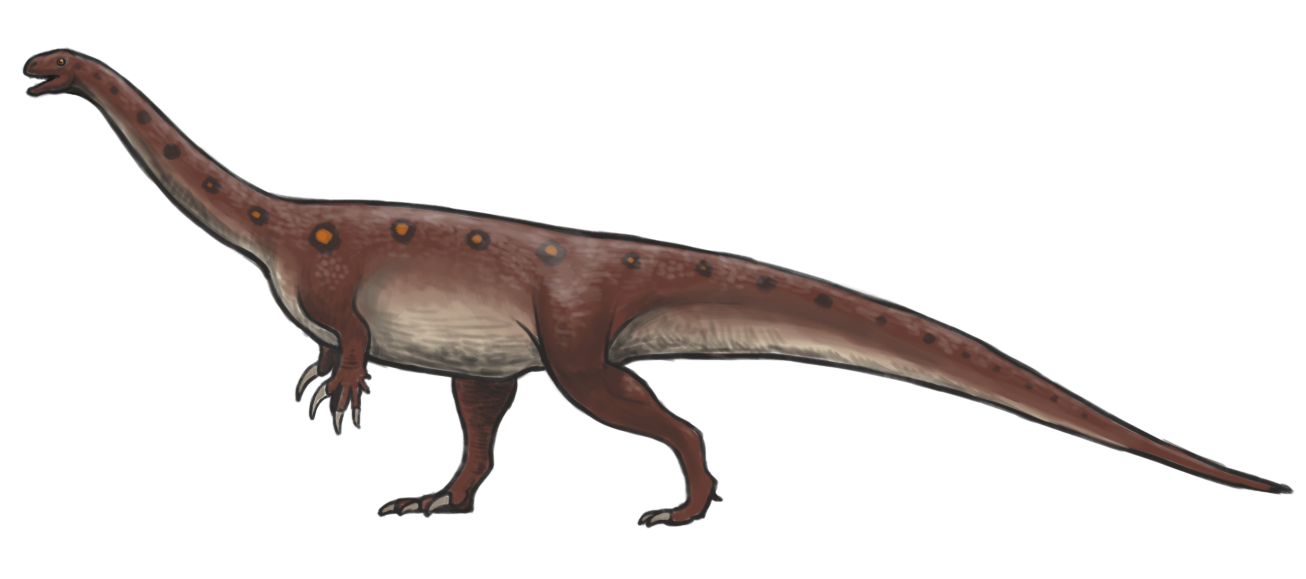
There aren't any reconstructions of the new species so I just used a picture of Tigrisoma mexicanum to help people have a general idea of what the bird would of looked like. (According to the study, Tigrisoma and Cochlearius may be the closest living relatives of Taphophoyx). In fact for a lot of the animals I post on here there are not yet reconstructions for so I just use pictures of related species to help the viewer get a general idea of what the animal may have looked like in life. For example, as there is not yet a reconstruction of Oceanotitan, I used a pictured of the related genera Sonorasaurus.You using a photo of a living species of heron confused me for a second.





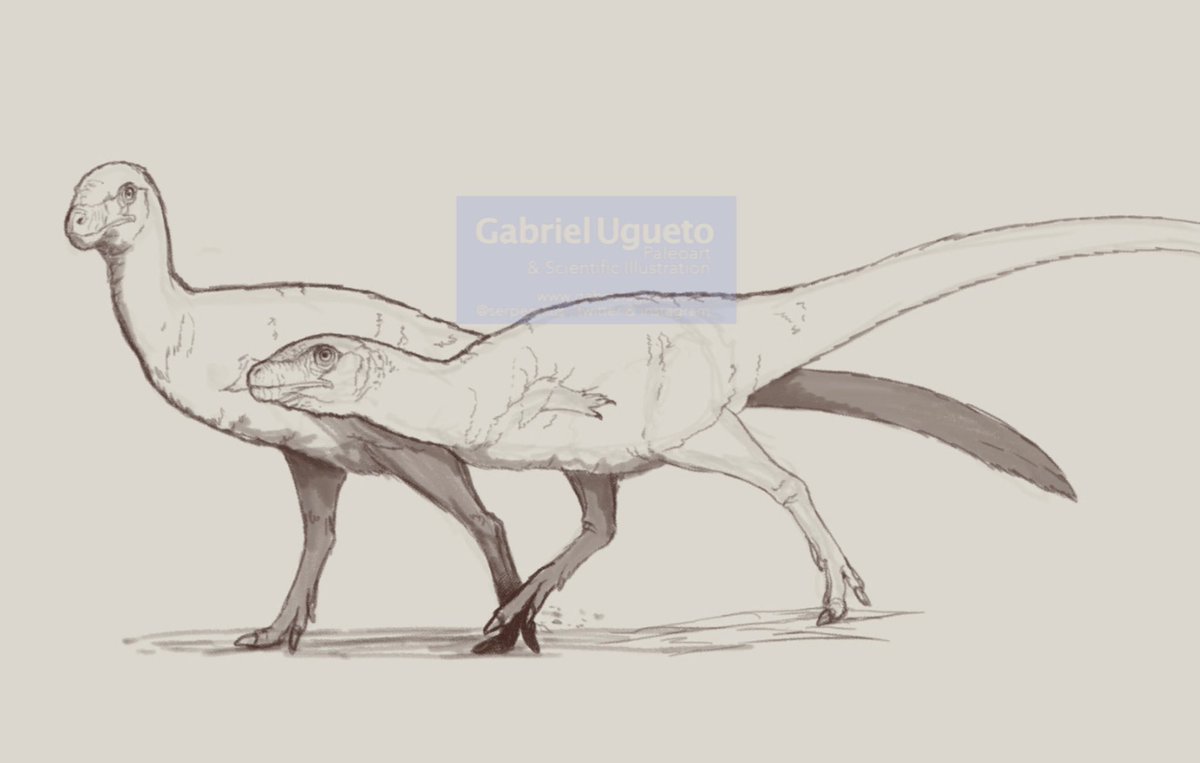

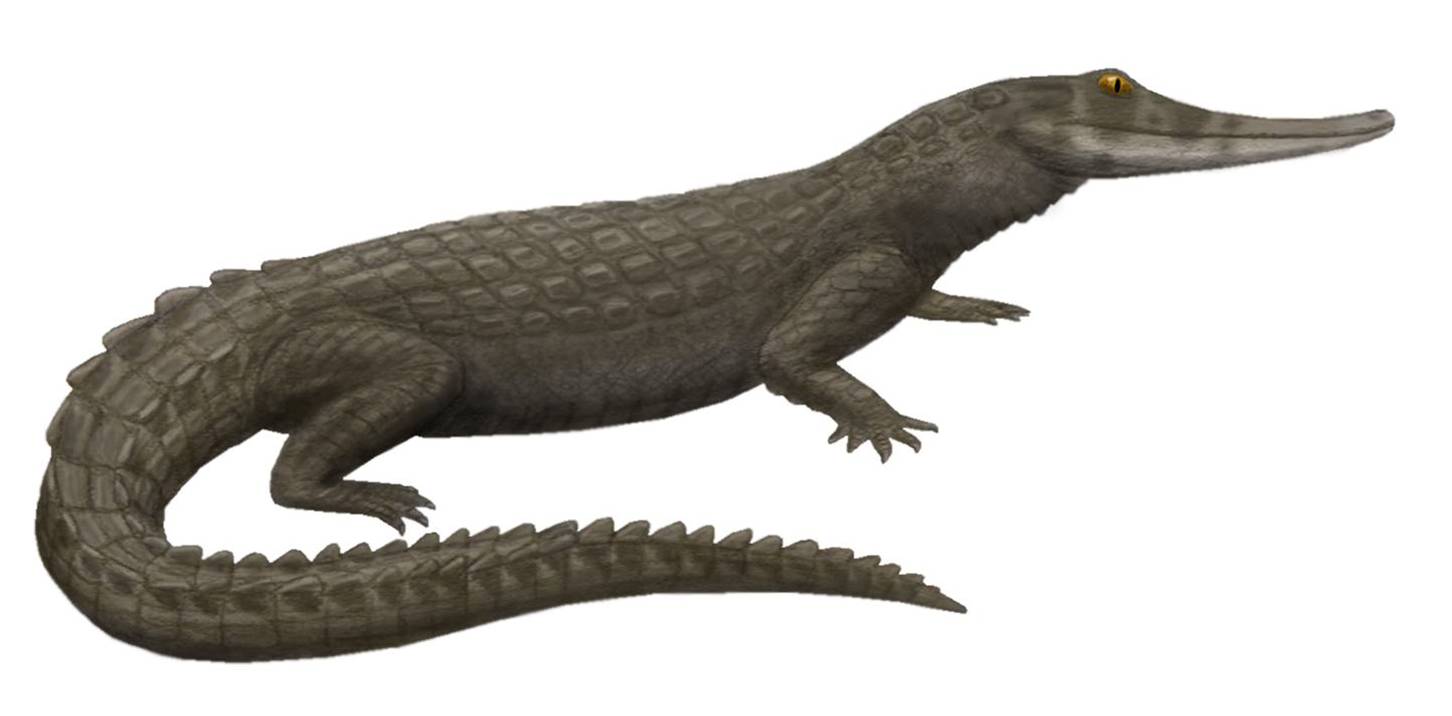


Dumb error on my part, Hesperornithoides was a trooodontid, not a dromaeosaurid.07/10/19 - New species of ~ 145-million-year-old dromaeosaurid from Wyoming (Morrison Formation): Hesperornithoides miessleri.



Ask any average American anything about geography, even about their own country, and you'll get the same resultHercules giant (3 ft! .9144M ! ) fossil parrot from New Zealand
Heracles the Giant Parrot Stood 3-Feet-Tall - D-brief
As an aside ask an American where the original Zealand is and look at the confused faces