Kakapo
Well-Known Member
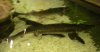
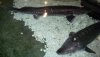
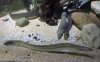
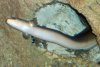
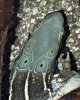
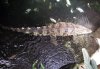
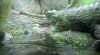
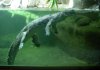
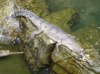
ATLANTIC STURGEON - Acipenser sturio


Photos taken at: Barcelona aquarium, Spain
Short taxonomy: Osteichthyes > Acipenseriformes > Acipenseridae
Native range: Europe
Ex-situ frequence: Common
Danger factors: As in most sturgeons, dam building is the main threat, but the species is also accidentally captured and it suffers habitat degradation such as water contamination, river flow regime regulation, and arid extraction. IUCN says that bycatch capture is the major threat (about 200 individuals fishes every year, evaluated in 1997), but probably this is just the current major threat in the only river where they survive, while dam builing is what whipped it out from almost whole former range.
Other comments: The westernmost of the palearctic sturgeons and the most well known species of the genus, it's extremely wide former range from western Siberia to Turkey and west to Iceland was not enough for guarantee the surviving of the species, as dam builing happened all over it's range. Now is extinct all over its former range except the Garonne river in France, probably the most dramatic range reduction of all European vertebrates. Last recorded breeding in the wild was from 1994. Sturgeon farms are essential for recovering the species and they restocked various times in the wild since 1995, from captive-bred specimens, being especially important in this respect the Guadalquivir river sturgeon farming in south Spain. However, the survival rate of released individuals is only from 3% to 5%. Another important action for conservation of the species is the builing of fish passages in dams. Some of these are already built, but at least in Spain, most projects are still pending to do.
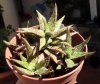
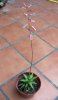
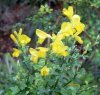
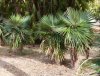
GAAN LIBA ALOE - Aloe jucunda


Photos taken at: my garden, Saragossa, Spain
Short taxonomy: Liliopsida > Asparagales > Xanthorrhoeaceae
Native range: northern Somalia
Ex-situ frequence: Common
Danger factors: LIvestock grazing, habitat destruction and degradation
Other comments: Gaan Liba is the name of the reserve in Hargeisa, Somalia where this plant is endemic. Such a restricted native range, of about 30 km across, put the plant in risk because populations can be completely depleted due to overgrazing, logging (that eliminates the slight shade that this species needs for thriving), and fires for obtain charcoal. The recollection for medicinal purposes, a common threat within genus Aloe, is not important in this species because its small size make it uninteresting for harvesters. The species, being distinctive and beautiful, easy to grow and easy to propagate, is common in succulent collections worldwide.
Photos taken at: Barcelona aquarium, Spain
Short taxonomy: Osteichthyes > Acipenseriformes > Acipenseridae
Native range: Europe
Ex-situ frequence: Common
Danger factors: As in most sturgeons, dam building is the main threat, but the species is also accidentally captured and it suffers habitat degradation such as water contamination, river flow regime regulation, and arid extraction. IUCN says that bycatch capture is the major threat (about 200 individuals fishes every year, evaluated in 1997), but probably this is just the current major threat in the only river where they survive, while dam builing is what whipped it out from almost whole former range.
Other comments: The westernmost of the palearctic sturgeons and the most well known species of the genus, it's extremely wide former range from western Siberia to Turkey and west to Iceland was not enough for guarantee the surviving of the species, as dam builing happened all over it's range. Now is extinct all over its former range except the Garonne river in France, probably the most dramatic range reduction of all European vertebrates. Last recorded breeding in the wild was from 1994. Sturgeon farms are essential for recovering the species and they restocked various times in the wild since 1995, from captive-bred specimens, being especially important in this respect the Guadalquivir river sturgeon farming in south Spain. However, the survival rate of released individuals is only from 3% to 5%. Another important action for conservation of the species is the builing of fish passages in dams. Some of these are already built, but at least in Spain, most projects are still pending to do.
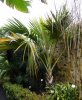
GAAN LIBA ALOE - Aloe jucunda
Photos taken at: my garden, Saragossa, Spain
Short taxonomy: Liliopsida > Asparagales > Xanthorrhoeaceae
Native range: northern Somalia
Ex-situ frequence: Common
Danger factors: LIvestock grazing, habitat destruction and degradation
Other comments: Gaan Liba is the name of the reserve in Hargeisa, Somalia where this plant is endemic. Such a restricted native range, of about 30 km across, put the plant in risk because populations can be completely depleted due to overgrazing, logging (that eliminates the slight shade that this species needs for thriving), and fires for obtain charcoal. The recollection for medicinal purposes, a common threat within genus Aloe, is not important in this species because its small size make it uninteresting for harvesters. The species, being distinctive and beautiful, easy to grow and easy to propagate, is common in succulent collections worldwide.