Day 11. In the North
#18 Bydgoszcz Zoo
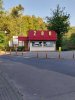
It was a bright Saturday morning and I was in no hurry to reach my next short-by destination as pressumable few people visit zoos on the first morning of the weekend. I was very wrong as parking lots were almost full. The zoo is part of a larger recreational area with a botanical gardens extended forests, (mini) golf courses, etc. As the parking machine was set to Ukrainian, I did not know what to do for a moment, feeling the hot breath of the long queue behind me. Fortunately, the friendly man behind me spoke English and my problem was quickly solved.
This 1978 originated zoo specialises in Polish faune and this is as today the main focus: large and small carnivores, ungulates and birds of prey.
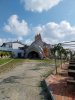
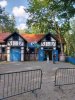
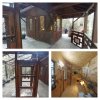
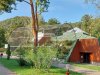
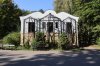
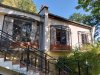
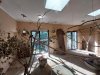
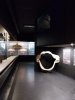
The entrance builing (2014) has a quite large indoor section and it turned out to be the best part of the zoo. In fact it is the only building in de zoo accessible to visitors.

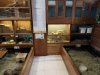
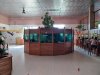
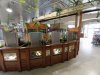
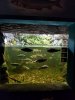
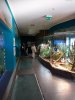
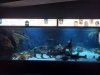
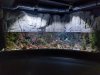
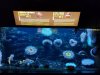
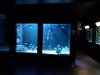
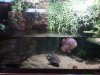
It has a few small saltwater tanks in the entrance area and large freshwater ones for native fish. These four aquaria (and actually there were five because on the floor was a walkable tank whose usefulness frankly escaped me) were of decent quality. Each had a main fish accompanied by a few subsidiary species, and consisted of a large chunk of water with nice naturally finished edges. Unfortunately, each was missing an eye-catcher in the form of a large branch or some other attribute to make them look more attractive.

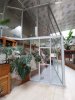
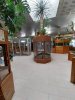
The largest enclosure is dedicated to the zoo’s 2 dwarf crocodiles and it leads into a room with a double path. It consists of not too spacious but nicely decorated terraria for mostly very common species: think of your daily zootrip portion of bearded dragon, leopard gecko and Sinolan milksnake. A few species are rare in European zoos: Green pricklenape, Hispanolian masked curly-tailed lizard, Sahara mastigure and ocellated skink.

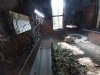
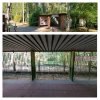
Reptile House - aquarium section with wakable tank
Like birds, reptiles manage to make themselves invisible even in the smallest terraria (or they are simply not there).
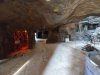
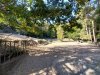
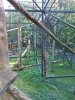
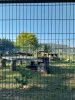
Large predators are presented by Siberian tiger, Snowleopard, Northern lynx, European brown bear and Eurasian wolf. All of these, except for the lynx, live in spacious forested enclosures. A raised platform with glass panels gives a good view of the tiger forest.

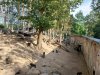
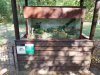
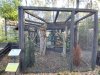
European Brown Bear visitor area

Siberian Tiger enclosure as seen from viewing platform
In 2018 the city anounced the plans for a Polararium with extended enclosures for Polar bear, Forest reindeer, Musk ox, seals, penguin and a mixed (!) enclosure for Polar fox and Wolverine. So far I’ve seen no sign of the start of construction.
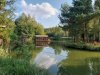
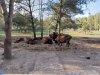
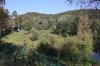
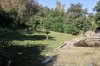
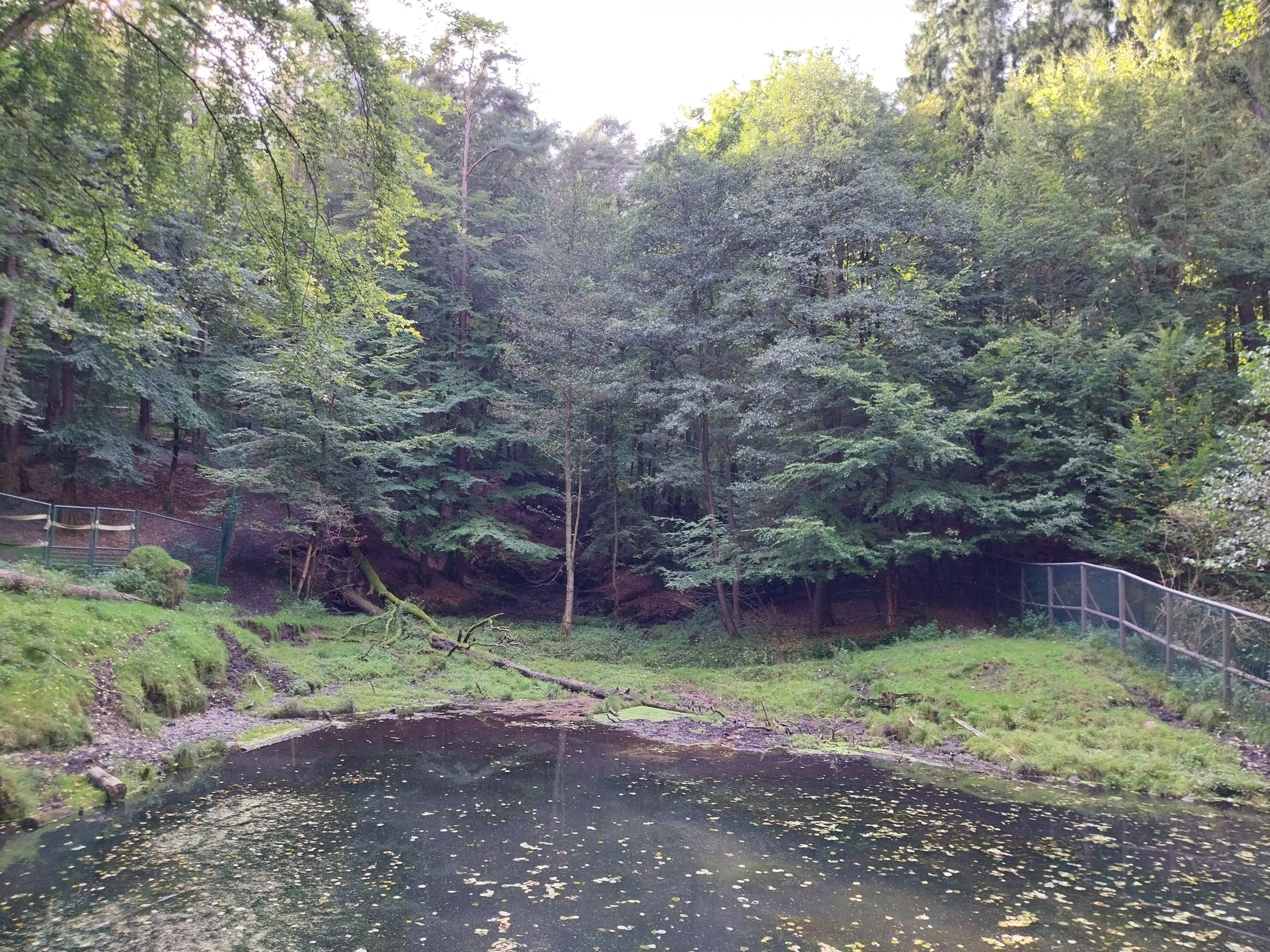
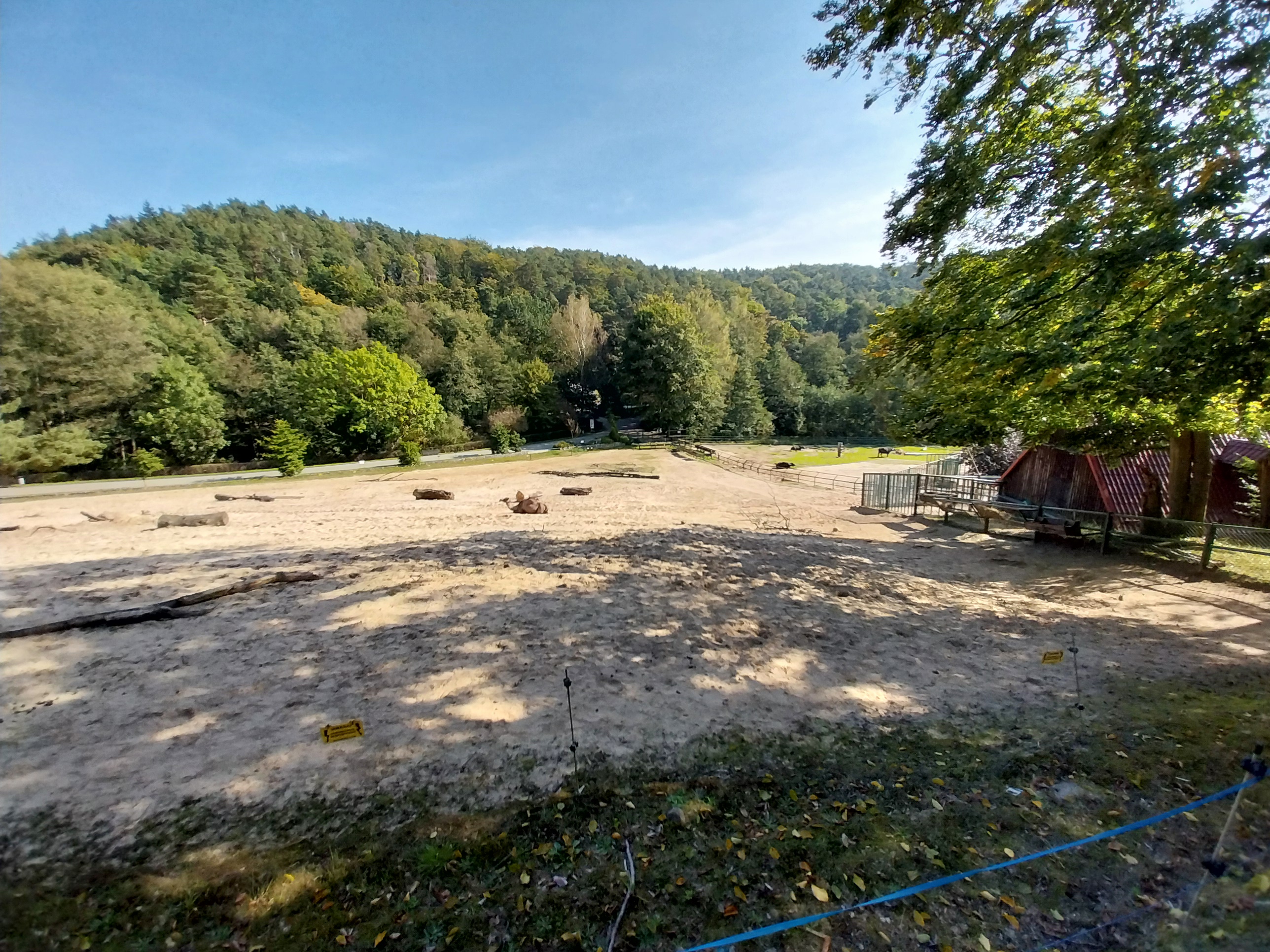
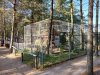
The far back of the zoo consist of forest with large enclosures for herbivores such as European bison, Wild boar, Moose, Fallow and Roe deer.
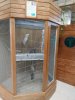
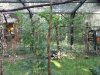
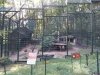
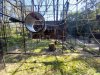
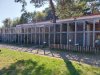
A dead end leads to a really shamefull building with extremely small cages for Serval, parrots and Suricate.

the 2 most right 4m² enclosures house serval
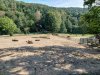
Probably the best exhibit of the zoo is a double-enclosure for Mouflon and a pampa with Lama and Capybara. Tropical ungulates are represented by 1 real and 1 fake (plastic) zebra, 1 Somali wild ass and a small herd of nyala.

'Pampa'
I have long since stopped getting excited about mediocre enclosures for Ring-tailed Lemur and Bennett wallabies, but I was very happy to see the Arabian spiny mouse, which can be found in only 8 European zoos. I'm not sure what they do with this in winter, probably lift it and put it in a warmer place.

Arabian Spiny Mouse (Acomys dimidatus)
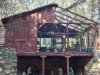
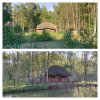
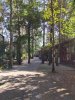
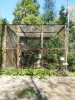
Next section is entirely dedicated to birds: European black stork, Eurasian crane, Black-necked swan and many birds of prey: Lesser spotted eagle, White-tailed sea-eagle, Steppe eagle, Northern goshawk. In between are Japanese macaques followed by a row of owls: Barn owl (with Edward’s pheasant), Tawny owl (with Lady Amherst pheasant), Tengmalm’s owl (with Eurasian stone-curlew), Ural owl, etc. All these aviaries are rather dilapidated and rusty and are very mediocre at best. However, given their height and planting, I found the owl aviaries quite pleasant to look at.

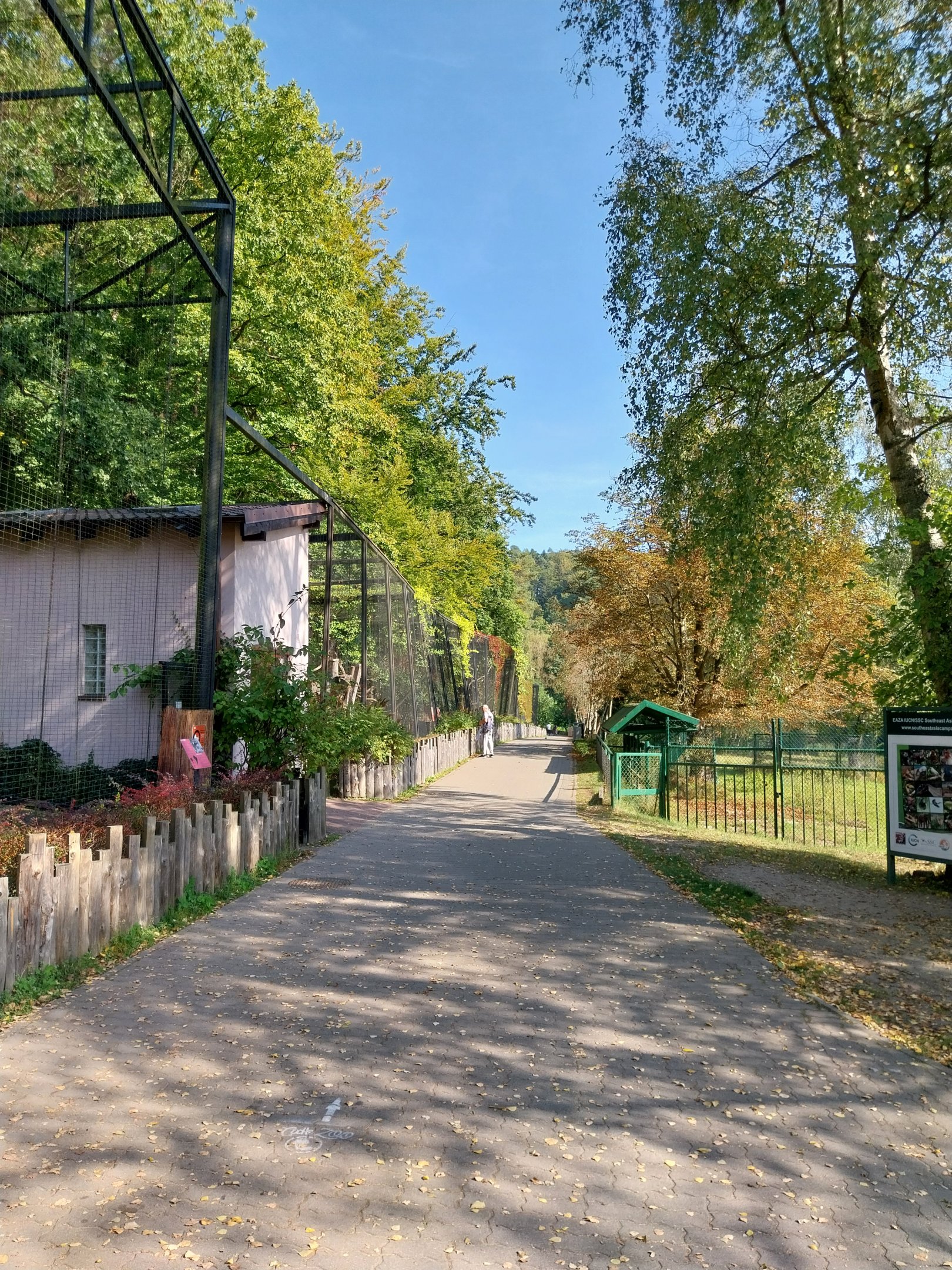
Bird of prey avenue

Owl aviary
Last is a row of smelly cages in wretched condition for small carnivores like Red fox, Polar fox, Siberian marten, Northern raccoon and European wildcat. Certainly this section was beyond the limits of what is acceptable and it was the bottom point so far on this trip.
This zoo is not a high-flyer: too few interesting species and too many enclosures in poor condition. The large predators and some ungulates are fine and the reptile house is quite pleasant.
My next stop does not promise immediate improvement.
#18 Bydgoszcz Zoo
It was a bright Saturday morning and I was in no hurry to reach my next short-by destination as pressumable few people visit zoos on the first morning of the weekend. I was very wrong as parking lots were almost full. The zoo is part of a larger recreational area with a botanical gardens extended forests, (mini) golf courses, etc. As the parking machine was set to Ukrainian, I did not know what to do for a moment, feeling the hot breath of the long queue behind me. Fortunately, the friendly man behind me spoke English and my problem was quickly solved.
This 1978 originated zoo specialises in Polish faune and this is as today the main focus: large and small carnivores, ungulates and birds of prey.
The entrance builing (2014) has a quite large indoor section and it turned out to be the best part of the zoo. In fact it is the only building in de zoo accessible to visitors.
It has a few small saltwater tanks in the entrance area and large freshwater ones for native fish. These four aquaria (and actually there were five because on the floor was a walkable tank whose usefulness frankly escaped me) were of decent quality. Each had a main fish accompanied by a few subsidiary species, and consisted of a large chunk of water with nice naturally finished edges. Unfortunately, each was missing an eye-catcher in the form of a large branch or some other attribute to make them look more attractive.
The largest enclosure is dedicated to the zoo’s 2 dwarf crocodiles and it leads into a room with a double path. It consists of not too spacious but nicely decorated terraria for mostly very common species: think of your daily zootrip portion of bearded dragon, leopard gecko and Sinolan milksnake. A few species are rare in European zoos: Green pricklenape, Hispanolian masked curly-tailed lizard, Sahara mastigure and ocellated skink.
Reptile House - aquarium section with wakable tank
Like birds, reptiles manage to make themselves invisible even in the smallest terraria (or they are simply not there).
Large predators are presented by Siberian tiger, Snowleopard, Northern lynx, European brown bear and Eurasian wolf. All of these, except for the lynx, live in spacious forested enclosures. A raised platform with glass panels gives a good view of the tiger forest.
European Brown Bear visitor area
Siberian Tiger enclosure as seen from viewing platform
In 2018 the city anounced the plans for a Polararium with extended enclosures for Polar bear, Forest reindeer, Musk ox, seals, penguin and a mixed (!) enclosure for Polar fox and Wolverine. So far I’ve seen no sign of the start of construction.
The far back of the zoo consist of forest with large enclosures for herbivores such as European bison, Wild boar, Moose, Fallow and Roe deer.
A dead end leads to a really shamefull building with extremely small cages for Serval, parrots and Suricate.
the 2 most right 4m² enclosures house serval
Probably the best exhibit of the zoo is a double-enclosure for Mouflon and a pampa with Lama and Capybara. Tropical ungulates are represented by 1 real and 1 fake (plastic) zebra, 1 Somali wild ass and a small herd of nyala.
'Pampa'
I have long since stopped getting excited about mediocre enclosures for Ring-tailed Lemur and Bennett wallabies, but I was very happy to see the Arabian spiny mouse, which can be found in only 8 European zoos. I'm not sure what they do with this in winter, probably lift it and put it in a warmer place.
Arabian Spiny Mouse (Acomys dimidatus)
Next section is entirely dedicated to birds: European black stork, Eurasian crane, Black-necked swan and many birds of prey: Lesser spotted eagle, White-tailed sea-eagle, Steppe eagle, Northern goshawk. In between are Japanese macaques followed by a row of owls: Barn owl (with Edward’s pheasant), Tawny owl (with Lady Amherst pheasant), Tengmalm’s owl (with Eurasian stone-curlew), Ural owl, etc. All these aviaries are rather dilapidated and rusty and are very mediocre at best. However, given their height and planting, I found the owl aviaries quite pleasant to look at.
Bird of prey avenue
Owl aviary
Last is a row of smelly cages in wretched condition for small carnivores like Red fox, Polar fox, Siberian marten, Northern raccoon and European wildcat. Certainly this section was beyond the limits of what is acceptable and it was the bottom point so far on this trip.
This zoo is not a high-flyer: too few interesting species and too many enclosures in poor condition. The large predators and some ungulates are fine and the reptile house is quite pleasant.
My next stop does not promise immediate improvement.
Attachments
-
 upload_2025-1-26_15-29-27.jpeg110.8 KB · Views: 138
 -
 upload_2025-1-26_15-29-54.jpeg104.5 KB · Views: 139
 -
 upload_2025-1-26_15-30-36.jpeg183.4 KB · Views: 147
 -
 upload_2025-1-26_15-31-27.jpeg283 KB · Views: 145
 -
 upload_2025-1-26_15-32-13.jpeg179.2 KB · Views: 151
 -
 upload_2025-1-26_15-33-13.jpeg267.2 KB · Views: 145
 -
 upload_2025-1-26_15-34-13.jpeg229.2 KB · Views: 145
 -
 upload_2025-1-26_15-36-18.jpeg175.2 KB · Views: 140
 -
 upload_2025-1-26_15-38-26.jpeg208.6 KB · Views: 146
 -
 upload_2025-1-26_15-40-24.jpeg82.1 KB · Views: 133















 I need to get over to Poland one day...